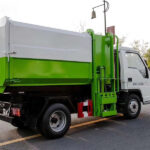
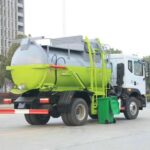
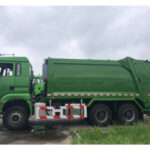
How Does a Compactor Garbage Truck Manage Waste Compression?
Witnessing a compactor garbage truck in action is observing raw, purposeful power. That cacophony of hydraulics and grinding metal isn’t chaos; it’s a precisely orchestrated mechanical ballet designed to achieve one critical goal: maximizing waste density. In an era defined by escalating waste volumes and logistical pressures, the ability to compact refuse efficiently within the truck’s body is paramount. This sophisticated compression process transforms loose, voluminous piles of garbage into a tightly packed, stable load, dramatically increasing payload capacity, reducing collection trips, minimizing fuel consumption, and optimizing operational costs for municipalities and waste haulers alike. The intricate dance of pistons, blades, and chambers beneath that familiar exterior represents decades of engineering evolution dedicated to mastering the complex physics of waste compaction.
The Hydraulic Heart: Generating Immense Force
At the absolute core of the compaction process lies the truck’s hydraulic system, acting as the indispensable powerhouse.
High-Pressure Pump & Power Source: Driven directly by the truck’s engine via a Power Take-Off (PTO) or sometimes a dedicated auxiliary engine, a robust hydraulic pump generates the formidable fluid pressure essential for the entire operation. This pump operates at pressures typically ranging from 2,500 to over 3,500 PSI (pounds per square inch), translating mechanical energy into hydraulic power capable of moving massive loads. The system’s designed pressure ceiling is deliberately set significantly higher than the force needed for routine compaction, providing a crucial safety buffer and ensuring consistent performance even under peak load conditions.
Fluid Dynamics & Flow Control: Specialized hydraulic fluid, engineered for high temperatures and extreme pressure resistance, circulates through a network of heavy-duty hoses and hardened steel tubing. Control valves, manipulated by the operator via controls in the cab, meticulously regulate the direction and flow rate of this pressurized fluid. Precise flow control determines the speed of the compaction mechanism’s movement, while pressure governs its sheer force; sophisticated valves manage the transition between rapid movement when the mechanism is unloaded and the immense, grinding force applied once resistance from the waste load builds up.
Reservoir, Cooling & Filtration: A large-capacity reservoir stores the hydraulic fluid supply. Given the intense heat generated by compressing thousands of pounds of resistant material, an efficient oil cooler (often air-to-oil) is vital to prevent fluid breakdown and system damage. Multi-stage filtration systems continuously remove contaminants like metal particles from component wear or moisture ingress, protecting sensitive valves, pumps, and cylinders from premature failure and maintaining peak system performance over thousands of compaction cycles.
The Packer Blade: The Primary Compaction Instrument
This is the workhorse component physically thrusting waste into the body’s storage bay.
Design & Structural Integrity: Typically a massive, heavy-gauge steel plate, often curved or contoured, the packer blade is engineered for brute strength. Its shape is optimized to efficiently gather refuse from the hopper and forcefully drive it deep into the main body cavity while minimizing the risk of material becoming trapped or bridging above it. Reinforcements counteract the immense bending stresses encountered during every compaction stroke, ensuring longevity and structural integrity under relentless operational demands.
Mounting & Actuation: The blade is securely attached to a structural framework linked directly to the packer panel or headboard. This entire assembly is propelled by the powerful hopper cylinders, usually two or more large-bore hydraulic cylinders mounted strategically within the hopper space. These cylinders extend forcefully, driving the blade forward along guided rails or tracks embedded in the hopper walls, ensuring a controlled and powerful linear motion directly responsible for the compaction force.
Cyclic Compression: The packer blade operates in a distinct, repetitive cycle. After loading refuse into the hopper, the blade sweeps forward, compressing the material against the existing load in the body. It then retracts, allowing space for the next batch of waste to be loaded by the collection crew or an automated lift. This cycle repeats continuously during the collection route, systematically densifying the waste load incrementally with each powerful stroke.
The Hopper: Where Loading Meets Initial Compression
The hopper serves as the critical transition zone where loose waste is first received and subjected to the initial, focused compression effort.
Funnel Design & Load Containment: Acting as a large, steep-walled funnel, the hopper efficiently directs dumped waste towards the path of the advancing packer blade. Its geometry prevents spillage during loading and facilitates the initial gathering action crucial before the main compaction stroke begins. Robust construction withstands constant impact from dumped bins and bags.
Integration with Packer Blade Path: The hopper’s internal geometry is meticulously designed to perfectly match the sweep pattern of the packer blade. Curved sides and the hopper’s floor profile guide the blade, ensuring maximum engagement with the waste mass and minimizing voids or areas where material can escape compression. Seals along the blade’s edges help contain fluids and fine particulates during the compression stroke within the hopper area.
Ejection Assistance: In some advanced designs, the hopper floor itself may incorporate hydraulic cylinders (ejector plates) that assist the packer blade during the final discharge phase at the landfill or transfer station, helping to push the densely packed load completely out of the body.
The Body: Containing and Further Densifying the Load
Beyond simply holding waste, the truck’s body plays an active role in the ongoing densification process.
Structural Strength & Geometry: Constructed from high-tensile steel, the body is a rigid container designed to withstand immense internal pressures generated by the compacted waste. Its cross-section (typically rectangular or trapezoidal) is engineered not just for volume, but to facilitate the progressive packing of material. Smooth, continuous interior surfaces with minimal protrusions prevent waste from snagging and allow the compressed slug to move efficiently during ejection.
Progressive Densification: As the packer blade repeatedly forces new waste into the body, it compresses not only the fresh load but also the material already present. This cyclic compression progressively squeezes air and moisture out of the waste mass, forcing particles closer together and significantly increasing density from the front (hopper end) towards the rear of the body. Each stroke contributes to building a denser, more stable load.
Load Retention & Safety: Heavy-duty tailgates, equipped with robust hydraulic rams and secure latching mechanisms, withstand the outward pressure exerted by the compacted waste. Safety interlocks prevent accidental opening during transit, and leak-proof seals minimize leachate (contaminated liquid) drippage onto roadways.
Control Systems: Operator Interface and Automation
Modern trucks integrate sophisticated electronics to manage and monitor the complex hydraulic ballet.
Cab Controls & Feedback: The operator uses an intuitive control panel (lever-based or touchscreen) within the cab to activate the packer cycle, open/close the tailgate, and sometimes control hopper functions. Critical feedback includes pressure gauges (indicating load resistance), cycle counters, body fullness indicators (using ultrasonic sensors or pressure logic), and system fault diagnostics. This allows real-time adjustments and awareness.
Sequencing Logic & Safety Protocols: Programmable Logic Controllers (PLCs) manage the precise sequence of operations: extending cylinders, opening/closing valves, reversing blade direction, and integrating safety features like preventing blade movement if the hopper door is open or the tailgate isn’t securely latched. Automated cycling modes allow hands-free packing during continuous loading operations.
Efficiency Optimization: Advanced systems may incorporate load sensing hydraulics, adjusting pump flow and pressure dynamically based on the actual resistance encountered by the packer blade. This reduces unnecessary energy consumption and component stress during lighter compaction phases.
Managing Diverse Waste Streams: Adapting the Compression Strategy
Not all waste compresses equally; the system must handle significant variability.
Material Composition Variability: The compaction force required differs dramatically between light, bulky items (cardboard, plastics) and dense, heavy materials (wet organics, soil). Operators may observe pressure readings and adjust loading techniques or cycle frequency accordingly. Trucks designed for Construction & Demolition (C&D) waste often feature heavier-duty components than standard municipal trucks.
Challenges of Bulky & Problem Items: Bulky items (furniture, mattresses) can hinder blade movement or create voids. Stringy materials (carpet, hoses) pose wrapping risks around moving parts. While the packer blade is powerful, operators must be vigilant about preventing non-compressible or hazardous materials from entering the hopper, which can damage equipment or create safety hazards.
Moisture Content & Its Impacts: Wet waste (food scraps, yard waste) compacts differently than dry waste. It can achieve higher density initially but may release significant leachate. Excess moisture reduces friction between waste particles, sometimes allowing the compacted load to slump or expand slightly after compression (“spring-back”), though well-designed systems minimize this.
The extreme forces involved demand rigorous upkeep for reliable operation and optimal compaction efficiency.
Hydraulic System Vigilance: Regular fluid analysis and changes are critical as contaminated or degraded fluid damages pumps and valves. Inspecting hoses, fittings, and cylinders for leaks, wear, or damage prevents sudden failures and pressure loss. Maintaining proper fluid levels and cooler functionality is essential.
Packer Blade & Mechanism Integrity: Frequent inspection of the blade surface, its mounting structure, guide rails/tracks, and especially the hopper cylinder mounting points for cracks or deformation is paramount. Lubricating pivot points and sliding surfaces reduces friction and wear. Worn or damaged blades compromise compaction efficiency and safety.
Body & Hopper Structural Checks: Inspecting the body interior and hopper for cracks, dents, or weakened areas caused by impacts from heavy objects or internal pressure stresses prevents catastrophic failures. Ensuring tailgate hinges, locks, and seals function correctly is vital for retention and safety.
Filter & Cooling System Servicing: Strict adherence to hydraulic filter replacement schedules is non-negotiable. Keeping oil coolers free of debris (dust, leaves) ensures efficient heat dissipation during intensive compaction operations.
Beyond Standard Rear Loaders: Variations Like Hook Loaders
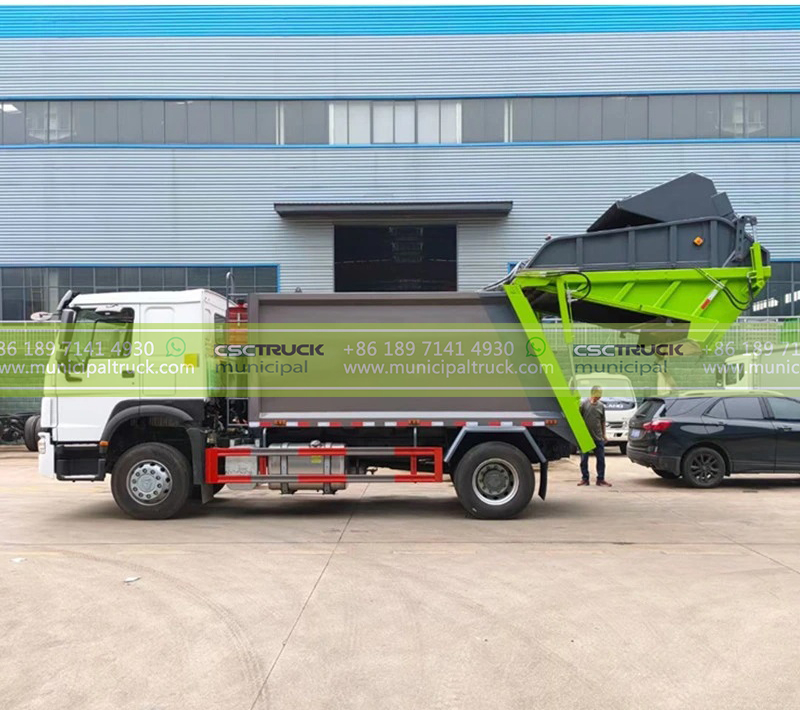
While rear-loading compaction bodies are ubiquitous, the hook loader garbage truck system represents a versatile alternative utilizing similar compression principles in a different configuration.
Interchangeable Containers: The core of the system is a powerful hydraulic hook arm mounted on the truck chassis. This arm lifts and lowers standardized waste containers (often large, box-like compaction containers) onto the truck. Crucially, these containers themselves frequently incorporate an integrated compaction mechanism – essentially a hydraulic press within the container.
On-Board Container Compaction: Once the container is loaded (often via open-top dumping or smaller carts), the operator activates its internal compacting unit (typically a hydraulic ram pushing a platen against the waste). This densifies the waste within the container itself before it’s transported. This allows compaction to occur directly at the generation site (e.g., large apartment complexes, commercial facilities), maximizing container capacity locally.
Transport and Transfer: The densely packed container is then lifted onto the hook loader truck chassis for transport. At the disposal site, the entire container is lifted off and emptied (sometimes using the container’s own ejector mechanism). The truck can then pick up another pre-compacted container, significantly reducing time spent at collection points compared to traditional bin-by-bin collection. This system excels in settings where large volumes are generated in single locations.
The relentless force exerted by a compactor garbage truck is far more than simple brute strength; it is the culmination of sophisticated hydraulic engineering, precision mechanical design, robust structural fabrication, and intelligent control systems working in seamless synergy. This orchestration transforms the chaotic influx of household discards, commercial refuse, and bulky items into a manageable, transportable, and stable load. The relentless pursuit of higher compaction ratios translates directly into tangible benefits: fewer trips cutting fuel costs and emissions, optimized crew time, extended landfill lifespans through efficient space utilization, and enhanced road safety by minimizing overflow and spillage. Manufacturers at the forefront of this vital sanitation technology, such as CSCTRUCK Municipal, continuously innovate, developing stronger yet lighter materials, more efficient hydraulic systems with regenerative capabilities, smarter controls integrating telematics for predictive maintenance and performance analytics, and specialized compaction solutions tailored for challenging waste streams like commercial recyclables or C&D debris. Their engineering focus ensures that the modern waste collection fleet remains a highly efficient, adaptable, and technologically advanced asset, essential for managing the ever-growing complexities of urban waste streams and driving sustainability within the essential field of municipal services.