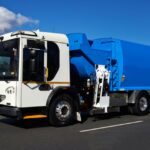
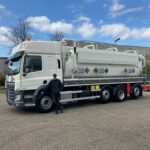
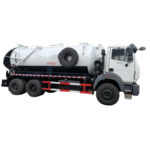
Built to Last & Fully Tailored: Top-tier garbage, sweeper and sewer trucks crafted for unrivaled durability. A trusted choice for municipal governments across the globe.
Understanding Why Backflow Control Matters in Vacuum Sewer Truck Operations
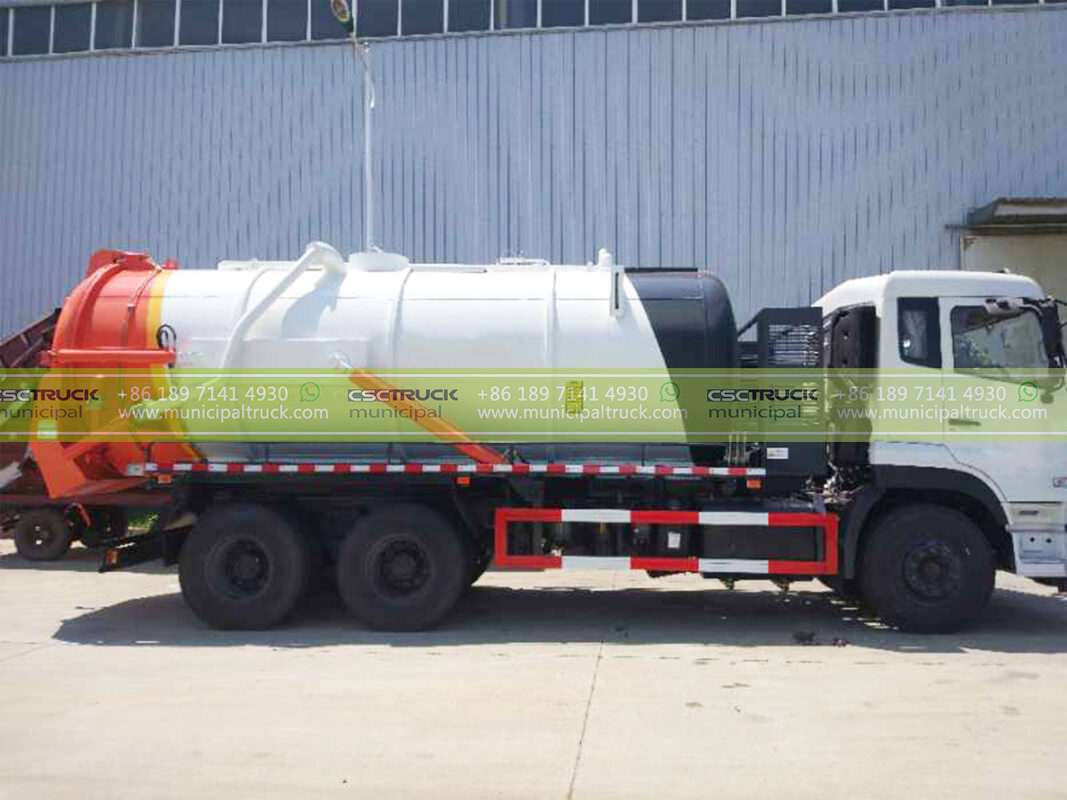
Backflow is one of the most serious operational risks in wastewater handling, because when contaminated material reverses direction inside hoses, pumps, or tanks, it can cause equipment damage, environmental contamination, and serious health hazards for operators, and this is precisely why a vacuum sewer truck is engineered with multiple layers of backflow prevention built into its design. Rather than relying on a single safeguard, modern vacuum sewer trucks use a coordinated system of mechanical components, pressure control devices, and operational procedures that work together to ensure waste only moves in one controlled direction, from collection point to sealed tank.
The Role of Vacuum Pressure Balance
At the core of backflow prevention is precise control of vacuum pressure, because unstable pressure conditions are the primary cause of reverse flow in sewer operations.
Controlled Negative Pressure Generation
Vacuum sewer trucks generate negative pressure using high-capacity vacuum pumps that are carefully calibrated to maintain consistent suction levels. By keeping pressure lower inside the tank than in the external sewer line, the system ensures that waste is always drawn inward, preventing material from being pushed back toward the source.
Pressure Monitoring and Relief Systems
Integrated pressure gauges and relief valves continuously monitor internal conditions, automatically releasing excess pressure if unsafe thresholds are reached. This protects hoses and seals while preventing sudden pressure reversals that could cause backflow during operation or shutdown.
Mechanical Barriers That Block Reverse Flow
In addition to pressure management, physical barriers play a crucial role in preventing wastewater from flowing backward through the system.
Non-Return (Check) Valves
Check valves are installed at key points along suction lines and pump inlets, allowing flow in only one direction. If pressure changes or pump operation stops unexpectedly, these valves close instantly, blocking any attempt by liquid or sludge to reverse course.
Sealed Manholes and Tank Inlets
Vacuum sewer truck tanks are fitted with tightly sealed inlet ports and reinforced lids designed to withstand internal pressure changes. These seals prevent leakage and ensure that collected waste remains contained, even during transport over uneven terrain.
Pump Design and Operational Safeguards
The design of the vacuum pump itself contributes significantly to backflow prevention, especially during high-load or intermittent operations.
Oil-Sealed and Liquid Ring Pump Systems
Many modern vacuum sewer trucks use oil-sealed rotary vane pumps or liquid ring pumps, both of which are inherently resistant to backflow due to their internal sealing mechanisms. These designs maintain consistent suction and minimize pressure fluctuations that could otherwise push material backward.
Automatic Shutdown Protocols
Sensors linked to pump systems can trigger automatic shutdowns if abnormal pressure or flow conditions are detected. By stopping operation before instability escalates, these safeguards protect both equipment and personnel.
Hose Configuration and Connection Integrity
Backflow prevention also depends heavily on how hoses and connections are configured during daily operations.
Reinforced Suction Hoses
High-quality suction hoses are reinforced to resist collapse or expansion under pressure changes, ensuring smooth, uninterrupted flow toward the tank. Their internal linings reduce turbulence, which further stabilizes flow direction.
Secure Couplings and Locking Systems
Locking couplings prevent accidental disconnection or air ingress, both of which can destabilize pressure balance. Properly sealed connections ensure that suction remains consistent from start to finish.
Operator Procedures and Human Control Factors
Even the most advanced mechanical systems rely on correct human operation to maintain backflow prevention effectiveness.
Sequential Startup and Shutdown Practices
Operators are trained to follow strict sequences when engaging or disengaging vacuum systems, allowing pressure levels to stabilize gradually rather than changing abruptly. This controlled approach minimizes the risk of reverse flow during transitions.
Routine Inspection and Maintenance
Regular inspection of valves, seals, and pressure indicators ensures that all backflow prevention components remain in proper working condition. Preventive maintenance reduces the likelihood of unexpected failures during active sewer operations.
Backflow Prevention Within the Broader Municipal Fleet
A vacuum sewer truck’s ability to prevent backflow is essential not only for its own operation but also for maintaining safety and efficiency across municipal sanitation systems. When integrated into coordinated service networks, these trucks work alongside equipment such as the sewage truck and sweeper truck, supporting comprehensive waste management strategies that protect infrastructure, safeguard public health, and ensure that wastewater is handled with precision, control, and reliability throughout every stage of the operation.