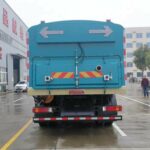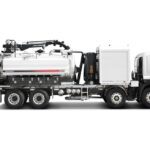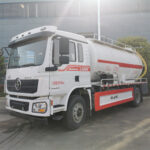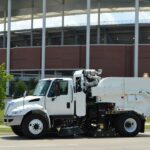
The relentless grind of urban maintenance demands machinery that refuses to quit. Combined sweeper jetter trucks stand as versatile titans in this arena, merging surface cleaning prowess with subsurface hydro-excavation capabilities. Yet, the true measure of their value lies not just in their dual function, but in the durability of their integrated upper system—the complex assembly of sweeping mechanisms, high-pressure jetting apparatus, tanks, hydraulics, and controls mounted onto the chassis. For municipal fleet managers and contractors, understanding the resilience of this critical system is paramount to minimizing downtime, controlling lifecycle costs, and ensuring uninterrupted service. The upper system’s endurance is forged through engineering choices, operational realities, and relentless environmental assault.
Anatomy of Resilience: Core Components and Their Stress Points
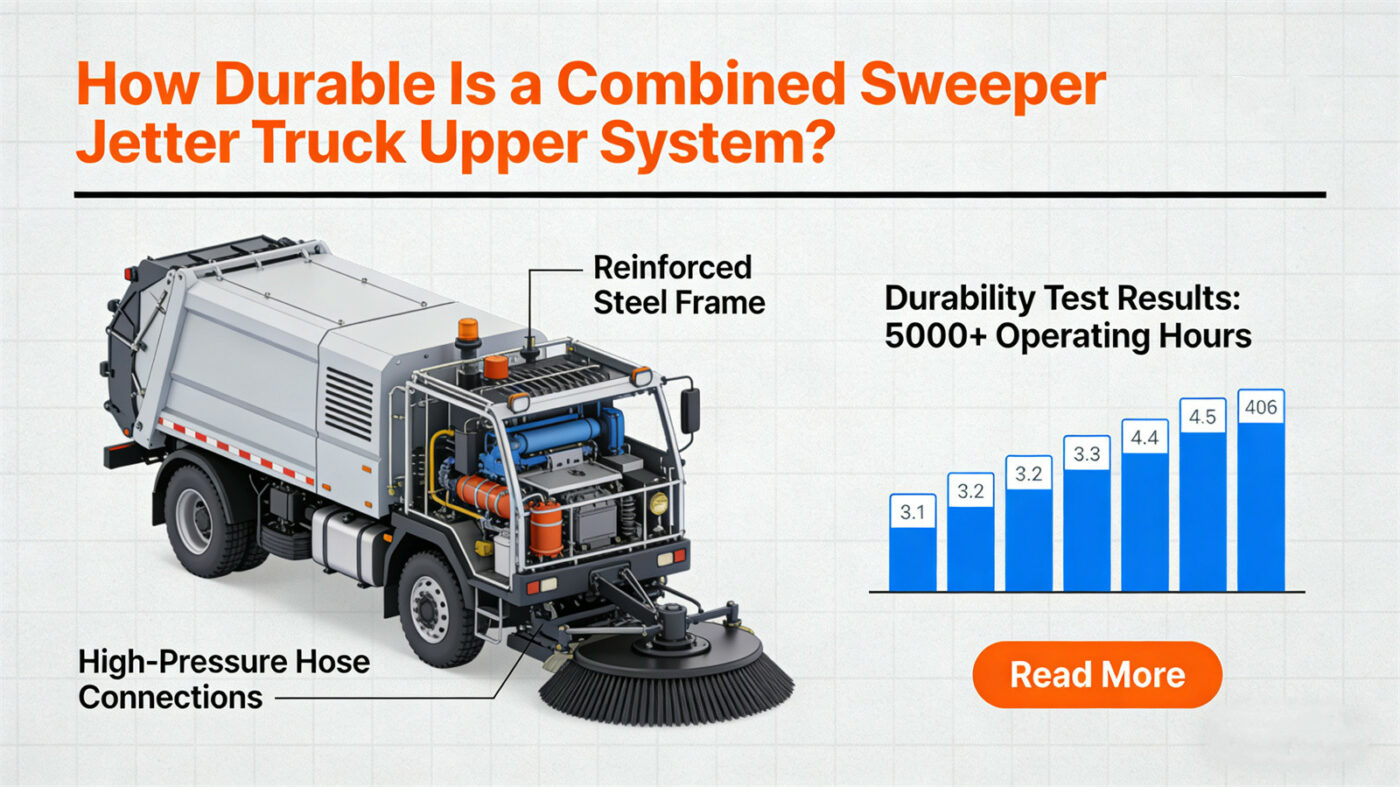
The upper system’s durability hinges on the performance of interconnected subsystems, each facing unique challenges:
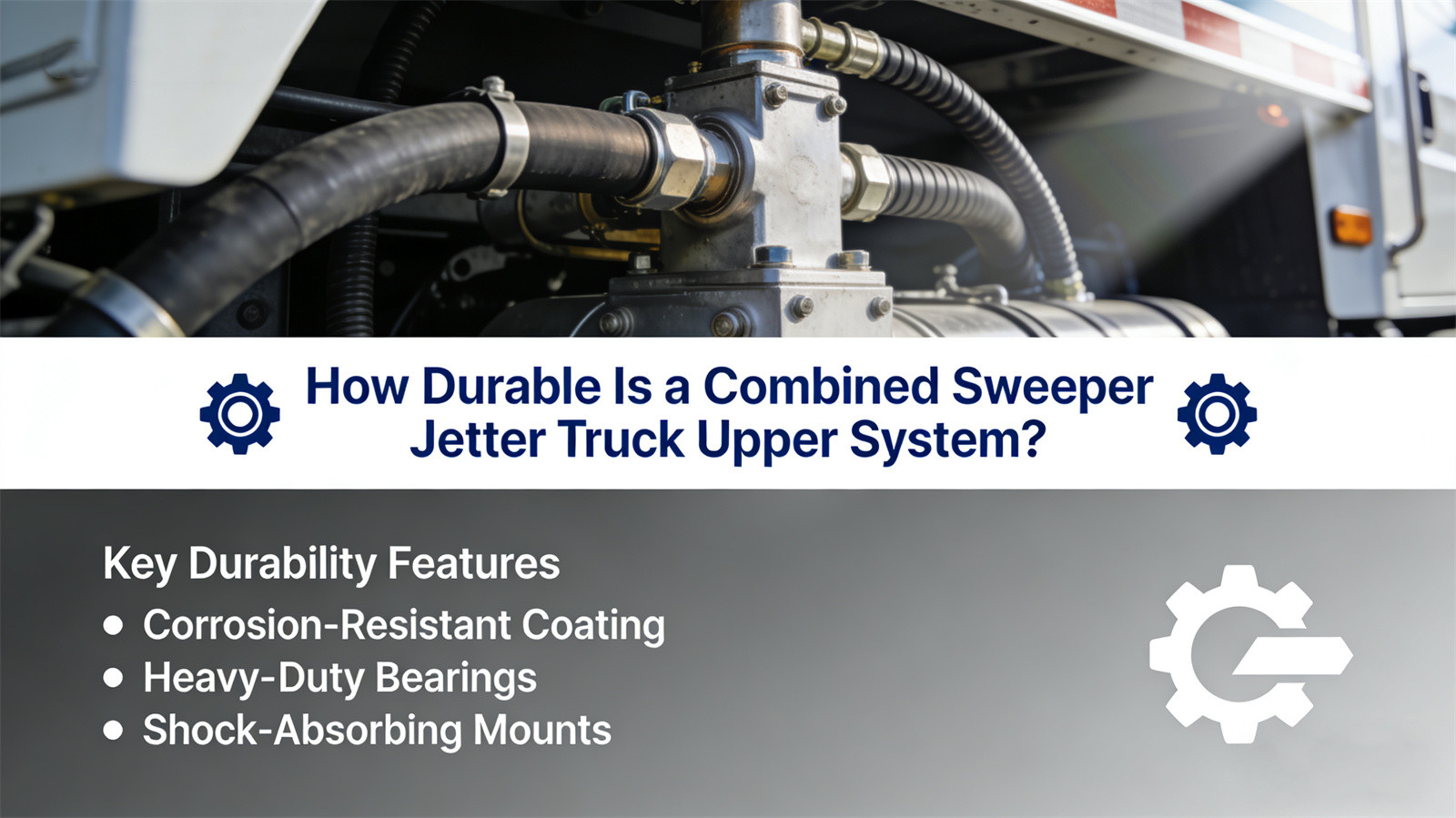
- High-Pressure Jetting System: The hydro-excavation backbone. Pumps (plunger/piston types rated 2,000–4,000+ PSI) endure extreme cyclical stress, with durability relying on hardened steel alloys, precision machining, and robust seals. Hose reels and high-pressure hoses suffer abrasion, UV degradation, kinking, and internal wear from turbulent water flows. Valves and manifolds face erosion-corrosion from abrasive-laden water, while nozzles experience rapid wear from high-velocity grit impact.
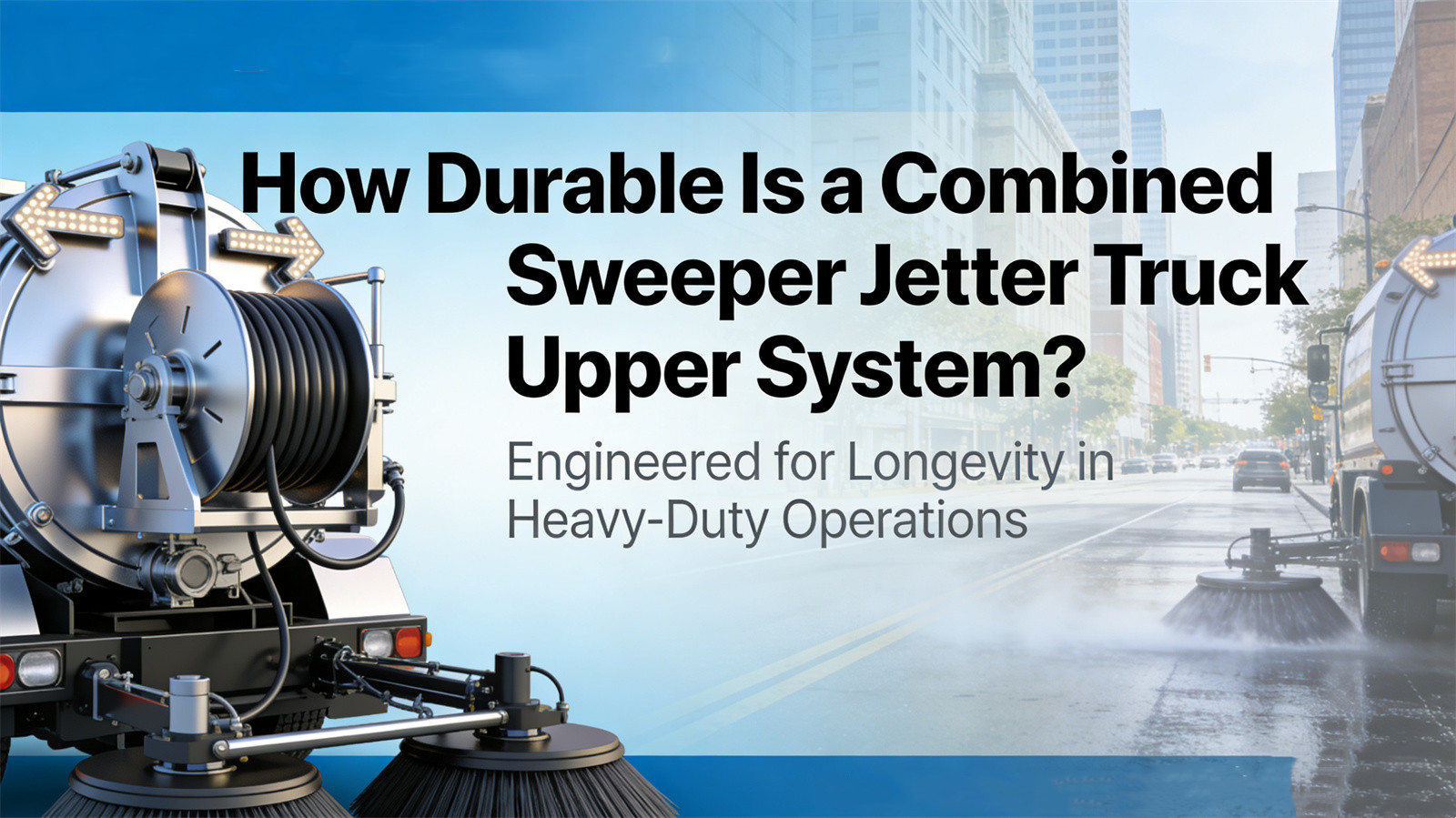
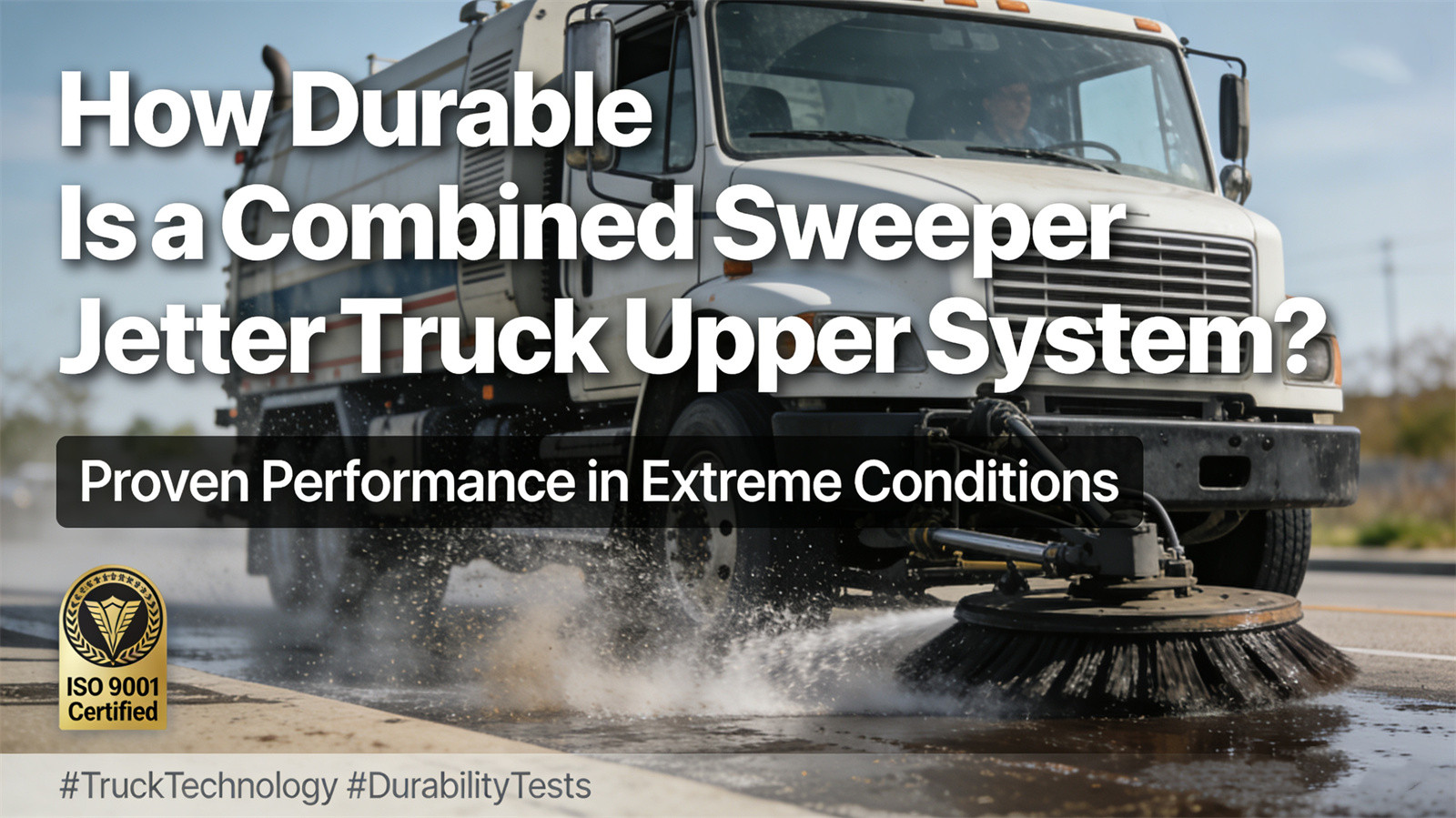
- Mechanical Sweeping System: Engineered for abrasive combat. Brooms (main/gutter) and bristles (steel/polypropylene) degrade from constant pavement friction, curb impacts, and chemical exposure. Hopper mechanisms (conveyors, lift cylinders) handle heavy, gritty loads, risking wear on chains, bearings, and liners. Hydraulic cylinders endure vibration fatigue during repeated lifting cycles.
- Hydraulic Power Unit (HPU) & Plumbing: The system’s muscle. The HPU (pump, reservoir, valves) withstands thermal stress and pressure cycling. Hoses and fittings battle pressure spikes, vibration fatigue, and external abrasion. Fluid contamination (particles, moisture) is a leading cause of premature pump or valve failure.
- Water Management System: Critical for dual operations. Tanks (sweep/jetting water) face sloshing loads, corrosion (especially with reclaimed water), and structural stress. Piping and transfer pumps corrode or clog from mineral buildup and suspended solids.
- Control System & Operator Interface: The nerve center. Electronics (sensors, controllers) are vulnerable to moisture, dust, and vibration. Joysticks and wiring harnesses suffer mechanical wear from daily use.
Operational Gauntlet: Environmental and Usage Drivers of Wear
Durability isn’t theoretical—it’s tested daily in punishing conditions:
- Duty Cycle Intensity: A sweeper truck in a desert city operating 6 days/week faces exponentially more wear than a seasonal unit. Frequent jetting cycles against tough clogs (roots, concrete) accelerate pump and nozzle degradation compared to light-duty use.
- Environmental Onslaught:
- Abrasion: Sand, grit, and road salt scour hoses, brooms, and hopper liners—coastal or industrial zones amplify this.
- Corrosion: De-icing salts, sewage residues, and moisture attack metal components, wiring, and hydraulics. Marine environments accelerate rust.
- Temperature Extremes: Sub-zero cold embrittles plastics and thickens fluids; extreme heat degrades seals and accelerates fluid oxidation.
- UV Radiation: Sunlight cracks rubber hoses and fades/fades control panels over time.
- Debris Composition: Sweeping construction rubble or metallic waste causes more impact damage than light litter. Jetting sediment-heavy sewage erodes nozzles faster than clearing soft sludge.
- Operator Influence: Aggressive practices (e.g., slamming brooms, forcing jets through immovable clogs) inflict immediate harm. Conversely, skilled operators who respect system limits and perform pre-checks extend component life.
Engineering Fortitude: Materials and Design for Longevity
Superior durability stems from deliberate engineering choices:
- High-Stress Component Materials: Pump internals use hardened stainless steels (17-4PH, 440C) to resist erosion-corrosion. Structural frames employ high-tensile steel with epoxy/polyurethane coatings. Corrosion-prone areas utilize aluminum alloys or fiber-reinforced composites.
- Advanced Polymers & Coatings: Polyurethane liners shield hoppers from abrasion better than steel. UHMW-PE (Ultra-High Molecular Weight Polyethylene) lines chutes for low-friction wear. Critical seals use FKM (Viton) or HNBR for chemical/heat resistance.
- Corrosion Mitigation Systems: Multi-layered defense: Zinc-rich primers + epoxy topcoats on steel; stainless fasteners; cathodic protection for tanks; dielectric coatings on electrical components.
- Design for Serviceability: Modular components (e.g., bolt-on pump assemblies) enable faster repairs. Easy-access panels for filters and fluid checks reduce maintenance time.
Maintenance: The Non-Negotiable Pillar of Longevity
Even robust designs fail without disciplined upkeep:
- Preventative Maintenance (PM) Rigor: Adherence to manufacturer PM schedules for fluid/filter changes (hydraulic oil, coolant), broom inspections, and lubrication is critical. Severe environments demand shortened intervals.
- Proactive Monitoring: Daily checks for leaks, hose integrity, unusual noises, and performance dips (e.g., reduced jetting pressure). Thermal imaging spots overheating bearings before failure.
- Component-Specific Protocols:
- Jetting System: Flush with clean water after sewage jobs; inspect/replace nozzles quarterly; test relief valves annually.
- Sweeping System: Adjust broom down-pressure; rotate/replace brushes at 50% wear; clean hoppers weekly to prevent debris buildup.
- Hydraulics: Maintain fluid cleanliness (ISO 18/16 or better); use desiccant breathers on reservoirs.
- Water Tanks: Drain/debris quarterly—especially after using recycled water.
The Integration Challenge: Synergies and Stresses
Combining sweeping and jetting creates unique durability dynamics:
- Shared Stress Amplifiers: Vibration from sweeping transmits to jetting pumps and electronics. Corrosion risks increase as the sprinkler truck function (wet sweeping) drenches the undercarriage in moisture and salts.
- Weight and Complexity: Heavier upper systems strain chassis frames and suspensions. Shared hydraulic systems risk cross-contamination if seals fail.
- Operational Synergies: Unified CSCTRUCK Municipal platforms streamline maintenance vs. separate vehicles. Shared control interfaces reduce training needs. Water tanks serve dual roles (sweeping/jetting), optimizing capacity.
Failure Forensics: Recognizing the Warning Signs
Early detection prevents catastrophic downtime:
- Performance Red Flags:
- Sweeping: Streaking/debris left behind (worn brooms, low down-pressure).
- Jetting: Pressure loss (pump wear, nozzle erosion, valve leaks).
- Hydraulics: Sluggish broom/hopper movement (internal leaks, fluid degradation).
- Physical Indicators: Fluid leaks (hydraulic, fuel, water); cracked/bulging hoses; excessive vibration; unusual noises (grinding/knocking); corrosion hotspots on tanks/frames.
- Operational Symptoms: Frequent overheating; electrical faults; unexpected shutdowns; increased fuel/fluid consumption.
Innovation Frontiers: Building Tomorrow’s Durable Workhorses
Advancements target enhanced resilience and smarter maintenance:
- Predictive Maintenance (PdM) Tools: Vibration sensors on pumps; oil condition monitors; thermal cameras integrated into control panels. AI analyzes data to forecast failures weeks in advance.
- Telematics Integration: Real-time tracking of pressure curves, temperature spikes, and error codes via cloud platforms. Alerts prompt preemptive repairs, reducing downtime.
- Next-Gen Materials: Nanocomposite coatings for abrasion resistance; 3D-printed alloy components with optimized stress distribution; self-healing polymers for minor hose abrasions.
- Enhanced Water Management: Automated filtration/recycling systems reduce abrasive particles in jetting water, protecting pumps—polyethylene-lined tanks combat corrosion.
- Operator-Centric Design: Ergonomic controls with system-health dashboards; training simulators to reduce abusive operation; modular component swaps for faster repairs.
The durability of a combined sweeper jetter truck’s upper system is a testament to engineering resilience meeting municipal grit. It demands respect for the machine’s limits, investment in quality components, and unwavering maintenance discipline. When these elements align, the CSCTRUCK Municipal becomes more than equipment—it evolves into a durable, reliable partner in the unending task of maintaining the arteries and surfaces of our communities, season after grueling season.