How Reliable Is a Rear Loader Garbage Truck Tailgate Body?
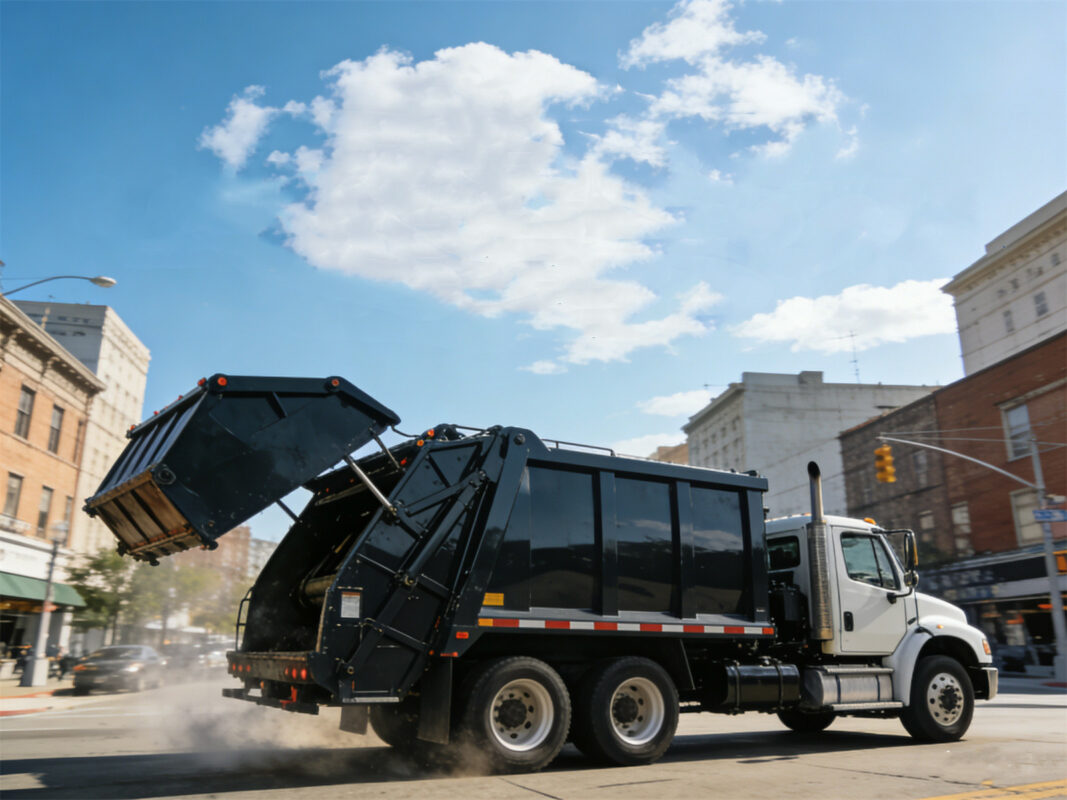
In the relentless rhythm of urban sanitation, few components endure as much raw punishment as the tailgate body of a rear loader garbage truck. This massive hinged door serves as the critical interface between the collection crew and the truck’s compaction heart – sealing the load, containing debris, and withstanding thousands of forceful compaction cycles. Its reliability isn’t merely a matter of convenience; it directly impacts operational efficiency, safety, environmental compliance, and the bottom line. When a tailgate fails, the entire truck grinds to a halt, creating cascading delays, potential hazards from spillage, and costly repairs. Understanding the factors governing its dependability reveals a complex interplay of engineering, operational practices, and relentless physical stress.
Anatomy of the Beast: Core Components and Their Critical Roles
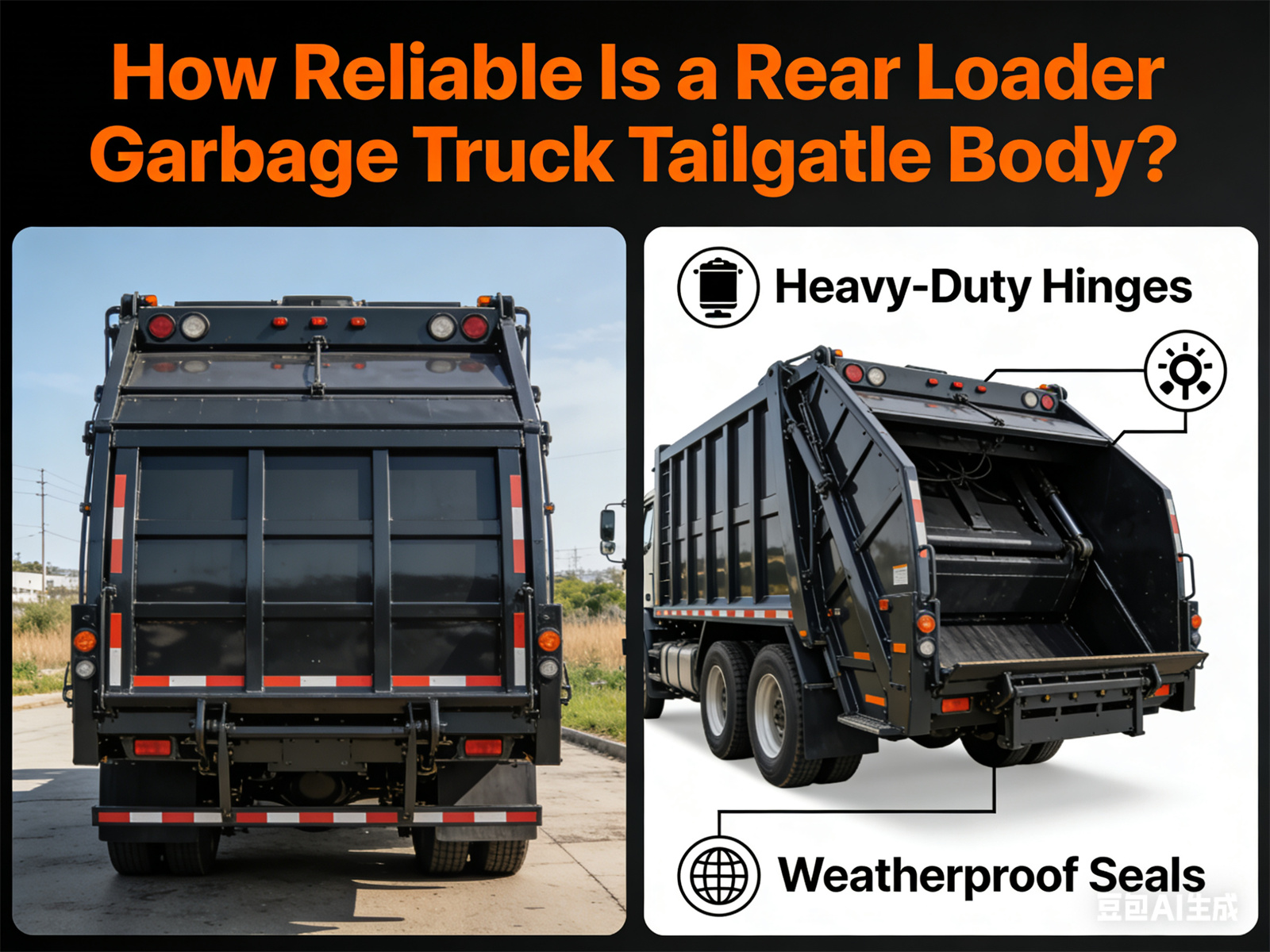
The tailgate body is far more than a simple swinging door; it’s an integrated system where each element’s performance is interdependent:
Structural Shell: Fabricated from ultra-high-strength Hardox® steel or advanced high-tensile steel alloys, the main body forms the primary barrier against compaction forces and impact loads; its resilience depends on precise engineering, optimal gauge thickness, and strategic reinforcement at stress points like hinge mounts and packer blade contact zones.
Packer Blade Interface & Sealing System: The precise mating surface where the powerful packer blade repeatedly rams waste into the body must maintain a near-perfect seal; durable polyurethane or rubber seals compressed along the top and sides prevent leakage, while hardened steel wear plates or replaceable liners protect the tailgate edge from direct blade abrasion during each cycle.
Hinge Mechanism & Pivot Points: Massive forged steel hinges and hardened pivot pins bear the entire weight of the loaded tailgate; constant opening/closing cycles combined with chassis flex and uneven terrain induce immense shear and bending stresses, demanding oversized bearings, hardened bushings, and meticulous lubrication protocols to prevent premature wear or catastrophic failure.
Locking System: Heavy-duty hydraulic cylinders paired with robust mechanical latches or rotating lock bars secure the tailgate firmly closed during compaction and transit; failure here risks door blowout under pressure, a critical safety hazard requiring redundant sensing systems (pressure switches, position sensors) to confirm secure closure before compaction initiates.
Control & Safety Systems: Integrated limit switches, pressure sensors, and control valves orchestrate the synchronized dance of lifting, closing, locking, and compaction; electrical connections and hydraulic lines routed through the tailgate are vulnerable to vibration fatigue, moisture ingress, and physical damage from debris or impacts.
The Daily Gauntlet: Operational Stresses Driving Wear and Failure
The tailgate body exists in an environment of extreme mechanical abuse:
Compaction Force Onslaught: Every compaction cycle subjects the tailgate shell and seals to tons of pressure from the packer blade, translating into cyclic fatigue stress that can initiate micro-cracks in the metal, compress seals beyond recovery, and deform mounting points over thousands of cycles per truck per year.
Impact and Overload: Collisions with dumpsters, accidental loading of prohibited items (construction debris, appliances), and operator error during dumping inflict sudden impact damage to panels, hinges, and the locking mechanism; exceeding rated payload capacity strains the entire structure and pivot points exponentially.
Corrosion Warfare: Exposure to leachate – the highly corrosive acidic stew created by decomposing waste – attacks paint, seals, wiring, and unprotected steel surfaces; road salts, cleaning chemicals, and constant moisture accelerate rust, particularly at weld seams and crevices.
Vibration & Chassis Flex: Continuous operation on uneven roads transmits relentless vibration through the frame to the tailgate hinges and mounts, loosening fasteners, fatiguing metal, and compromising electrical connections; chassis flexing during loading or on slopes adds torsional stress.
Operator Variables: Aggressive operation (slamming the tailgate shut, forcing compaction on visibly protruding loads) dramatically increases stress; conversely, careful operation respecting load limits and visible obstructions significantly extends component life.
Engineering Fortitude: Designing and Building for Longevity
Reliability is engineered in from the outset through material selection, design principles, and fabrication quality:
Material Science Selection: Utilizing abrasion-resistant steels (like Hardox 450-500) for high-wear areas significantly outperforms standard mild steel; critical load-bearing components employ forged steel for superior grain structure and strength; corrosion-prone areas benefit from galvanization, epoxy coatings, or strategic use of stainless steel.
Structural Design Optimization: Advanced Finite Element Analysis (FEA) simulates stress distribution under load, enabling engineers to reinforce high-stress zones without adding unnecessary weight; optimal ribbing patterns, strategic gusseting at hinge points, and balanced weight distribution are crucial outcomes of this process.
Sealing Technology: Multi-lip polyurethane seals with integrated wear strips offer superior resilience and longevity compared to basic rubber; precision-machined sealing surfaces ensure uniform compression; engineered drainage channels prevent water/debris pooling that accelerates corrosion.
Component Redundancy & Protection: Critical hydraulic lines housed within protective conduits; electrical connections using sealed, vibration-resistant connectors; hinge assemblies designed with replaceable wear bushings and oversized pins; access panels facilitating lubrication of pivot points.
Manufacturing Precision: Consistency is key; robotic welding ensures deep, consistent penetration and minimizes distortion; precise jigging guarantees correct hinge alignment and door-to-body fitment crucial for seal effectiveness and preventing uneven wear.
Maintenance: The Lifeline of Tailgate Reliability
Even the best-engineered tailgate succumbs rapidly without disciplined, proactive maintenance:
Scheduled Preventative Maintenance (PM): Adherence to strict OEM intervals for lubrication (greasing all hinges, pins, lock mechanisms), seal inspection/replacement, hydraulic system checks (fluid level, contamination, cylinder rod condition), fastener torque verification, and structural inspection for cracks or deformation.
Daily Operational Checks: Driver/crew pre-trip inspections focusing on: visible hydraulic leaks around cylinders, seal integrity (look for tears or excessive compression set), proper latch engagement, unusual noise during operation, warning lights, and cleanliness of sensor eyes.
Component-Specific Protocols: Scheduled replacement of seals before complete failure; periodic inspection and re-torquing of hinge bolts and frame mounts; flushing hydraulic systems per schedule to remove contaminants; cleaning debris from drainage channels and seal tracks; immediate repair of paint damage to prevent corrosion start.
Training & Documentation: Ensuring operators understand correct procedures for closing the tailgate (avoiding slamming), recognizing overload, spotting protruding loads, and reporting issues immediately; maintaining detailed service records to track wear patterns and predict failures.
Early detection of these common failure signs prevents catastrophic breakdowns:
Hydraulic System Failures: Slow tailgate operation, drifting down during compaction, inability to hold lock pressure (packer blade retracting during cycle), visible fluid leaks from cylinders or hoses – indicating seal blowout, internal cylinder wear, valve issues, or pump degradation.
Seal Degradation: Visible waste or leachate leakage around the tailgate perimeter during compaction or transit; torn, hardened, or flattened seals; increased debris accumulation along the seal track – leading to mess, odor, regulatory fines, and accelerated corrosion.
Structural Compromise: Visible cracks appearing near hinge mounts, along weld seams, or at corners; deformation/bowing of the tailgate shell impacting seal contact; excessive play or grinding noises in hinge points – signaling underlying metal fatigue or overload damage.
Locking Mechanism Malfunctions: Tailgate failing to latch securely (audible clunking during compaction attempt), lock bars not fully engaging, warning lights indicating “gate not closed” despite visual closure – a critical safety risk demanding immediate attention.
Corrosion Progression: Rust blistering paint, especially at seams, around fasteners, or along the bottom edge; thinning metal; compromised electrical connections – weakening structural integrity and damaging components.
Operational Impact: When the Tailgate Falters
The repercussions of an unreliable tailgate body ripple through waste collection operations:
Costly Downtime: Repairs often require specialized welding/fabrication and can sideline a garbage truck for days or even weeks, disrupting routes and requiring expensive backup resources or overtime for other crews.
Safety Hazards: A compromised locking system risks catastrophic tailgate blowout under compaction pressure, ejecting debris at high velocity; leaking leachate creates slippery surfaces and exposure risks for crew and the public.
Environmental & Compliance Issues: Significant spillage from failed seals or structural breaches violates environmental regulations, attracts pests, and creates public health concerns, leading to potential fines and reputational damage.
Increased Operating Costs: Beyond repair bills, unreliable tailgates lead to higher fuel consumption (running extra trips), wasted labor hours, premature component replacement, and potentially higher insurance premiums.
Fleet Management Burden: Unpredictable failures complicate scheduling, strain budgets, and force premature asset replacement planning for managers overseeing compactor garbage truck fleets.
Innovation Horizon: Building Tomorrow’s Durable Tailgate
Advancements aim to enhance reliability, reduce maintenance, and extend service life:
Smart Monitoring Systems: Integrated strain gauges on critical structural points; hydraulic pressure sensors tracking lock cylinder force; temperature sensors on bearings; corrosion probes – all feeding data to telematics for predictive maintenance alerts.
Advanced Materials & Coatings: Wider adoption of thermoplastic composite panels for lighter weight and inherent corrosion resistance; next-generation nano-ceramic coatings offering unparalleled abrasion and chemical resistance on steel; improved self-lubricating bearing composites.
Enhanced Seal Designs:Multi-chamber seals with integrated wear indicators; quick-change seal cartridge systems minimizing downtime; new elastomer formulations resistant to extreme temperatures and modern chemical waste streams.
Redesigned Hinge & Lock Mechanisms:Sealed-for-life lubrication systems eliminating manual greasing points; modular hinge assemblies enabling rapid replacement without major cutting/welding; electro-mechanical locking with redundant sensors for absolute closure verification.
Improved Diagnostics & Serviceability:Augmented reality (AR) manuals guiding technicians through complex repairs; standardized plug-and-play hydraulic/electrical modules reducing troubleshooting time; enhanced FEA-driven design for optimized life cycle performance.
The relentless duty cycle of municipal sanitation demands tailgate bodies built to endure years of compression, impact, and corrosion. While inherent engineering strength forms the foundation, true reliability emerges from the synergy of robust design, disciplined operator practices, and unwavering adherence to preventative maintenance. When these pillars align, the rear loader’s tailgate transcends being merely a component; it becomes a dependable cornerstone of the waste stream, ensuring the CSCTRUCK Municipal fleet operates efficiently, safely, and without interruption, day after demanding day, keeping our communities clean regardless of the unforgiving loads it encounters.