Understanding the Purpose of a Combined Sweeper Jetter Truck Body
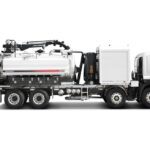
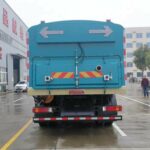
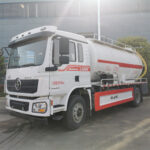
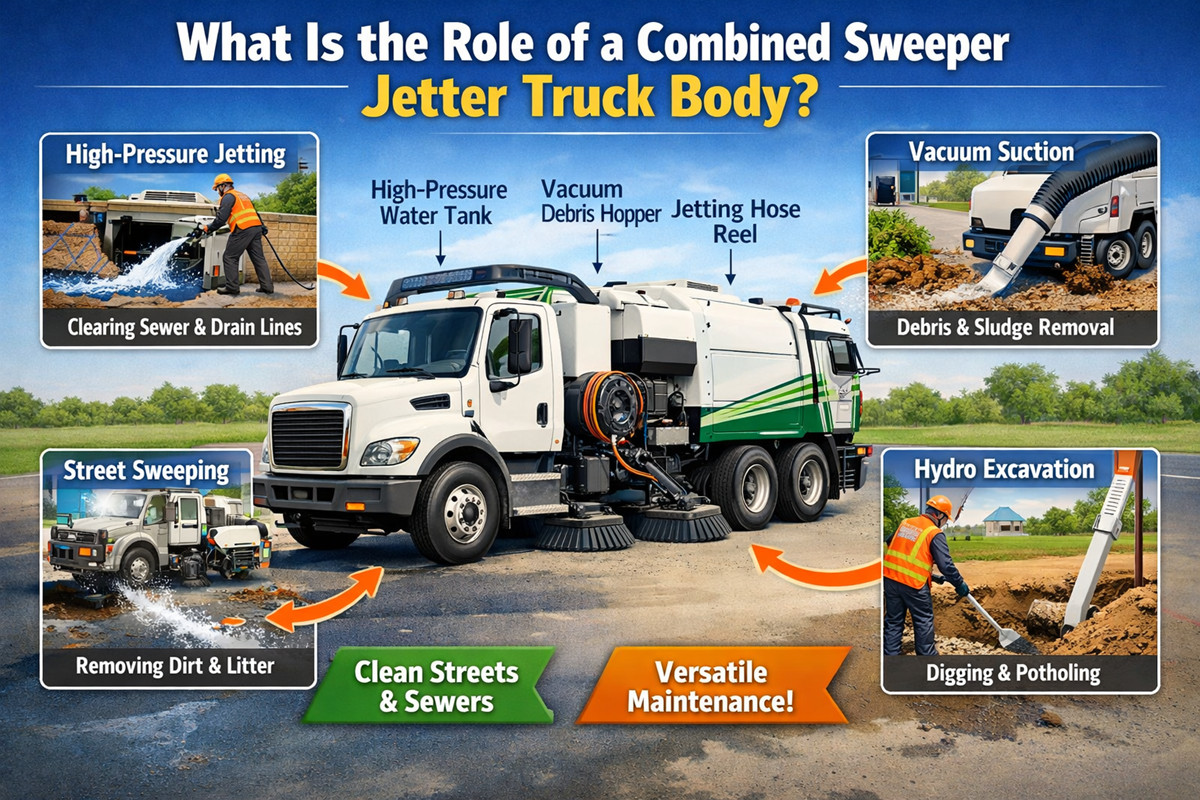
In modern municipal sanitation systems, efficiency is no longer defined by how many vehicles a city owns, but by how intelligently each vehicle performs multiple tasks, and this is where the combined sweeper jetter truck body plays a critical role. Designed to integrate road sweeping and high-pressure jetting into a single operational platform, this specialized truck body allows municipalities to clean streets, gutters, and drainage systems in one coordinated workflow, reducing downtime, labor overlap, and operational costs. Rather than treating surface debris and underground blockages as separate problems, the combined body addresses them as connected elements of urban cleanliness.
How Sweeping and Jetting Functions Work Together
The defining value of a combined sweeper jetter truck body lies in the way its systems interact, allowing surface cleaning and subsurface flushing to support each other rather than operate independently.
Integrated Sweeping System
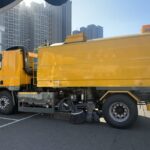
The sweeping component uses rotating brushes, suction nozzles, and debris collection chambers to remove dust, sand, leaves, and light waste from road surfaces and curbs. By clearing surface debris first, the truck prevents loose material from being washed into storm drains during jetting operations, which helps reduce the risk of downstream blockages.
High-Pressure Jetting System
The jetting system delivers pressurized water through specialized hoses and nozzles, flushing sediment, grease, and compacted waste from drainage channels and pipelines. When paired with sweeping, jetting becomes more effective, as surface contaminants have already been removed, allowing water pressure to focus on embedded or concealed obstructions.
Structural Design of the Combined Truck Body
The body design of a combined sweeper jetter truck is engineered to support multiple systems without compromising balance, durability, or operational safety.
Tank Compartment Configuration
Separate tanks for clean water and collected debris are strategically positioned to maintain proper weight distribution, even as tank levels change during operation. This balance ensures vehicle stability during both sweeping and jetting tasks, particularly when operating on uneven road surfaces or sloped streets.
Material Selection and Reinforcement
High-strength steel and corrosion-resistant coatings are commonly used in body construction to withstand constant exposure to water, abrasive debris, and chemical runoff. Reinforced mounting points support heavy equipment such as pumps, blowers, and hose reels, extending service life under demanding conditions.
Operational Advantages for Municipal Fleets
From a fleet management perspective, the combined sweeper jetter truck body offers clear operational advantages that extend beyond basic cleaning performance.
Reduced Fleet Size and Labor Requirements
By consolidating two essential functions into one vehicle, municipalities can reduce the number of specialized trucks required in daily operations. This consolidation lowers fuel consumption, maintenance costs, and staffing needs, while simplifying scheduling and route planning.
Improved Response to Urban Cleaning Challenges
In situations involving sudden debris accumulation, flooding, or blocked drainage systems, a combined unit allows crews to respond immediately without waiting for additional equipment. This rapid response capability is especially valuable in densely populated areas where delays can lead to safety hazards or infrastructure damage.
Environmental and Public Health Impact
The role of the combined sweeper jetter truck body extends into environmental protection and public health by supporting cleaner streets and more efficient water management.
Dust and Pollution Control
Effective sweeping reduces airborne dust and particulate matter, improving air quality in urban environments. When combined with controlled jetting, the system minimizes runoff pollution by directing debris into sealed collection systems rather than allowing contaminants to spread.
Prevention of Drainage Blockages
Regular jetting prevents sediment buildup in storm drains and sewer lines, reducing the likelihood of flooding and wastewater overflow. This proactive maintenance approach supports healthier living conditions and protects surrounding ecosystems.
A Key Component in Integrated Urban Sanitation Systems
The combined sweeper jetter truck body represents a strategic shift toward integrated sanitation solutions, where multiple cleaning functions are aligned within a single operational platform. Its ability to handle surface debris and subsurface blockages in one pass makes it an essential asset for cities seeking long-term efficiency and resilience. When deployed alongside complementary vehicles such as the sewage truck and sweeper truck, this combined system forms a cohesive sanitation network that supports cleaner streets, protected drainage infrastructure, and more sustainable urban environments through thoughtful engineering and practical design.