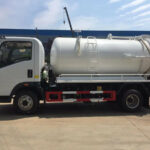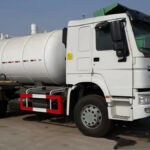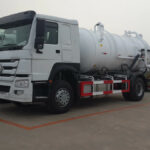
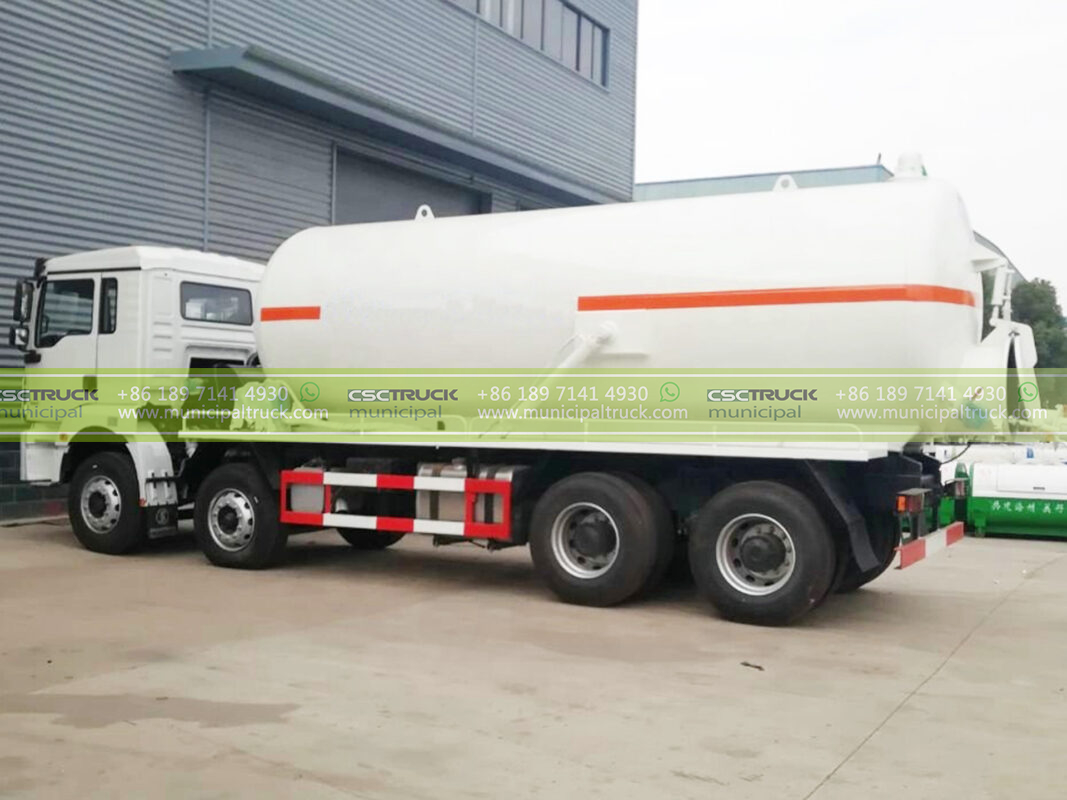
The efficient and reliable collection and transport of sludge – that dense, often highly abrasive, and frequently corrosive mixture of solids and liquids from wastewater treatment plants, industrial processes, or dredging operations – is a critical function in modern sanitation and environmental management. At the heart of this operation lies the sludge collector truck, and its most vital component is undoubtedly the tank body. Choosing the right material for this tank is not a mere procurement decision; it’s a fundamental investment in the vehicle’s longevity, operational efficiency, safety, and total cost of ownership. The harsh realities of sludge demand a material that can withstand a relentless assault. This blog post delves into the primary contenders for sludge truck tank construction, weighing their strengths and weaknesses against the demanding operational environment.
I. The Unforgiving Operating Environment: Why Material Choice Matters
Before dissecting material options, it’s crucial to understand the extreme conditions a sludge tank endures. Sludge is rarely benign. Its composition varies wildly but often includes:
- Abrasive Solids: Grit, sand, rocks, and other inorganic materials scour and wear away surfaces.
- Corrosive Agents: Hydrogen sulfide (H2S), acids, alkalis, chlorides, and other chemicals present in industrial waste or formed during biological decomposition aggressively attack metals.
- High Viscosity & Density: Sludge is thick and heavy, imposing significant structural loads, especially during pumping and transport. It can also be challenging to fully empty, leading to residue buildup.
- Temperature Fluctuations: Sludge temperature can vary, and external environmental conditions add thermal stress.
- Mechanical Stress: The tank experiences constant vibration during transport, hydraulic pressure during loading/unloading, and potential impacts.
Failure points in an inadequate tank material manifest as leaks (environmental hazard, loss of material), structural failure (safety risk), excessive maintenance downtime, and premature, costly replacement. The ideal material forms a robust barrier against this multifaceted assault.
II. Stainless Steel: The Corrosion-Resistant Workhorse
Stainless steel remains the most prevalent and trusted material for demanding sludge applications, particularly where corrosion is the primary concern. Its popularity stems from inherent properties tailored to combat sludge’s harshest elements.
- Superior Corrosion Resistance: The defining characteristic. The chromium content (typically 10.5% or higher) forms a passive, self-repairing oxide layer that protects against oxidation and many chemical attacks, crucial for resisting H2S and chlorides. Grades like 316L (with added Molybdenum) offer enhanced resistance to pitting and crevice corrosion in chloride environments common in wastewater.
- High Strength and Structural Integrity: Stainless steel provides excellent tensile and yield strength, allowing for robust tank designs capable of handling the high internal pressures of dense sludge, vacuum forces during loading, and road vibrations without significant deformation or fatigue failure. This inherent strength often allows for slightly thinner walls compared to some alternatives, partially offsetting weight concerns.
- Durability and Long Service Life: When properly selected and maintained, stainless steel tanks offer exceptional longevity, often exceeding 15-20 years even in severe service. This translates to a lower lifetime cost despite a higher initial investment.
- Hygienic Surface: The smooth, non-porous surface resists material buildup, facilitates easier and more effective cleaning, and minimizes bacterial growth, which is important for certain applications.
- Recyclability: Stainless steel is 100% recyclable, aligning with sustainability goals.
Challenges of Stainless Steel:
- Higher Initial Cost: The raw material cost and specialized welding/fabrication requirements make stainless steel tanks significantly more expensive upfront than carbon steel or aluminum.
- Weight: While strong, stainless steel is denser than aluminum or composites, contributing to a higher tare weight. This reduces payload capacity compared to lighter materials, impacting operational efficiency (more trips needed) and fuel consumption.
- Abrasion Resistance: While corrosion-resistant, certain grades can be susceptible to abrasive wear from grit and sand in the sludge, potentially requiring wear plates in high-impact zones like the tank bottom or near suction inlets.
- Sensitivity to Improper Fabrication: Welding must be performed meticulously using appropriate techniques and filler metals to preserve corrosion resistance in the heat-affected zones. Poor fabrication can create localized points of vulnerability.
III. Aluminum Alloys: The Lightweight Contender
Aluminum offers a compelling alternative, primarily driven by the critical advantage of weight reduction. This makes it a strong candidate where maximizing payload capacity is paramount.
- Significant Weight Savings: Aluminum alloys are approximately one-third the density of steel. This dramatic reduction in tare weight directly translates to increased payload capacity for the same gross vehicle weight (GVW) rating. More sludge can be hauled per trip, improving operational efficiency and potentially reducing the number of trips required.
- Good Corrosion Resistance: Aluminum naturally forms a protective oxide layer, providing inherent resistance to atmospheric corrosion and certain chemicals. It performs well in many environments where carbon steel would rapidly corrode. Specific alloys (like 5000 and 6000 series) are commonly used for their weldability and marine-grade corrosion resistance.
- Ease of Fabrication: Aluminum is generally easier to cut, form, and weld than stainless steel, potentially reducing manufacturing complexity and cost in some aspects.
- Recyclability: Aluminum is highly recyclable with significant energy savings compared to primary production.
Challenges of Aluminum Alloys:
- Lower Strength and Durability Concerns: Aluminum has lower tensile and yield strength compared to stainless steel. Tanks require more substantial structural reinforcement (frames, ribs, thicker sections) to achieve comparable rigidity and withstand the same operational stresses (sludge pressure, vacuum, vibration). This added structure partially negates the weight savings and increases manufacturing complexity. It is also more susceptible to denting and gouging from impacts or abrasive particles.
- Galvanic Corrosion Risk: When aluminum comes into contact with dissimilar metals (like steel fasteners or components) in the presence of an electrolyte (like sludge or road salt), it becomes the anode and corrodes rapidly. Meticulous isolation (gaskets, coatings) is essential.
- Abrasion Sensitivity: Aluminum is softer than steel and can be highly vulnerable to abrasive wear from grit and sand in sludge, necessitating protective liners or wear plates in critical areas, adding cost and weight.
- Chemical Attack Limitations: While resistant to many corrosives, aluminum can be attacked by strong acids and alkalis, which may be present in some industrial sludges. It is particularly vulnerable to alkaline solutions above pH 9-10. The oxide layer can also be compromised by high concentrations of chlorides.
- Higher Cost than Carbon Steel: Though often cheaper than stainless upfront, aluminum is still more expensive than basic carbon steel (though carbon steel is generally unsuitable for sludge without heavy, maintenance-prone linings).
IV. Composite Materials: The Emerging Challenger
Composite materials, primarily Fiber Reinforced Polymers (FRP) like glass fiber (GRP) or carbon fiber reinforced plastics, represent a technologically advanced solution gaining traction in specialized applications. These materials are engineered by combining strong fibers with a polymer resin matrix.
- Exceptional Corrosion Resistance: Composites are inherently immune to electrochemical corrosion (rust) and offer outstanding resistance to a vast array of chemicals, including strong acids, alkalis, solvents, and H2S, making them ideal for highly aggressive or unpredictable sludge streams where metals might fail.
- Lightweight Construction: Composites can offer significant weight savings comparable to or even exceeding aluminum, while potentially providing greater strength-to-weight ratios in specific orientations. This boosts payload capacity.
- Design Flexibility & Integration: The molding process allows for complex, seamless shapes, integrated baffles, fittings, and mounting points, reducing potential leak paths and improving structural efficiency. Smooth internal surfaces promote better flow and easier cleaning.
- Reduced Maintenance: The corrosion immunity eliminates a major maintenance driver associated with metal tanks (painting, patching, corrosion inspections). They are also non-conductive and thermally insulating.
- Abrasion Resistance Options: While the resin surface can be susceptible, specific resin systems (like polyurethane or vinyl ester) and surface treatments (gel coats, veils) or added ceramic/mineral fillers can significantly enhance abrasion resistance tailored to the application.
Challenges of Composite Materials:
- High Initial Investment: The tooling costs for molds and the labor-intensive layup or molding processes make FRP tanks the most expensive option upfront.
- Impact Damage Vulnerability: While strong under tension, composites can be brittle and susceptible to cracking or delamination from sharp impacts (e.g., dropped tools, rocks). Repair requires specialized skills and materials.
- Temperature Limitations: The polymer matrix dictates the maximum service temperature. Prolonged exposure to high temperatures (often above 120-180°C depending on the resin) can lead to softening, loss of strength, or distortion. Thermal cycling can also cause stress.
- UV Degradation: Unless properly protected with UV-resistant gel coats or paints, exposure to sunlight can degrade the resin matrix over time, leading to surface chalking and potential loss of properties.
- Long-Term Performance Data: While proven in many applications, the extremely long-term (20+ year) performance history of composites in the demanding, full-scale sludge collector truck environment is less extensive than that of stainless steel, leading to some conservatism in adoption. Permeation can be a concern with certain chemicals over very long periods.
- Repair Complexity: Field repairs for significant damage are more complex than welding metal and require specialized composite technicians to ensure structural integrity and maintain corrosion resistance.
V. Selecting the Optimal Material: A Practical Framework
There is no universal “best” material for every sludge truck tank. The optimal choice hinges on a careful analysis of specific operational parameters and cost considerations over the vehicle’s entire lifespan:
- Sludge Composition Analysis: This is paramount. What are the primary corrosive elements (H2S, pH, chlorides, specific acids/alkalis)? What is the abrasive content (grit, sand concentration)? Are there solvents, oils, or unusual chemicals present? Understanding the chemical and physical assault defines the required material resistance.
- Operational Demands & Duty Cycle: How frequently is the truck used? What are the typical load weights and densities? What are the loading/unloading pressures and vacuum levels? Is the truck operating in extreme climates? High-intensity operations demand maximum durability.
- Payload Requirements vs. Vehicle Constraints: What is the legal GVW limit? How critical is maximizing payload? If weight is a major constraint (e.g., reaching GVW limits quickly with heavy sludge), aluminum or composites become more attractive despite higher costs. If payload is less critical, stainless steel’s durability may dominate.
- Total Cost of Ownership (TCO) Analysis: Look beyond the initial purchase price. Factor in:
- Expected Service Life: Stainless often lasts longest. How many years do you need?
- Maintenance Costs: Metal tanks require corrosion monitoring, potential patching/repainting; composites have minimal corrosion maintenance but potential repair costs for impact damage. Downtime costs are significant.
- Fuel Consumption: Lighter tanks (Al, Composites) save fuel over the vehicle’s life.
- Resale Value: Durable, well-maintained stainless tanks often retain higher residual value.
- Replacement Cost: A cheaper tank that fails prematurely is far more expensive long-term.
- Manufacturer Expertise & Warranty: Regardless of material, the quality of design, engineering, and fabrication is critical. Choose a manufacturer with proven expertise in your chosen material and a strong warranty that reflects confidence in their product’s performance in sludge applications.
Making the Informed Choice
For highly corrosive, unpredictable, or chemically aggressive sludges, stainless steel (316L) remains the gold standard, offering unmatched durability and proven long-term performance despite its weight and cost. Aluminum alloys excel where maximizing payload is the absolute priority and the sludge is known to be less corrosive and less abrasive, accepting the need for potential wear protection and careful management of galvanic corrosion risks. Composite materials (FRP) shine in niche applications involving the most severe chemical corrosion, where weight savings are crucial, and the higher initial investment and impact sensitivity can be managed. They represent the cutting edge but require careful application engineering.
The decision shapes the efficiency, reliability, and cost-effectiveness of your sludge handling operations for years to come. Consult with experienced tank manufacturers, provide detailed sludge analysis, and rigorously evaluate the TCO. The right material ensures your sludge collector truck – whether deployed for municipal wastewater, industrial processing, or specialized dredging – performs its vital, often unseen, role reliably and economically, day after demanding day. This same rigorous material evaluation process is equally critical for other specialized waste vehicles, ensuring the longevity and effectiveness of sewage trucks handling raw sewage and sweeper trucks managing abrasive street debris.