What Powers a Fence Sweeper Truck Rotating Brush Body?
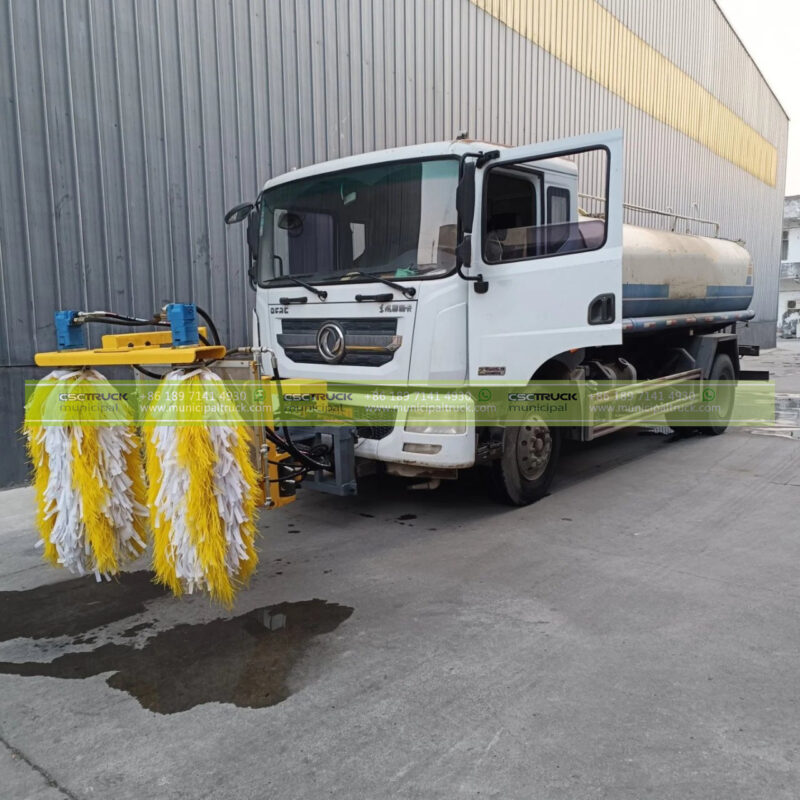
The rhythmic whir and the satisfyingly clean swath left behind by a fence sweeper truck are testaments to a complex interplay of mechanical power and precision engineering. While the sweeping action appears deceptively simple, the rotating brush body – the very heart of the machine’s cleaning capability – demands a sophisticated and robust power delivery system. This system must generate immense torque to spin heavy, densely bristled brushes at high speeds, overcome significant friction from varied debris, and maintain consistent performance across diverse terrains and weather conditions. Understanding the intricate mechanisms that bring this critical component to life reveals the engineering marvel dedicated to maintaining the pristine boundaries of our infrastructure, from highways and industrial sites to sensitive airport perimeters.
The Hydraulic Powerhouse: Generating Immense Torque
The sheer force required to rotate large-diameter, debris-laden brushes necessitates a system capable of delivering immense, controllable torque. Hydraulic power is the unequivocal solution for this demanding application.
High-Pressure Pump & Prime Mover: At the system’s core lies a high-capacity, high-pressure hydraulic pump, typically driven directly by the sweeper truck’s main engine via a robust Power Take-Off (PTO) unit. This PTO efficiently transfers a portion of the engine’s mechanical power to drive the hydraulic pump. Engineered to operate reliably at pressures often exceeding 3,000 PSI, this pump converts mechanical energy into potent hydraulic fluid power. The system’s design pressure incorporates a significant safety margin above operational needs, ensuring consistent performance under peak loads like wet, matted grass or dense gravel accumulation against fencing.
Fluid Delivery & Control: Specialized hydraulic fluid, formulated for high-temperature stability, anti-wear properties, and resistance to foaming, circulates under pressure through a network of heavy-duty hoses and manifolds. Directional control valves, precisely actuated by the operator from the cab, govern the flow of this pressurized fluid to the hydraulic motors driving the brushes. These valves enable critical functions: starting and stopping rotation, reversing direction (essential for clearing jams or specific cleaning patterns), and often controlling rotational speed. Flow control valves fine-tune the volume of fluid reaching the motors, directly dictating the rotational speed of the brush.
Reservoir, Conditioning & Cooling: A generously sized reservoir stores the hydraulic fluid, allowing for thermal expansion and providing a reserve for system demands. Given the substantial heat generated by transmitting high power levels – especially during heavy sweeping – an efficient oil cooler (commonly air-to-oil or integrated with the engine cooling system) is indispensable. Multi-stage filtration, including high-pressure and return-line filters, continuously removes contaminants like fine metal particles from component wear or ingested dust, safeguarding sensitive valves and motors from premature failure and maintaining system efficiency.
Hydraulic Motors: Converting Fluid Power to Rotational Force
Mounted directly on the brush body assembly, hydraulic motors are the crucial transducers, transforming hydraulic energy into the powerful mechanical rotation of the brush core.
High-Torque Design: These are not standard motors; they are specifically engineered low-speed, high-torque (LSHT) hydraulic motors. Unlike high-speed motors requiring gear reduction, LSHT motors generate massive twisting force directly at the output shaft, perfectly matching the requirement to spin a large, inertia-heavy brush laden with debris against resistance. Common types include robust gerotor or geroller designs, renowned for their torque density, durability, and smooth operation at low speeds.
Direct Drive & Mounting: The hydraulic motor is typically directly coupled to the brush core shaft via heavy-duty couplings or flanges. This direct-drive configuration eliminates the complexity, potential points of failure, and power losses associated with chains, belts, or gearboxes, maximizing power transfer efficiency and reliability. The motor housing is securely mounted to the brush body’s structural frame, designed to absorb significant reaction torque and vibration.
Torque Management & Protection: The system incorporates inherent torque control. The hydraulic pressure supplied to the motor is directly proportional to the torque it produces. If the brush encounters an immovable obstruction, system pressure will rise rapidly. Pressure relief valves act as critical safeguards, diverting fluid flow if pressure exceeds safe limits, preventing catastrophic damage to the motor, shaft, or driveline components. This hydraulic “give” provides a vital safety buffer compared to rigid mechanical drives.
The Brush Body Assembly: Structure and Power Transmission
The rotating brush body is more than just the brush itself; it’s an integrated structural and mechanical system housing the drive components and supporting the brush under operational loads.
Robust Core Shaft & Bearings: At the center lies a heavy-duty core shaft, usually constructed from high-strength, hardened steel. This shaft transmits the full torque from the hydraulic motor to the brush. It rotates within massive, sealed bearings specifically chosen for their radial load capacity (supporting the weight of the brush and debris) and ability to withstand axial thrust loads generated during sweeping. These bearings are often housed in rugged, easily serviceable pillow blocks bolted to the main frame.
Structural Frame & Enclosure: The entire assembly is built upon a rigid structural frame, typically fabricated from welded steel plate or box sections. This frame provides the necessary strength and rigidity to support the motor, bearings, brush core, and the significant operational forces encountered during sweeping. It also often incorporates protective shrouding or enclosures to shield the motor and bearings from direct impact by debris and environmental elements like rain, dust, and road splash.
Brush Mounting & Drive Interface: The brush itself, consisting of a steel core with densely packed bristle blocks, is securely keyed or bolted onto the core shaft. The interface between the shaft and brush core is engineered for maximum torque transmission without slippage, often utilizing splines, keyways, or high-tension bolted flanges. This ensures all the motor’s power is effectively transferred to the bristles.
Brush Design & Composition: The Cutting Edge of Contact
The physical interface with the ground and fence line is defined by the brush itself, whose design significantly impacts power requirements and cleaning effectiveness.
Bristle Material & Configuration: Bristles are crafted from wear-resistant materials like polypropylene, nylon, or specialized steel wire (often for heavy industrial use or embedded debris). Stiffness, length, diameter, and density are carefully calibrated. Stiffer, denser bristles provide more aggressive scrubbing but demand higher drive torque. The bristles are typically mounted in segmented blocks or strips bolted to the core, allowing for easy replacement of worn sections without replacing the entire brush. Angled mounting can enhance debris pickup and ejection.
Core Construction & Balance: The brush core, usually a steel tube, must be robust enough to resist bending under load and transmit torque without deformation. Precision dynamic balancing of the fully assembled brush is critical. An unbalanced brush rotating at high speeds creates destructive vibration, leading to accelerated bearing and motor failure, structural fatigue, and an uncomfortable ride for the operator. Balancing ensures smooth, efficient operation and longevity.
Diameter, Width & Speed: Brush diameter influences both cleaning reach and the torque required – larger diameters need higher torque for the same rotational speed. Brush width determines the cleaning swath per pass. Operational rotational speed (RPM) is a key parameter controlled hydraulically; higher speeds increase centrifugal force for debris ejection but also increase power consumption, wear, and potential for debris scattering.
Control Systems: Operator Command and System Management
The sophisticated power delivery demands precise and intuitive control from the operator’s station.
Cab Controls & Ergonomics: The operator uses dedicated levers, switches, or touchscreen interfaces within the cab to command the brush functions. Primary controls include On/Off, Rotational Speed adjustment (via flow control), and Direction (Forward/Reverse). Controls are positioned ergonomically, allowing the operator to manage brush operation seamlessly while simultaneously driving the truck and monitoring sweeping effectiveness.
Pressure & Load Monitoring: Advanced systems provide the operator with real-time feedback, often through gauges or digital displays. Monitoring hydraulic pressure at the brush motor(s) is particularly valuable. A sudden pressure spike indicates excessive load, potentially signaling a jam, overly aggressive contact, or encountering an obstruction, prompting the operator to adjust technique or investigate.
Safety Interlocks & Automation: Modern sweepers incorporate safety interlocks. For example, the brush drive may be prevented from engaging unless the brush is lowered to a specific position, or automatically disengage if the truck exceeds a certain road speed. Some systems offer semi-automated modes, maintaining a preset brush speed regardless of load fluctuations for consistent cleaning.
Material Handling & Debris Management: Power Beyond Rotation
While rotation is primary, the brush body system also contributes to the critical task of moving collected debris.
Debris Pickup & Centrifugal Force: The high-speed rotation of the bristles physically dislodges dirt, gravel, grass, and litter from the pavement and fence line. Centrifugal force, generated by the rotation, then flings this debris upwards and rearwards into the path of the conveyor system or directly into the hopper, depending on the sweeper design. The angle and stiffness of the bristles significantly influence this ejection trajectory.
Overcoming Adhesion & Matting: Wet leaves, mud, or long grass can adhere to the brush, causing matting that significantly increases load and reduces efficiency. Hydraulic systems with ample torque reserves can often power through moderate matting. Reversing brush direction is a common manual technique to clear such buildups. Some brush designs incorporate features to minimize material retention.
Integration with Conveyor/Air Systems: The effectiveness of the brush body is intrinsically linked to the sweeper’s debris collection system. The ejected material must be efficiently captured, typically by a mechanical conveyor belt or via powerful vacuum air systems (common on airport sweeper truck units for fine FOD – Foreign Object Debris). The brush rotation speed and debris trajectory must be harmonized with the conveyor speed or air suction flow for optimal hopper loading without spillage.
Maintenance Imperatives: Sustaining Rotational Power
The high stresses and exposure to abrasive debris demand rigorous maintenance to ensure reliable brush rotation.
Hydraulic System Care: Regular hydraulic fluid analysis and scheduled changes are paramount. Contaminated or degraded fluid is the primary cause of pump and motor failure. Inspecting hoses and fittings for leaks, abrasion, or damage prevents sudden pressure loss. Maintaining clean filters and ensuring the cooler functions effectively are non-negotiable for system longevity.
Brush & Bearing Inspection: Frequent visual inspection of the bristles for excessive wear, breakage, or embedded wires/objects is essential. Worn bristles drastically reduce cleaning efficiency. Checking bearings for play, noise, or heat indicates potential failure. Regular greasing of bearing points according to the manufacturer’s schedule is critical. Inspecting the core shaft for straightness and the mounting hardware for tightness prevents catastrophic failures.
Structural Integrity & Alignment: Periodically inspecting the brush body frame, motor mounts, and bearing housings for cracks, loose bolts, or deformation caused by impacts is vital. Ensuring proper alignment between the hydraulic motor output shaft and the brush core shaft is crucial; misalignment causes rapid wear on couplings, bearings, and seals, leading to vibration and premature failure.
Variations for Specific Environments: Tailoring the Power
The core principles remain, but brush body power systems are adapted for specialized tasks.
Airport Sweeper Truck Requirements:Airport sweeper trucks demand exceptionally high levels of reliability and FOD removal efficiency. Brush systems are often designed for gentler contact with sensitive tarmac surfaces while still effectively lifting fine debris. Hydraulic systems prioritize smooth, consistent operation and may feature enhanced filtration and redundancy. Debris containment is critical to prevent scattering near aircraft. Brush materials are chosen to minimize sparking risk near fuel.
Industrial & Construction Site Demands: Sweepers operating in rugged industrial or construction environments face larger, heavier debris like rocks, chunks of concrete, and metal fragments. Brush bodies are built with heavier-duty frames, shafts, and bearings. Brushes often incorporate more robust, potentially steel-reinforced bristles. Hydraulic systems are sized with higher torque reserves and feature enhanced protection against impact damage and contamination. Reversing capability is frequently utilized to clear jams from large objects.
Engineering Innovation: Pushing the Boundaries of Brush Performance
Continuous refinement drives improvements in power, efficiency, and durability for the rotating brush body.
Efficiency Gains: Development focuses on high-efficiency hydraulic pumps and motors that deliver the same power with reduced energy consumption and heat generation. Load-sensing hydraulic systems dynamically adjust pump flow and pressure based on the actual resistance encountered by the brush, minimizing wasted energy during lighter cleaning tasks or when the brush is idling.
Materials & Durability: Research into advanced composite materials for brush cores and structural components aims to reduce weight without sacrificing strength. New bristle polymers offer enhanced wear resistance, reduced moisture absorption (preventing matting), and improved flexibility for better debris release. Advanced surface treatments for shafts and bearings increase resistance to abrasion and corrosion.
Smart Systems & Telematics: Integration of sensors directly on the brush body (monitoring vibration, temperature, torque) provides real-time health diagnostics. Telematics systems relay performance data and maintenance alerts to fleet managers, enabling predictive maintenance to prevent unexpected downtime. Automated control algorithms can optimize brush speed and pressure based on surface type and debris load, improving cleaning consistency and reducing operator workload.
The relentless rotation of the brush on a fence sweeper truck is a testament to a meticulously engineered power ecosystem. From the raw hydraulic force generated deep within the chassis to the precise application of torque at the bristle tips, every component plays a vital role in overcoming friction, inertia, and debris resistance. This complex orchestration of hydraulics, mechanics, and control systems transforms engine power into the focused cleaning action essential for maintaining safety and aesthetics along critical boundaries. Manufacturers dedicated to advancing this technology, such as CSCTRUCK Municipal, are at the forefront of developing next-generation solutions. Their innovations encompass more powerful yet efficient hydraulic drives, smarter control systems integrating IoT connectivity for real-time performance monitoring and predictive maintenance, and specialized brush body configurations tailored for the unique demands of road sweeper truck fleets on highways, airport sweeper truck units combating FOD on runways, and industrial sweepers tackling the harshest debris. This relentless pursuit of engineering excellence ensures that the humble rotating brush remains a sophisticated, reliable, and increasingly intelligent tool in the essential task of keeping our infrastructure clean and safe.