Understanding the Core Function of a Sewage Truck Tank Pump System
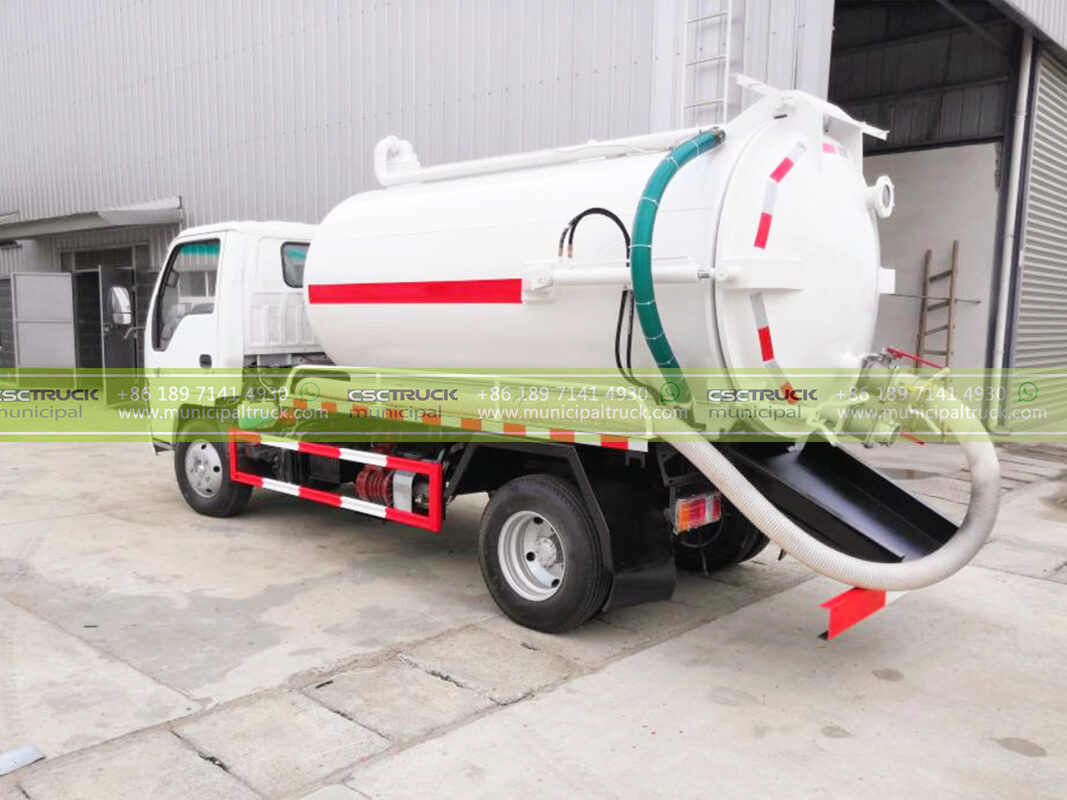
In a modern sewage truck tank system, the pump is not simply an accessory component but the mechanical heart that determines how efficiently liquid waste, sludge, and semi-solid materials can be collected, transported, and discharged under demanding field conditions. Unlike standard fluid transfer systems, sewage truck pumps must handle highly variable materials, ranging from water-like effluent to thick sludge containing debris, sediment, and organic matter, all while maintaining stable performance and preventing system contamination or damage. Because of these requirements, pump selection is a carefully engineered decision that balances suction power, durability, serviceability, and compatibility with the truck’s tank design and operating environment.
The pump’s primary role is to create negative pressure inside the sealed tank, allowing waste to be drawn in through hoses without the need for gravity-fed flow, which is rarely available in real-world sanitation scenarios. At the same time, the pump must support pressure discharge when emptying the tank at treatment facilities, making bidirectional airflow capability a critical factor. Understanding which pump types are used, and why they are selected, provides valuable insight into how sewage truck systems achieve reliability and safety during daily operations.
Vacuum Pumps as the Industry Standard
The most commonly used pump type in sewage truck tank systems is the vacuum pump, selected for its ability to move air rather than liquid, which allows it to indirectly move waste materials through pressure differentials.
Liquid Ring Vacuum Pumps
Liquid ring vacuum pumps are widely favored due to their robustness and tolerance for moisture, vapor, and small particulate contamination. These pumps operate by using a rotating impeller within a liquid-filled chamber, typically using water or oil as the sealing medium, which forms a rotating liquid ring that creates suction. Because sewage environments are inherently wet and unpredictable, liquid ring pumps perform reliably even when exposed to condensate or minor carryover, making them ideal for municipal and industrial sanitation tasks.
Oil-Sealed Rotary Vane Pumps
Another common option is the oil-sealed rotary vane pump, which generates vacuum by rotating vanes inside a cylindrical housing filled with lubricating oil. These pumps offer high vacuum efficiency and stable airflow, which can be advantageous for long-distance suction or deeper manholes. However, they require stricter maintenance routines and oil management to prevent contamination, which is why they are often selected for applications where operating conditions are more controlled.
Why Positive Displacement Matters in Sewage Operations
Vacuum pumps used in sewage trucks function as positive displacement devices, meaning they move a fixed volume of air per rotation, which provides predictable suction performance regardless of system resistance.
Consistent Suction Under Variable Loads
Because sewage characteristics can change rapidly from one job site to another, consistent suction is essential. Positive displacement vacuum pumps maintain airflow even when hoses are long, elevation changes are significant, or waste density increases, allowing operators to rely on steady intake without frequent adjustments.
Enhanced Control and Safety
This predictable performance also improves safety, as operators can better anticipate tank filling rates and avoid overfilling scenarios. Many sewage truck systems integrate pressure relief valves and vacuum limiters to work alongside the pump, ensuring that internal tank pressure remains within safe operating ranges.
Pump Integration with the Tank and Piping System
A pump’s effectiveness is closely tied to how well it is integrated into the overall tank system, including piping layout, valves, and filtration components.
Airflow Path Design
The pump is typically connected to the tank through reinforced piping that directs airflow efficiently while minimizing turbulence and pressure loss. Proper airflow design ensures that suction is evenly distributed across the tank, reducing the likelihood of localized stress or uneven filling.
Filtration and Moisture Separation
Before air reaches the pump, it usually passes through moisture traps and filters that remove liquid droplets and debris, protecting internal pump components from premature wear. These separators are essential in extending pump life and maintaining stable performance, especially in high-humidity or heavy-sludge environments.
Power Sources and Operational Control
The pump’s performance is also influenced by how it is powered and controlled within the vehicle system.
Power Take-Off Driven Pumps
Most sewage truck pumps are driven by a power take-off unit connected to the truck’s transmission, allowing the engine to provide consistent mechanical energy. This setup ensures that suction performance scales with engine speed, giving operators flexibility to adjust airflow based on task requirements.
Operator Interfaces and Monitoring
Control panels in the cab or at the rear of the truck allow operators to engage or disengage the pump, monitor vacuum levels, and respond quickly to abnormal conditions. Modern systems may include digital gauges or automated safety shutoffs that enhance operational reliability.
Choosing the Right Pump for Long-Term Performance
Selecting the appropriate pump type for a sewage truck tank system involves more than just suction capacity; it requires careful consideration of maintenance demands, environmental exposure, and expected duty cycles. Liquid ring and rotary vane vacuum pumps continue to dominate the industry because they strike a practical balance between durability and performance, ensuring that sanitation fleets can operate efficiently across diverse applications. When these pump systems are properly specified and maintained, they support not only the core function of the sewage truck but also integrate seamlessly into broader municipal service fleets that may include equipment such as the sweeper truck, contributing to cleaner, safer, and more sustainable urban infrastructure.