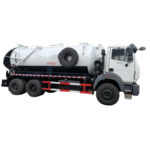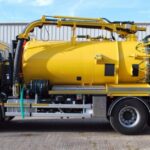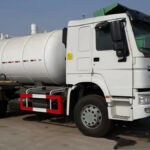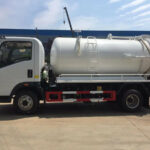
The Strategic Role of Sludge Collector Trucks in Modern Industrial Systems
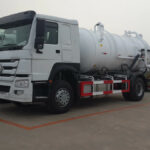
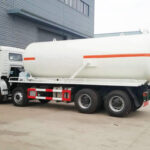
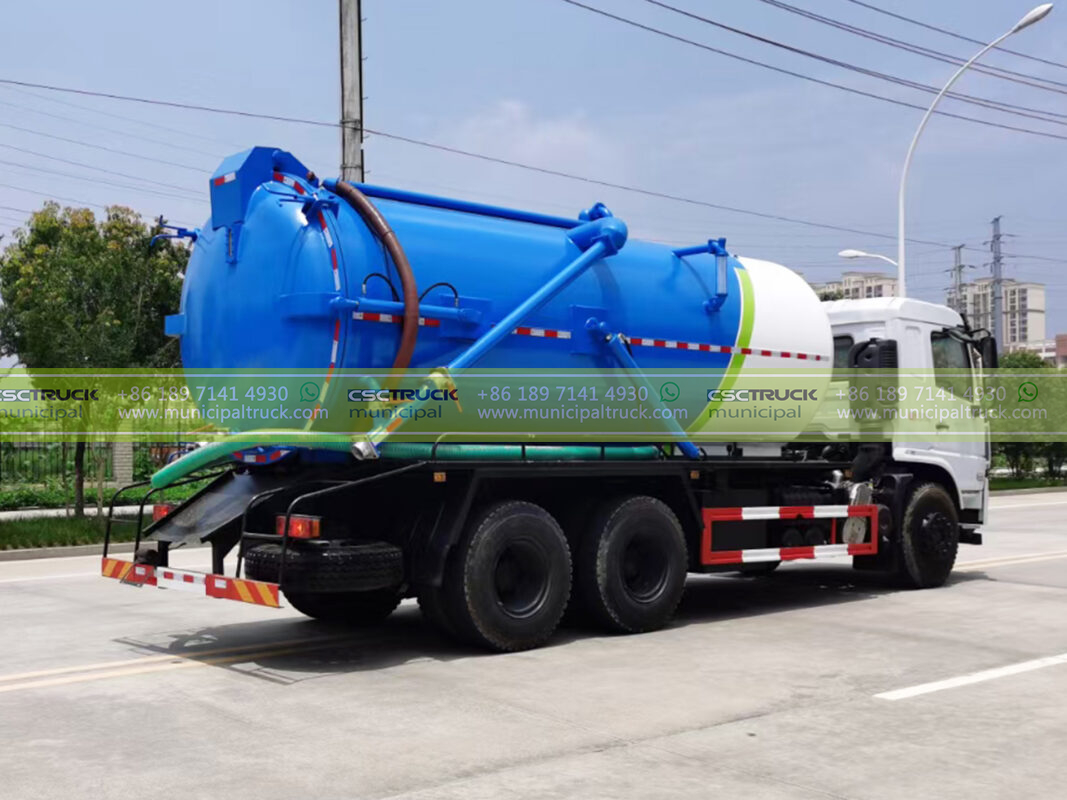
In industrial waste processing, where production efficiency, environmental compliance, and operational safety intersect every day, sludge collector trucks occupy a role that is far more critical than many outside the sector might realize, because these specialized vehicles are designed to manage by-products that cannot be handled by standard drainage systems or conventional waste transport methods. Industrial sludge, which may contain a mixture of liquids, solids, chemicals, oils, and biological matter, is generated across numerous sectors and must be removed, transported, and treated with precision in order to avoid equipment damage, environmental contamination, and regulatory penalties. Sludge collector trucks function as mobile processing units, enabling facilities to maintain uninterrupted operations while ensuring that waste streams are managed responsibly and efficiently.
What distinguishes these trucks from general-purpose vacuum vehicles is their ability to operate reliably in harsh environments, handle high-density materials, and interface seamlessly with industrial infrastructure, such as tanks, pits, separators, and treatment units. As industries grow more complex and regulations more stringent, the demand for purpose-built sludge collection solutions continues to rise, reinforcing the importance of understanding where and why these trucks are indispensable.
Industrial Facilities Where Sludge Collection Is Non-Negotiable
Certain industrial environments generate sludge as an unavoidable by-product of their core processes, making dedicated collection systems essential rather than optional.
Manufacturing and Heavy Industry Plants
Steel mills, metal fabrication plants, and machinery manufacturing facilities often produce sludge composed of cooling fluids, metal shavings, lubricants, and sediment, all of which accumulate in sumps and trenches that require regular cleaning. Sludge collector trucks allow maintenance teams to remove this material efficiently without dismantling equipment or shutting down production lines, thereby preserving operational continuity while meeting safety standards.
Chemical and Petrochemical Processing Sites
In chemical plants and refineries, sludge may contain hazardous compounds, emulsified oils, and reactive residues that demand controlled handling. These environments rely on sludge collector trucks equipped with sealed tanks, corrosion-resistant materials, and advanced filtration systems to prevent leaks and exposure. The ability to safely transport sludge from processing units to treatment or disposal facilities is a foundational requirement for regulatory compliance in these sectors.
Wastewater Treatment and Environmental Infrastructure
Beyond industrial production sites, sludge collector trucks are deeply embedded in the infrastructure that supports environmental protection and public health.
Industrial Wastewater Treatment Plants
Many industrial operations pre-treat wastewater on-site before releasing it to municipal systems, resulting in concentrated sludge that must be removed regularly. Sludge collector trucks serve as the link between treatment tanks and downstream disposal or recycling processes, enabling facilities to manage solids without overloading stationary systems.
Environmental Remediation Projects
During soil and groundwater remediation efforts, contaminated sludge and slurry are often generated when pollutants are extracted or neutralized. Sludge collector trucks provide the mobility and containment required to move these materials safely, supporting cleanup operations in sensitive environments where spillage or cross-contamination would be unacceptable.
Operational Advantages That Drive Industrial Adoption
The widespread use of sludge collector trucks in industrial waste processing is driven by a combination of technical advantages and operational flexibility.
High-Capacity and High-Durability Design
Industrial sludge is rarely uniform, and its abrasive or corrosive nature places significant stress on equipment. Sludge collector trucks are built with reinforced tanks, heavy-duty pumps, and wear-resistant components that can withstand prolonged exposure to harsh materials, ensuring long service life and consistent performance.
Mobility and Rapid Response Capability
Unlike fixed waste handling systems, sludge collector trucks can be deployed wherever they are needed, whether for routine maintenance or emergency response. This mobility allows industrial operators to address blockages, overflows, or unexpected waste accumulation quickly, minimizing downtime and reducing the risk of environmental incidents.
Compliance, Safety, and Environmental Responsibility
In an era of heightened regulatory scrutiny, sludge collector trucks play a crucial role in helping industries meet their legal and ethical obligations.
Supporting Regulatory Compliance
Environmental regulations often specify how industrial sludge must be handled, transported, and disposed of, with strict penalties for non-compliance. By using specialized sludge collector trucks that meet these requirements, companies can demonstrate due diligence and maintain transparent waste management practices.
Enhancing Worker Safety
Manual sludge removal poses significant risks, including exposure to hazardous substances and confined-space hazards. Sludge collector trucks reduce the need for direct human contact with waste materials, improving workplace safety and aligning with modern occupational health standards.
Integration Within Broader Municipal and Industrial Fleets
The importance of sludge collector trucks becomes even more evident when viewed as part of a larger waste management ecosystem that spans both industrial and municipal services. In many regions, these trucks operate alongside equipment such as the sewage truck, which handles liquid waste from sanitation networks, and the sweeper truck, which maintains surface cleanliness in industrial zones and surrounding infrastructure. Together, these specialized vehicles form a coordinated system that supports sustainable industrial growth, protects environmental resources, and ensures that complex waste streams are managed efficiently from source to treatment, reflecting a holistic approach to modern waste processing that continues to evolve as industrial demands increase.