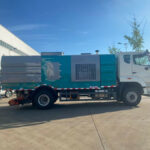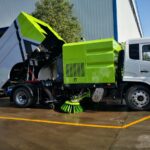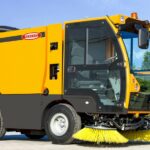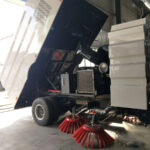
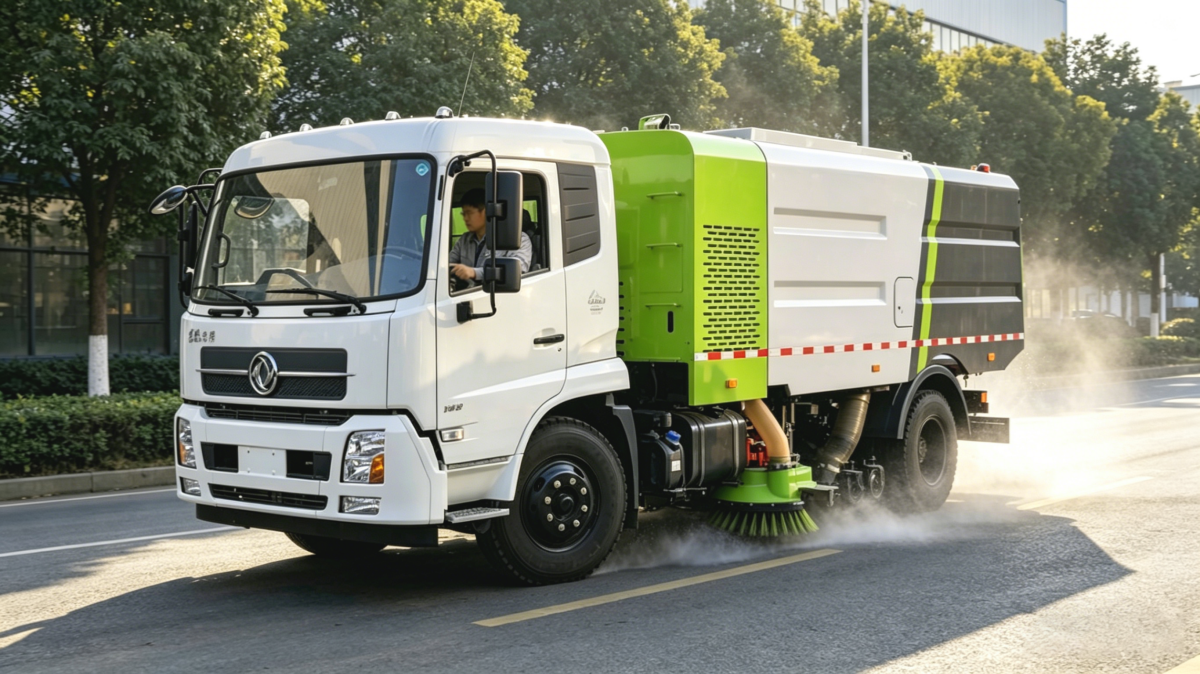
Street sweeper trucks work hard every day, often under harsh conditions. They pick up everything from fine dust and fallen leaves to gravel, cigarette butts, and fast‑food wrappers. But a sweeper that starts the day clean and powerful can quickly lose performance if routine maintenance is neglected. Three areas demand more attention than any others: brush wear, filter clogging, and debris tank emptying cycles. Getting these right keeps your sweeper productive, extends component life, and prevents costly breakdowns.
1. Brush Wear: The First Line of Cleaning
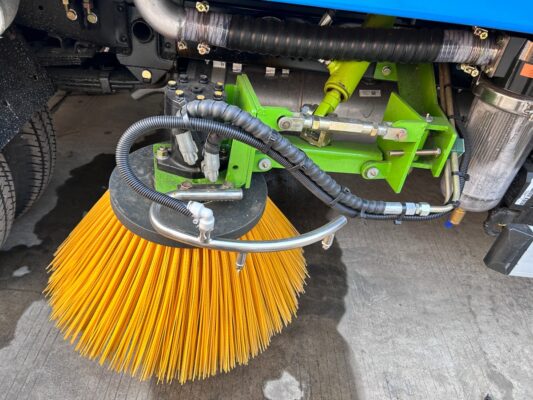
The brushes—whether side brooms or the main gutter broom—are the only parts of the sweeper that physically contact the pavement. They are designed to be worn, but uneven or excessive wear degrades cleaning quality and damages the brush drive system.
What to Check Daily
- Brush bristle length. When bristles become too short, they lose contact with the road surface, leaving behind a thin layer of debris. Operators should perform a quick visual check before each shift.
- Wear patterns. Uneven wear—more bristle loss on one side than the other—indicates incorrect brush angle, pressure, or suspension alignment. This not only reduces cleaning width but also stresses the brush motor and mounting hardware.
- Foreign objects. Wrapped wire, string, or plastic film can entangle the brush hub, causing imbalance and accelerated wear. Remove any debris wrapped around the brush shaft at the end of each shift.
Best Practices
- Adjust brush pressure according to road conditions. Excessive pressure wears bristles faster and damages pavement markings.
- Rotate or replace brushes as a set when they reach the wear limit indicator (usually a colored layer or a marked line on the bristle pack).
- Keep spare brushes in the maintenance shop so replacements are ready when needed. A sweeper with worn brushes cannot do its job properly, no matter how powerful the suction system is.
2. Filter Clogging: Protecting the Suction System
Street sweepers rely on a high‑efficiency filtration system to separate fine dust from the air stream before the air is exhausted back into the atmosphere. A clogged filter is the fastest route to lost suction power, increased fuel consumption, and premature component failure.
Why Filters Clog
- Fine, dry dust (cement dust, pollen, soil particles) packs tightly into filter pleats.
- Moist or sticky debris (wet leaves, mud, oil‑soaked dust) cakes onto filter surfaces.
- Overfilling the debris tank allows material to be pulled back into the filter housing.
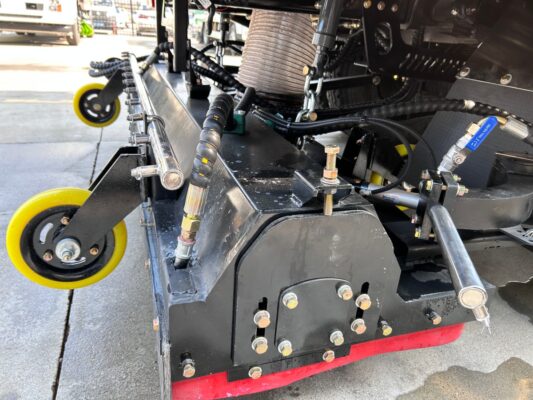
Daily Filter Care
- Check the filter restriction gauge (if equipped) or monitor suction performance. A noticeable drop in pickup efficiency often means the filter needs cleaning.
- Use the onboard filter shaker or pulse‑jet cleaning system at the end of every shift—or more often when working in extremely dusty conditions. This dislodges accumulated dust before it hardens.
- Inspect filter seals and gaskets. A small leak here allows unfiltered dust to enter the clean air side, rapidly damaging the blower or vacuum fan.
When to Clean vs. Replace
- Most pleated paper or polyester filters can be cleaned many times using compressed air (from the clean side outward) or gentle washing according to the manufacturer’s instructions.
- Replace filters when cleaning no longer restores suction, when you see visible tears or holes, or when the filter media feels stiff and brittle.
A well‑maintained filter not only keeps the sweeper working at peak suction but also protects the engine and hydraulic system from dust ingestion.
3. Debris Tank Emptying Cycles: More Than Just Dumping
The debris tank is where everything collected ends up. But simply emptying it when it looks full is not enough. The timing and method of emptying directly affect sweeper performance, legal compliance, and the environment.
Why Emptying Cycles Matter
- Overfilling reduces suction efficiency because the air path becomes restricted. It also increases the risk of debris spilling back onto the road during transport.
- Leaving wet material inside for long periods promotes corrosion, odor, and hardening of sludge, making future emptying difficult.
- Irregular emptying makes it hard to plan disposal logistics and can lead to fines if the sweeper exceeds legal weight limits on public roads.
Recommended Practices
- Empty the tank at the end of every shift, even if it is not completely full. This prevents material from drying and caking inside.
- Use the tank level indicator (visual sight glass, ultrasonic sensor, or weight‑based system) to avoid overfilling during operation.
- Perform a full dump including the hopper and any internal baffles. Stubborn material may require manual scraping or a water rinse at the disposal site.
- Keep a log of emptying frequency and tank condition. Changes in how quickly the tank fills can indicate brush wear, suction loss, or changes in street debris patterns.
Cleaning the Tank Interior
Periodically—weekly or monthly depending on use—wash the tank interior with a pressure washer or the sweeper’s own water system (if equipped). Remove accumulated sludge, especially around the suction inlet and dump door seals. A clean tank empties faster, smells less, and prevents corrosion that shortens the sweeper’s service life.
Putting It All Together: A Simple Daily Routine
A few minutes of preventive care each day saves hours of repair downtime. Here is a practical end‑of‑shift checklist for street sweeper operators:
1. Brushes – Inspect bristle length and wear pattern. Remove tangled debris. Adjust pressure if needed.
2. Filter – Activate the cleaning cycle. Check the restriction gauge. Inspect seals.
3. Debris Tank – Empty completely. Note any unusual buildup. Rinse if time allows.
4. Record – Log brush condition, filter status, and tank disposal location. Report any abnormalities to maintenance staff.
Conclusion
Brush wear, filter clogging, and debris tank emptying cycles are not glamorous topics, but they determine whether a street sweeper delivers consistent results or becomes a source of frustration. A sweeper with fresh brushes pulls debris into the suction path efficiently. A clean filter maintains full airflow and pickup power. A properly emptied tank prevents secondary problems and keeps the sweeper road‑legal.
For fleet managers and operators, making these three checks a daily habit is the lowest‑cost, highest‑impact maintenance you can perform. Your sweepers will last longer, clean better, and cost less to operate.
If you are looking to build a reliable street sweeper fleet or need replacement parts and expert advice on maintenance, contact us. CSCTRUCK municipal offers a full range of sweeper trucks and customized solutions to keep your municipal fleet running at its best.