The Galápagos Islands, renowned for their unique wildlife and delicate ecosystems, face ongoing challenges when it comes to solid waste management. As tourism and local populations grow, maintaining a clean environment has become increasingly important.
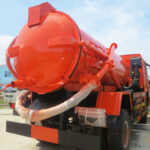
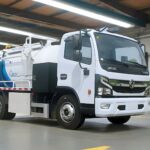
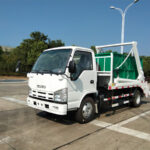
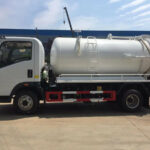
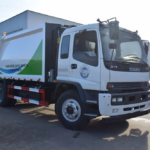
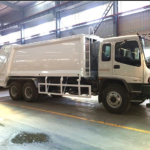
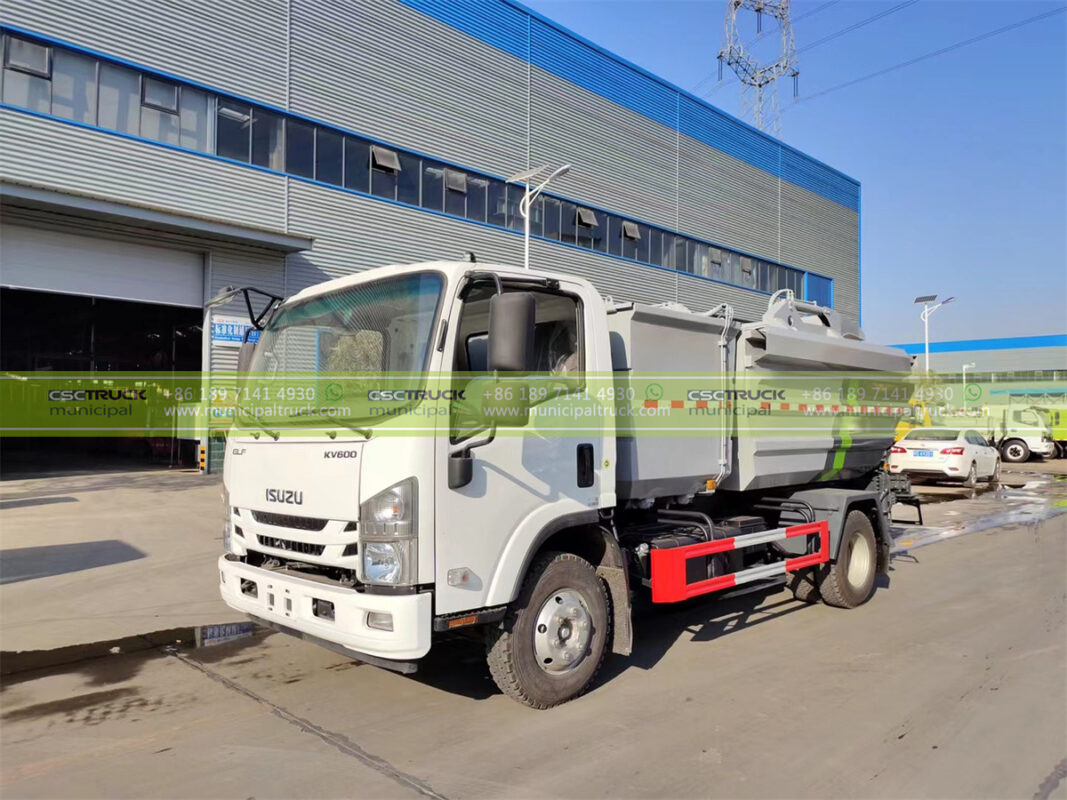
In response, Ecuador has recently introduced self-tipping garbage trucks across the islands to improve efficiency, reduce environmental impact, and modernize waste collection operations.
Why the Galápagos Islands Need Specialized Garbage Trucks
Managing waste in the Galápagos presents unique challenges:
- Remote locations: Transporting waste across islands requires vehicles capable of handling rough terrain and long distances.
- Fragile ecosystems: Any leakage or improper handling of waste could harm the islands’ sensitive habitats.
- Tourism pressure: Thousands of visitors generate significant amounts of solid waste, increasing demand on local infrastructure.
Self-tipping garbage trucks are ideal for these conditions because they combine mobility, speed, and safety, allowing crews to transport and unload waste efficiently while minimizing manual handling.
What Are Self-Tipping Garbage Trucks?
Self-tipping garbage trucks feature a hydraulic cargo bed that can automatically tilt to unload materials. Key benefits include:
- Faster unloading – reduces downtime during collection rounds.
- Reduced labor needs – operators no longer need to manually lift heavy waste containers.
- Versatile terrain handling – suitable for uneven island roads and landfill access.
- Safer operations – lowers the risk of injury during unloading.
These trucks allow waste to be moved directly to centralized treatment facilities or landfills without repeated manual intervention.
Impact on Environmental Management
Introducing self-tipping trucks contributes to:
- Increased collection efficiency – more trips per day keep public spaces cleaner.
- Reduced environmental risks – enclosed transport minimizes spills and litter.
- Support for recycling programs – faster collection facilitates better sorting and material recovery.
- Preparedness for high-demand periods – trucks can handle increased waste during tourist seasons or emergency situations.
Future Outlook
While specific deployment details are limited, Ecuador’s initiative reflects a broader global trend toward smart and sustainable waste management in remote or ecologically sensitive areas.
The introduction of self-tipping garbage trucks marks a significant step forward for the Galápagos Islands’ waste management system. These vehicles enhance operational efficiency, reduce manual handling, and help maintain the pristine environment of this unique ecosystem.
As technology and infrastructure evolve, specialized trucks like these are likely to become standard in sustainable waste management strategies for islands and remote regions worldwide.