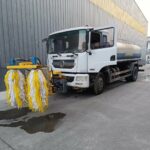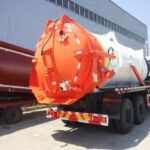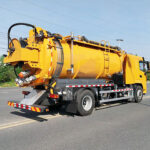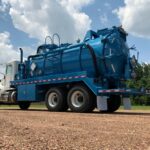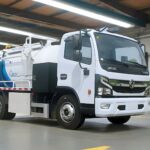
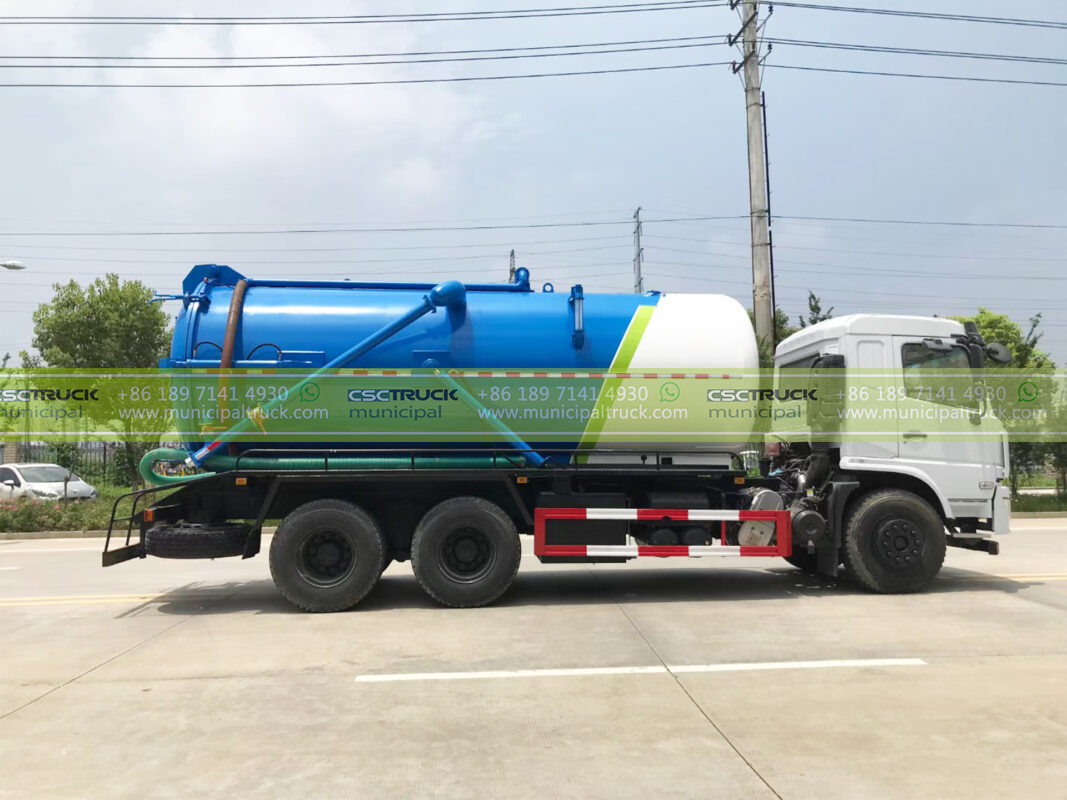
Beneath the bustling streets of our cities lies a complex, largely forgotten network that forms the very foundation of public health and environmental protection: the sanitary and storm sewer systems. Ensuring the uninterrupted flow within these critical arteries falls to an often-overlooked but technologically sophisticated class of equipment – the sewer cleaner truck. Far more than simple vacuum units, these robust, multi-functional vehicles are frontline defenders against blockages, structural deterioration, and catastrophic overflows. Combining immense hydraulic power with precision controls and advanced diagnostics, modern sewer cleaner trucks represent the indispensable core of proactive pipe maintenance programs, protecting communities from the significant public health hazards, environmental damage, and immense economic costs associated with failing underground infrastructure.
The Critical Imperative of Proactive Pipe Maintenance
Ignoring sewer system health is not an option. Aging infrastructure, combined with increasing inflow and infiltration (I&I), intrusive roots, grease accumulation (Fats, Oils, and Grease – FOG), sediment buildup, and the improper disposal of wipes and debris creates a constant battle against constriction and collapse. The consequences of neglect are severe:
- Sanitary Sewer Overflows (SSOs): Blockages or system failures lead to the discharge of raw, untreated sewage into streets, basements, rivers, and lakes. This poses immediate public health risks from pathogens like E. coli and parasites, triggers environmental degradation harming aquatic ecosystems, and results in substantial regulatory fines and costly remediation efforts under the Clean Water Act.
- Structural Failure: Persistent pressure from blockages, corrosive elements in wastewater, and ground shifting can cause pipes to crack, fracture, or collapse entirely. This necessitates massively disruptive and expensive emergency excavation and replacement, crippling traffic, damaging property, and costing municipalities or utilities millions.
- Reduced Hydraulic Capacity: Even partial blockages significantly diminish a pipe’s designed flow capacity. This increases the risk of surcharging during wet weather events, exacerbating SSOs and overwhelming treatment plants, while also accelerating wear and tear on pumping stations.
- Increased Infiltration and Inflow (I&I): Damaged pipes allow groundwater (infiltration) and stormwater (inflow) to enter the system. This unnecessarily burdens treatment plants with clean water, inflating operational costs for pumping and treatment, and reducing the system’s effective capacity for actual sewage.
Proactive maintenance using specialized sewer cleaner trucks is the most cost-effective strategy to mitigate these risks, extending asset lifespan by decades and preventing catastrophic failures.
Beyond the Vacuum Truck: The Specialized Nature of Sewer Cleaners
While often sharing a chassis platform and vacuum capabilities with their septic or industrial waste-handling counterparts, true sewer cleaner trucks are distinguished by their integrated high-pressure water jetting systems. This combination defines their core function: pipe cleaning and rehabilitation support. Key differentiators include:
- Integrated High-Pressure Jetting: The heart of the cleaning operation. Powered by robust pumps (often diesel-driven), these systems generate pressures ranging from 2,000 PSI for general cleaning to over 4,000 PSI for tackling hardened deposits or root masses. Flow rates are equally critical, typically exceeding 60-100 Gallons Per Minute (GPM) to effectively move dislodged debris downstream for vacuum recovery or towards access points.
- Advanced Hose and Nozzle Technology: High-pressure effluent is delivered through flexible, abrasion-resistant sewer jetter hoses, reinforced with steel wire or synthetic fibers. The effectiveness hinges on specialized jetter nozzles engineered for specific tasks: forward-cutting jets for breaking up blockages, rear-facing jets for propulsion and scouring pipe walls, rotary nozzles for cutting roots, and chain knocker nozzles for dislodging heavy debris. Nozzle design directly impacts cleaning efficiency and minimizes water consumption.
- Optimized Vacuum Systems: While secondary to jetting for primary cleaning, powerful vacuum systems are essential for debris removal. They efficiently extract the slurry of water, FOG, sediment, roots, and debris flushed out by jetting, particularly when cleaning catch basins, manholes, or lift station wet wells after pipe cleaning. Large debris bodies (3″-4″ diameter) are crucial.
- Hose Reel Configuration & Deployment: Efficient, safe hose handling is paramount. Trucks feature robust hose reels with powered rewind capabilities, often mounted on articulating booms or slide-out trays. Auto-feed systems precisely control hose deployment speed and tension, protecting the hose during insertion and retrieval, especially in deep or complex pipe runs.
Anatomy of a Modern Sewer Cleaner Truck: Power and Precision
A contemporary sewer cleaner truck is a marvel of integrated hydraulic and mechanical engineering:
- Chassis and Powertrain: Built on reliable, heavy-duty commercial truck chassis (e.g., Class 7 or 8) with sufficient Gross Vehicle Weight Rating (GVWR) to handle the loaded water tank, debris body, and powerful equipment. Powerful diesel engines drive both the truck and, via Power Take-Off (PTO) systems, the high-pressure pump and vacuum blower.
- Water Tank: Large-capacity tanks (often 1,500 to 3,000+ gallons) ensure sustained cleaning operations without frequent refilling. Materials include corrosion-resistant polypropylene or coated steel. Water heaters (capable of heating water to 180°F+) are increasingly common, dramatically improving the efficiency of dissolving FOG and greases.
- Debris Body: Constructed from high-strength steel or aluminum, designed to hold the slurry of water and solids vacuumed from the system. Baffled tanks improve stability during transport. Critical features include large clamshell or guillotine doors for efficient dumping and robust construction to withstand the abrasive nature of sewer debris.
- High-Pressure Pump & Plumbing: The core of the jetting system. Positive displacement triplex plunger pumps are standard, offering high pressure, high flow, and durability. Heavy-duty plumbing, valves, and pulsation dampeners ensure smooth, reliable operation under extreme pressures. Pressure gauges and controls are vital for operator safety and task optimization.
- Operator Control Station: Modern trucks feature ergonomic, often climate-controlled operator stations with intuitive controls (joysticks, touchscreens) for managing jetting pressure/flow, hose deployment/retrieval, vacuum functions, and auxiliary systems. Closed-circuit camera systems monitoring reel and hose path are increasingly common for safety.
- Safety Systems: Integral components include pressure relief valves on the jetting system, tank vacuum relief valves, hose burst protection systems (auto-shutoff), ground fault interrupters (GFI) for electrical components near water, and robust outriggers/stabilizers to secure the vehicle during operations.
Versatile Applications: The Core Missions of Sewer Cleaner Trucks
The operational scope of these trucks extends far beyond simple drain cleaning:
- Preventative Root and Debris Removal: Routine jetting effectively cuts intrusive roots and flushes out accumulated sediment, sand, grit, and debris before they form significant blockages. Regular FOG removal from grease interceptors and associated piping is essential for food service establishments and municipal collections.
- Emergency Blockage Clearing: Rapid response to severe backups causing SSOs or property flooding. High-pressure jetting is the fastest, least intrusive method to clear obstructions like solidified grease, rags, wipes (“rag balls”), collapsed pipe sections (partial), or sediment dams.
- Pipe Inspection Preparation (CCTV): Thorough internal cleaning is mandatory prior to deploying Closed-Circuit Television (CCTV) cameras for condition assessment. A clean pipe wall provides a clear view of defects like cracks, fractures, holes, joint separations, and corrosion, enabling accurate pipe condition scoring (e.g., PACP coding) and rehabilitation planning.
- Rehabilitation Support: Directly enabling trenchless repair methods. High-pressure jetting cleans pipes immediately prior to Cured-In-Place Pipe (CIPP) lining, pipe bursting, or spray-on linings. It ensures optimal adhesion and integrity of the new liner or coating. Jetting clears debris blocking lateral connections during rehabilitation.
- Catch Basin and Manhole Cleaning: Vacuum systems efficiently remove sediment, trash, and debris buildup from catch basins (critical for stormwater management) and manholes, maintaining access and flow capacity. Combination jet/vac units excel at cleaning sumps.
- Flood Response and Drainage Clearing: Crucial after major storms for clearing storm drains and culverts clogged with flood-borne debris, restoring drainage capacity quickly to mitigate property damage.
Advanced Operational Protocols: Safety, Efficiency, and Compliance
Operating sewer cleaner trucks demands rigorous procedures and skilled personnel:
- Comprehensive Site Assessment & Job Planning: Evaluating access points, pipe material/size/condition (if known), depth, suspected blockage type, and potential hazards (confined spaces, traffic, underground utilities via 811 Call Before You Dig). Selecting the appropriate nozzle, pressure, flow rate, and hose deployment method.
- Rigorous Confined Space Entry Procedures: Strict adherence to OSHA confined space regulations (29 CFR 1910.146) for manhole entry is non-negotiable. This mandates permits, atmospheric monitoring (O2, LEL, H2S, CO), ventilation, retrieval systems, and attendant supervision. Remote jetting from the surface is always preferred when possible.
- Traffic Control and Worksite Safety: Implementing effective temporary traffic control plans (following MUTCD standards) is critical for roadside operations. Proper signage, cones, barriers, and high-visibility apparel protect crews and the public. Stabilizing the truck securely on outriggers before operation.
- Precision Jetting Techniques: Operator training focuses on controlling nozzle speed (avoiding “water hammer” that can damage old pipes), utilizing the correct nozzle rotation and jet pattern for the obstruction, and managing hose tension to prevent kinking or whipping. Understanding the interaction between jetting pressure and flow rate is key.
- Environmental Protection & Spill Response: Utilizing washdown containment pads for truck cleaning, deploying inlet protection devices if working near storm drains, and having spill kits readily available to contain any accidental fuel, oil, or waste fluid releases.
- Documentation and Reporting: Detailed logs of cleaning activities, locations, footage cleaned, debris volumes removed, CCTV findings pre/post-cleaning, and any observed defects are vital for asset management, regulatory compliance, and future planning.
Innovation Driving Smarter Infrastructure Management
The sewer cleaning industry is embracing technology to enhance performance and data-driven decision-making:
- Integrated CCTV & Locating: Modern trucks increasingly feature onboard CCTV systems with push cameras or crawlers. Cleaned pipes can be inspected immediately, with sonde locating technology pinpointing defects geographically for accurate mapping and repair prioritization within GIS databases.
- Telematics and Fleet Management: GPS tracking, real-time diagnostics, and performance monitoring (engine hours, pump pressures, fuel consumption) transmitted via telematics platforms optimize routing, schedule maintenance proactively, manage fuel costs, ensure regulatory compliance (e.g., ELD), and improve fleet utilization.
- Variable Pressure/Frequency Jetting: Advanced control systems allowing operators to dynamically adjust jetting pressure and pulsation frequency on-the-fly, optimizing cleaning effectiveness for different pipe materials and blockage types while conserving water and reducing potential pipe damage.
- Enhanced Water Recycling Systems: Technologies to filter and reuse jetting water are gaining traction, significantly reducing water consumption and wastewater generation during extensive cleaning projects, particularly in water-scarce regions.
- Robotic Cutting and Clearing Tools: Development of robotic cutters deployed through the jetting hose or separately to mechanically cut through severe root intrusions or hardened debris masses that resist high-pressure water alone, minimizing the need for excavation.
The Tangible Value Proposition: Investing in Sewer System Health
The deployment of advanced sewer cleaner trucks transcends mere operational necessity; it represents a strategic investment with demonstrable returns for municipalities and utilities:
- Massive Cost Avoidance: Proactive cleaning and maintenance is exponentially cheaper than reactive emergency repairs for SSOs or collapsed pipes. Preventing just one major SSO can save hundreds of thousands in fines and cleanup costs. Extending pipe lifespan delays the colossal expense of full replacement.
- Enhanced Regulatory Compliance & Reduced Liability: Consistent maintenance programs are the bedrock of meeting NPDES permit requirements and avoiding EPA enforcement actions. Minimizing SSOs directly reduces legal liability and protects against costly lawsuits related to property damage or public health impacts.
- Optimized Treatment Plant Performance: Reducing I&I through system maintenance lowers the volume of water requiring conveyance and treatment. This reduces energy consumption at pumping stations and treatment facilities, delays the need for costly plant expansions, and improves overall process efficiency.
- Preserved Property Values & Community Well-being: Preventing sewage backups into homes and businesses protects property values and avoids traumatic experiences for residents. Maintaining clean waterways enhances recreational opportunities, supports tourism, and fosters community pride.
- Data-Driven Asset Management: The inspection data gathered during cleaning operations feeds critical asset management programs. Accurate condition assessment allows for prioritized, cost-effective rehabilitation and replacement strategies, maximizing the utility of limited infrastructure budgets.
- Increased System Resilience: A well-maintained sewer network is far more resilient to extreme weather events, population growth stresses, and the challenges of aging infrastructure, ensuring reliable service for decades.
Just as the sweeper truck maintains the visible cleanliness of our streets, the sewer truck – particularly the advanced sewer cleaner truck – performs the vital, unseen work of preserving the health and functionality of the critical subsurface infrastructure beneath them. For public works departments, municipal utilities, and private contractors dedicated to this essential service, access to reliable, cutting-edge equipment and expert support is paramount. Platforms like Municipaltruck.com serve as valuable resources, connecting infrastructure stewards with reputable dealers offering the latest in high-pressure combination sewer cleaners, robust vacuum loaders for debris removal, and comprehensive parts and service solutions, empowering them to meet the complex demands of modern sewer system stewardship effectively and efficiently.