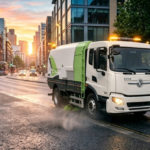
As cities continue to grow, efficient waste collection has become more important than ever. Choosing the right garbage compactor lorry is not simply a matter of selecting the largest vehicle or the lowest purchase price. The ideal refuse collection truck should match your city’s waste generation, road conditions, collection methods, environmental goals, and long-term operating budget.
A well-chosen compactor truck can reduce transportation costs, improve collection efficiency, lower labor requirements, and provide years of reliable service. Whether you are a municipality, sanitation contractor, or fleet operator, the following factors will help you make an informed purchasing decision.
Understand Your Waste Collection Requirements
The first step is to evaluate your daily waste collection needs. Different cities and communities produce different volumes and types of waste, so selecting the appropriate vehicle capacity is essential.
Consider the following questions:
- How much waste is collected each day?
- How many collection routes does each truck cover?
- Are you collecting household, commercial, or mixed waste?
- How far is the landfill or transfer station from the collection area?
Choosing a truck that is too small means more trips and higher operating costs. On the other hand, an oversized vehicle may be difficult to maneuver in urban streets and increase the initial investment unnecessarily.
As a general guideline:
- 3–6 CBM trucks are suitable for residential communities and small towns.
- 8–10 CBM models are ideal for medium-sized cities and suburban districts.
- 12–20 CBM vehicles are better suited for large municipalities with high daily waste volumes.
Matching vehicle capacity to actual collection demand helps maximize productivity while minimizing fuel or energy consumption.
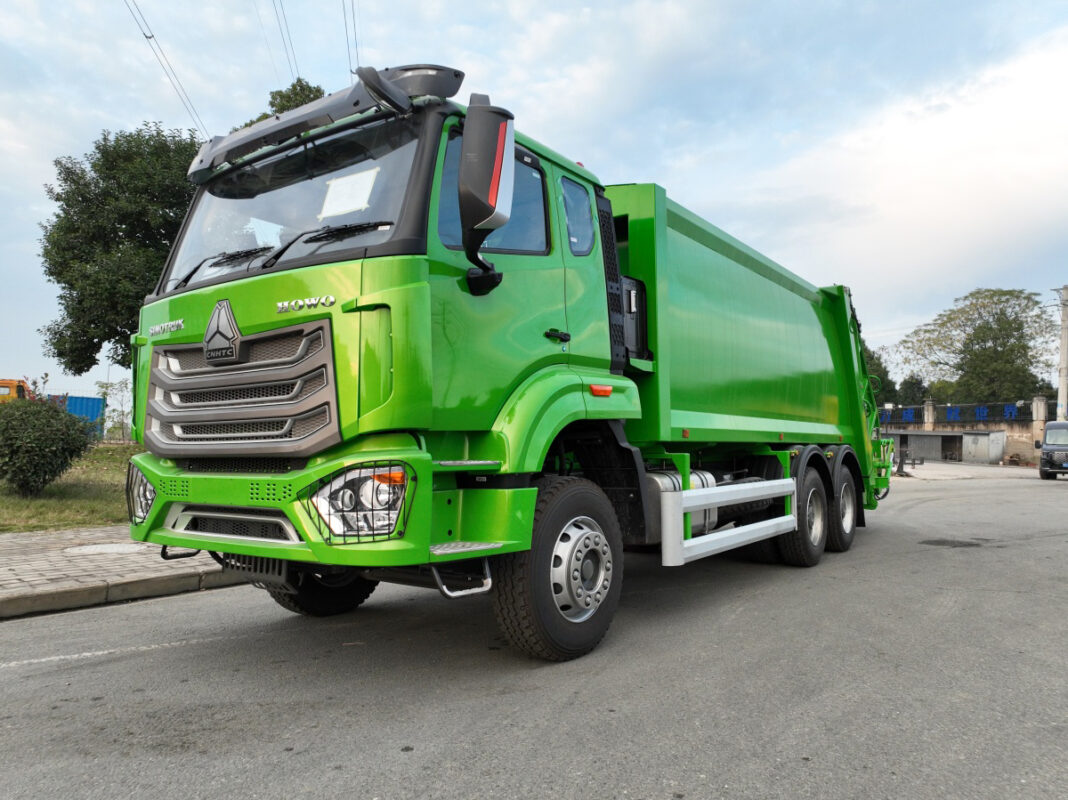
Consider Local Road Conditions
Road conditions directly influence the size and configuration of your garbage compactor lorry.
If your city has narrow streets, tight residential communities, or older urban districts, a compact truck with a shorter wheelbase will provide better maneuverability and reduce the risk of traffic disruption.
For wider roads and industrial areas, larger-capacity vehicles can transport more waste per trip and improve overall efficiency.
Other factors worth considering include:
- Road width
- Turning radius
- Bridge weight restrictions
- Steep slopes
- Traffic congestion
Selecting a truck that is designed for your operating environment improves safety, extends vehicle life, and increases collection efficiency.
Choose a Reliable Chassis
The chassis forms the foundation of the garbage compactor truck, affecting durability, driving comfort, and maintenance costs.
A high-quality chassis should provide:
- Excellent load-carrying capacity
- Reliable braking performance
- Stable suspension
- Comfortable driving experience
- Easy access to spare parts
Well-known chassis brands such as ISUZU, DONGFENG, FAW, FOTON, and SINOTRUK are widely used in municipal sanitation fleets because of their proven reliability and global service networks.
For cities planning to reduce emissions, electric chassis are becoming an increasingly attractive option due to their lower operating costs and quieter operation.
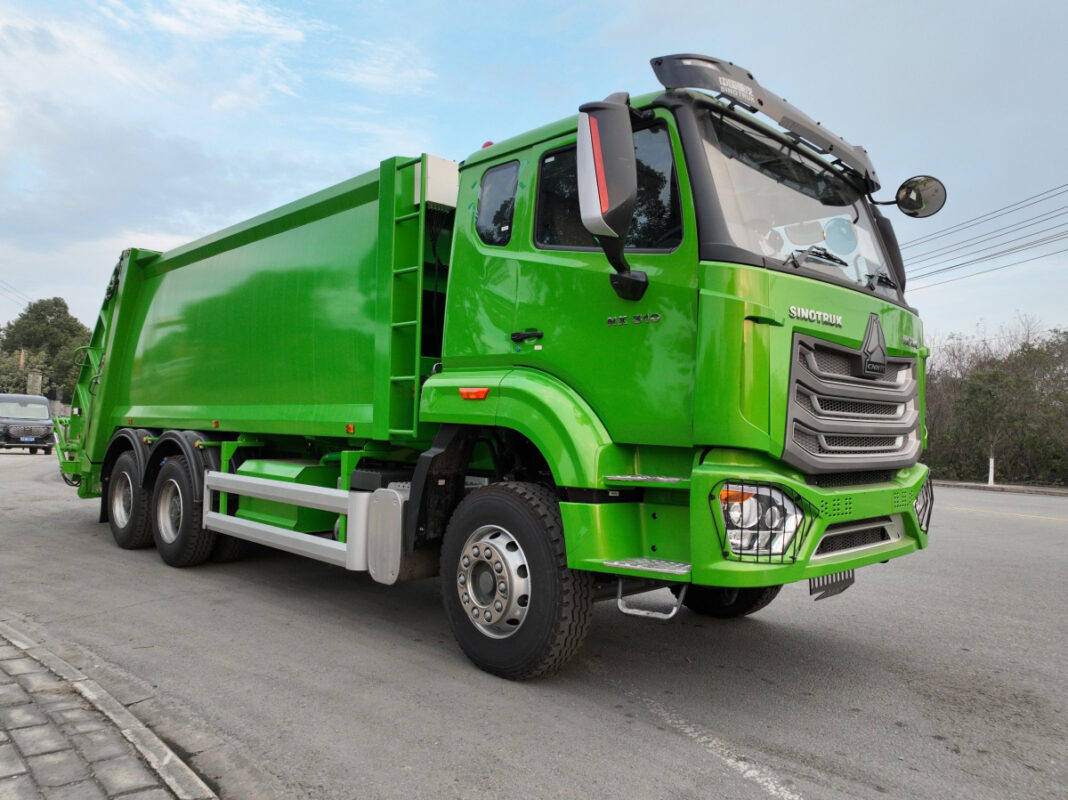
Evaluate the Compaction System
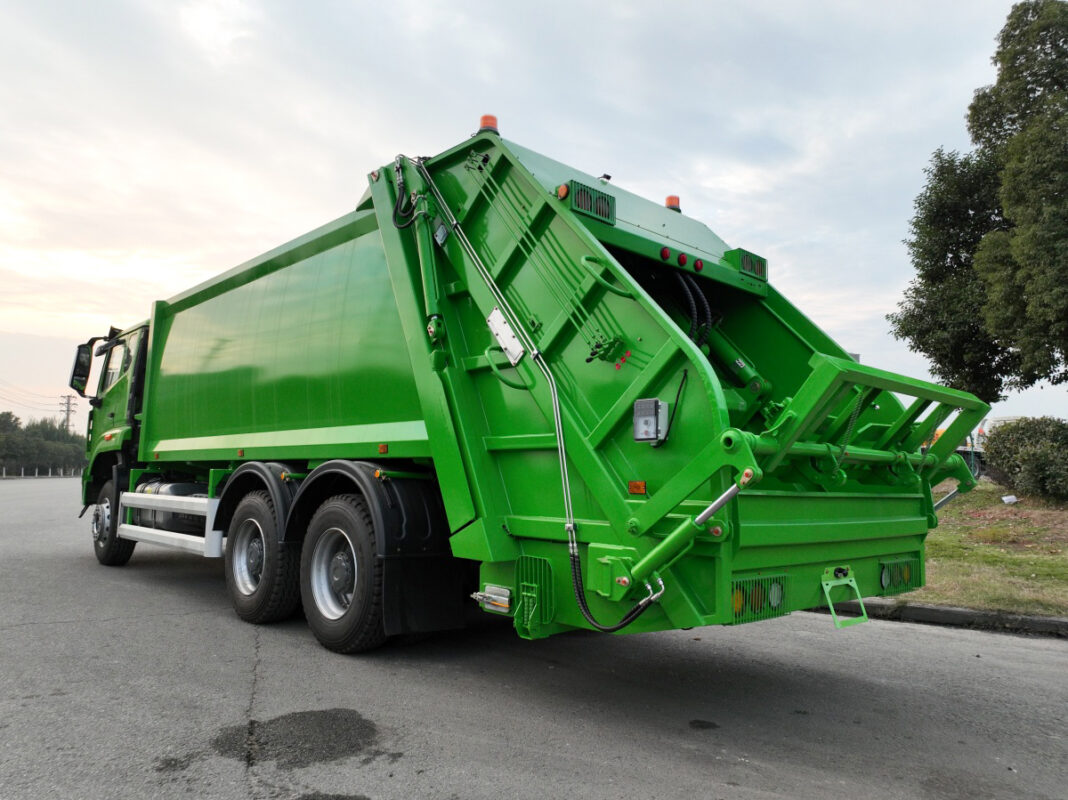
The compaction system is the heart of every garbage compactor lorry.
A more efficient compression system allows the truck to carry significantly more waste without increasing its external dimensions.
When comparing different models, pay attention to features such as:
- High compression ratio (typically 1:3 to 1:4)
- Powerful hydraulic cylinders
- Continuous automatic compaction
- Reliable hydraulic components
- Fast loading and unloading cycles
A higher compression ratio reduces the number of trips required each day, saving both time and operating costs.
Look for Intelligent Control Systems
Modern refuse collection vehicles are designed to simplify operation and improve productivity.
Today’s advanced garbage compactor trucks typically feature PLC-based electronic control systems that automate the entire loading, compaction, and unloading process.
Useful features include:
- One-button automatic operation
- In-cab control panel
- Rear control panel
- Manual backup controls
- Automatic cycle programming
These intelligent systems reduce operator fatigue, shorten training time, and improve operational consistency.
For many municipalities facing labor shortages, single-operator functionality has become an important purchasing consideration.
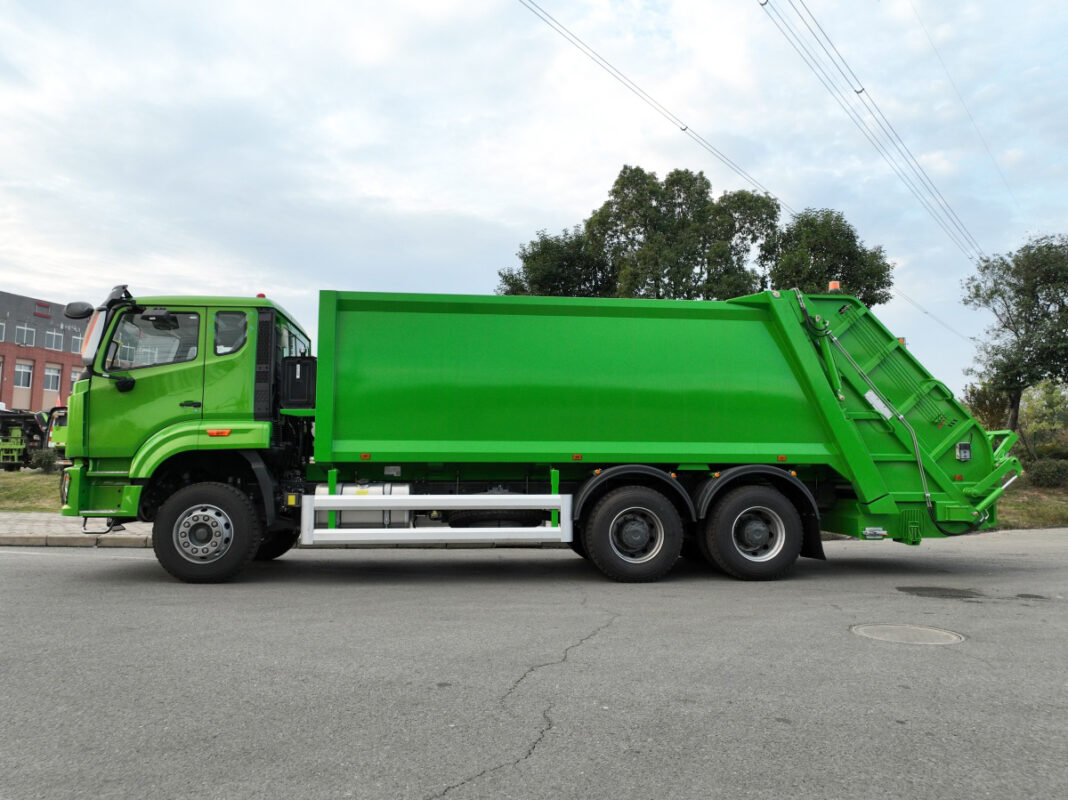
Pay Attention to Environmental Performance
Environmental regulations are becoming stricter in cities around the world.
A modern garbage compactor lorry should not only collect waste efficiently but also minimize its environmental impact.
Important features include:
- Fully sealed compactor body
- Leachate collection tanks
- Odor control
- Low operating noise
- Reduced emissions
Electric garbage trucks offer additional advantages by eliminating tailpipe emissions and significantly reducing noise levels, making them particularly suitable for residential neighborhoods, schools, hospitals, and city centers where environmental standards are increasingly demanding.
Compare Total Cost of Ownership
Many buyers focus only on the purchase price, but the total cost of ownership (TCO) is often more important over the vehicle’s lifetime.
Consider factors such as:
- Fuel or electricity consumption
- Maintenance costs
- Hydraulic system reliability
- Spare parts availability
- Tire replacement
- Service intervals
- Expected service life
A truck with a slightly higher purchase price may deliver substantial savings through lower maintenance requirements, reduced downtime, and better energy efficiency.
Evaluating lifetime operating costs rather than initial investment alone leads to better long-term value.
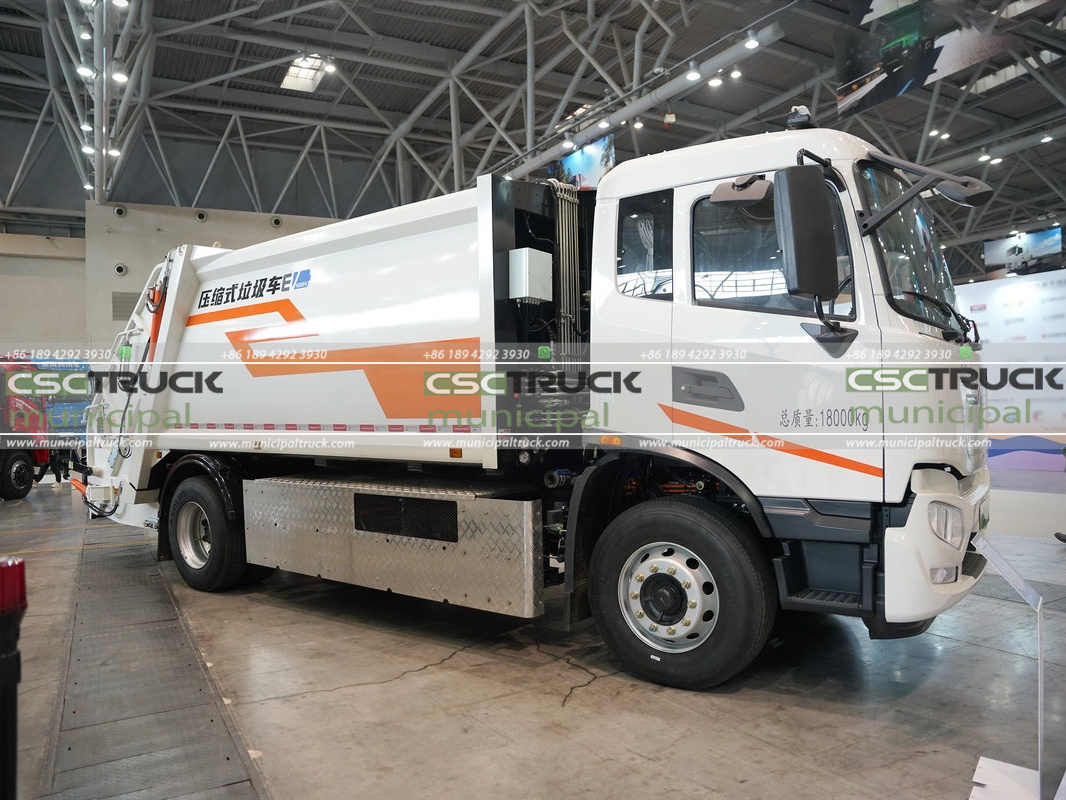
Ensure Strong After-Sales Support
Even the best equipment requires maintenance and occasional repairs.
Choosing a manufacturer with comprehensive after-sales service can significantly reduce downtime and improve fleet availability.
A reliable supplier should provide:
- Technical training
- Spare parts supply
- Warranty support
- Remote troubleshooting
- Fast technical response
Strong after-sales support is especially important for municipal fleets that operate every day and cannot afford extended service interruptions.
Conclusion
Selecting the right garbage compactor lorry requires balancing capacity, operational efficiency, environmental performance, reliability, and long-term operating costs. By carefully evaluating your city’s waste collection requirements, road conditions, chassis quality, compaction technology, control systems, and after-sales support, you can choose a vehicle that delivers maximum productivity and long-term value.
As municipalities continue to modernize their sanitation fleets, investing in a high-quality garbage compactor truck is no longer just about waste collection—it’s about improving urban cleanliness, reducing environmental impact, and building a more sustainable future for the communities you serve.