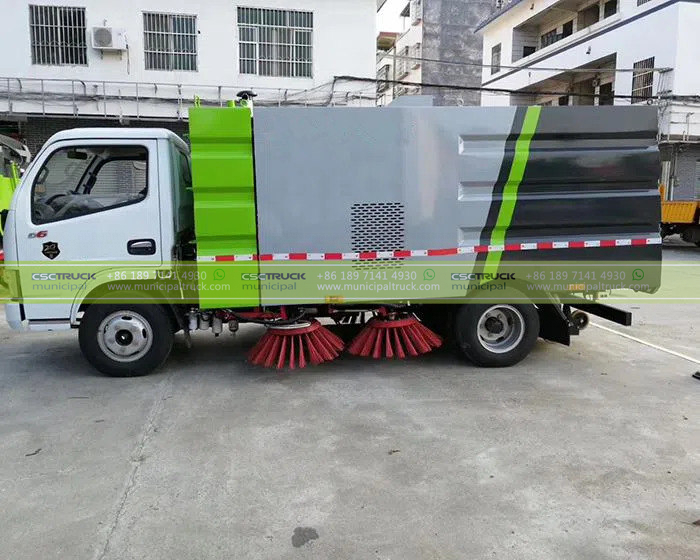
Choosing the right street sweeper technology is an important decision for municipalities, contractors, and industrial operators. Different sweeping systems are designed for different environments, from urban roads and highways to construction sites and industrial areas.
The three most common technologies are mechanical sweepers, vacuum sweepers, and regenerative air sweepers. Each system has its own advantages in cleaning performance, operating cost, and application range.
Understanding the differences can help buyers select the most suitable equipment for their specific needs.
1. Mechanical Sweepers: Simple, Durable, and Cost-Effective
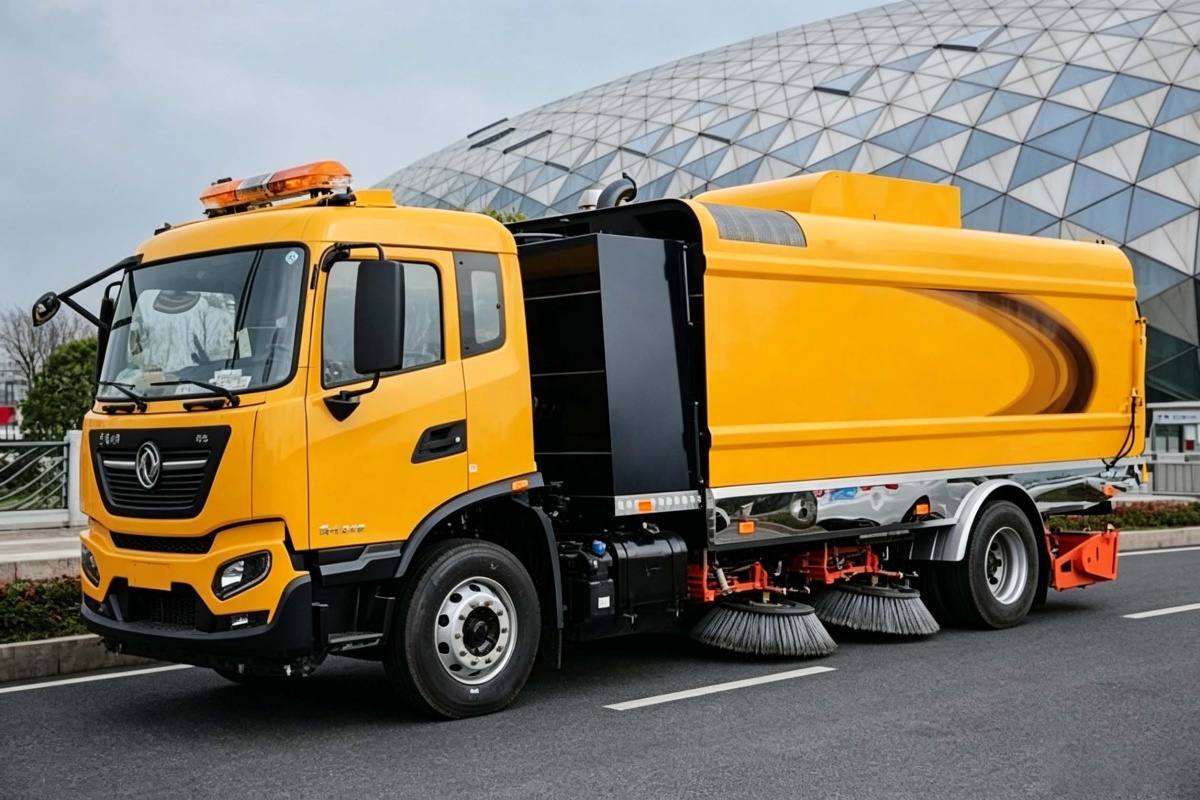
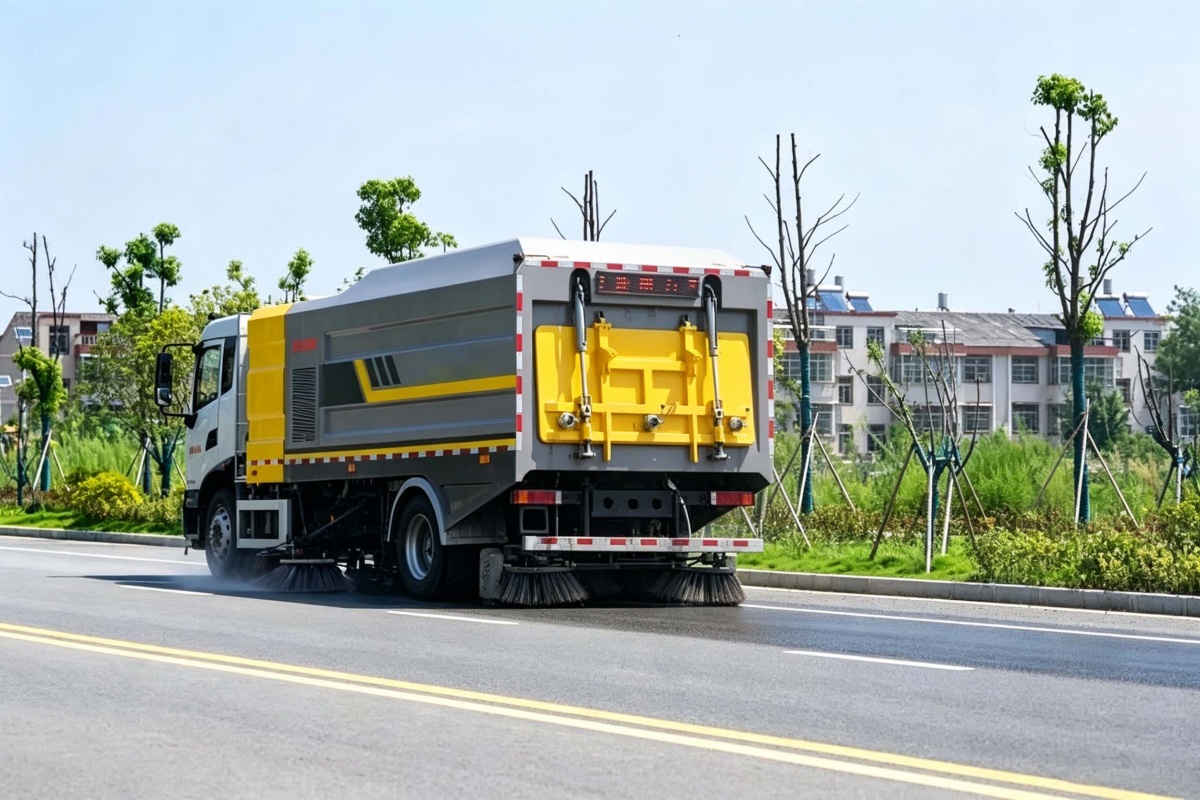
Mechanical sweepers are one of the traditional road cleaning solutions. They use rotating brushes to physically move debris from the road surface into a collection hopper.
How It Works
The main components include:
- Side brushes
- Main roller brush
- Conveyor system
- Collection hopper
The brushes sweep debris toward the center, where it is collected and transported into the storage bin.
Advantages
1. Strong for Heavy Debris Collection
Mechanical sweepers perform well when removing:
- Sand
- Gravel
- Leaves
- Construction debris
- Larger particles
They are especially useful in construction zones, industrial areas, and streets with heavy debris.
2. Simple Maintenance
Because of their straightforward mechanical structure, they are generally easier to maintain and repair.
3. Lower Initial Investment
Compared with more advanced sweeping systems, mechanical sweepers usually have lower purchase costs.
Best Applications
Suitable for:
- Construction site cleaning
- Industrial yards
- Parking areas
- Municipal roads with large debris
Limitations
Mechanical sweepers may be less effective at removing very fine dust and small particles. Brush wear and dust generation can also become concerns in dry environments.
2. Vacuum Sweepers: Powerful Suction for Fine Cleaning
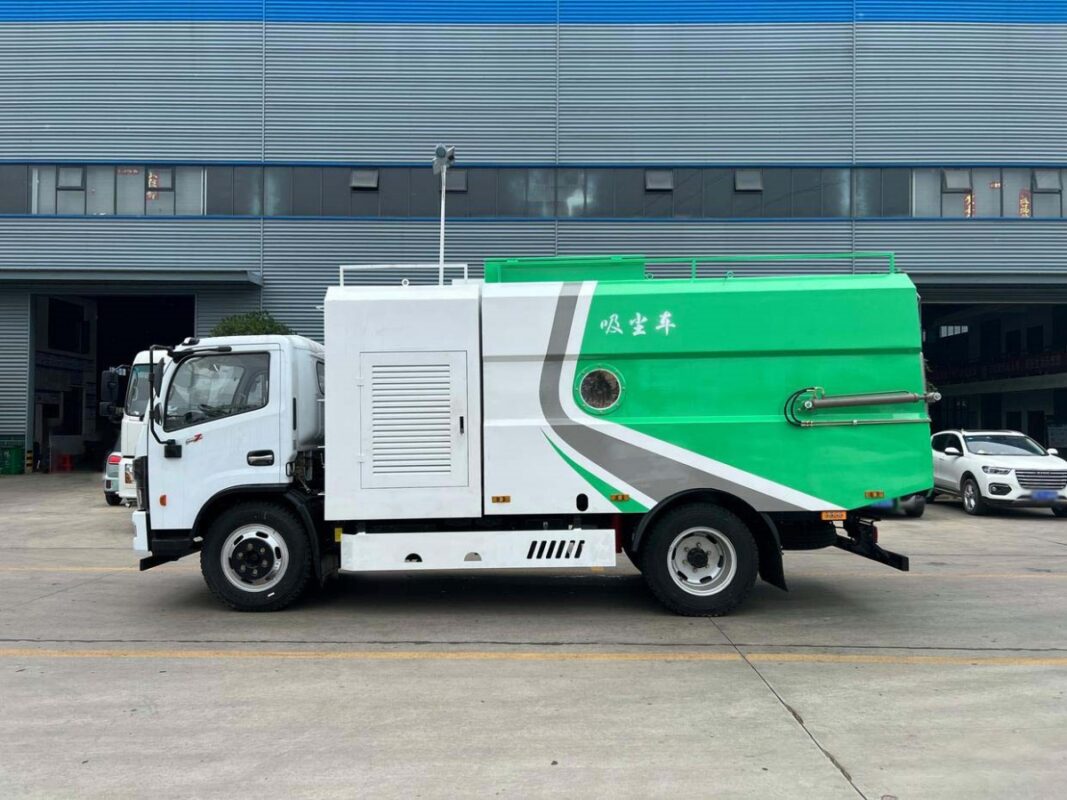
Vacuum sweepers use suction technology to remove dirt, dust, and debris from the road surface.
How It Works
The system uses:
- Rotating brushes to loosen debris
- High-powered suction fans
- Vacuum hoses
- Collection tanks
The loosened material is sucked into the hopper and stored for disposal.
Advantages
1. Excellent Fine Dust Removal
Vacuum sweepers are highly effective for collecting:
- Fine dust
- Sand particles
- Road dust
- Small debris
This makes them ideal for urban environments where cleanliness and dust control are important.
2. Better Dust Suppression
Many vacuum sweepers include water spraying systems that reduce airborne dust during operation.
3. High Cleaning Quality
They provide a cleaner finish compared with traditional mechanical systems.
Best Applications
Ideal for:
- City streets
- Airports
- Highways
- Residential areas
- Public spaces
Limitations
Vacuum systems generally require more power and may have higher operating costs due to the suction system.
3. Regenerative Air Sweepers: High-Efficiency Dust Removal
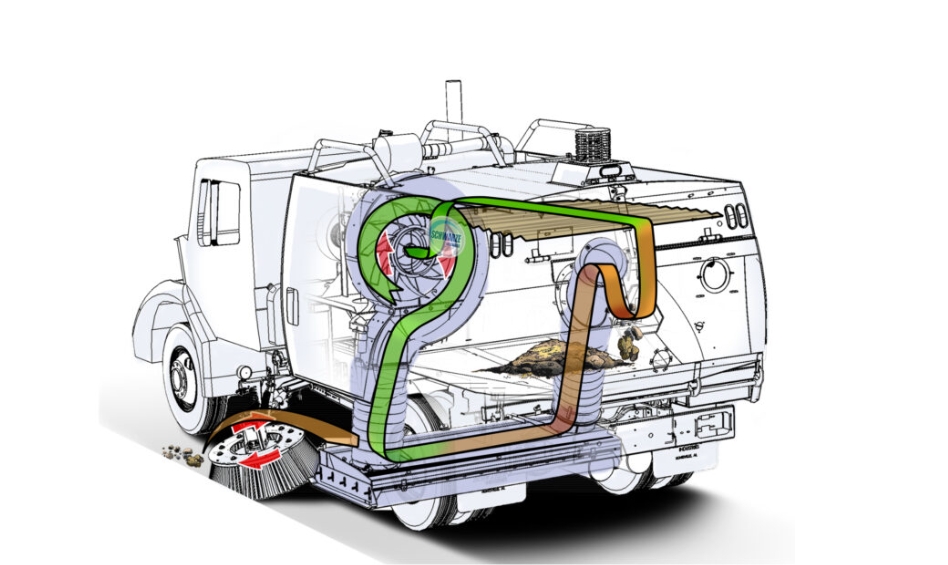
Regenerative air sweepers represent a more advanced sweeping technology, combining airflow and suction to achieve efficient cleaning.
How It Works
A high-speed airflow is generated inside the machine:
- Air is forced onto the road surface.
- The airflow lifts dust and debris.
- The same air is recovered through the suction system.
- Cleaned air is recycled back into the system.
This creates a continuous cleaning cycle.
Advantages
1. Superior Fine Particle Cleaning
Regenerative air systems are especially effective at removing:
- Fine dust
- Sand
- Pollutants
- Road surface particles
2. High Productivity
Because the air system covers a wider cleaning area, it can maintain high cleaning efficiency at faster working speeds.
3. Environment-Friendly Operation
The recycled airflow reduces energy consumption compared with traditional suction-only systems.
Best Applications
Suitable for:
- Highways
- Airports
- Large municipal areas
- Environmental maintenance projects
Limitations
The technology is more complex and usually requires higher investment and professional maintenance.
Technology Comparison
| Feature | Mechanical Sweeper | Vacuum Sweeper | Regenerative Air Sweeper |
|---|---|---|---|
| Cleaning Method | Brush sweeping | Suction removal | Airflow + suction |
| Large Debris | ⭐⭐⭐⭐⭐ | ⭐⭐⭐ | ⭐⭐⭐ |
| Fine Dust Removal | ⭐⭐ | ⭐⭐⭐⭐ | ⭐⭐⭐⭐⭐ |
| Maintenance Cost | Low | Medium | Higher |
| Initial Cost | Lower | Medium | Higher |
| Best Use | Heavy debris | Urban cleaning | High-efficiency cleaning |
How to Choose the Right Sweeper?
The best choice depends on your working environment.
Choose a mechanical sweeper if:
- You handle large debris
- You need simple maintenance
- Budget efficiency is important
Choose a vacuum sweeper if:
- Dust control is a priority
- You need high-quality urban cleaning
- Roads require frequent maintenance
Choose a regenerative air sweeper if:
- Fine particle removal is critical
- You operate on highways or airports
- Maximum cleaning performance is required
Conclusion: Match the Technology to the Job
There is no single “best” sweeping technology for every application.
Mechanical sweepers provide durability and affordability.
Vacuum sweepers deliver strong cleaning performance and dust control.
Regenerative air sweepers offer advanced cleaning efficiency for demanding environments.
For municipalities and contractors, selecting the right sweeping system means balancing:
- Cleaning requirements
- Operating costs
- Maintenance capability
- Long-term productivity
The right technology can improve cleaning results, reduce operating expenses, and help maintain cleaner, safer roads.