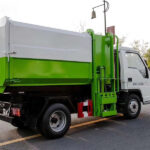
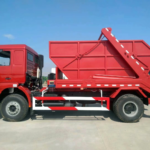
Built to Last & Fully Tailored: Top-tier garbage, sweeper and sewer trucks crafted for unrivaled durability. A trusted choice for municipal governments across the globe.
Side Loader Garbage Trucks: Uses, Benefits, and Limitations
As waste collection systems continue to evolve, side loader garbage trucks have become one of the most popular solutions for residential waste and recycling collection. Known for their efficiency and automation, these trucks are widely used across North America, Europe, Australia, and other regions with standardized curbside collection programs.
But what exactly are side loader garbage trucks designed for, and where do they fall short? Here’s a closer look at their primary applications, advantages, and limitations.
Residential Collection: The Main Application
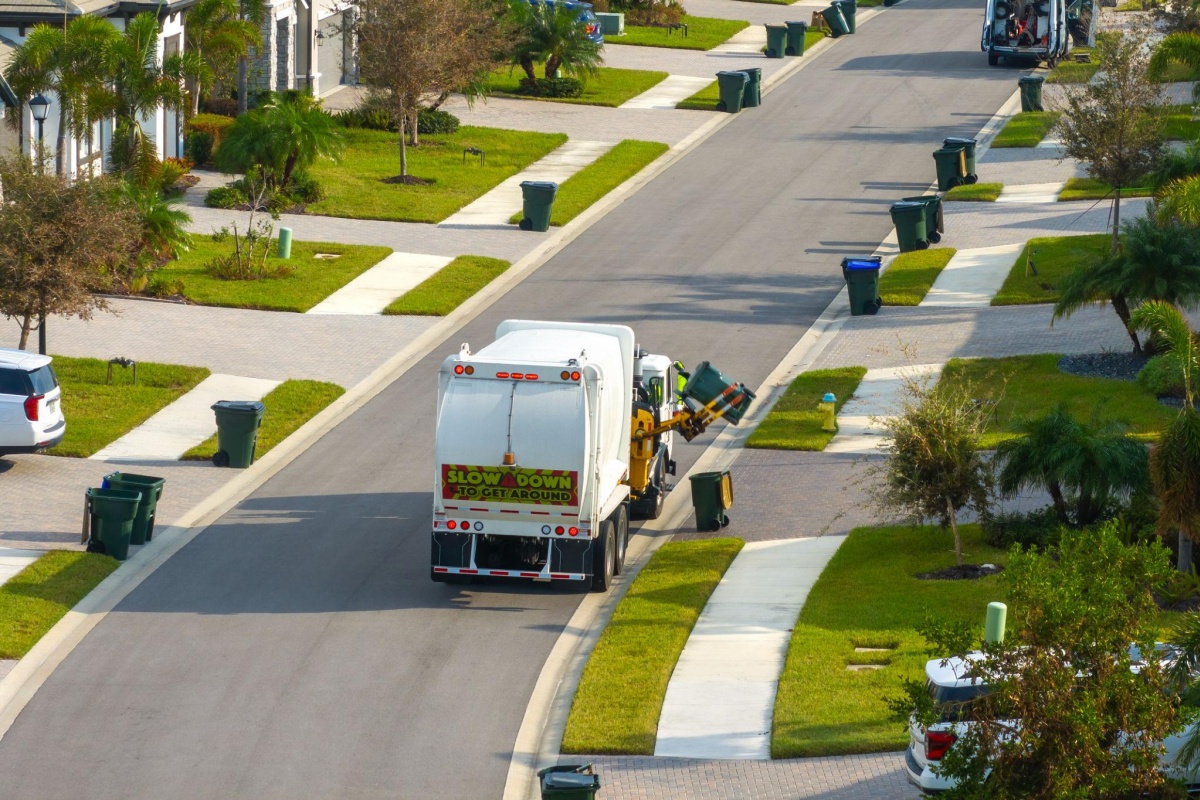
The primary role of a side loader garbage truck is to collect household waste and recyclables from residential neighborhoods.
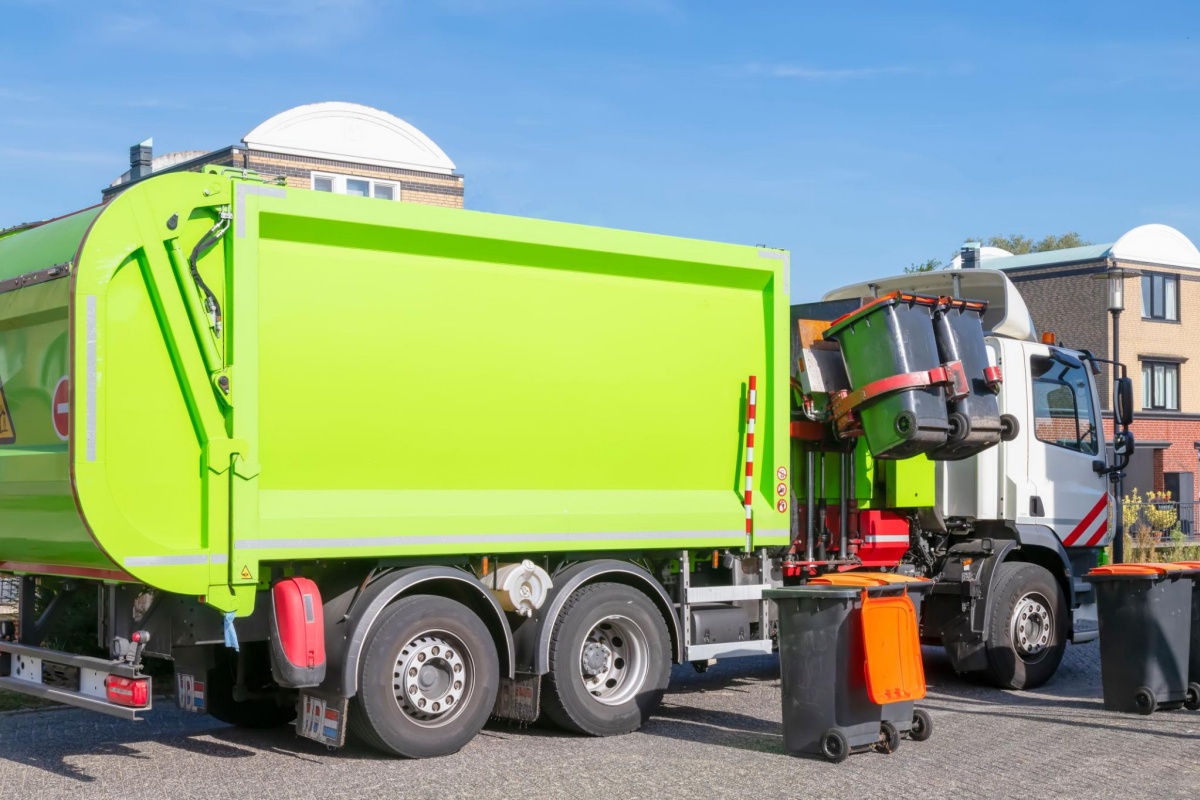
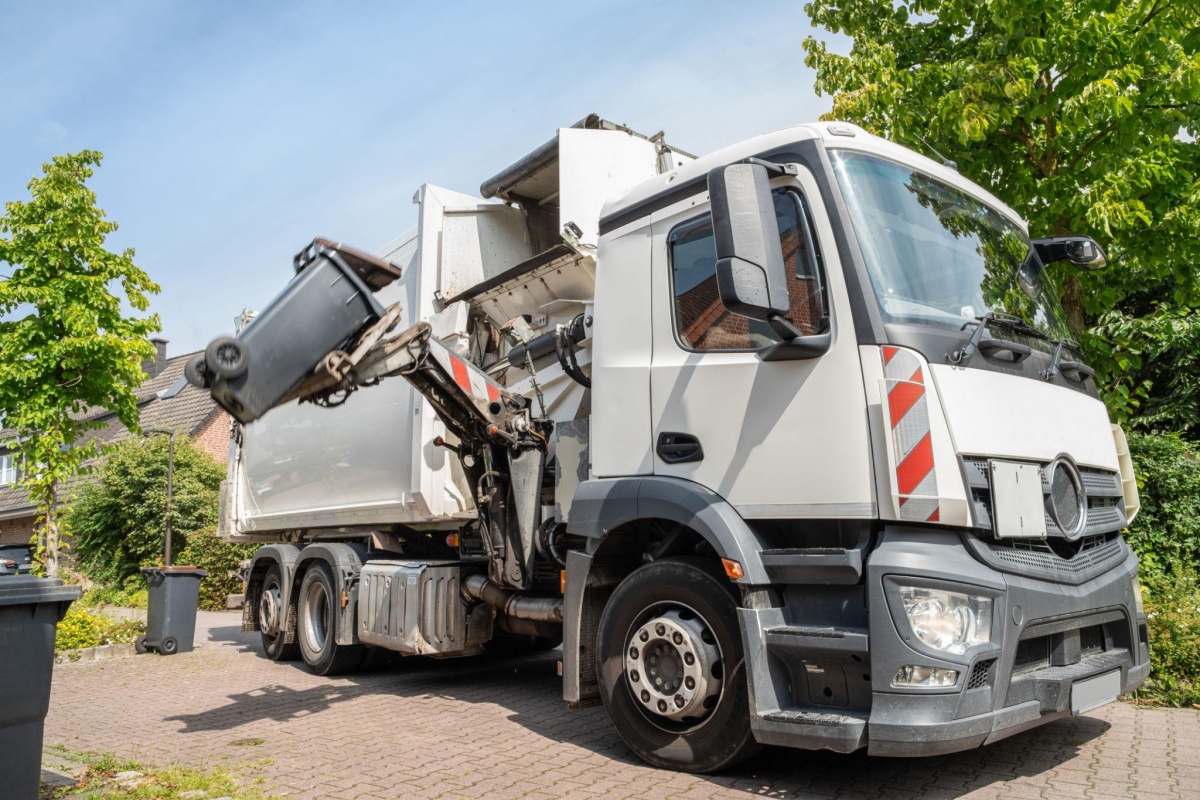
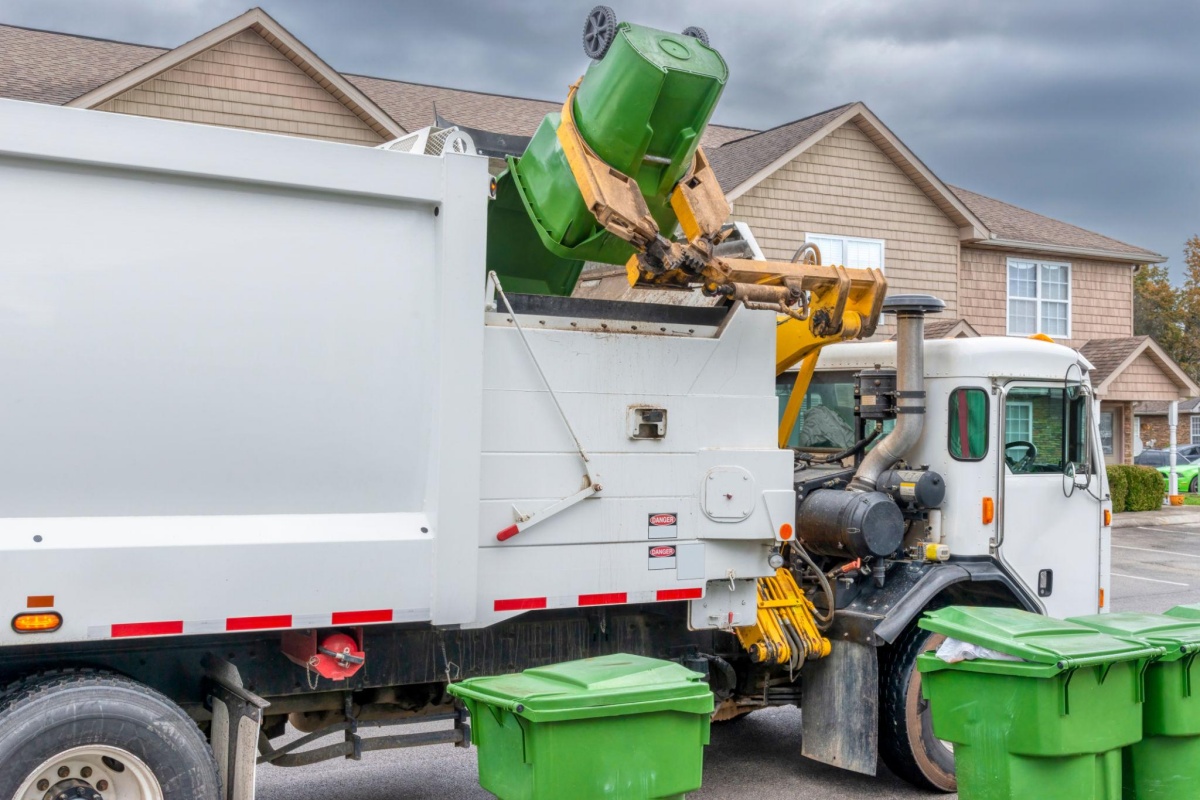
Most municipalities use standardized wheeled carts, typically ranging from 64 to 96 gallons. A hydraulic lifting arm extends from the side of the truck, grabs the cart, empties its contents into the hopper, and returns it to the curb—all while the operator remains safely inside the cab.
This system offers several advantages:
Lower labor costs – One driver can perform the entire collection route.
Improved safety – Less manual lifting reduces workplace injuries.
Faster collection – Automated loading speeds up route completion.
Greater efficiency – Fewer crew members and reduced operating costs.
Some routes use manual-automated side loaders, which combine a robotic arm with a lower hopper, allowing operators to collect loose bags or irregular waste when necessary.
Recycling and Split-Body Collection
Modern side loaders are no longer limited to household trash.
Many manufacturers offer split-body or multi-compartment designs that allow different waste streams to be collected simultaneously.
For example, a truck may feature a 40/60 split body, with one compartment for general waste and the other for recyclables. This allows municipalities to collect two material streams in a single pass, reducing fuel consumption and fleet requirements.
More advanced models can separate materials such as paper, plastic, glass, and organic waste into multiple compartments, improving recycling efficiency.
Other Common Applications
Although side loaders are best known for residential collection, they are also used in several other sectors:
Multi-Family Housing
Apartment complexes and residential communities often use large wheeled containers that can be serviced efficiently by side loaders.
Commercial Properties
Office parks, schools, retail centers, and small businesses frequently rely on cart-based collection systems that work well with side-loading equipment.
Municipal Services
Parks, government facilities, and public spaces often use side loaders for routine waste and recycling collection.
Light Industrial Waste
Warehouses and manufacturing facilities may use side loaders to collect packaging materials, cardboard, and other non-hazardous waste streams.
Technology Is Making Side Loaders Smarter
Recent innovations have significantly improved side loader performance.
One of the most notable developments is the zero-radius articulating arm, which extends and retracts without requiring a wide swinging motion. This allows trucks to operate more effectively on narrow streets and in areas with closely parked vehicles.
Another growing trend is AI-assisted collection technology. Cameras and sensors can identify the position of a cart and help guide the lifting arm automatically, reducing operator workload and minimizing the risk of property damage.
These technologies are helping waste collection fleets improve productivity while enhancing safety and reliability.
Limitations of Side Loader Garbage Trucks
Despite their advantages, side loaders are not the ideal solution for every collection task.
Dependence on Standardized Carts
Automated arms work best when waste is placed in approved wheeled containers. Loose bags, piles of branches, or non-standard bins can be difficult—or impossible—for the lifting mechanism to handle.
Poor Performance with Bulky Waste
Large items such as mattresses, sofas, appliances, and construction debris typically cannot fit through the hopper or compaction system. These materials usually require rear loader trucks, roll-off containers, or dedicated bulk-waste collection vehicles.
For this reason, many municipalities operate separate collection programs: weekly side loader routes for household waste and periodic bulk-item pickups for oversized materials.
Final Thoughts
The side loader garbage truck is a highly specialized vehicle designed to maximize efficiency in residential waste collection. By combining automation, reduced labor requirements, and improved safety, it has become the preferred choice for curbside collection in many parts of the world.
While it is not well-suited for bulky waste or irregular materials, its ability to quickly and efficiently service standardized containers makes it one of the most cost-effective refuse collection solutions available today.
As automation and smart collection technologies continue to advance, side loaders will likely remain a cornerstone of modern waste management operations.