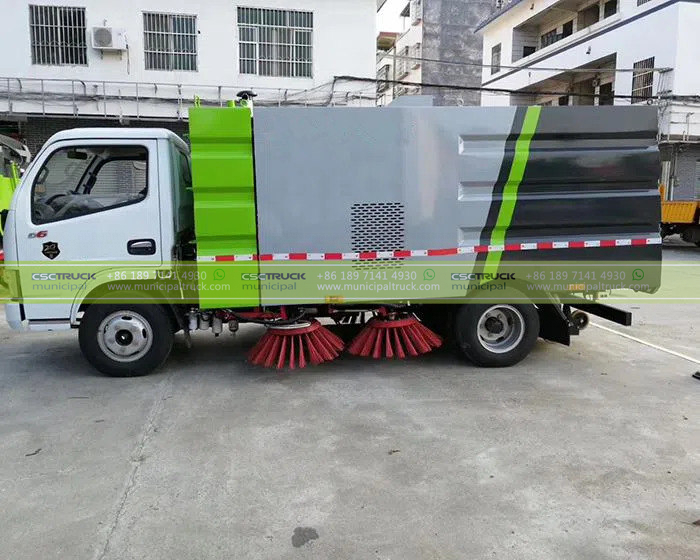
Built to Last & Fully Tailored: Top-tier garbage, sweeper and sewer trucks crafted for unrivaled durability. A trusted choice for municipal governments across the globe.
The Challenge of Barrier Cleaning: How Fence Sweepers Efficiently Wash Highway Medians
Highway medians and concrete barriers are essential for traffic separation and safety, but they accumulate dirt, grime, exhaust residue, road salts, and vegetation over time. Left uncleaned, these not only create an unsightly appearance but also degrade the barrier material, reduce reflector visibility, and pose environmental hazards when pollutants wash into stormwater systems. Yet cleaning highway medians presents a unique set of challenges that make traditional methods inefficient, dangerous, and costly.
This article explores the difficulties of barrier cleaning and explains how specialized fence sweepers (also known as barrier washing machines or median cleaners) provide a fast, effective, and safe solution.
The Hidden Difficulties of Cleaning Highway Medians
At first glance, washing a concrete barrier might seem simple – just spray water and scrub. But real‑world highway conditions tell a different story.
1. Safety Risks for Workers
Cleaning medians often requires workers to operate close to high‑speed traffic. Even with lane closures and warning signs, the risk of accidents remains significant. Manual cleaning with pressure washers or brushes exposes crews to passing vehicles, flying debris, and harsh weather. Many highway agencies restrict manual work to low‑traffic hours, which compresses cleaning windows and increases overtime costs.
2. Traffic Disruption
Closing lanes for barrier cleaning causes congestion, delays, and frustrated drivers. On busy highways, even a single lane closure can reduce road capacity by 50% or more. To minimize disruption, cleaning must be done quickly – often overnight – which limits productivity.
3. Stubborn Contamination
Highway barriers face relentless assault: diesel soot, tire dust, road salt (in winter), bird droppings, and splashed mud. These contaminants bond to concrete and steel surfaces, requiring both mechanical scrubbing and high‑pressure water to remove. Simple spraying without agitation leaves a grey, streaky film.
4. Inconsistent Barrier Designs
Medians vary widely – from simple Jersey barriers to tall sound walls, steel guardrails, and concrete parapets with recessed sections. A cleaning method that works on one profile may fail on another. Equipment must adapt to different heights, shapes, and surface textures.
5. Water and Waste Management
High‑pressure washing generates runoff laden with oil, heavy metals, and sediment. Discharging this untreated water into drains or soil violates environmental regulations in many regions. Effective cleaning must include the collection and treatment of wastewater, adding another layer of complexity.
Enter the Fence Sweeper: A Purpose‑Built Solution
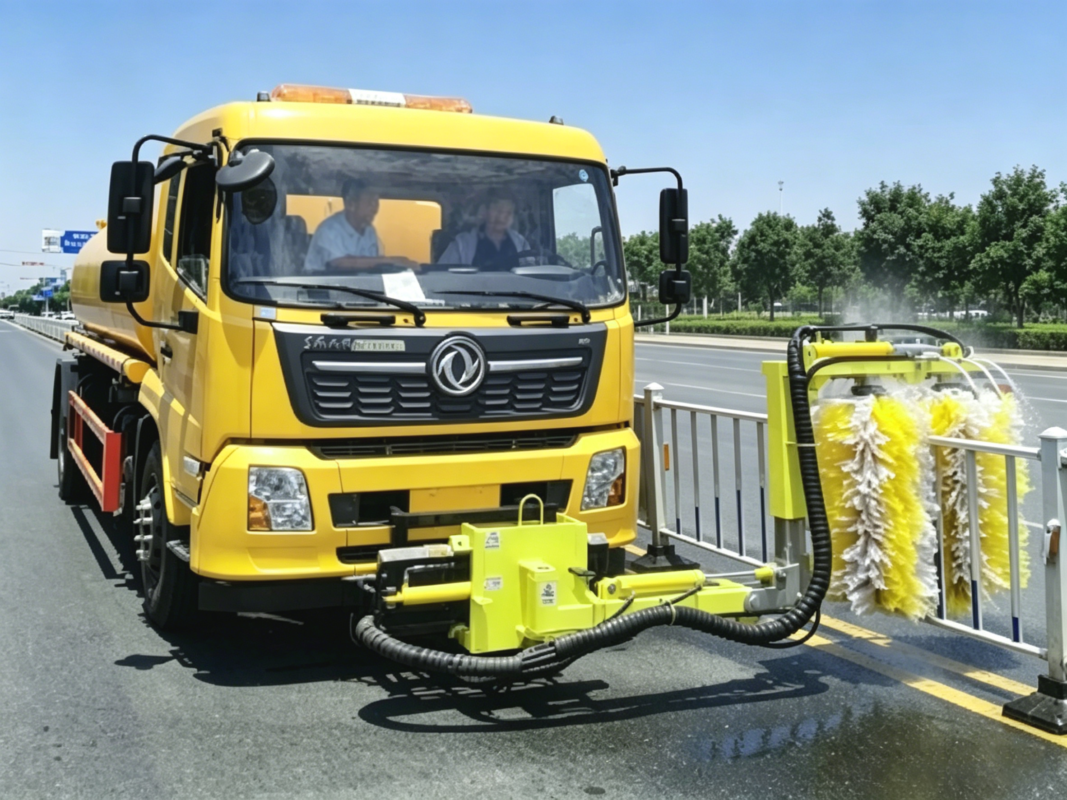
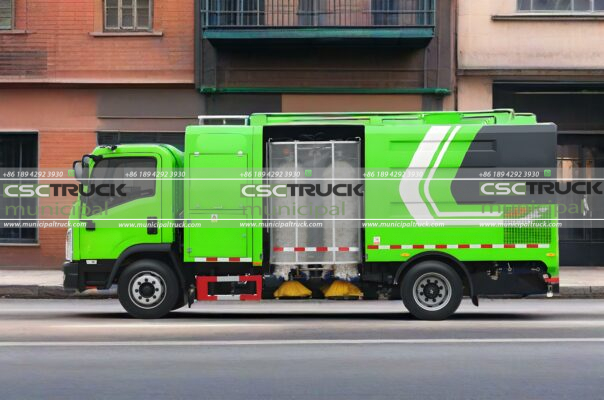
Fence sweepers (also called barrier sweepers, median washers, or guardrail cleaning machines) are specialized vehicles designed to tackle these exact challenges. Mounted on truck chassis – often medium‑duty or heavy‑duty trucks – they combine rotating brushes, high‑pressure water jets, vacuum recovery systems, and adjustable arms to clean barriers efficiently while the truck moves at moderate speeds.
How a Fence Sweeper Works
A typical fence sweeper consists of:
Articulated arm – Extends from the truck to reach over or alongside the barrier. Hydraulically adjustable for different barrier heights and offsets.
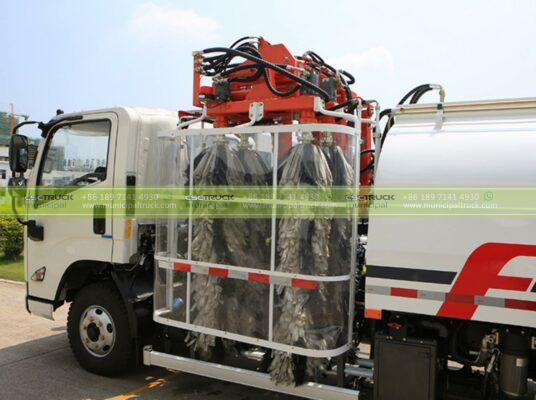
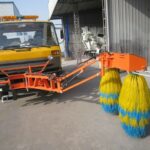
Rotating brush system – One or more cylindrical brushes with stiff nylon or steel bristles that spin at high speed, scrubbing away caked‑on dirt, moss, and rubber residue.
Water jets – Positioned before, during, or after the brushes to wet, rinse, and flush debris. High‑pressure water (often 1,000–3,000 psi) loosens stubborn grime.
Vacuum recovery head – Located close to the brush, it sucks up dirty water and loose solids into an onboard tank, preventing runoff and leaving a clean surface.
Optional detergent injection – For oily stains or winter salt residue, biodegradable detergents can be added to improve cleaning.
The truck drives alongside the barrier at speeds of 3 to 10 km/h (2–6 mph), while the arm holds the brush and jets against the barrier face. Some models feature twin brushes – one for the top and one for the side – to clean the entire profile in a single pass.
Key Advantages of Fence Sweepers for Median Cleaning
1. Unmatched Efficiency
A single fence sweeper can clean 5–10 kilometers of barrier per hour, depending on contamination level. This is 20–50 times faster than manual crews with pressure washers. Cleaning an entire 50‑km highway median can be completed in one night shift instead of several weeks.
2. Enhanced Safety
Operators work inside the truck cab, away from traffic. The truck’s warning lights, arrow boards, and rear‑mounted attenuators (crush cushions) provide passive protection. Since cleaning is fast, lane closure times are dramatically reduced, lowering risk for all road users.
3. Consistent, High‑Quality Results
Rotating brushes apply uniform mechanical force across the entire barrier surface, removing biofilm, carbon deposits, and stains that water alone cannot touch. The vacuum recovery leaves no puddles or runoff, preventing re‑contamination and slip hazards.
4. Environmental Compliance
By recovering and storing wastewater, fence sweepers eliminate the need for separate containment or treatment on site. The collected slurry can be disposed of properly at a depot. Some advanced models even recycle water on board, reducing consumption and tank emptying frequency.
5. Adaptability to Different Barrier Types
Fence sweepers can be configured for:
Jersey barriers – Vertical or sloped faces.
Steel guardrails – With softer brush bristles to avoid scratching galvanized coatings.
Sound walls – Taller reach and articulated arms to clean vertical surfaces.
Bridge parapets – Narrow profiles with recessed sections.
Many units offer quick‑change brush cassettes and adjustable water pressure to match the specific barrier material and contamination level.
6. Winter Maintenance Bonus
In cold climates, fence sweepers are also used to remove road salt residue from barriers after winter, preventing corrosion. The same equipment can apply anti‑icing or de‑icing fluids to barriers ahead of storms.
Real‑World Impact: Case Example
A state highway authority in the northeastern United States struggled with manual barrier cleaning on a 120‑km interstate corridor. The job required 20 workers with pressure washers, two lane closures, and six weeks of night shifts – costing over $300,000 annually. After investing in two fence sweeper trucks, the same corridor is now cleaned in four night shifts (one week) with only three operators per truck. Annual costs dropped by 60%, and accident rates near cleaning zones fell to zero.
Choosing the Right Fence Sweeper
When selecting a fence sweeper for highway median cleaning, consider:
Brush type – Nylon for concrete, wire for heavy encrustation, or a combination.
Water tank capacity – Larger tanks allow longer runs between refills. 2,000–4,000 liters is typical.
Vacuum system power – Must match water flow to avoid leaving wet trails.
Arm reach and rotation – For barriers with offsets or varying heights.
Cab controls – Ergonomic joystick operation reduces driver fatigue during long shifts.
Conclusion
Cleaning highway medians and barriers is far more challenging than it appears. Safety risks, traffic disruption, stubborn grime, and environmental rules make manual methods obsolete for large‑scale operations. Fence sweeper trucks offer a proven, efficient, and safe alternative – combining scrubbing, washing, and wastewater recovery in one fast‑moving machine. For highway authorities, maintenance contractors, and infrastructure operators, investing in a fence sweeper means cleaner barriers, safer roads, and lower life‑cycle costs.
CSCTRUCK Municipal provides high‑quality fence sweepers and a full range of sweeper trucks to meet your highway maintenance needs. For any inquiries or requirements, please feel free to contact us.