When you walk down the street, flush the toilet, or take a shower, you probably don’t think about the massive network of pipes working beneath your feet. Keeping these sewers clear, safe, and functional is a round-the-clock job—and it all starts with one workhorse of the municipal fleet: the sewer maintenance truck.
But not all sewer trucks are created equal. There are specialized vehicles designed for different tasks, from sucking up raw sewage to blasting out stubborn clogs. In this guide, we’ll break down the most common types, how they work, and which one is right for the job.
1. Vacuum Sewer Truck: The Workhorse of Waste Removal
What It Is
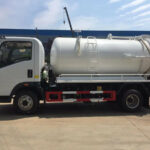
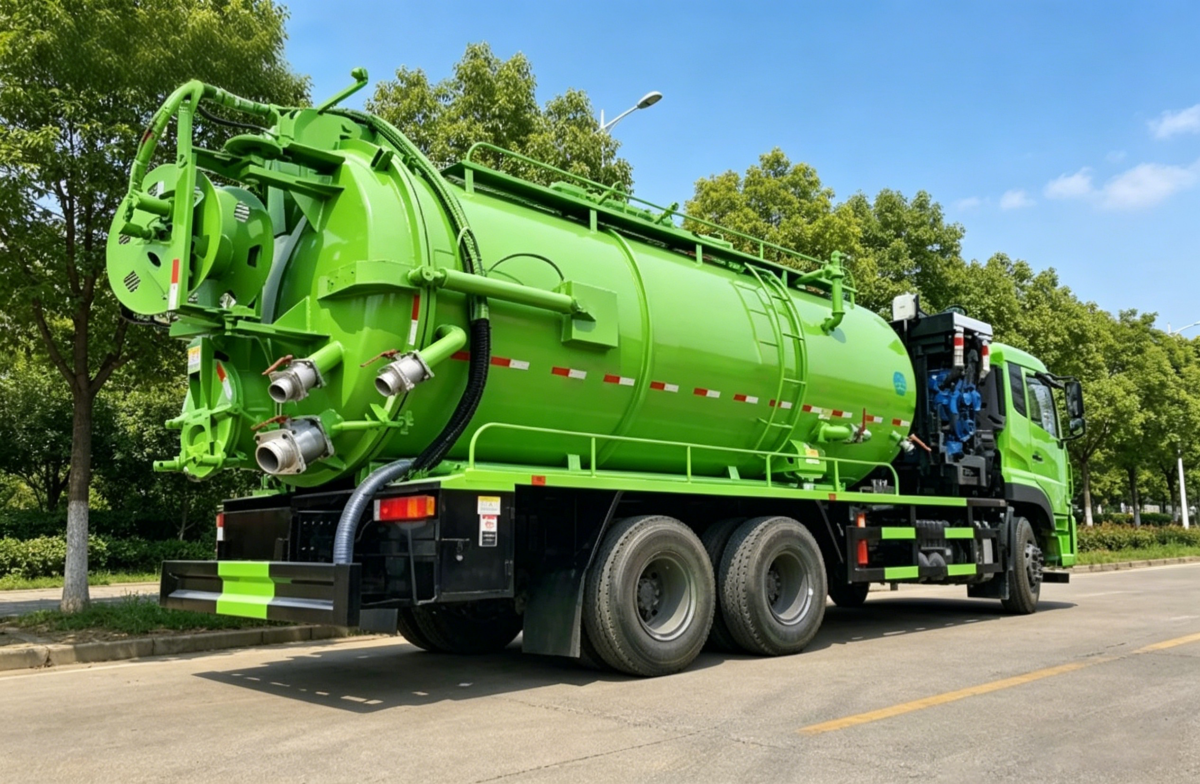
A vacuum sewer truck (also called a vacuum tanker or sewage suction truck) is built for one primary mission: to safely remove and transport liquid and semi-liquid waste from sewer lines, septic tanks, and manholes.
How It Works
The truck uses a powerful vacuum pump to create negative pressure inside its large, sealed tank. A long, reinforced hose is lowered into the sewer or tank, and the suction force pulls the waste directly into the tank. Once full, the truck transports the waste to a treatment facility or disposal site.
Key Features
- Large, corrosion-resistant steel or aluminum tank (typically 3,000–10,000 liters)
- High-performance vacuum pump (positive displacement or liquid ring)
- Manhole access hose and boom system
- Safety features like pressure relief valves and tank level gauges
Common Applications
- Cleaning septic tanks and portable restrooms
- Removing raw sewage from blocked lines
- Sucking out standing water and debris after floods
- Industrial liquid waste collection
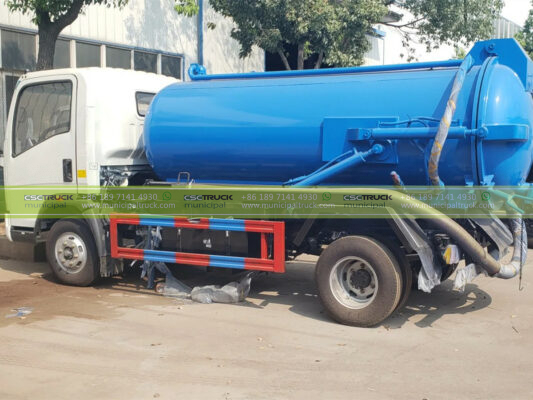
2. Sewer Cleaner Truck (Jetting Truck): The High-Pressure Clog Buster
What It Is
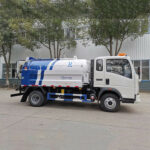
A sewer cleaner truck (often referred to as a jetter or high-pressure sewer cleaner) is the heavy-duty cleaner of the fleet. Instead of suction, it uses high-pressure water to blast away blockages and buildup.
How It Works
The truck is equipped with a powerful water pump (up to 4,000 PSI) that feeds water through a specialized nozzle on a long, flexible hose. The nozzle is inserted into the sewer line, and the high-pressure water blasts grease, roots, sediment, and other debris loose. The dislodged material is then washed downstream to a manhole, where it can be collected by a vacuum truck.
Key Features
- High-pressure water pump (up to 200+ L/min flow rate)
- Water tank (usually separate from a waste tank)
- Rotating or forward-reverse cleaning nozzles
- Hose reel with hundreds of feet of hose
Common Applications
- Clearing grease and root clogs in the main sewer lines
- Cleaning storm drains and culverts
- Removing mineral buildup in older pipes
- Preparing lines for inspection or repair
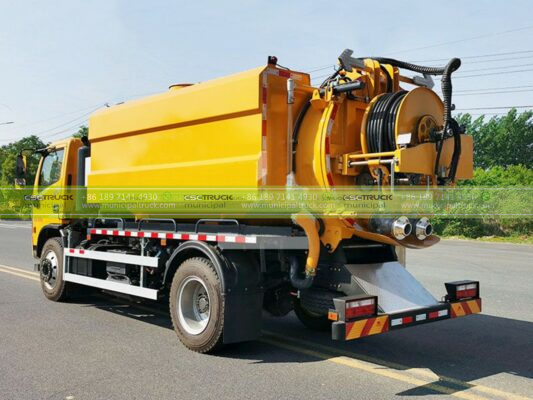
3. Sludge Collector Truck: Built for Thick, Heavy Waste
What It Is
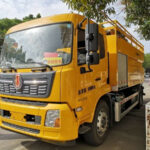
A sludge collector truck is a specialized vacuum truck designed to handle the toughest material: thick, viscous sludge. This includes sewage sludge, industrial waste, and the heavy, settled muck found at the bottom of tanks and sewer lines.
How It Works
While similar to a standard vacuum truck, sludge collector trucks are engineered with higher-powered pumps and larger-diameter hoses to handle thick, non-liquid waste. The tanks often feature special agitation systems or screw conveyors to keep sludge from settling and clogging the system. Some models also have rear discharge capabilities for easy unloading at treatment plants.
Key Features
- Heavy-duty vacuum pump for high-viscosity materials
- Large-diameter suction hoses (to prevent clogging)
- Tank design optimized for thick sludge (often with sloped bottoms)
- Optional mechanical agitators or augers
Common Applications
- Cleaning sewage sludge from treatment plant clarifiers
- Removing industrial sludge from tanks and pits
- Collecting heavy sediment and grit from sewer lines
- Handling waste from lagoons and holding ponds
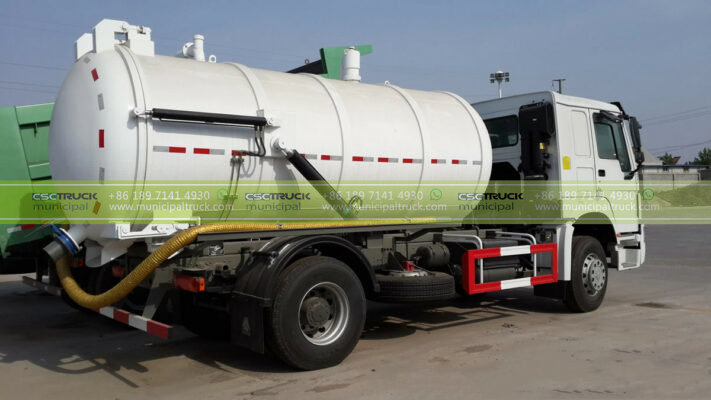
4. Combo Sewer Jetter Truck: The All-in-One Solution
What It Is
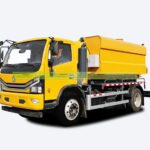
The combo sewer jetter truck (also known as a combination vacuum/jetter truck) is the ultimate multitasker. It combines the high-pressure cleaning power of a jetter with the waste-removing capacity of a vacuum truck in a single vehicle.
How It Works
Instead of needing two separate trucks (one to blast, one to suck), a combo truck does both jobs in one pass. The high-pressure nozzle blasts the clog loose, and the powerful vacuum system immediately sucks up the dislodged debris and wastewater into the onboard tank. This eliminates the need for a second crew or truck, drastically improving efficiency.
Key Features
- Dual system: high-pressure water jetting + high-vacuum suction
- Separate clean water and waste tanks
- Operated by a single crew
- Compact design for use in tight urban spaces
Common Applications
- Main line sewer cleaning and maintenance
- Residential and commercial drain cleaning
- Industrial line maintenance
- Emergency response for major blockages

Which Sewer Maintenance Truck Do You Need?
Choosing the right vehicle depends on your primary tasks, budget, and typical waste types:
| Truck Type | Best For | Pros | Cons |
|---|---|---|---|
| Vacuum Sewer Truck | Liquid waste removal, septic pumping | Low cost, simple operation | Cannot clear hard clogs |
| Sewer Cleaner Truck | High-pressure jetting, grease/root removal | Extremely effective on clogs | Requires a separate vacuum truck to collect waste |
| Sludge Collector Truck | Thick sludge, industrial waste | Built for heavy, viscous material | More specialized, higher maintenance cost |
| Combo Sewer Jetter Truck | All-in-one cleaning and removal | Fast, efficient, single-crew operation | Higher upfront cost |
Final Thoughts
Sewer maintenance trucks are the unsung heroes of modern infrastructure. From simple septic pumping to complex main line cleaning, there’s a specialized vehicle for every job. Whether you’re a municipal worker, a fleet manager, or just curious about what keeps our cities running, understanding these tools helps you appreciate the work that goes into keeping our pipes flowing.