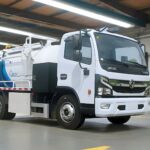
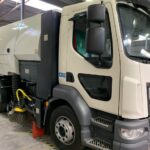
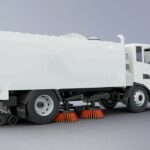
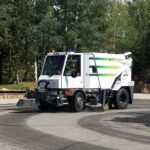
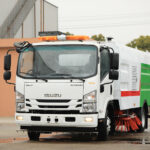
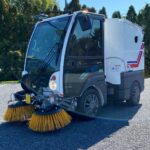
Built to Last & Fully Tailored: Top-tier garbage, sweeper and sewer trucks crafted for unrivaled durability. A trusted choice for municipal governments across the globe.
What Is a Vacuum Clean Sweeper Truck and How Does It Work?
As cities grow and environmental standards become stricter, keeping roads clean is no longer just about appearance—it’s about air quality, public health, and operational efficiency. One of the most effective solutions for modern road cleaning is the vacuum clean sweeper truck.
So what exactly is a vacuum clean sweeper truck, and how does it work? Let’s break it down.
What Is a Vacuum Clean Sweeper Truck?
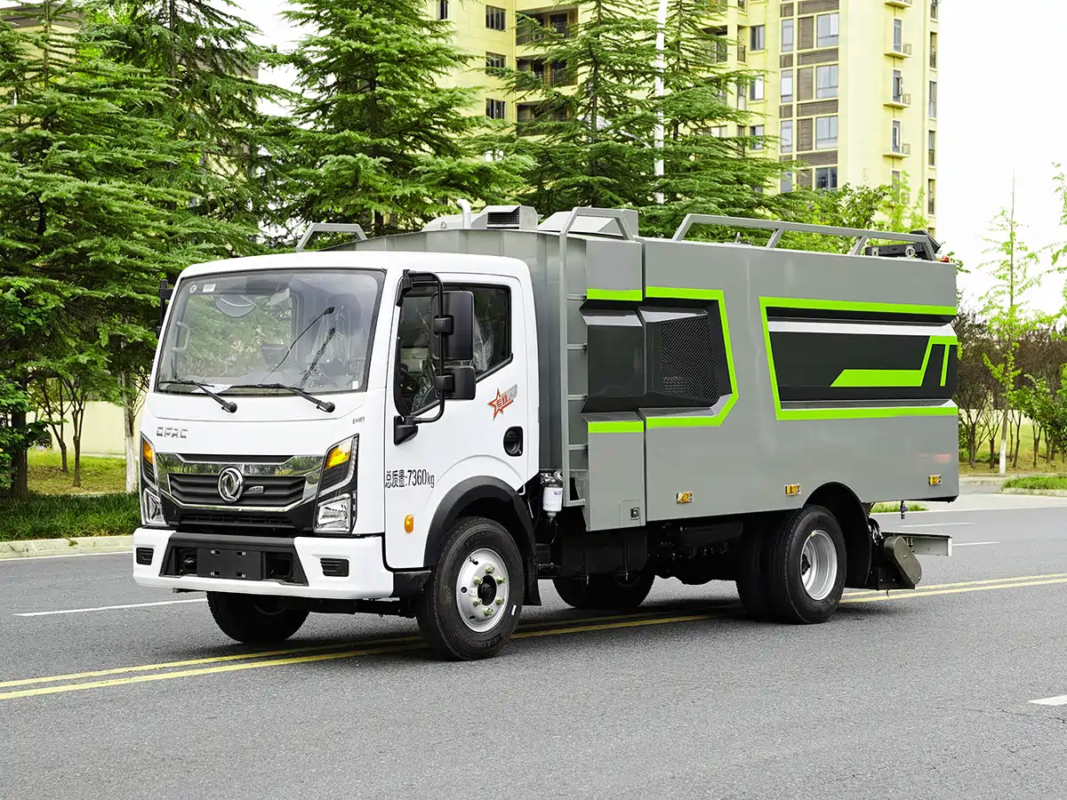
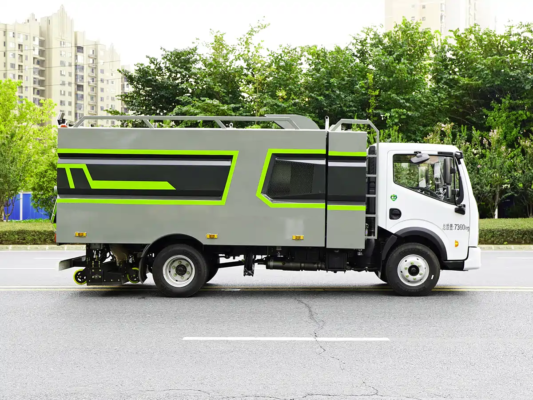
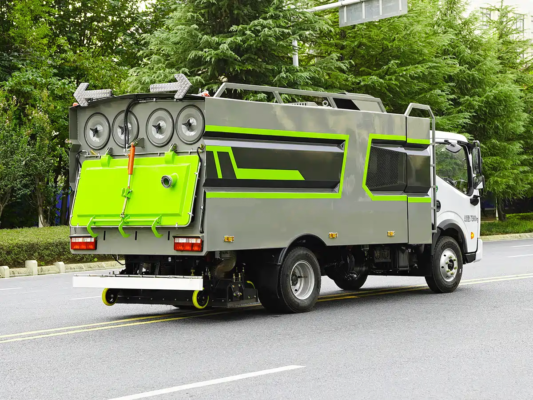
A vacuum clean sweeper truck (often called a vacuum road sweeper or street vacuum sweeper) is a specialized vehicle designed to clean roads, streets, and industrial areas using powerful suction technology.
Unlike purely mechanical sweepers that push debris aside, vacuum sweepers:
Collect dust and debris directly
Minimize secondary pollution
Provide more efficient and thorough cleaning
They are widely used in:
Urban road maintenance
Construction sites
Industrial facilities
Airports and logistics hubs
Why Choose a Vacuum Sweeper?
Vacuum sweepers are especially valuable in environments where fine dust control is important. Traditional sweeping methods can stir up dust, reducing visibility and affecting air quality.
Key advantages include:
Reduced airborne dust particles
Improved cleaning efficiency
Better road safety
Compliance with environmental regulations
How Does a Vacuum Clean Sweeper Truck Work?
A vacuum sweeper truck combines mechanical sweeping with a powerful suction system. Here’s how the process works:
1. Surface Sweeping
Rotating side brushes and a main brush gather debris from the road surface and move it toward the suction inlet.
2. Vacuum Suction
A high-powered fan system creates negative pressure, allowing the truck to suck up dust, dirt, and debris into a storage hopper.
3. Dust Separation
Inside the hopper, heavier debris settles, while lighter dust particles are separated through cyclonic or filtration systems.
4. Air Filtration
Before air is released back into the environment, it passes through filters to reduce dust emissions.
5. Waste Collection
Collected materials are stored in a debris hopper and later unloaded at a designated disposal site.
Key Components of a Vacuum Sweeper Truck
A typical vacuum sweeper includes:
Side and main brushes for gathering debris
High-power suction fan
Vacuum intake system
Dust filtration or cyclonic separation system
Debris hopper (waste tank)
Hydraulic control system
Each component works together to ensure efficient and controlled cleaning.
Types of Vacuum Sweeper Trucks
Depending on design and application, vacuum sweepers can be categorized into:
Dry (Waterless) Vacuum Sweepers
No water used
Rely on filtration systems
Suitable for dry or cold environments
Wet Vacuum Sweepers
Use water spray for dust suppression
Reduce airborne particles more effectively
Common in urban environments
Applications Across Industries
Vacuum clean sweeper trucks are versatile and used in:
Municipal Cleaning
Maintaining clean streets while improving urban air quality.
Construction Sites
Removing dust and debris generated during building activities.
Industrial Areas
Ensuring safe and clean working conditions.
Airports and Ports
Improving safety by keeping surfaces free of debris.
Benefits of Using a Vacuum Sweeper Truck
Investing in a vacuum sweeper brings several advantages:
Efficient debris collection
Reduced environmental impact
Improved worker safety
Lower maintenance costs
Enhanced cleaning performance
The Future of Vacuum Road Cleaning
With the rise of smart cities and green technologies, vacuum sweeper trucks are evolving rapidly. Innovations such as electric-powered sweepers, automated operation systems, and advanced filtration technologies are making these vehicles even more efficient and environmentally friendly.
Looking to Upgrade Your Cleaning Fleet?
If your operations are facing challenges in dust control, road maintenance efficiency, or environmental compliance, investing in a vacuum clean sweeper truck could be the ideal solution.
CSCTRUCK Municipal offers a wide range of sweeper trucks and road cleaning solutions, with customizable configurations tailored to different road conditions, climate environments, and industry applications. Whether for municipal use or industrial projects, the right equipment can significantly improve cleaning performance and operational efficiency.