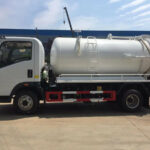
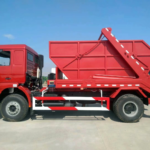
Built to Last & Fully Tailored: Top-tier garbage, sweeper and sewer trucks crafted for unrivaled durability. A trusted choice for municipal governments across the globe.
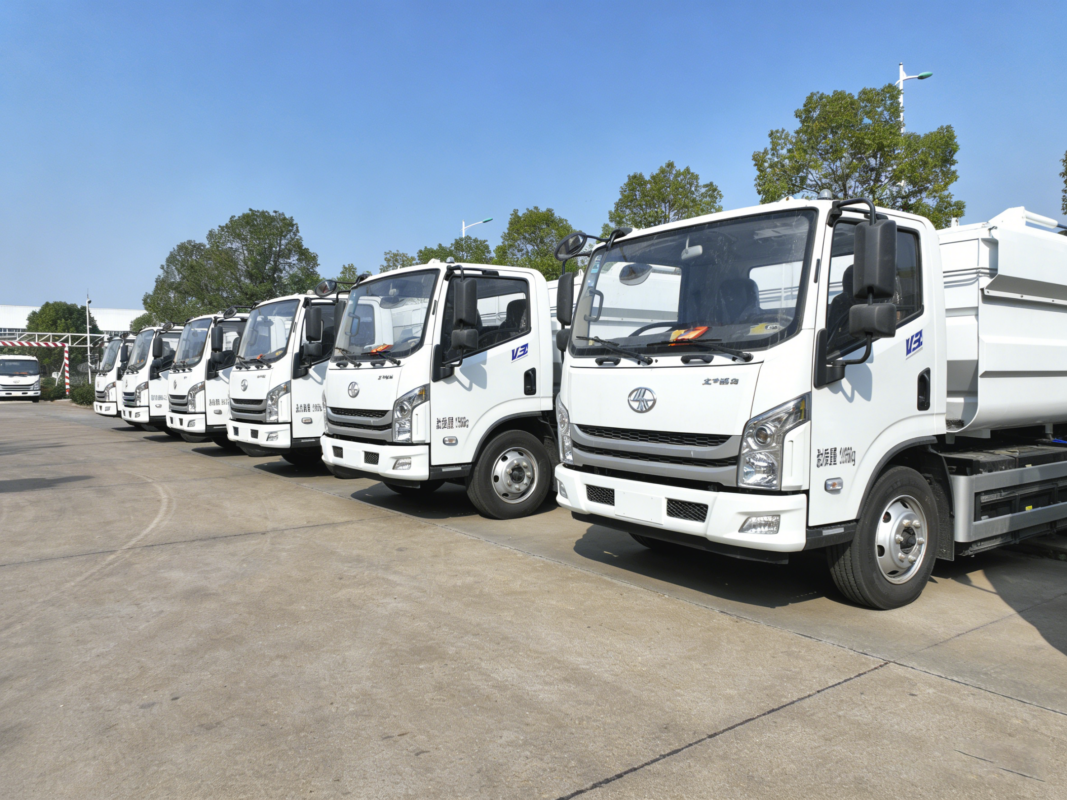
Angola’s Luanda Adds 30 New Self-Tipping Garbage Trucks to Modernize Waste Management
The capital city of Luanda, Angola, has taken a major step in modernizing its municipal waste management operations by introducing 30 new self-tipping garbage trucks. As one of the fastest-growing cities in Africa, Luanda faces increasing challenges in keeping its streets clean due to rapid urbanization, population growth, and expanding commercial activity. These new vehicles are set to enhance waste collection efficiency, reduce operational costs, and improve overall urban sanitation.
The Growing Need for Efficient Waste Management in Luanda
With a population of over 8 million, Luanda generates thousands of tons of municipal waste every day. Traditional waste collection methods, including manual labor and smaller trucks, have struggled to keep pace with this growing demand. Overflowing bins, delayed garbage collection, and accumulation of debris on streets can negatively affect public health and the city’s image.
The deployment of self-tipping garbage trucks addresses these challenges by providing:
Faster waste collection
Reduced human labor
Improved street cleanliness
Lower environmental impact
By implementing a modern fleet, Luanda demonstrates its commitment to creating a cleaner, healthier, and more sustainable urban environment.
How Self-Tipping Garbage Trucks Work
Self-tipping garbage trucks are specifically designed for high-efficiency waste handling. Their core component is the hydraulic tipping system, which allows garbage to be quickly unloaded at disposal sites without manual intervention. This system significantly reduces the time and effort needed for waste disposal.
Key components and operations include:
Hydraulic Tipping Mechanism: Lifts the cargo container and unloads waste efficiently.
Large Capacity Storage: Allows the truck to collect significant volumes of garbage per trip.
Durable Chassis and Body: Designed to withstand the demands of urban streets, rough roads, and high-frequency operations.
Operator Safety Features: Includes reflective markings, warning lights, and secure cabins.
Versatility: Suitable for residential, commercial, industrial, and construction site waste collection.
Integration with Other Sanitation Vehicles
To achieve maximum urban sanitation efficiency, self-tipping garbage trucks are often deployed alongside other municipal vehicles:
Sweeper Trucks: Remove dust, sand, leaves, and small debris from streets, preventing secondary pollution and preparing roads for garbage collection.
Water Sprinkler Trucks: Suppress airborne dust in dry and sandy conditions, reducing environmental pollution and improving road cleanliness.
Together, this coordinated fleet forms a comprehensive waste management system, ensuring that streets, public areas, and neighborhoods remain clean and safe for residents.
Environmental and Public Health Benefits
The introduction of these trucks brings multiple environmental and social benefits:
Reduced Street Litter: Timely collection prevents garbage accumulation and reduces potential blockages in drainage systems.
Lower Pest and Disease Risks: Fast collection minimizes exposure to decomposing waste, limiting rodents, flies, and bacteria.
Cleaner Air Quality: When combined with water sprinklers, dust and fine particles are suppressed, improving urban air quality.
Sustainable Urban Management: Modern garbage trucks operate more efficiently, reducing fuel consumption and emissions compared to older, smaller vehicles.
These benefits collectively improve the quality of life for residents, enhance the city’s image, and support sustainable urban development.
Applications Across Luanda
The self-tipping garbage trucks are versatile and suitable for multiple applications:
Residential Areas: Frequent collection of household waste to prevent overflow and maintain neighborhood cleanliness.
Commercial Districts: Handling large volumes of business and market waste efficiently.
Industrial Zones: Transporting construction debris, packaging waste, and other industrial byproducts.
Construction Sites: Coordinating with construction vehicles for debris removal and clean work sites.
By covering these diverse areas, the trucks ensure that no part of the city is left behind in sanitation efforts.
Future Outlook for Urban Sanitation in Luanda
As Luanda continues to grow, the demand for efficient, modern waste management solutions will increase. Expanding the fleet of self-tipping garbage trucks, combined with sweeper and water trucks, positions the city for sustainable, high-efficiency urban sanitation.
Future developments may include:
Integration with smart city technology: GPS tracking, route optimization, and waste monitoring for better operational efficiency.
Electric or hybrid models: Reducing emissions and operating costs while maintaining high performance.
Training programs for operators: Ensuring safe and effective usage of advanced sanitation equipment.
Through continuous investment in modern vehicles and technology, Luanda can set a benchmark for urban waste management in Africa.