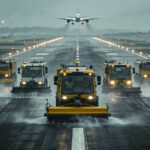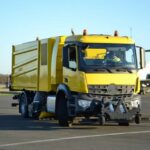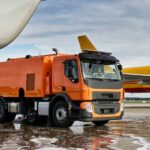
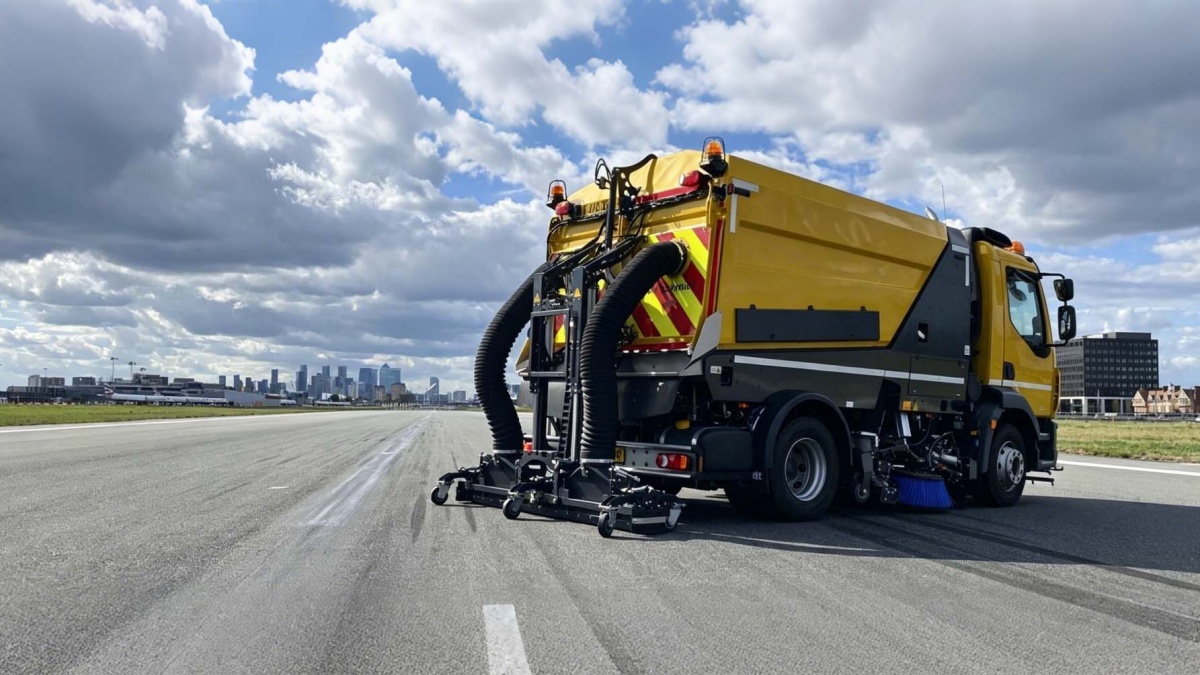
Airport runway cleaning is no longer just about brushes, suction power, and water spraying. As airports become busier and safety requirements become stricter, runway sweepers are evolving into intelligent machines that can monitor, analyze, and optimize their own performance.
At the center of this transformation is CAN Bus technology combined with intelligent control systems.
By connecting different vehicle components through real-time communication, modern runway sweepers are becoming smarter, more efficient, and more reliable—helping airports maintain cleaner surfaces while reducing downtime and operating costs.
From Mechanical Operation to Intelligent Management
Traditional airport runway sweepers relied heavily on mechanical controls and operator experience.
Drivers needed to manually adjust:
- Sweeping speed
- Brush pressure
- Suction power
- Water flow
- Cleaning modes
Although experienced operators could achieve excellent results, the system depended greatly on human judgment.
With the introduction of CAN Bus communication technology, different systems inside the sweeper can now exchange information instantly.
Instead of individual components working separately, the entire machine functions as a connected intelligent platform.

What Is CAN Bus Technology?
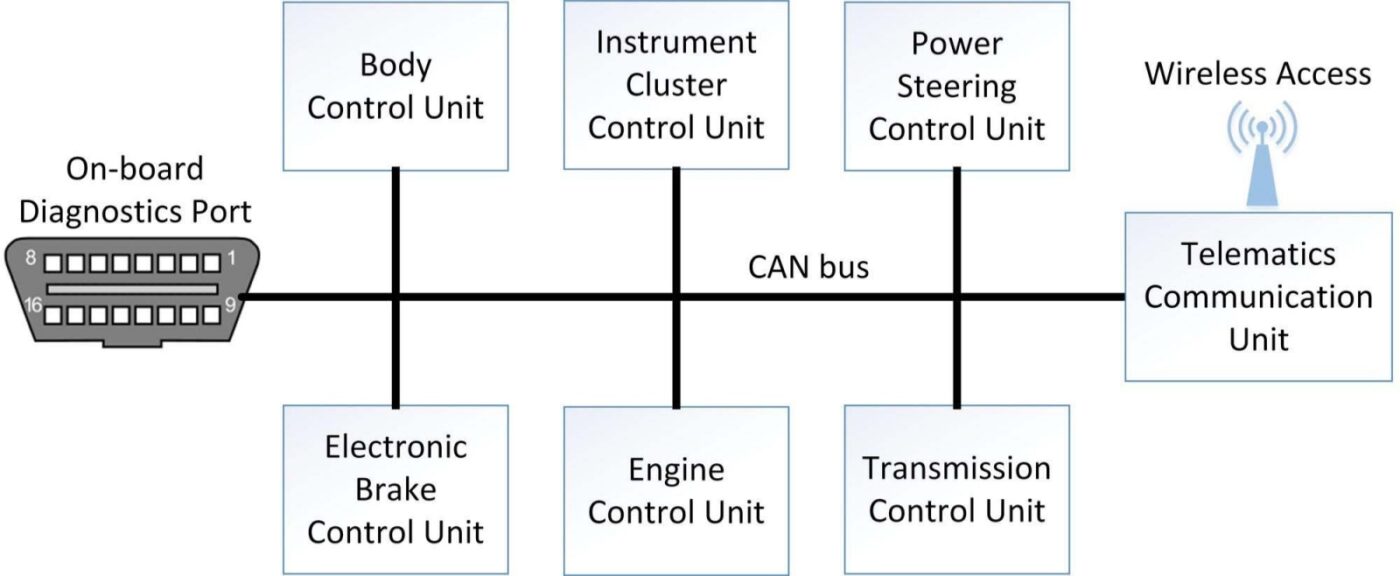
CAN Bus (Controller Area Network) is a communication system originally developed for vehicles and industrial equipment.
It allows multiple electronic control units (ECUs) to communicate through a shared network without requiring complex wiring systems.
In a modern airport runway sweeper, CAN Bus can connect:
- Engine control system
- Hydraulic system
- Fan and suction system
- Brush control units
- Water management system
- Safety monitoring modules
- Operator display interface
This means every major system can share real-time information and respond together.
How CAN Bus Improves Runway Sweeper Performance
1. Smarter Cleaning Control
A modern intelligent runway sweeper can automatically adjust operating parameters according to working conditions.
For example:
- Increase suction power when collecting heavy debris
- Adjust brush pressure based on surface conditions
- Optimize water usage during dust suppression
- Maintain stable cleaning performance at different speeds
This creates more consistent cleaning results while reducing unnecessary energy consumption.
2. Real-Time Monitoring and Fault Detection
Airport operations require maximum reliability.
Through CAN Bus data communication, the machine can continuously monitor:
- Hydraulic pressure
- Engine status
- Fan speed
- Temperature
- Sensor signals
- Component performance
If an abnormal condition occurs, the system can quickly identify the issue and alert the operator.
This helps:
- Reduce unexpected failures
- Shorten maintenance time
- Improve equipment availability
For airports, where every hour of downtime matters, predictive monitoring provides significant value.
Intelligent Control Makes Operation Easier
One of the biggest benefits of intelligent control systems is reducing operator workload.
Instead of manually controlling every function, operators can use a centralized interface to monitor and manage:
- Cleaning mode selection
- System status
- Performance data
- Maintenance information
Advanced systems can even store operation records, helping fleet managers analyze:
- Fuel consumption
- Cleaning efficiency
- Working hours
- Maintenance cycles
Improving Airport Safety Through Smarter Cleaning
Runway cleanliness is directly connected to aircraft safety.
Foreign Object Debris (FOD), rubber deposits, dust, and sand can create risks during aircraft operation.
A smarter airport runway sweeper helps maintain strict cleanliness standards by providing:
- More accurate cleaning coverage
- Stable suction performance
- Better debris detection
- Consistent operation quality
In challenging environments such as desert airports, intelligent control becomes even more important.
The Future: Connected and Autonomous Airport Maintenance
The development of CAN Bus and intelligent control technology is only the beginning.
Future runway sweepers may integrate:
- AI-based cleaning optimization
- Remote fleet monitoring
- Cloud data analysis
- Autonomous driving assistance
- Predictive maintenance systems
Instead of simply operating a machine, airport teams will manage intelligent maintenance platforms.
The goal is clear: cleaner runways, lower operating costs, and safer aviation environments.
Conclusion
The combination of CAN Bus technology and intelligent control systems is transforming modern runway sweepers from traditional cleaning machines into smart airport maintenance solutions.
By enabling real-time communication, automated adjustment, and advanced monitoring, these technologies improve efficiency, reliability, and safety across airport operations.
As airports continue to demand higher performance and smarter equipment, the future of runway cleaning will not only be about stronger suction or larger capacity—it will be about intelligent machines that understand, adapt, and optimize every operation.