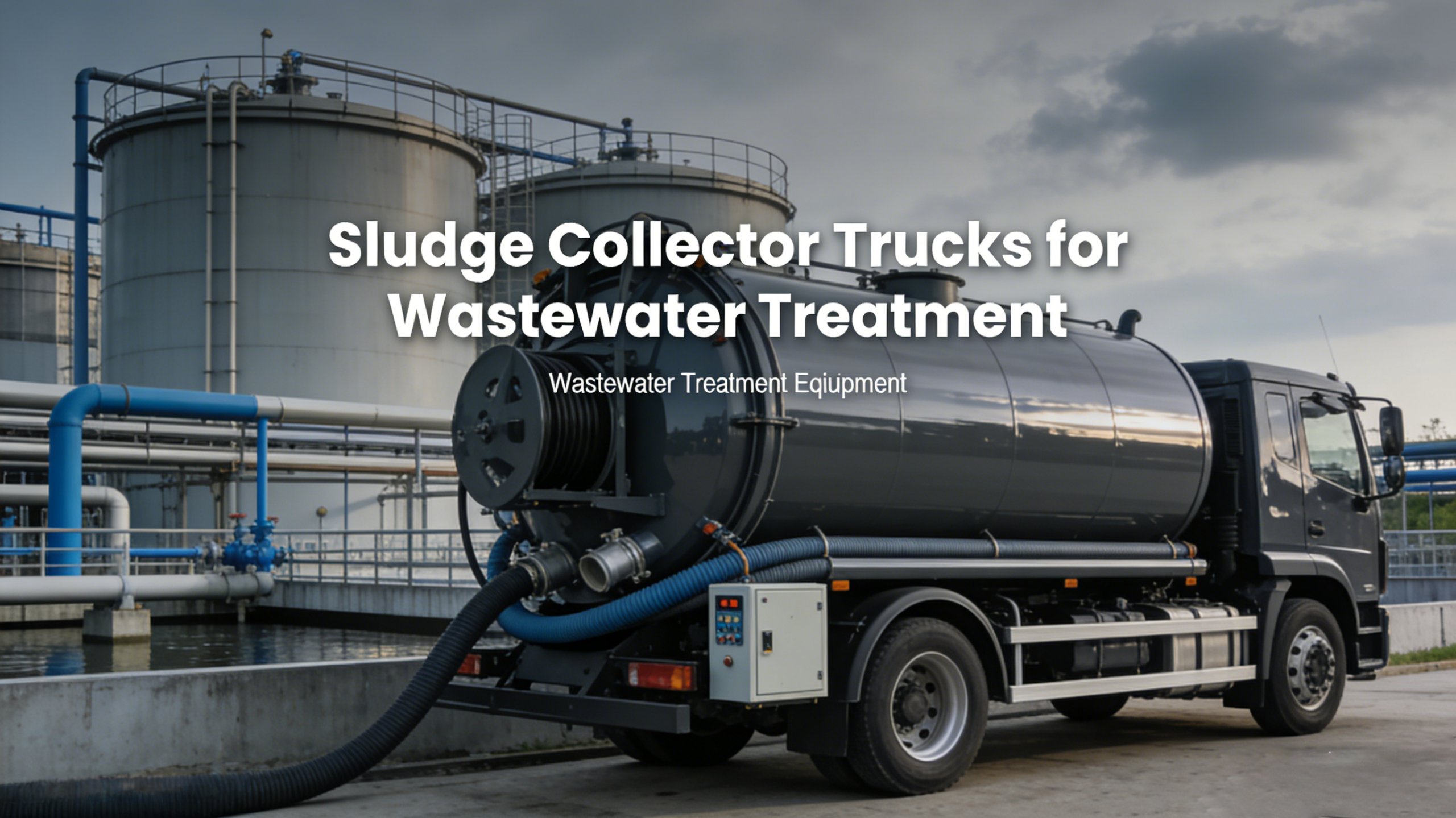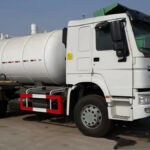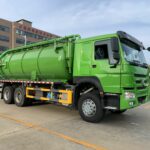
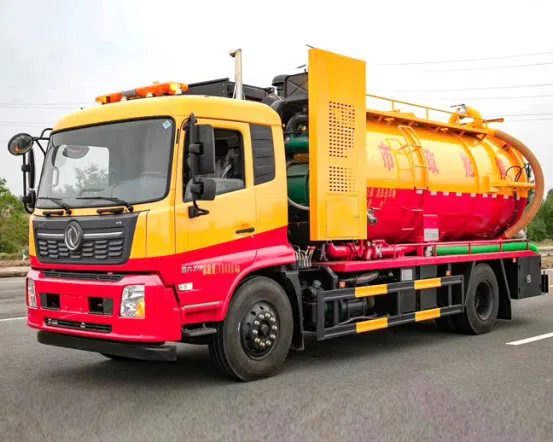
In modern cities, underground drainage and sewage networks play a silent but essential role in keeping urban life running smoothly. They carry stormwater, wastewater, and industrial discharge to treatment facilities. However, over time, these pipelines accumulate grease, sludge, sand, plastics, and other debris. Without regular maintenance, this buildup can lead to blockages, flooding, foul odors, and even serious public health risks.
To solve this problem, cities rely on a specialized piece of equipment—the sewer cleaner truck.
Core Functions of a Sewer Cleaner Truck
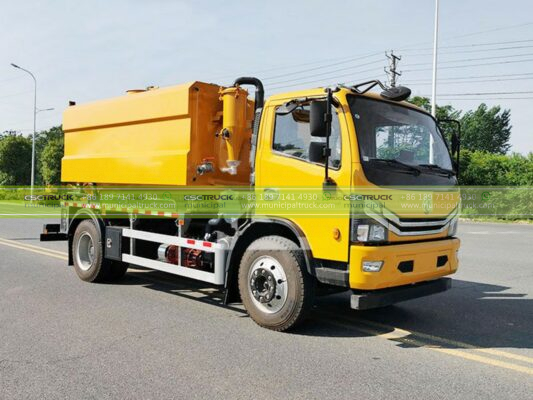
A sewer cleaner truck is a multifunctional maintenance vehicle designed for:
- High-pressure pipeline cleaning
- Vacuum extraction of wastewater and sludge
- Transportation of collected waste
- Preventive maintenance of drainage systems
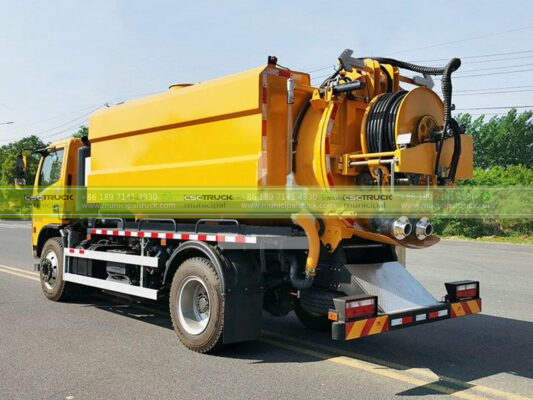
Most modern units combine two key systems:
- High-pressure water jetting system
- Vacuum suction system
Advanced models may also include digital monitoring and automated control systems to improve efficiency and safety.
Step 1: Inspection and Preparation
Before cleaning begins, operators typically assess the condition of the sewer line. This may include:
- CCTV pipeline inspection
- Locating blockages or sediment buildup
- Selecting appropriate nozzles and pressure settings
This step ensures targeted cleaning and prevents unnecessary damage to pipelines.
Step 2: High-Pressure Water Jetting
The cleaning process begins with high-pressure water jetting. A flexible hose is inserted into the pipeline through a manhole, and a specialized nozzle sprays water at extremely high pressure.
This stage is responsible for:
- Breaking down hardened sludge and grease layers
- Removing debris stuck to the pipe walls
- Cutting through soft solid waste
- Flushing materials toward collection points
Different nozzles are used depending on the situation—for example, rotating nozzles for general cleaning or penetrating nozzles for severe blockages.
Key advantages:
- Environmentally friendly (no chemicals required)
- Effective for long and complex pipelines
- Highly adaptable to different blockage types
Step 3: Vacuum Extraction of Waste
Once debris is loosened and mobilized, the vacuum system activates.
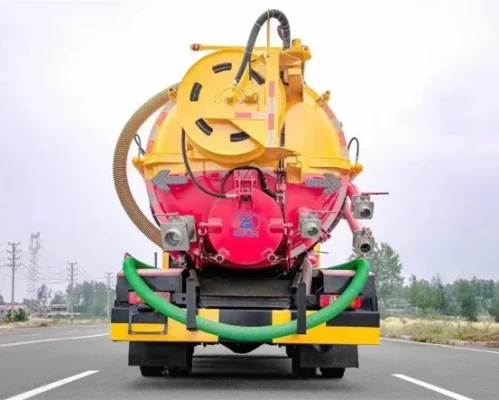
A powerful suction unit creates negative pressure inside the tank system, allowing it to:
- Extract wastewater, sludge, and solid waste
- Transport materials through sealed pipelines
- Store waste in onboard high-capacity tanks
In many modern systems, jetting and vacuuming can operate simultaneously, allowing continuous cleaning and significantly improving efficiency.
Step 4: Waste Storage and Transport
All collected waste is stored in sealed tanks to prevent leakage, odor, and environmental contamination. Once full, the truck transports the waste to a designated treatment facility.
Common treatment processes include:
- Solid-liquid separation
- Sludge dewatering
- Biological or chemical treatment
- Safe disposal or resource recovery (such as water reuse)
This ensures environmentally responsible waste handling.
Why Sewer Cleaner Trucks Are Essential
Without regular sewer maintenance, cities can face serious problems:
Flooding risks
Blocked pipelines reduce drainage capacity during heavy rainfall.
Public health hazards
Backflow of sewage can expose communities to harmful bacteria and disease.
Infrastructure damage
Persistent blockages increase pressure in pipelines, leading to cracks or collapse.
Higher maintenance costs
Small blockages can escalate into expensive repairs if not addressed early.
Modern Technological Advancements
Sewer cleaner trucks are becoming increasingly advanced, featuring:
Smart control systems
Automatically adjust water pressure and suction power.
GPS and route optimization
Improve efficiency for city maintenance operations.
Eco-friendly engines
Reduce emissions and support sustainable urban management.
Real-time monitoring
Sensors track performance and pipeline conditions.
Automation and robotics
Reduce human exposure to hazardous sewer environments.
Conclusion
Sewer cleaner trucks are vital tools in modern urban infrastructure management. By combining high-pressure water jetting and vacuum suction technology, they ensure that underground drainage systems remain clean, functional, and safe.
As cities continue to grow and environmental challenges increase, these vehicles will play an even more important role in preventing flooding, protecting public health, and maintaining resilient urban infrastructure.
Looking for reliable sewer cleaner truck solutions for municipal projects? CSCTRUCK Municipal provides customized sanitation vehicle solutions tailored for urban drainage maintenance, sewer cleaning operations, and municipal sanitation fleet requirements. Feel free to contact us for more information and professional support.