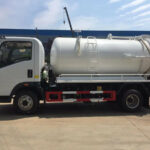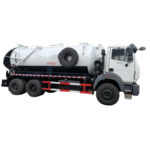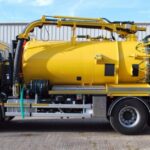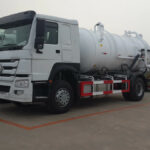
Wastewater treatment plays a vital role in protecting public health and preserving natural water resources. As urban populations grow and industrial activities expand, the need for efficient wastewater management systems becomes increasingly important. One of the key components supporting this process is the sludge collector truck, a specialized vehicle designed to remove and transport sludge from treatment facilities, sewer systems, and industrial sites.
Sludge collector trucks are essential for maintaining the efficiency of wastewater treatment operations. By safely collecting and transporting accumulated sludge, these vehicles help prevent system blockages, maintain treatment performance, and ensure environmental safety.
What Is a Sludge Collector Truck?
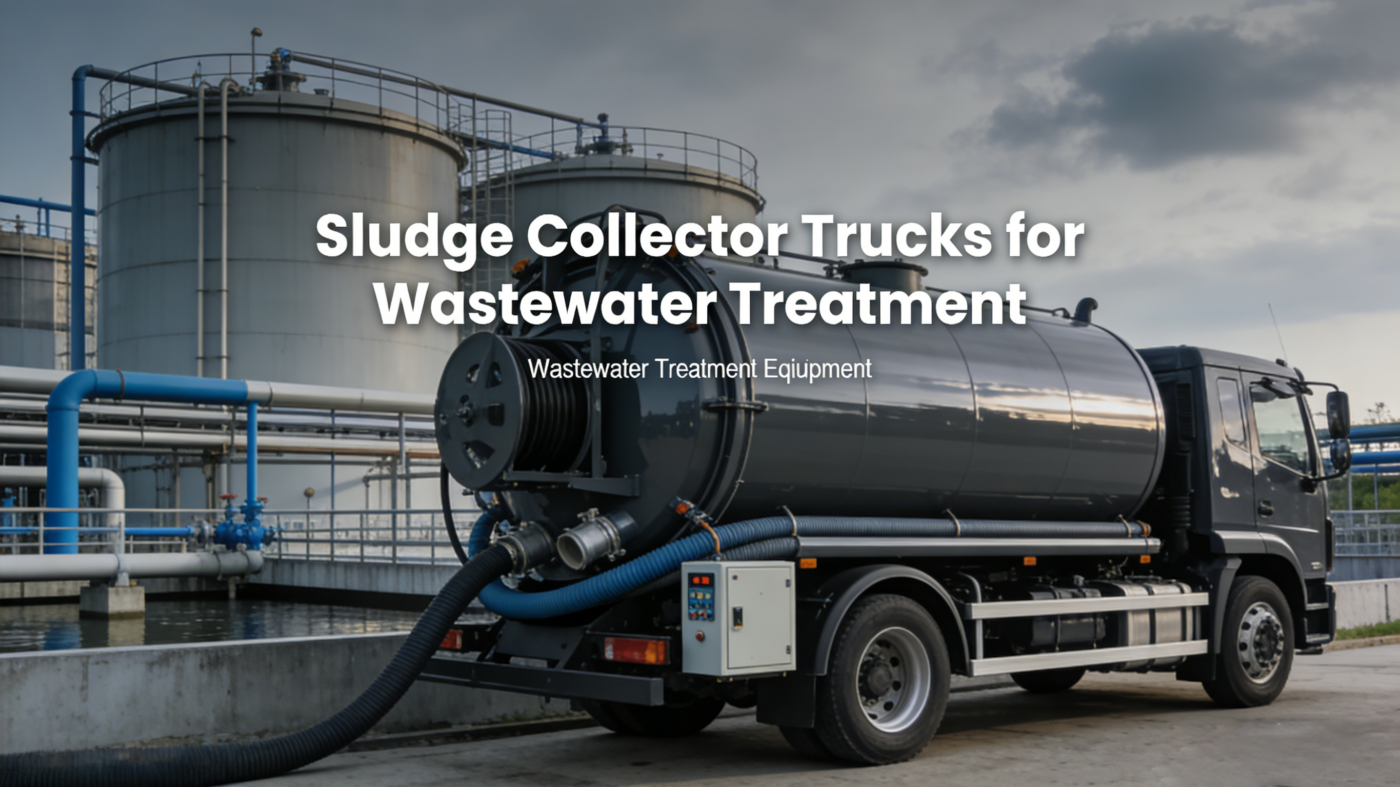
A sludge collector truck is a specialized vehicle equipped with a tank and a powerful suction system used to collect and transport sludge, sediment, and wastewater byproducts. These trucks are commonly used in wastewater treatment plants, municipal sewer systems, and industrial facilities where sludge removal is required as part of routine maintenance and cleaning operations.
The vehicle typically includes a sealed storage tank, vacuum pump, suction hoses, and control systems that allow operators to efficiently extract sludge from tanks, pits, or underground pipelines. Once collected, the sludge can be transported to designated treatment or disposal facilities.
The Role of Sludge Collector Trucks in Wastewater Treatment
Sludge is a natural byproduct of wastewater treatment processes. As wastewater is treated, solid particles settle and form sludge that must be periodically removed to maintain system efficiency. Sludge collector trucks play an important role in this process by enabling safe and controlled sludge removal.
These vehicles support wastewater management in several ways:
- Removing accumulated sludge from treatment tanks and sedimentation basins
- Cleaning sewer lines and drainage systems
- Transporting sludge to processing or disposal sites
- Supporting maintenance of wastewater treatment infrastructure
Without proper sludge removal, treatment systems may experience reduced performance, unpleasant odors, or even system failure.

Key Features of Sludge Collector Trucks
Modern sludge collector trucks are designed to operate in demanding environments while ensuring efficiency and reliability. Several important features make these vehicles suitable for wastewater treatment operations.
1. Powerful Vacuum System
A high-performance vacuum pump allows the truck to quickly extract thick sludge, sediment, and wastewater from tanks or pipelines. The strong suction capability ensures efficient collection even in difficult conditions.
2. Sealed Storage Tank
The truck is equipped with a durable and sealed tank designed to safely store collected sludge during transport. This helps prevent leaks and protects the surrounding environment from contamination.
3. Flexible Suction Hoses
Long and flexible hoses allow operators to reach underground tanks, sewer systems, and confined spaces. This flexibility is essential when working in complex wastewater infrastructure.
4. Durable Construction
Sludge collector trucks are built with corrosion-resistant materials to withstand harsh conditions commonly found in wastewater environments. Their robust design ensures long-term reliability and performance.
5. Easy Operation and Control
Modern vehicles include user-friendly control systems that allow operators to adjust suction power, manage tank levels, and safely control sludge collection operations.
Applications of Sludge Collector Trucks
Sludge collector trucks are used in a wide range of wastewater management operations. Their versatility makes them valuable for both municipal and industrial applications.
1. Municipal Wastewater Treatment Plants
In treatment facilities, sludge collector trucks remove accumulated sludge from sedimentation tanks, digesters, and storage pits. This helps maintain efficient treatment processes and prevents system overload.
2. Sewer and Drainage Maintenance
Municipal service teams use sludge collector trucks to clean sewer lines, storm drains, and underground pipelines. Regular cleaning helps prevent blockages and flooding during heavy rainfall.
3. Industrial Wastewater Management
Many industrial facilities generate wastewater containing sludge and sediments. Sludge collector trucks are used to remove and transport these materials safely for further treatment.
4. Environmental Cleanup Operations
In environmental remediation projects, sludge collector trucks help remove contaminated sediments from ponds, lagoons, and wastewater systems.
5. Related Equipment in Wastewater Maintenance
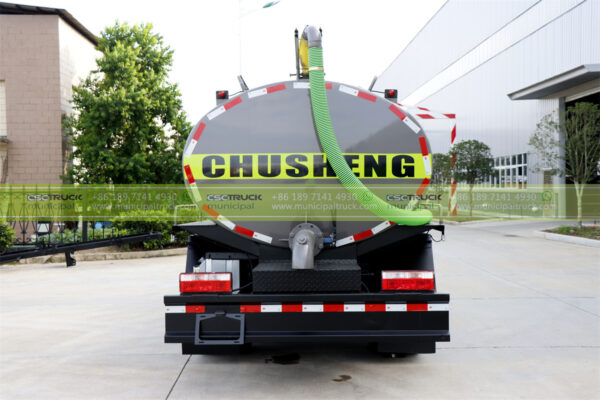
In wastewater maintenance operations, sludge collector trucks often work together with other sanitation vehicles such as vacuum sewer trucks and combo sewer jetter trucks. Vacuum sewer trucks are mainly used to remove liquid waste and sludge through strong suction, while combo sewer jetter trucks use high-pressure water to clear blockages and then vacuum the debris. Together with sludge collector trucks, these vehicles help keep sewer systems and treatment facilities clean and operating efficiently.
Benefits of Using Sludge Collector Trucks
The use of sludge collector trucks offers many operational and environmental benefits for wastewater treatment systems.
1. Improved System Efficiency
Regular sludge removal ensures that wastewater treatment equipment operates efficiently and prevents buildup that could interfere with treatment processes.
2. Environmental Protection
Proper sludge collection and transport reduce the risk of pollution and protect surrounding ecosystems from contamination.
3. Reduced Maintenance Issues
By removing sludge before it accumulates excessively, operators can avoid costly repairs and unexpected system failures.
4. Safe Waste Handling
Sealed tanks and controlled suction systems allow sludge to be handled safely and transported without risk to workers or the environment.
The Importance of Proper Sludge Management
Effective sludge management is an essential part of wastewater treatment operations. If sludge is not removed regularly, it can reduce system capacity, create operational challenges, and lead to environmental risks.
Sludge collector trucks provide a reliable solution for maintaining clean and efficient wastewater infrastructure. Their ability to safely extract and transport sludge ensures that treatment plants and sewer systems continue operating smoothly.
Municipal authorities, environmental service providers, and industrial operators rely on these specialized vehicles to maintain sanitation standards and protect water resources.
Future Trends in Sludge Collection Technology
As environmental regulations become stricter and cities continue to grow, wastewater treatment systems are evolving to become more efficient and sustainable. Sludge collection technology is also improving to support these changes.
Modern sludge collector trucks are being designed with improved vacuum systems, enhanced safety features, and more efficient tank designs. These advancements allow operators to complete maintenance tasks more quickly while reducing environmental impact.
In addition, improved control systems and automation are helping operators monitor sludge collection processes more accurately, increasing overall operational efficiency.
Conclusion
Sludge collector trucks play an essential role in wastewater treatment and environmental protection. By efficiently collecting and transporting sludge from treatment plants, sewer systems, and industrial facilities, these vehicles help maintain the performance of wastewater infrastructure.
Their powerful vacuum systems, durable construction, and versatile applications make them indispensable tools for modern sanitation and environmental services. As wastewater management continues to evolve, sludge collector trucks will remain a critical part of maintaining clean water systems and protecting public health.