Modern cities rely on a wide range of garbage collection trucks to keep streets clean and waste collection efficient. However, not all refuse trucks are designed for the same purpose. Different waste collection methods, container types, road conditions, and waste volumes require different vehicle configurations.
From compact self-loader garbage trucks for residential neighborhoods to heavy-duty hook lift trucks for industrial waste, each vehicle offers unique advantages. Understanding the differences can help municipalities, sanitation contractors, and fleet operators choose the right equipment for their operations.
This guide introduces the five most common types of garbage collection trucks and their typical applications.
1. Self-Tipping Garbage Truck
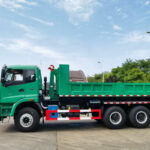
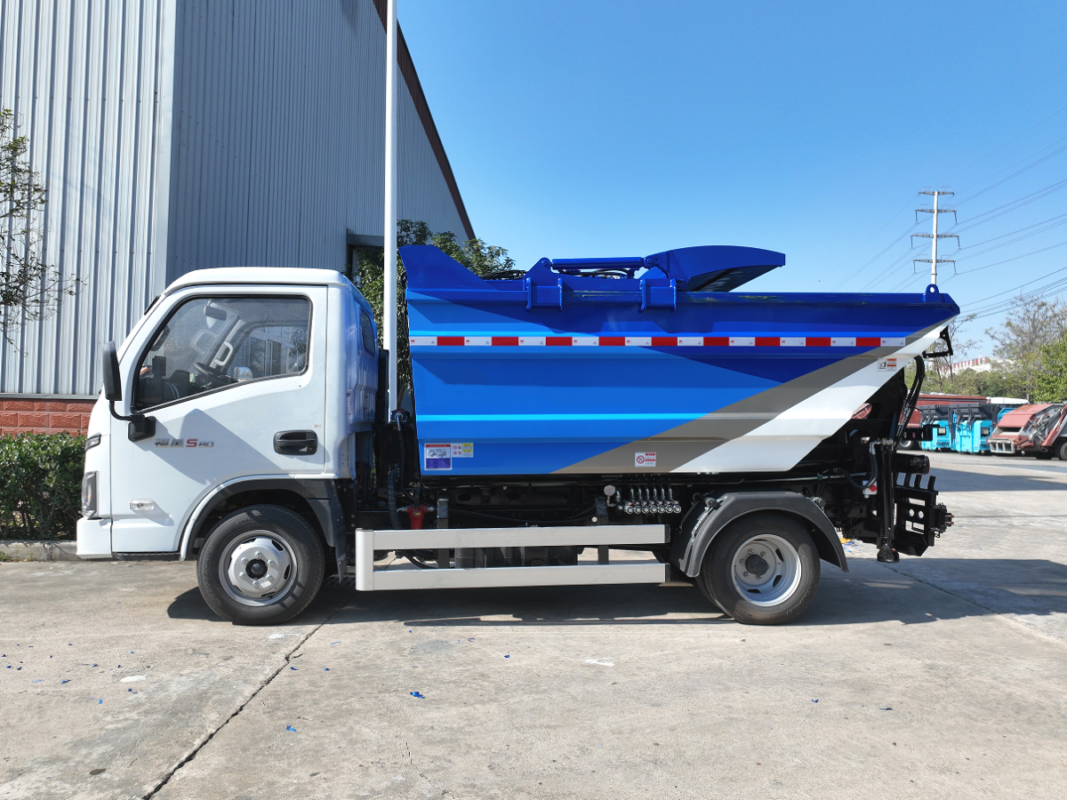
A Self-tipping Garbage Truck is designed with a hydraulic lifting arm that allows the operator to load waste bins directly onto the vehicle without additional equipment. It is widely used in residential communities, villages, parks, and commercial areas where standardized waste bins are common.
Key Features
- Hydraulic self-loading mechanism
- One-person operation
- Suitable for 120L, 240L, and larger waste bins
- Fast loading and unloading
- Compact size for narrow streets
Best Applications
- Residential communities
- Parks
- Schools
- Small towns
- Rural waste collection
2. Side Loader Garbage Truck
A Side Loader Garbage Truck collects waste from the side of the vehicle using a hydraulic lifting mechanism. Many modern models allow the driver to complete the entire collection process without leaving the cab, improving efficiency and safety.
Side loaders are particularly popular in countries with standardized wheelie bins and organized curbside collection systems.
Key Features
- Side-mounted lifting mechanism
- Automated bin handling
- Single-operator collection
- Reduced labor costs
- Excellent visibility during operation
Best Applications
- Urban streets
- Residential neighborhoods
- Smart city waste collection
- Municipal sanitation fleets
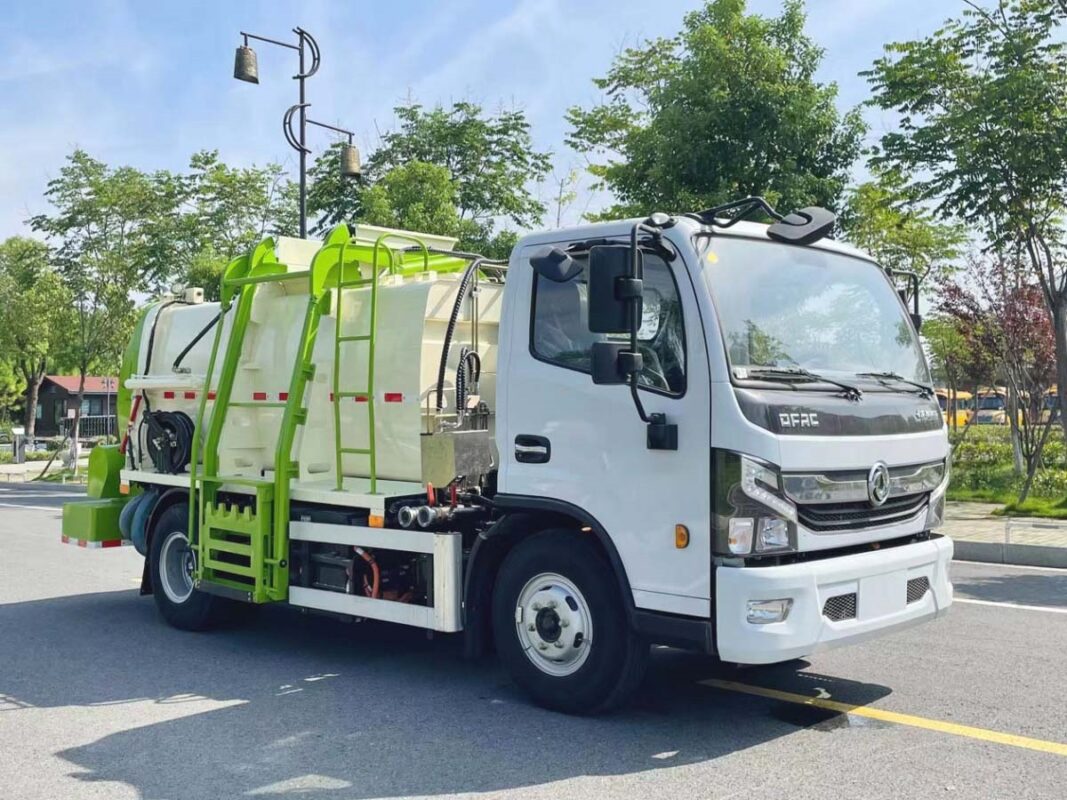
3. Skip Loader Garbage Truck
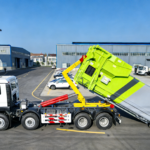
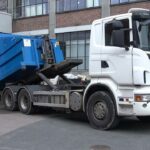
A Skip Loader Garbage Truck is designed to transport removable skip containers using hydraulic lifting arms. Instead of collecting loose household waste, it picks up, transports, and empties large waste containers placed at construction sites, factories, or commercial facilities.
Key Features
- Hydraulic skip lifting system
- Interchangeable containers
- Quick loading and unloading
- High operational flexibility
- Suitable for bulky waste
Best Applications
- Construction sites
- Industrial parks
- Commercial waste
- Public facilities
- Temporary waste collection points
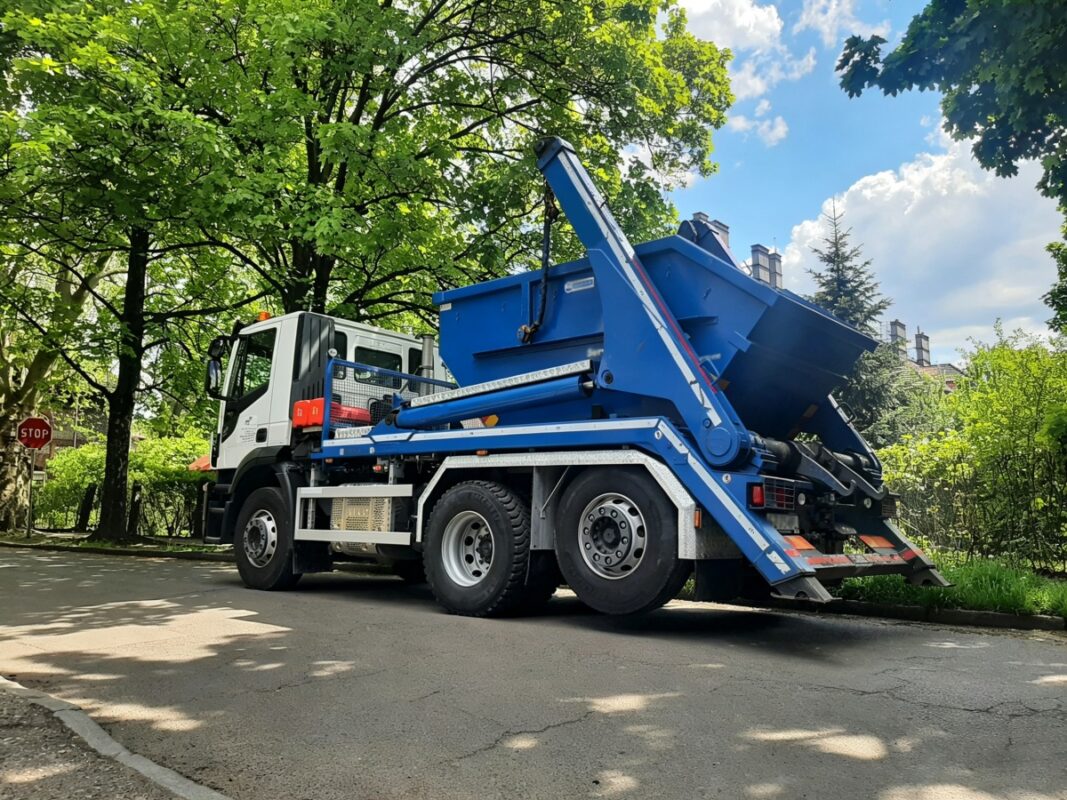
4. Hook Lift Garbage Truck
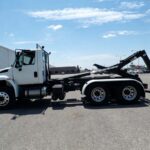
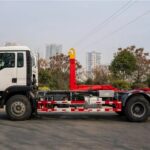
A Hook Lift Garbage Truck uses a hydraulic hook arm to load and unload roll-on/roll-off containers quickly. Unlike a skip loader, the hook lift system can handle larger containers and is widely used for construction waste, demolition debris, recycling, and industrial refuse.
One of its biggest advantages is versatility—a single chassis can transport multiple container types for different tasks.
Key Features
- Hydraulic hook lifting system
- Roll-on/roll-off operation
- Large container capacity
- Multi-purpose vehicle
- Fast container exchange
Best Applications
- Construction waste
- Recycling centers
- Industrial waste
- Demolition projects
- Municipal transfer stations
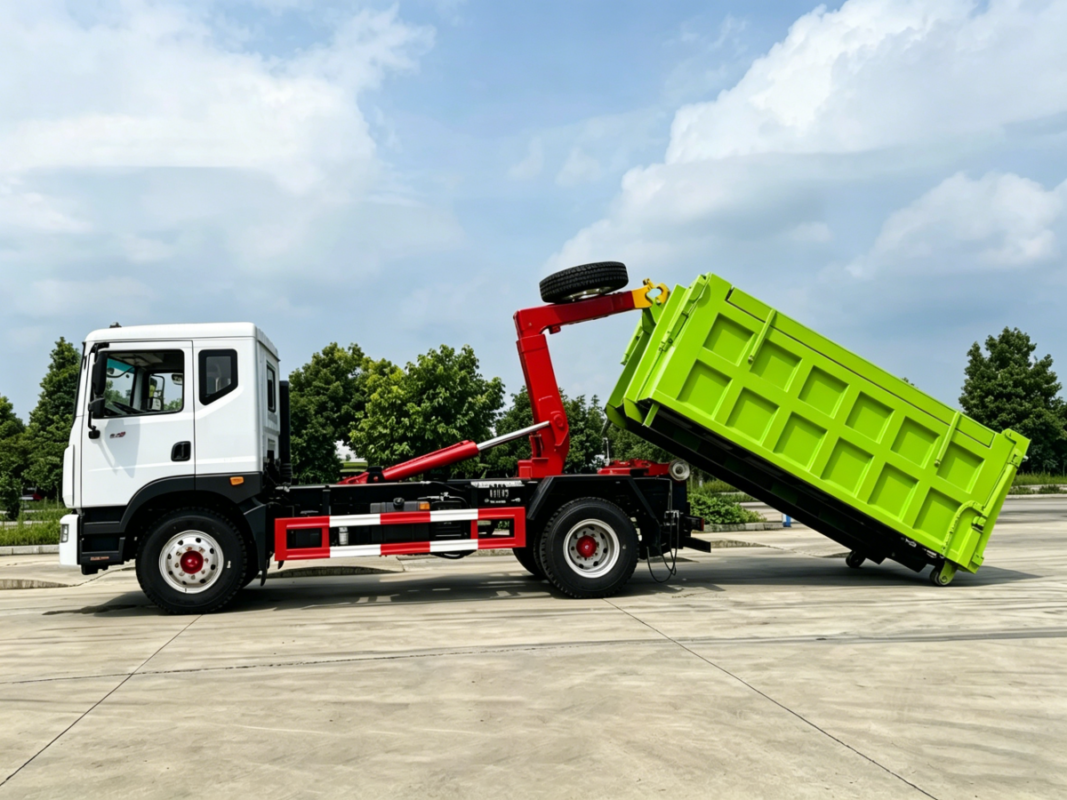
5. Compactor Garbage Truck
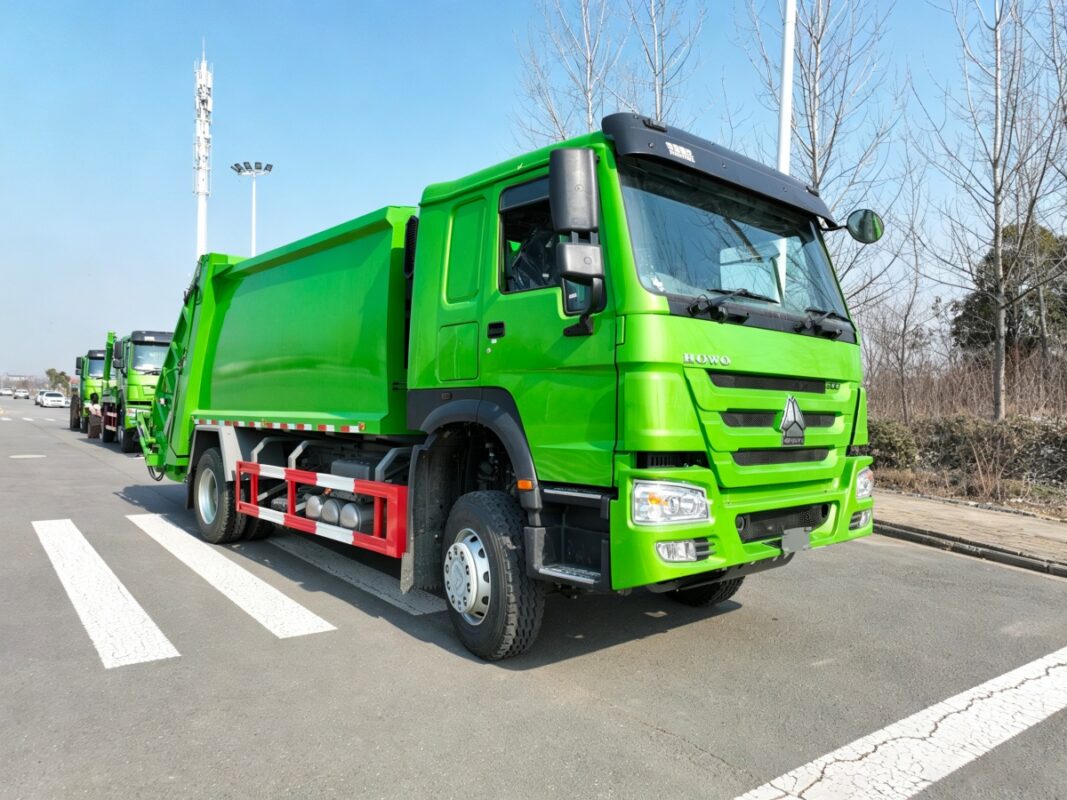
A Compactor Garbage Truck is the most common refuse collection vehicle used by municipalities worldwide. It uses a hydraulic compaction system to compress loose waste, allowing the truck to carry significantly more refuse in a single trip.
Modern compactor trucks are available in both diesel and electric versions and feature fully sealed bodies to prevent odor and leachate leakage.
Key Features
- Hydraulic waste compaction
- High payload capacity
- Fully sealed body
- PLC automatic control
- Low operating cost
- Available in diesel and electric models
Best Applications
- Household waste collection
- Urban sanitation
- Residential communities
- Commercial districts
- Municipal waste management
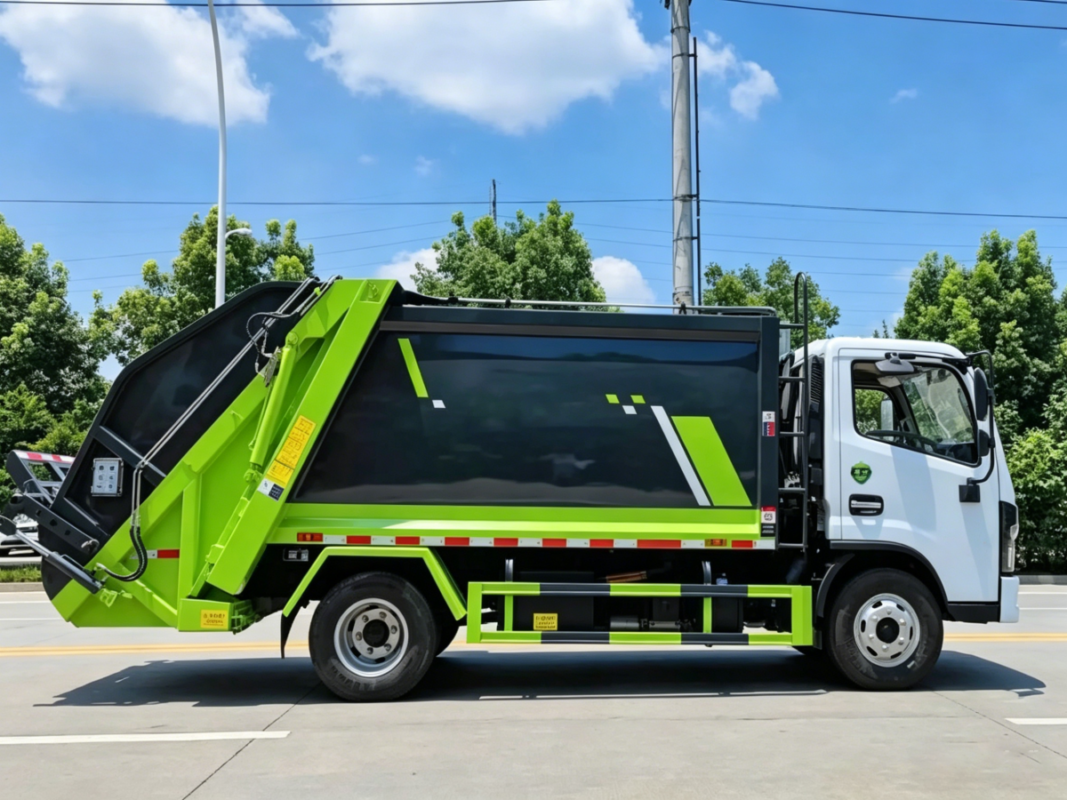
Comparison Table
| Truck Type | Main Function | Best Application | Main Advantage |
|---|---|---|---|
| Self-Tipping | Lift standard waste bins | Communities, parks, villages | Simple, economical, one-person operation |
| Side Loader | Side automatic bin collection | Urban residential streets | High automation and reduced labor |
| Skip Loader | Transport skip containers | Construction sites, factories | Flexible container handling |
| Hook Lift | Roll-on/roll-off container transport | Industrial and demolition waste | Large container capacity and versatility |
| Compactor Truck | Compress and transport household waste | Municipal sanitation | Highest collection efficiency and reduced transport costs |
Which Garbage Collection Truck Is Right for You?
The best garbage collection truck depends on your operational needs:
- Choose a Self-Loader for small communities and rural waste collection.
- Choose a Side Loader for efficient, automated curbside collection.
- Choose a Skip Loader when handling removable waste containers.
- Choose a Hook Lift Truck for construction, industrial, or recycling applications.
- Choose a Compactor Garbage Truck for daily municipal household waste collection where high efficiency and reduced transportation costs are priorities.
Conclusion
Each type of garbage collection truck is designed for a specific waste management task. While self-loaders and side loaders excel in routine residential collection, skip loaders and hook lift trucks provide flexible container transport for industrial and construction waste. For municipalities seeking maximum efficiency in household waste collection, the compactor garbage truck remains the most widely used and effective solution.
Selecting the right vehicle based on waste type, collection method, and operating environment can improve productivity, reduce costs, and support cleaner, more sustainable cities.