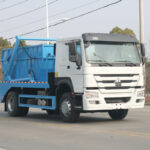
Built to Last & Fully Tailored: Top-tier garbage, sweeper and sewer trucks crafted for unrivaled durability. A trusted choice for municipal governments across the globe.
Hook Load Garbage Trucks – Versatile Waste Handling for Modern Waste Management
In modern waste management systems, different types of garbage trucks are designed for different collection scenarios. Rear loader garbage trucks are commonly used for residential waste collection because workers can load waste from the rear of the vehicle, while side loader garbage trucks are often used for automated collection routes where bins are lifted and emptied from the side.
Although these traditional garbage trucks are highly efficient for routine municipal waste collection, they typically use fixed bodies designed for a single type of operation. As waste handling needs grow in areas such as construction, industrial facilities, and large-scale transport, more flexible solutions are increasingly required.
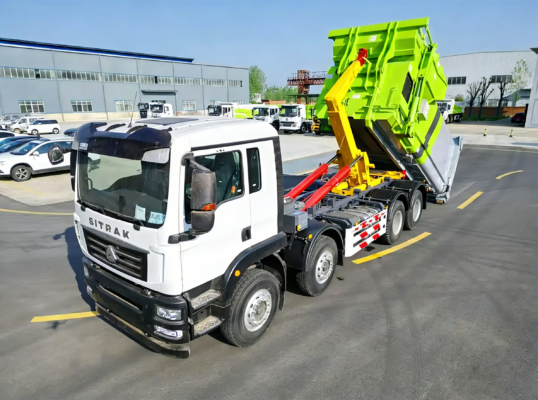
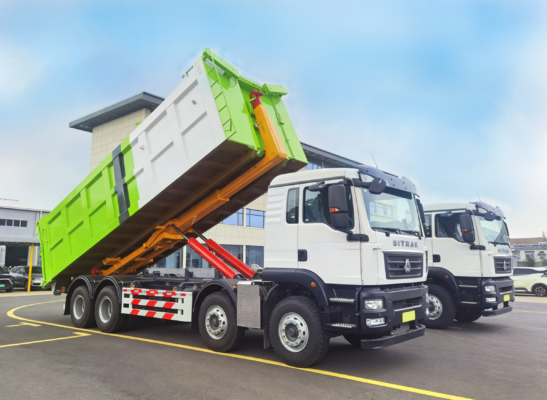
Hook load garbage trucks use detachable containers and a hydraulic hook lifting system to quickly load, transport, and swap containers. This design allows a single vehicle to handle multiple waste transport tasks, making it a more versatile solution in modern waste management.
This article explores how hook load garbage trucks work, their advantages, common applications, and why they are becoming an essential part of modern waste management operations.
What Is a Hook Load Garbage Truck?
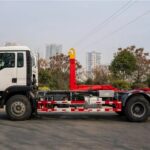
The hook load garbage truck is a specialized vehicle equipped with a hydraulically powered hook arm system mounted on a truck chassis. Unlike conventional refuse trucks that have a permanently attached compactor body or dump box, hook load trucks are designed to work with separate, interchangeable containers. The hydraulic hook mechanism reaches back, engages a container’s lifting bar, and pulls it onto the truck’s subframe for transport. The same system can unload the container by reversing the process or, in many designs, can tilt the container to dump its contents directly.
This “containerized” approach to waste handling means a single truck can serve multiple functions throughout its workday. Morning residential collections using one set of containers can be followed by afternoon construction debris removal using completely different bins, all without the truck returning to the depot for a different vehicle.
The hook lift system consists of several key components working in harmony: the main hydraulic cylinder that provides lifting force, the hook arm that engages the container, the subframe that supports the loaded container during transport, and the control system that allows the operator to manage all functions. Modern systems are designed for durability, with high-strength alloy steel construction and robust hydraulics capable of handling substantial loads
How the Hook Load System Works
The working principle of a hook load garbage truck is based on a hydraulic lifting and sliding mechanism that allows containers to be loaded directly onto the vehicle frame.
The basic process typically involves several steps:
Container positioning
A detachable waste container is placed on the ground at the collection site. The truck reverses toward the container so the hook arm can reach the lifting bar.
Hydraulic lifting
The hook arm extends and locks onto the container’s lifting point. Using hydraulic power, the arm pulls the container onto the truck chassis along guiding rails.
Transport
Once loaded, the container is secured for safe transportation to waste transfer stations, recycling facilities, or disposal areas.
Unloading
At the destination, the hydraulic system tilts and slides the container back onto the ground, allowing it to be emptied or replaced with another container.
Because the process is largely automated, it reduces the need for manual labor and increases operational efficiency.
Key Advantages of Hook Load Garbage Trucks
Hook loader garbage trucks have gained popularity because they combine flexibility, efficiency, and operational cost savings. Their unique container system offers several practical advantages for waste management operations.
Exceptional Versatility
One of the biggest advantages of hook load trucks is their ability to handle different types of containers. Operators can switch between containers designed for municipal waste, construction debris, recycling materials, or industrial waste.
This flexibility means one vehicle can perform multiple roles that would otherwise require different specialized trucks.
Efficient Waste Collection
Traditional waste collection trucks often require fixed bodies or multiple vehicles to handle different waste streams. Hook load trucks simplify the process by allowing containers to be dropped off at multiple sites and collected later.
This approach helps reduce idle time during loading and allows trucks to stay productive throughout the day.
Reduced Labor Requirements
The hydraulic loading system minimizes the need for manual handling. Operators can load and unload containers directly from the truck cabin, improving safety and reducing the physical workload for workers.
Lower Operating Costs
Since one truck can service multiple container types, companies can reduce the number of vehicles required in their fleet. Fewer vehicles often mean lower maintenance, fuel consumption, and operational costs over time.
Faster Turnaround Time
At waste transfer sites, containers can be quickly swapped rather than emptied on-site. This allows trucks to return to collection routes faster, improving overall productivity.
Applications Across Multiple Industries
Hook loader garbage trucks are used in a wide range of industries because they can handle various waste types and container systems. Their adaptability makes them suitable for both municipal and commercial waste management operations.
Municipal Waste Collection
Cities often use hook loader garbage trucks to manage waste containers placed in residential areas, public spaces, and transfer stations. Containers can be distributed across different neighborhoods and collected as needed.
This system helps municipalities maintain cleaner environments while optimizing collection schedules.
Construction and Demolition Waste
Construction sites generate large volumes of debris, including concrete, wood, metal, and packaging materials. Hook load containers can be placed on-site to collect these materials, and trucks can transport them efficiently to recycling or disposal facilities.
This approach simplifies waste management for contractors and project managers.
Industrial Waste Management
Manufacturing facilities frequently produce scrap materials, packaging waste, and other industrial byproducts. Hook loader garbage trucks allow companies to use specialized containers designed for specific waste streams.
The containers can be swapped quickly to maintain smooth operations without interrupting production processes.
Recycling Operations
Recycling facilities often require separate containers for different materials such as plastics, paper, metals, and organic waste. Hook loader garbage trucks make it easy to transport these containers between collection points and processing centers.
Their flexibility supports efficient recycling logistics and helps reduce environmental impact.
Environmental Benefits of Hook Load Waste Collection
As environmental regulations become stricter, waste management companies are seeking more sustainable solutions. Hook loader garbage trucks contribute to environmental efficiency in several ways.
Improved Waste Segregation
The ability to use different containers encourages better waste separation at the source. Proper segregation supports recycling efforts and reduces the amount of waste sent to landfills.
Reduced Fuel Consumption
By allowing a single vehicle to perform multiple collection tasks, hook load systems can reduce the number of trucks required on the road. This leads to lower fuel usage and reduced emissions.
Efficient Waste Transportation
The quick container exchange process helps minimize time spent at collection sites, which reduces unnecessary engine idling and improves route efficiency.
Operational Considerations for Waste Management Companies
While hook loader garbage trucks offer many benefits, effective use requires proper planning and operational management.
Container Standardization
For maximum efficiency, waste management operators should ensure containers follow compatible design standards. Consistent container structures allow trucks to work smoothly across multiple collection sites.
Driver Training
Operators need proper training to safely handle the hydraulic lifting system and container loading procedures. Skilled drivers can improve efficiency while minimizing equipment wear.
Maintenance and Inspection
Regular inspection of the hydraulic system, lifting arm, and chassis components helps maintain reliable performance and extend the vehicle’s service life.
Why Hook Load Trucks Are Growing in Popularity
The demand for flexible waste management solutions continues to grow as urban populations expand and waste volumes increase. Hook load garbage trucks address several key challenges faced by modern waste collection systems.
They provide a multi-functional platform capable of handling different waste streams, reducing fleet complexity, and improving logistics efficiency. For municipalities, contractors, and private waste management companies, this versatility makes hook load trucks an increasingly attractive option.
In addition, the container-based system supports better waste segregation and recycling practices, aligning with global sustainability goals.
The Future of Versatile Waste Handling
As waste management technologies continue to develop, hook loader garbage trucks are expected to remain an important part of the industry. Advances in hydraulic systems, vehicle automation, and smart fleet management will further enhance their efficiency.
The ability to adapt to various waste types and operational requirements ensures that hook load trucks will continue to play a critical role in modern waste collection and transportation systems.
Conclusion
Hook loader garbage trucks represent a practical and highly versatile solution for modern waste management. Their detachable container system allows a single vehicle to handle multiple waste types, improving operational efficiency and reducing costs.
From municipal waste collection to construction debris removal and industrial waste handling, these trucks offer a flexible approach that meets the demands of diverse industries. With their ability to streamline logistics, reduce labor requirements, and support environmentally responsible waste practices, hook load garbage trucks are becoming an essential tool in the future of sustainable waste management.