As cities around the world grow larger and more densely populated, the challenge of keeping streets, highways, and public spaces clean becomes increasingly complex. For decades, municipal cleaning fleets have relied on traditional diesel-powered sweeper trucks to perform this essential task. While effective, these vehicles come with significant environmental costs—emissions that contribute to air pollution, noise that disturbs residents during early morning operations, and reliance on fossil fuels.
Enter the eco-friendly electric sweeper truck. Powered by advanced battery technology and electric drivetrains, these innovative vehicles are transforming the way cities approach street cleaning. They offer a cleaner, quieter, and more sustainable alternative to their diesel counterparts, helping municipalities meet ambitious environmental goals while maintaining the highest standards of public hygiene. This blog explores the technology, benefits, applications, and future of electric sweeper trucks.
What Is an Electric Sweeper Truck?
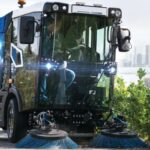
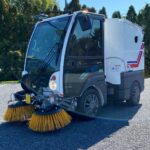
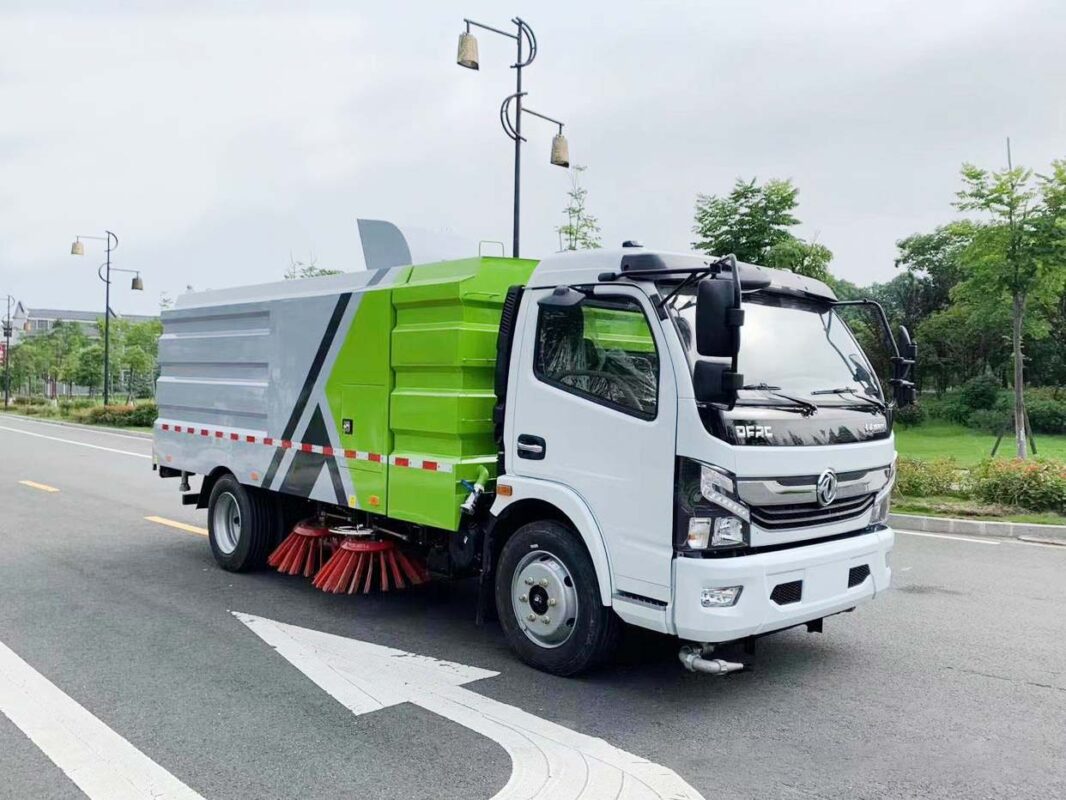
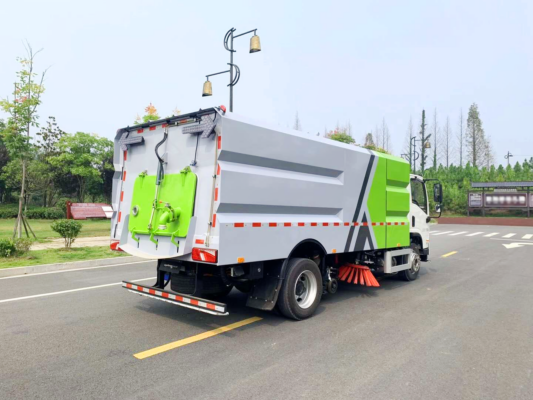
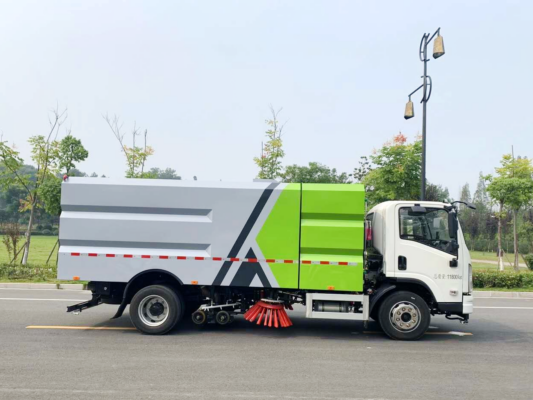
The electric sweeper truck is a specialized commercial vehicle designed for cleaning streets, parking lots, industrial facilities, and other paved surfaces, powered entirely by electricity rather than internal combustion engines. Like traditional sweepers, these trucks are equipped with rotating brushes, vacuum systems, water sprays for dust suppression, and debris hoppers to collect and store waste. The key difference lies beneath the hood—a powerful electric motor and battery pack replace the diesel engine and fuel system.
Electric sweeper trucks come in various sizes and configurations to suit different applications, from compact units ideal for bike paths and pedestrian zones to heavy-duty models capable of cleaning major urban arteries. Some are designed as dedicated electric vehicles, while others are converted from existing diesel platforms. Regardless of configuration, they share common features: zero tailpipe emissions, significantly reduced noise levels, and lower operating costs.
How Do Electric Sweepers Work?
The fundamental cleaning principles remain the same as those of conventional sweepers. Most electric models employ mechanical sweeping systems, using rotating cylindrical brushes to dislodge debris from the pavement and direct it toward a conveyor or vacuum intake. The debris is then transported into an onboard hopper for later disposal. Water spray systems suppress dust during operation, preventing particles from becoming airborne and ensuring thorough cleaning.
The difference lies in the power source. Electric sweeper trucks use high-capacity lithium-ion battery packs to store energy, typically charged overnight at depots or via fast-charging stations during breaks. Regenerative braking systems capture energy when the vehicle slows down, extending range and improving efficiency. Electric motors deliver instant torque, providing excellent cleaning performance even at low speeds—exactly where sweepers operate most effectively.
Modern electric sweepers incorporate sophisticated energy management systems that optimize power consumption based on cleaning requirements. Operators can adjust brush speeds, water flow, and suction power to match conditions, conserving battery life when full power isn’t necessary.
Key Benefits of Electric Sweeper Trucks
The transition to electric sweeper trucks offers compelling advantages for cities, facility managers, and the environment alike.
- Zero Emissions and Cleaner Air
The most significant benefit is the complete elimination of tailpipe emissions. Traditional diesel sweepers release particulate matter, nitrogen oxides, and carbon dioxide directly into the air where people live and work. Electric sweepers produce zero exhaust emissions, contributing to improved local air quality and helping cities meet climate action targets.
- Quiet Operation
Electric sweepers operate at a fraction of the noise level of diesel models. This allows cleaning crews to work during nighttime or early morning hours without disturbing residents. Quieter operation also benefits operators, reducing fatigue and improving working conditions over long shifts.
- Lower Operating Costs
Although the initial purchase price of electric sweepers may be higher, the total cost of ownership over the vehicle’s lifetime is significantly lower. Electricity costs less than diesel fuel, and electric drivetrains have far fewer moving parts, resulting in reduced maintenance requirements. There are no oil changes, fuel filters, or exhaust system repairs to worry about.
- Energy Efficiency
Electric motors convert a higher percentage of stored energy into useful work compared to internal combustion engines, which waste substantial energy as heat. This efficiency translates into more cleaning per charge and lower energy consumption overall.
- Improved Working Conditions
Operators appreciate the smoother, vibration-free operation of electric sweepers. The absence of diesel fumes and engine heat creates a more comfortable cab environment, while reduced noise makes communication easier and less stressful.
- Support for Sustainability Goals
For municipalities and corporations with aggressive sustainability commitments, adding electric sweepers to fleets demonstrates tangible progress. These vehicles serve as visible symbols of environmental responsibility, enhancing public perception and supporting green certification programs.
Applications and Use Cases
Electric sweeper trucks are proving their value across diverse settings, each with unique requirements and benefits.
- Municipal Street Cleaning
Cities worldwide are deploying electric sweepers for routine street sweeping, leaf collection, and post-event cleanup. Their quiet operation makes them ideal for residential neighborhoods, while zero emissions protect air quality in densely populated areas.
- Commercial and Industrial Facilities
Shopping centers, airports, seaports, and manufacturing plants use electric sweepers to maintain clean environments. Indoor facilities particularly benefit from the absence of exhaust fumes, allowing sweepers to operate safely in enclosed spaces without ventilation concerns.
- Parks and Public Spaces
Electric sweepers maintain pedestrian zones, bike paths, and public plazas where noise and emissions would be especially noticeable. Their compact size and maneuverability make them well-suited for these sensitive areas.
- Construction and Mining Sites
Some heavy-duty electric sweepers are designed for demanding environments like construction sites and mines, controlling dust and maintaining safe working conditions without adding to the site’s emissions footprint.
- Events and Stadiums
Following concerts, sports events, or festivals, electric sweepers can clean large venues quickly and quietly, allowing for rapid turnaround without disturbing nearby neighborhoods.
Technology and Innovation
The electric sweeper market is evolving rapidly, with manufacturers introducing new features and capabilities. Battery technology continues to improve, offering longer ranges and faster charging times. Some models now support opportunity charging during breaks, extending operational hours without requiring full charging cycles.
Smart connectivity is becoming standard, with telematics systems providing real-time data on battery status, cleaning performance, and maintenance needs. Fleet managers can optimize routes and schedules based on this information, maximizing productivity and efficiency.
Advanced cleaning systems are also emerging, including high-efficiency particulate air filtration for capturing ultrafine particles and improved water recycling systems that extend operational time between refills.
Challenges and Considerations
Despite their many advantages, electric sweeper trucks face some challenges that potential buyers should consider.
- Initial Investment
The upfront cost of electric sweepers remains higher than comparable diesel models, though declining battery prices and government incentives are narrowing the gap.
- Charging Infrastructure
Fleets must invest in charging infrastructure at depots, which may require electrical upgrades and careful planning to accommodate multiple vehicles.
- Range Limitations
While sufficient for most daily routes, range constraints may require adjustments to scheduling for larger coverage areas or continuous operations. Fast-charging capabilities help address this limitation.
- Battery Life and Replacement
Battery packs degrade over time and eventually require replacement, representing a significant future cost. However, warranty coverage and falling battery prices mitigate this concern.
- Weight Considerations
Batteries add substantial weight to vehicles, potentially affecting payload capacity and requiring reinforced chassis designs.
The Future Outlook
The future of electric sweeper trucks looks bright. As battery technology advances and costs continue to decline, electric sweepers will become increasingly competitive with diesel alternatives. More municipalities are establishing timelines for transitioning their fleets to zero-emission vehicles, creating strong market demand.
We can expect to see continued innovation in charging solutions, including wireless charging pads embedded at cleaning route endpoints, allowing for automatic top-ups during operations. Battery swapping systems may also emerge, enabling continuous operation without waiting for charging.
Autonomous sweeping technology is on the horizon as well, with electric platforms providing an ideal foundation for self-driving systems. Automated sweepers could operate during off-peak hours, further reducing costs and improving efficiency.
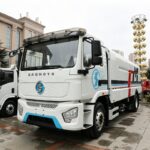
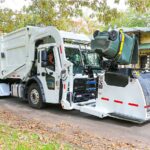
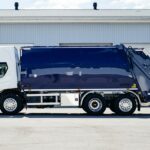
As urban sanitation goes electric, the electric sweeper truck and electric garbage truck have become a “zero-emission dream team.” The sweeper quietly cleans streets by dawn, while the garbage truck collects household waste along the same route. One polishes the city’s “face”—the roads; the other serves its “heart”—the communities. Together, they eliminate noise and exhaust, creating cleaner, quieter cities and a better work environment for sanitation crews.
Conclusion
Eco-friendly electric sweeper trucks represent a significant step forward in the quest for cleaner, quieter, more sustainable cities. By eliminating emissions, reducing noise pollution, and lowering operating costs, these vehicles offer compelling benefits for municipalities, facility operators, and the communities they serve.
While challenges remain, the rapid pace of technological advancement and growing commitment to environmental sustainability point toward a future where electric sweepers become the standard rather than the exception. For cities serious about improving air quality and reducing their carbon footprint, investing in electric sweeper technology is not just an option—it’s becoming an essential part of the urban cleaning toolkit.
As more communities make the switch, the benefits will compound: cleaner air, quieter neighborhoods, and more efficient use of public resources. The humble street sweeper, once an overlooked workhorse of municipal fleets, is emerging as an unexpected hero in the fight against urban pollution. With electric power, these essential vehicles are cleaning more than just our streets—they’re helping build a cleaner, healthier future for everyone.