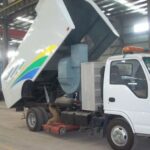
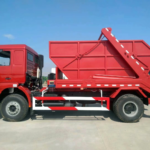
Built to Last & Fully Tailored: Top-tier garbage, sweeper and sewer trucks crafted for unrivaled durability. A trusted choice for municipal governments across the globe.
Saudi Arabia Implements Smart Sewer Cleaning Fleet
Managua, Saudi Arabia – 2026
Urban sanitation is a cornerstone of public health and sustainable city living. Efficient maintenance of sewer systems is crucial to prevent blockages, environmental contamination, and service disruptions. Recognizing this, Saudi Arabia has introduced a smart sewage truck fleet designed to modernize urban sewer management and enhance operational efficiency. This fleet combines advanced vehicle technologies with automation and real-time monitoring to address the challenges of traditional sewer maintenance.
The Importance of Sewage Trucks in Urban Infrastructure
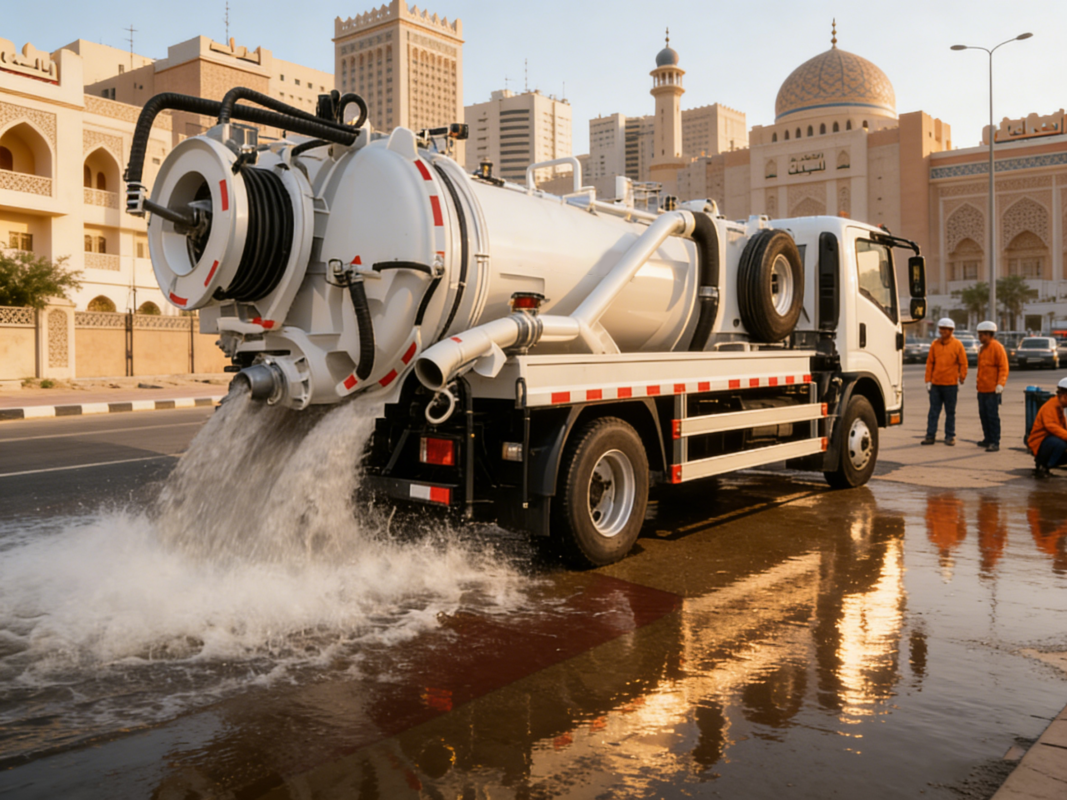
A sewage truck plays a critical role in maintaining the health and functionality of urban sewer networks. These specialized vehicles are designed to remove sludge, wastewater, and other debris from sewer lines and treatment systems. Without timely intervention, blockages can lead to overflows, unpleasant odors, and environmental hazards that affect residents’ daily lives.
Traditional sewer maintenance relied heavily on manual labor and basic equipment, making it labor-intensive, time-consuming, and sometimes hazardous for workers. With increasing urbanization and the complexity of modern sewer networks, cities require a more efficient, safe, and technologically advanced solution.
Types of Sewage Trucks
Sewage trucks come in several classifications, each designed for specific cleaning and maintenance tasks:
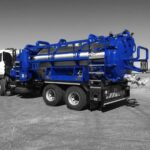
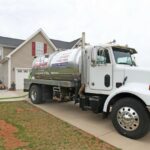
Vacuum Sewer Trucks: Equipped with high-powered suction systems, vacuum trucks remove sludge, wastewater, and other debris from sewer systems and septic tanks. They are highly versatile and are often used for deep cleanings and emergency response.
Sewer cleaner trucks: These trucks use high-pressure water jets to clear blockages, clean pipes, and remove grease or sediment buildup. Jetting trucks are essential for maintaining pipe integrity and preventing future clogs.
Combo sewer jetter trucks: As the name suggests, combination trucks integrate both vacuum and jetting capabilities, allowing operators to perform suction and high-pressure cleaning in a single vehicle. These trucks are often considered the most versatile in modern sewer maintenance fleets.
Sludge Collector Trucks: Specially designed to collect and transport sludge from wastewater treatment plants or industrial facilities, these trucks focus on the safe removal and containment of heavy solids, ensuring that sludge is properly handled without environmental contamination.
By deploying a mix of these sewage trucks, municipalities can address a wide range of sewer maintenance challenges efficiently and safely.
What Makes a Sewage Truck Fleet “Smart”?
A smart sewage truck fleet leverages digital monitoring, automation, and data-driven management to optimize sewer cleaning operations. Modern fleets are equipped with:
Real-time sensors that detect blockages, leaks, and structural issues
High-definition cameras for internal pipe inspection
Automated cleaning systems to minimize manual labor
Data platforms to track maintenance schedules, optimize routes, and prioritize urgent repairs
These features allow operators to proactively address issues, prevent sewer overflows, and ensure the smooth functioning of urban sanitation networks.
Benefits of Implementing a Smart Sewage Truck Fleet
1. Increased Operational Efficiency
Smart sewage trucks streamline inspections and cleaning tasks. Vacuum and jetting systems work faster than traditional methods, and combination trucks allow multiple cleaning techniques to be deployed simultaneously. As a result, sewer maintenance can be completed more efficiently, reducing downtime and operational costs.
2. Enhanced Safety for Workers
Sewer maintenance can expose workers to hazardous gases, pathogens, and confined spaces. By integrating automated systems and remote monitoring, smart sewage trucks minimize direct human exposure, enhancing worker safety while maintaining high cleaning standards.
3. Environmental Sustainability
Efficient sewage cleaning reduces the risk of overflows and water contamination. Smart fleets optimize routes and resource usage, reducing fuel consumption and emissions compared to older vehicles. High-pressure jetting also reduces chemical usage in sewer cleaning, further supporting eco-friendly practices.
4. Data-Driven Maintenance
Modern sewage trucks collect and analyze data to inform decision-making. Operators can monitor pipe conditions, schedule preventive maintenance, and prioritize problem areas. Over time, this data enables predictive maintenance, which minimizes emergency interventions and extends the lifespan of sewer infrastructure.
Integrating Technology with Sewage Truck Operations
Technology is central to smart sewage truck operations. Vehicles equipped with sensors and cameras allow operators to inspect pipes remotely, detect issues early, and document maintenance activity. Some systems integrate with municipal management platforms, providing city authorities with real-time insights into sewer network health.
Advanced fleet management software also enables optimization of cleaning schedules, resource allocation, and route planning. This ensures that maintenance is conducted efficiently while reducing operational costs and downtime.
Overcoming Challenges in Sewer Maintenance
Urban sewer systems face challenges such as aging infrastructure, blockages, grease buildup, and increasing waste volume. Smart sewage truck fleets address these challenges by:
Preventing emergency overflows through proactive cleaning
Extending the life of pipes with regular maintenance
Ensuring compliance with environmental regulations
Reducing long-term costs through predictive planning
By systematically addressing these issues, smart sewage truck fleets enhance the resilience and reliability of urban sanitation systems.
The Broader Impact on Urban Living
Clean and well-maintained sewer systems improve public health, reduce odors, and support environmental sustainability. By implementing a modern sewage truck fleet, cities benefit from:
Fewer sewer-related disruptions
Safer, cleaner streets and neighborhoods
Reduced risk of water contamination
Improved quality of life for residents
For municipalities, smart sewage truck operations enhance accountability, efficiency, and long-term infrastructure planning.
Future Prospects for Sewage Truck Fleets
Saudi Arabia’s adoption of a smart sewage truck fleet reflects a global trend toward digitalized urban sanitation. Future fleets may include:
AI-assisted inspections for early detection of potential problems
Fully autonomous sewage trucks for large urban networks
Integration with other smart city initiatives, such as water treatment and waste management
Advanced reporting and analytics for real-time decision-making
These innovations will further transform sewer maintenance from reactive labor to proactive, highly efficient operations.
Conclusion
The implementation of a smart sewage truck fleet in Saudi Arabia demonstrates the potential for technology to revolutionize urban sewer management. By combining specialized vehicles such as vacuum, jetting, and combination trucks with automation and data-driven strategies, cities can maintain cleaner, safer, and more sustainable sewer systems.
This initiative ensures improved public health, environmental protection, and operational efficiency while setting a benchmark for other urban centers seeking to modernize their sewer infrastructure. As technology evolves, smart sewage truck fleets will continue to play a vital role in building resilient and sustainable cities.