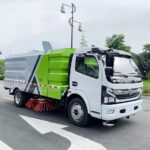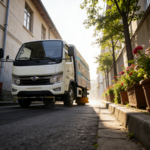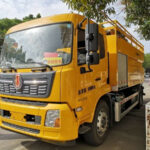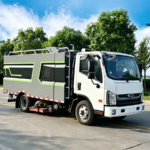
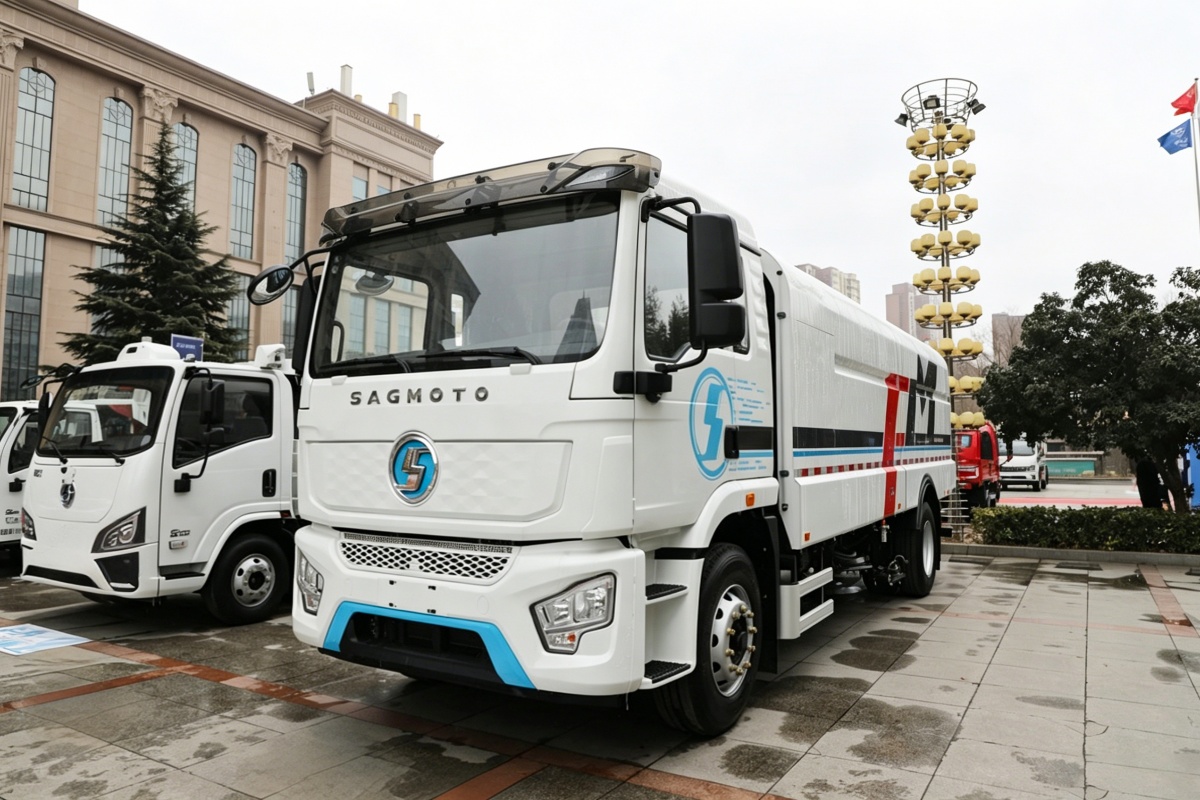
As cities around the world work toward cleaner air, lower carbon emissions, and more sustainable public services, electric street sweepers are becoming an essential part of modern municipal fleets. Compared with conventional diesel-powered sweepers, electric models offer zero tailpipe emissions, significantly lower operating noise, and reduced maintenance costs while delivering the same high standard of road cleaning performance.
Whether used in residential neighborhoods, commercial districts, airports, industrial parks, or university campuses, electric street sweepers provide an environmentally friendly solution that supports cleaner streets and healthier urban environments.
Why Cities Are Switching to Electric Street Sweepers
Municipal governments face increasing pressure to reduce greenhouse gas emissions and improve air quality. At the same time, residents expect quieter and cleaner public spaces, especially in densely populated areas.
Electric street sweepers address these challenges by replacing diesel engines with efficient electric drivetrains. With no exhaust emissions and much lower noise levels, they are ideal for early morning or nighttime cleaning operations without disturbing nearby communities.
As battery technology continues to improve, electric sweepers now provide sufficient operating time to complete daily cleaning routes while significantly reducing operating costs over the vehicle’s lifetime.
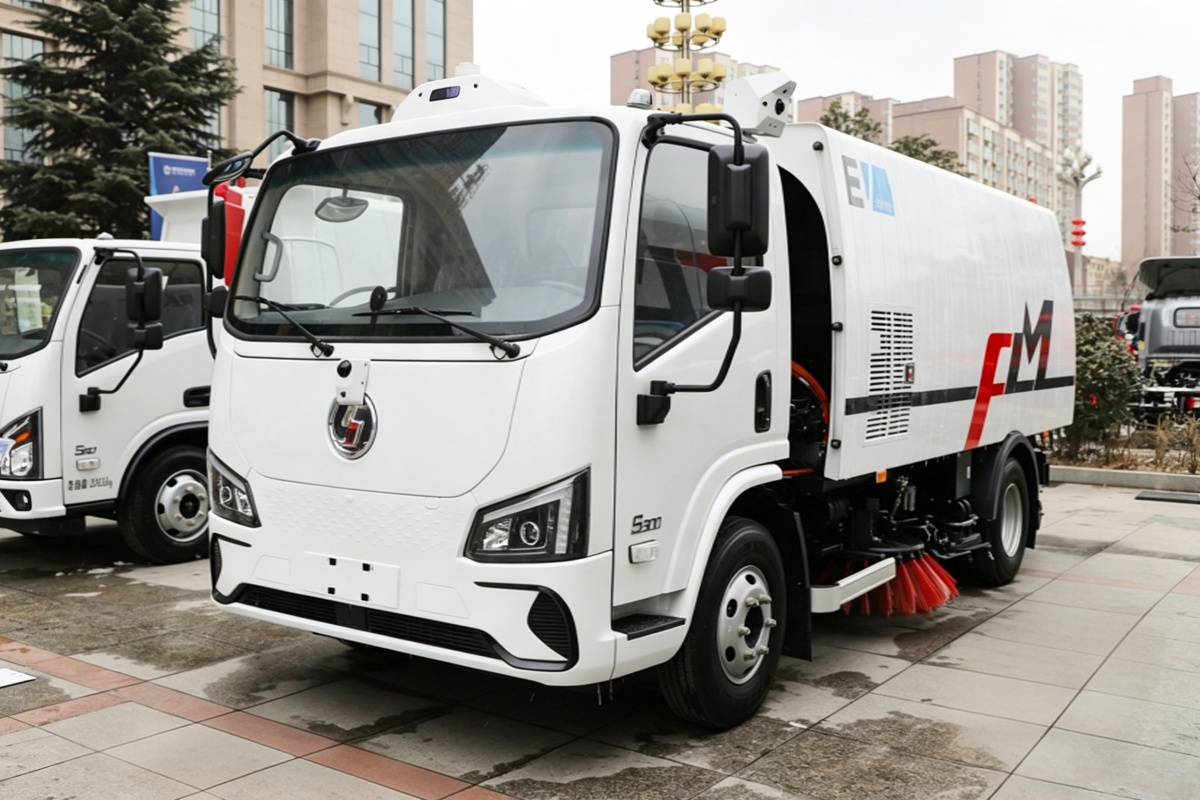
Zero Emissions for Cleaner Cities
One of the biggest advantages of an electric street sweeper is its environmental performance.
Unlike diesel sweepers, electric models produce zero tailpipe emissions, helping cities reduce carbon emissions and improve local air quality. This is particularly important in urban centers where vehicle emissions contribute to air pollution.
For municipalities pursuing carbon neutrality or green transportation initiatives, replacing diesel sweepers with electric alternatives is an effective step toward achieving sustainability goals while maintaining high sanitation standards.
Lower Noise, Better Community Experience
Street cleaning often takes place during the early morning or late at night when traffic is lighter. However, diesel-powered sweepers can generate significant engine noise, creating disturbances for nearby residents, hotels, hospitals, and schools.
Electric street sweepers operate much more quietly because the electric motor produces minimal vibration and noise. This allows cleaning crews to work during off-peak hours without affecting surrounding communities.
Quieter operation also improves driver comfort and creates a safer working environment for sanitation crews.
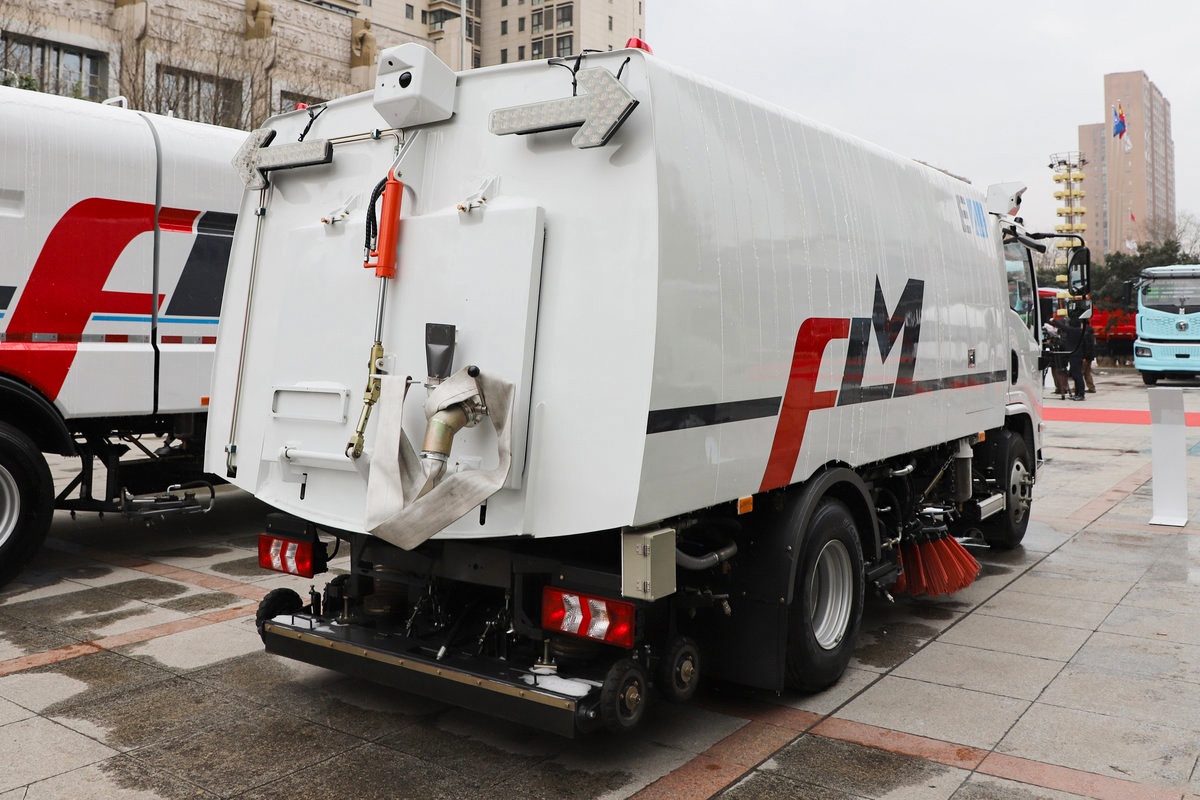
Lower Operating and Maintenance Costs
Although electric street sweepers generally have a higher initial purchase price, they offer substantial savings throughout their service life.
Electricity is typically less expensive than diesel fuel, resulting in lower daily operating costs. In addition, electric drivetrains contain fewer moving parts, eliminating the need for engine oil changes, fuel filters, and many routine engine maintenance tasks.
With reduced maintenance requirements and lower energy consumption, municipalities can significantly decrease the total cost of ownership over the vehicle’s lifetime.
Smart Technology Improves Cleaning Efficiency
Modern electric street sweepers are equipped with advanced technologies that improve both cleaning performance and operator convenience.
Common features include:
- Intelligent touchscreen control systems
- Automatic brush adjustment
- High-efficiency dust suppression systems
- Large-capacity water tanks
- Powerful vacuum suction
- Real-time battery monitoring
- Reverse cameras and safety sensors
These technologies help operators maintain consistent cleaning quality while simplifying vehicle operation and reducing fatigue during long working hours.
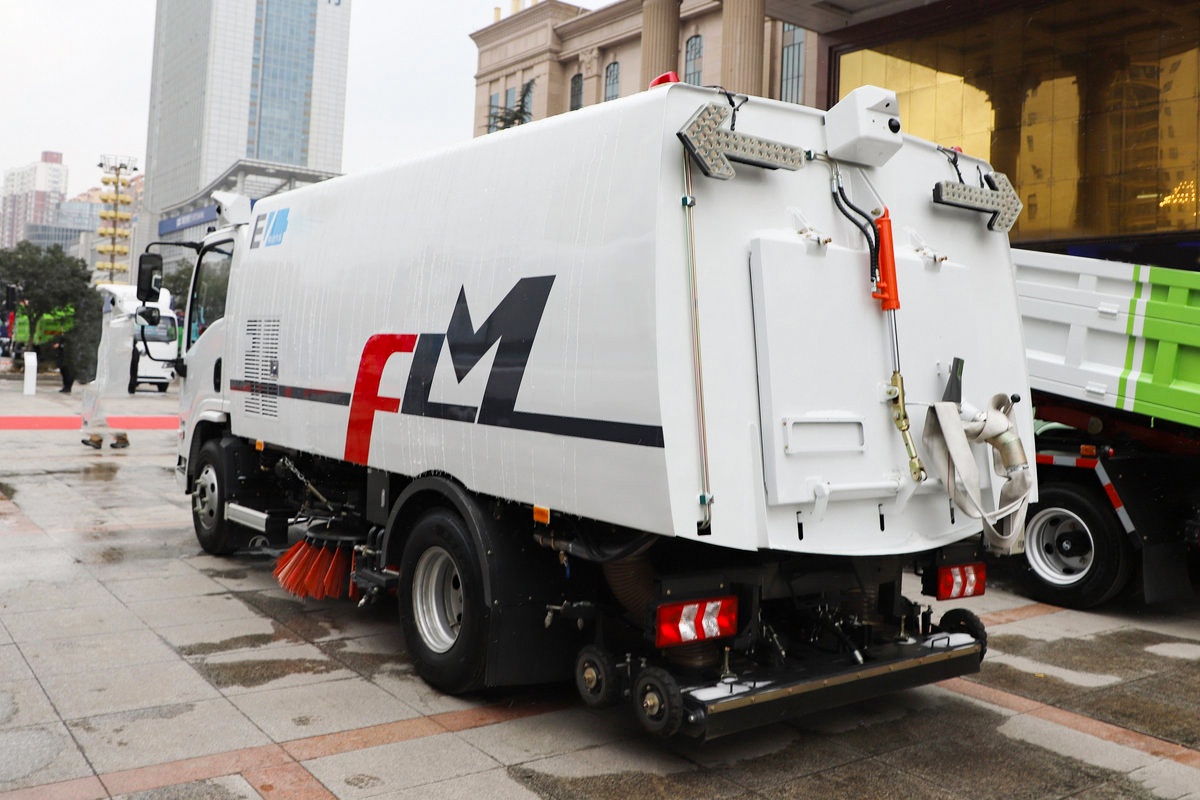
Ideal Applications
Electric street sweepers are suitable for a wide range of cleaning tasks.
Typical applications include:
- Urban roads and city streets
- Residential communities
- Commercial districts
- Airports
- Railway stations
- Industrial parks
- University campuses
- Hospitals
- Tourist attractions
- Public squares
Their compact design and low-noise operation make them especially effective in locations where environmental protection and public comfort are priorities.
Electric vs. Diesel Street Sweepers
| Feature | Electric Street Sweeper | Diesel Street Sweeper |
|---|---|---|
| Tailpipe Emissions | Zero | Produces CO₂ and NOx |
| Operating Noise | Very low | Higher |
| Energy Cost | Lower | Higher |
| Maintenance | Less frequent | More frequent |
| Initial Investment | Higher | Lower |
| Urban Environmental Performance | Excellent | Good |
| Best Application | Cities, residential areas, parks | Long continuous operations |
While diesel sweepers remain suitable for certain heavy-duty applications, electric street sweepers are becoming the preferred choice for municipalities focused on sustainability, environmental protection, and lower long-term operating costs.
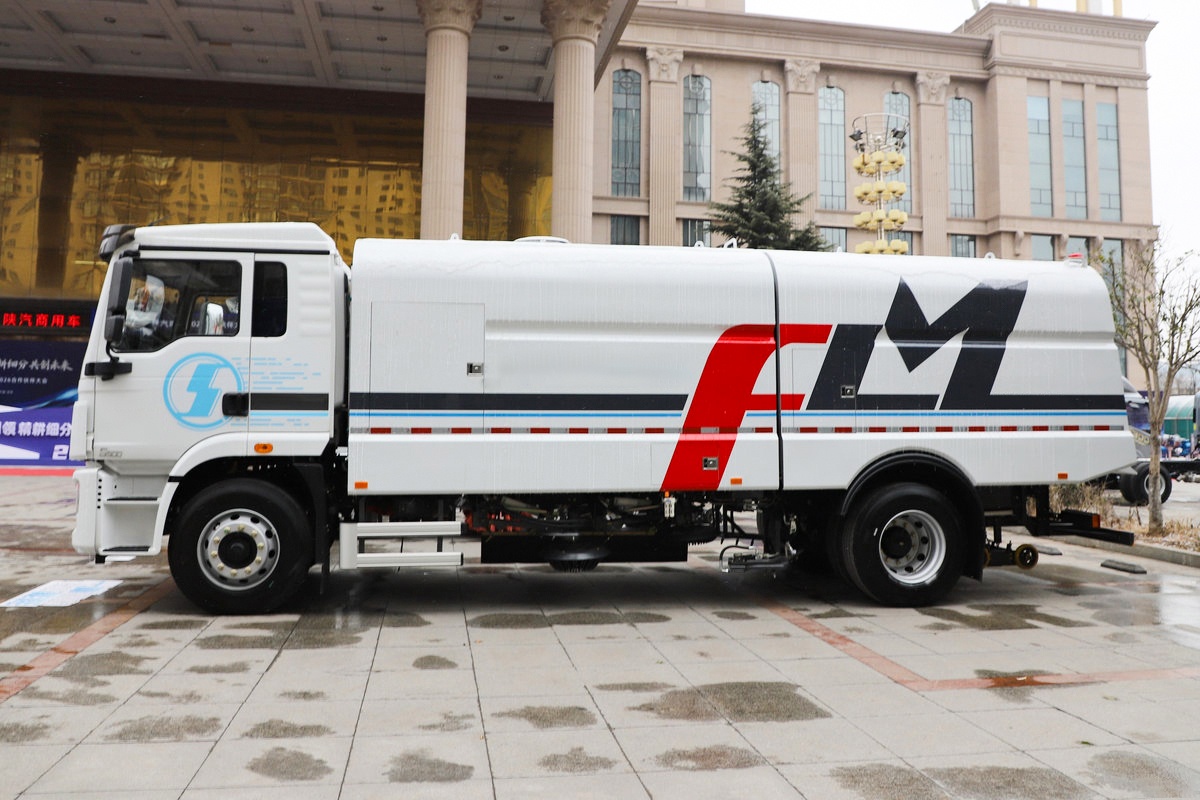
Looking for Street Sweeper Solutions?
Planning to upgrade your municipal cleaning fleet? CSCTRUCK Municipal offer a wide range of truck-mounted sweepers designed for urban roads, residential communities, industrial parks, airports, and other public areas. With zero emissions, low-noise operation, and high cleaning efficiency, our solutions help cities achieve cleaner streets while reducing operating costs.
Contact us today to learn more about our electric sweeper trucks or request a customized solution for your project.