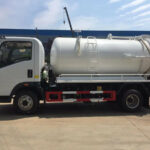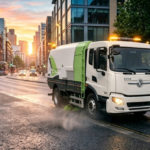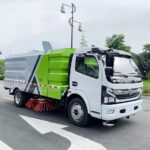
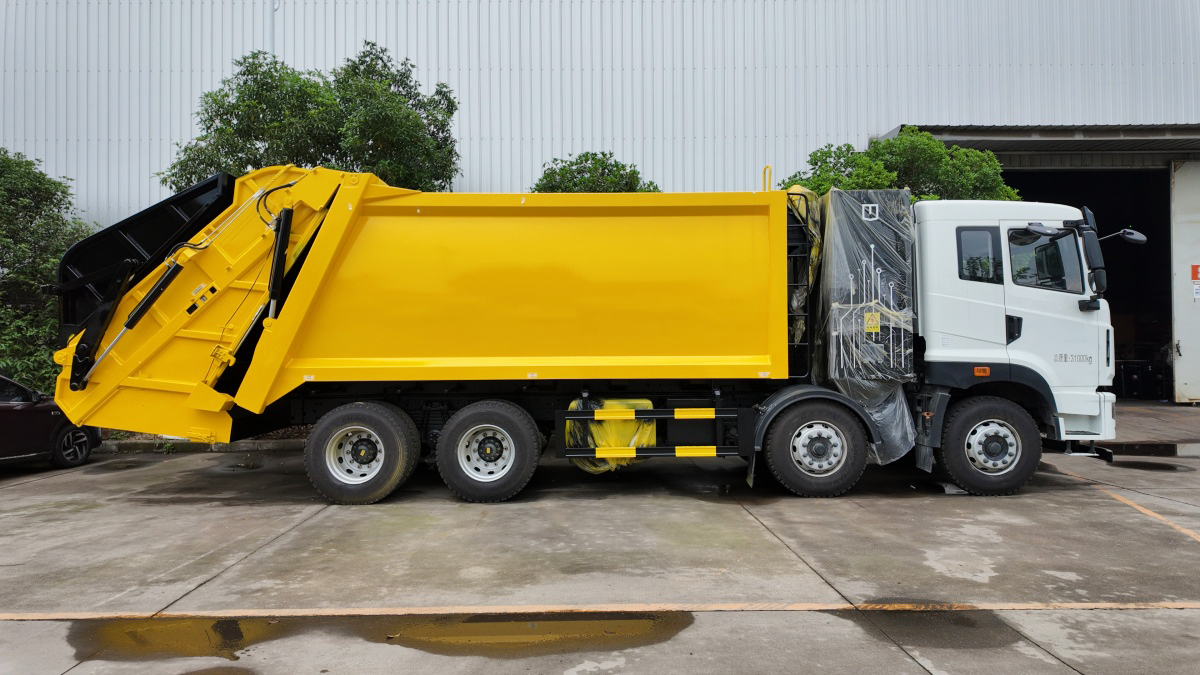
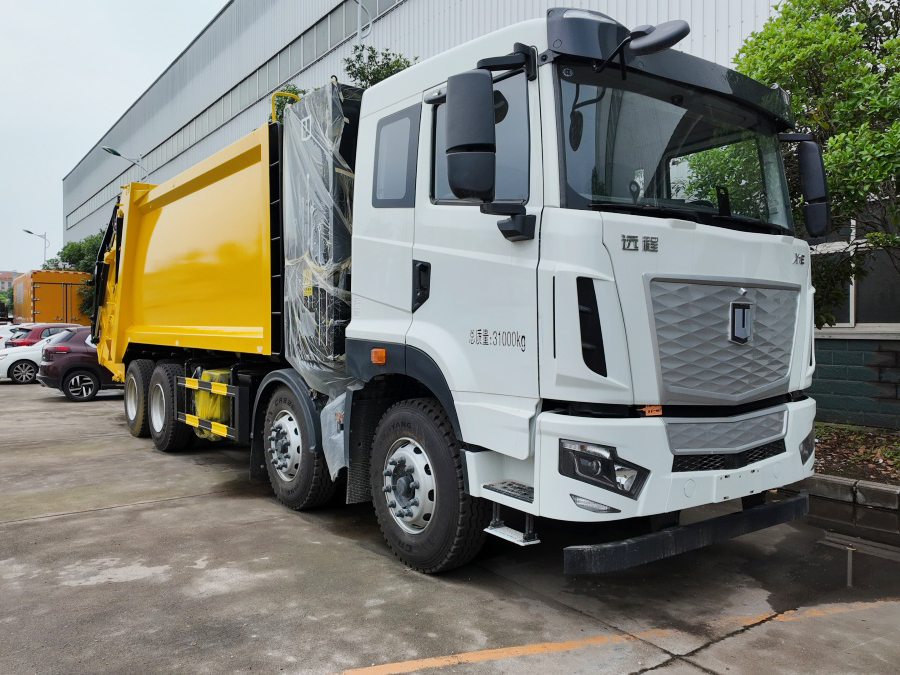
As governments worldwide tighten emission regulations and cities pursue cleaner, smarter waste management, electric garbage compactor trucks are rapidly gaining popularity. At the same time, diesel-powered refuse trucks remain the backbone of many municipal fleets due to their proven reliability, long driving range, and established refueling infrastructure.
So, which option is the better investment?
The answer depends on your operating environment, daily collection routes, budget, and long-term fleet strategy. This guide compares diesel and electric garbage compactor trucks across the factors that matter most, helping municipalities and fleet operators choose the right solution.
1. Purchase Cost
The purchase price is usually the first consideration when investing in new sanitation vehicles.
In general, diesel garbage compactor trucks have a lower upfront cost because the technology is mature and production volumes are high. Replacement parts are also widely available.
Electric garbage compactor trucks typically require a higher initial investment due to the cost of the battery pack and electric drivetrain. In addition, operators may need to invest in charging infrastructure if suitable facilities are not already available.
However, purchase price should not be the only factor. Fleet operators should evaluate the total cost of ownership, including energy, maintenance, and service life.
2. Running Cost
Daily operating costs can have a significant impact over the life of a garbage truck.
Diesel vehicles consume fuel every day, and fuel prices are subject to market fluctuations. Engine oil, filters, and exhaust treatment systems also add to routine operating expenses.
Electric garbage compactor trucks use electricity instead of diesel, making energy costs substantially lower in many regions. Electric motors also convert more energy into usable power than internal combustion engines, resulting in higher efficiency.
For fleets operating every day on fixed routes, the savings in energy costs can become considerable over several years.
3. Maintenance Requirements
Maintenance is another major factor affecting fleet availability and operating costs.
Diesel garbage trucks contain complex mechanical systems, including the engine, gearbox, turbocharger, fuel injection system, exhaust after-treatment, and numerous moving components that require regular servicing.
Electric trucks eliminate many of these components. With fewer moving parts, there is no need for engine oil changes, fuel filters, or exhaust system maintenance. Routine maintenance is generally limited to the hydraulic compaction system, brakes, suspension, and battery inspection.
As a result, electric garbage trucks typically experience less downtime and lower maintenance costs.
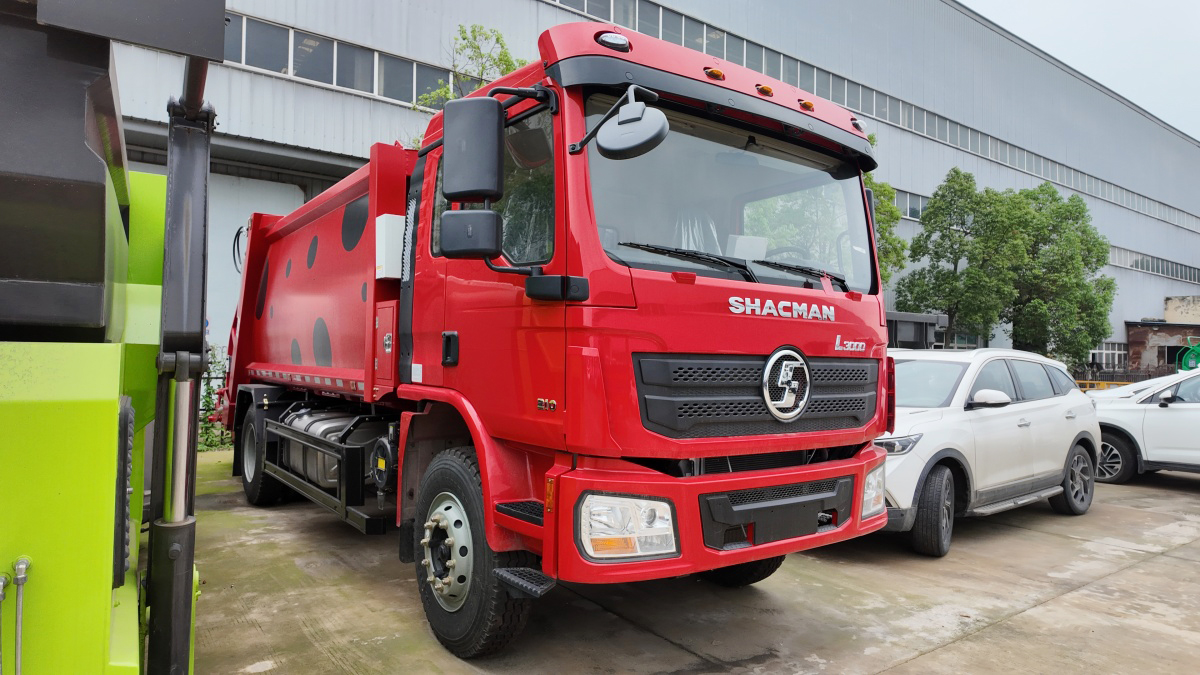
4. Noise and Driver Comfort
Garbage collection often begins early in the morning when residential neighborhoods are still quiet.
Diesel engines generate noticeable engine noise and vibration during operation, particularly when idling or accelerating between collection points.
Electric garbage compactor trucks operate much more quietly because the electric motor produces minimal noise and vibration. This creates a more comfortable working environment for drivers and reduces noise pollution for nearby residents.
For cities with strict noise regulations, electric trucks offer a clear advantage.
5. Driving Range and Refueling
One of the biggest differences between diesel and electric garbage trucks is operational range.
Diesel vehicles can usually operate throughout the day without interruption and can be refueled within minutes at existing fuel stations.
Electric garbage trucks depend on battery capacity and charging availability. Most modern models provide sufficient range for a full day’s municipal waste collection, but operators must plan charging schedules carefully, especially for multiple shifts or long-distance routes.
Fast charging technology continues to improve, yet charging still takes longer than refueling a diesel vehicle.
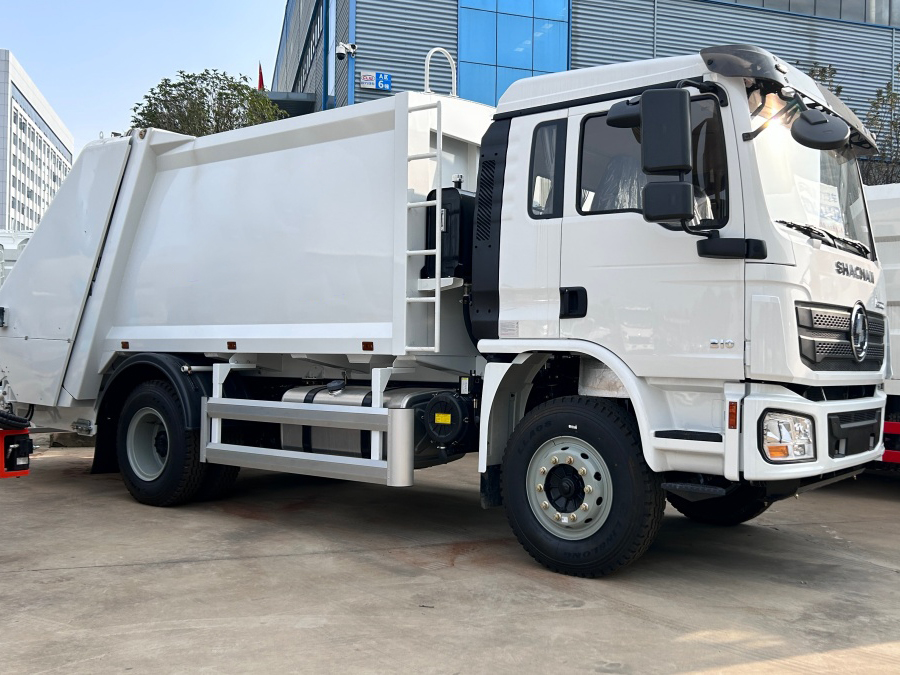
6. Carbon Emissions and Environmental Impact
Environmental performance has become an increasingly important purchasing criterion.
Diesel garbage trucks produce CO₂ emissions, nitrogen oxides (NOx), and particulate matter during operation. Although modern emission standards have significantly reduced pollution, diesel vehicles still contribute to urban air pollution.
Electric garbage compactor trucks produce zero tailpipe emissions and significantly reduce greenhouse gas emissions when powered by renewable electricity. They also help cities meet carbon neutrality targets and improve urban air quality.
For municipalities pursuing green transportation policies, electric vehicles provide a clear environmental advantage.
7. Best Applications
Rather than asking which technology is universally better, it is more useful to determine which one best fits your operation.
Diesel Garbage Compactor Trucks are ideal for:
- Long-distance collection routes
- Rural and remote areas
- Regions with limited charging infrastructure
- Fleets requiring continuous multi-shift operation
- Budget-sensitive projects with lower upfront investment
Electric Garbage Compactor Trucks are ideal for:
- Urban residential communities
- City centers
- Smart city projects
- Airports, universities, hospitals, and industrial parks
- Municipal fleets pursuing carbon reduction goals
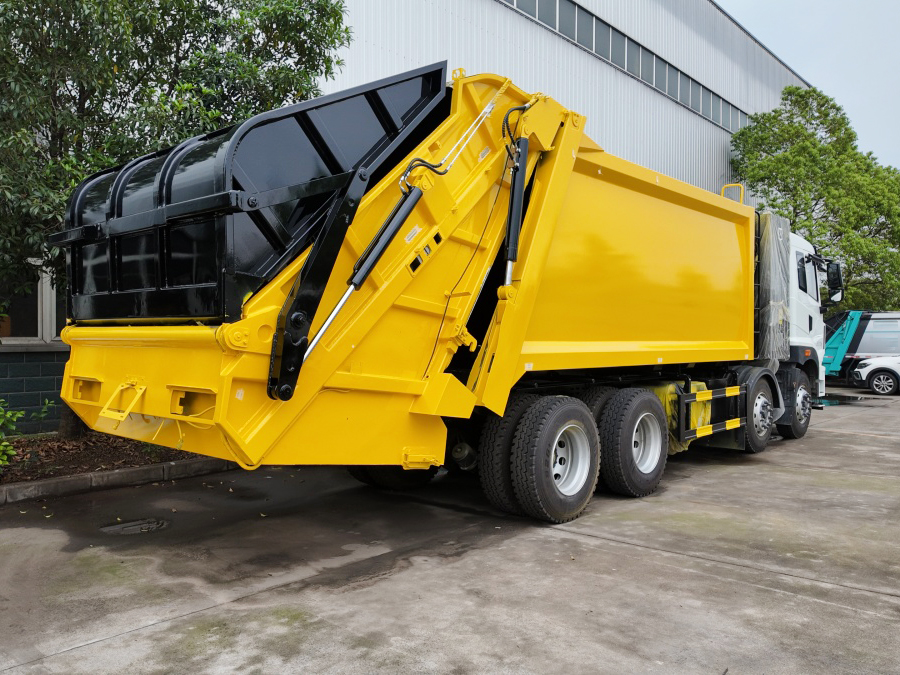
Comparison at a Glance
| Feature | Diesel Garbage Compactor Truck | Electric Garbage Compactor Truck |
|---|---|---|
| Purchase Cost | Lower | Higher |
| Running Cost | Higher | Lower |
| Maintenance | More frequent | Less frequent |
| Noise | Higher | Very low |
| Driving Range | Longer | Suitable for daily urban routes |
| Refueling/Charging | Fast refueling | Requires charging |
| Carbon Emissions | Produces emissions | Zero tailpipe emissions |
| Best Application | Long-distance & rural routes | Urban and environmentally sensitive areas |
Conclusion
Both diesel and electric garbage compactor trucks have their strengths. Diesel models remain the preferred choice for long-distance operations, demanding duty cycles, and areas where charging infrastructure is limited. They offer lower upfront costs, longer driving range, and quick refueling.
However, for most urban waste collection operations, electric garbage compactor trucks are becoming the smarter long-term investment. Their lower energy consumption, reduced maintenance requirements, quiet operation, and zero tailpipe emissions make them particularly well suited to modern cities focused on sustainability and operational efficiency.
As battery technology advances and charging infrastructure expands, electric refuse trucks are expected to play an increasingly important role in municipal sanitation fleets. Fleet operators should evaluate not only purchase price, but also operating costs, environmental regulations, and long-term fleet objectives to determine which solution delivers the greatest value.