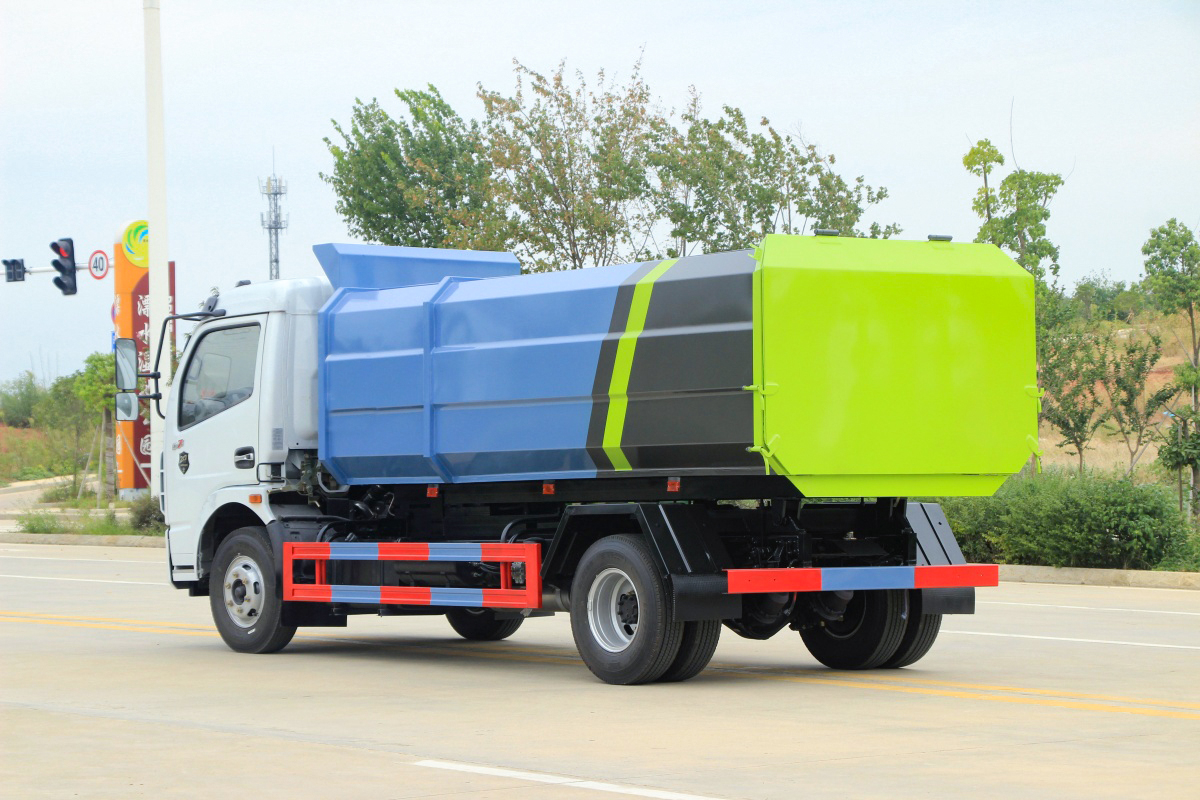
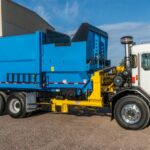
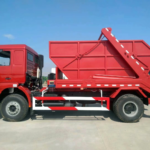
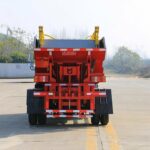
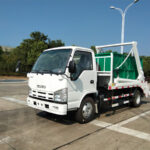
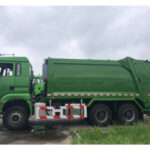
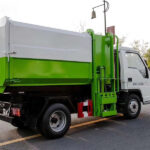
Built to Last & Fully Tailored: Top-tier garbage, sweeper and sewer trucks crafted for unrivaled durability. A trusted choice for municipal governments across the globe.
Side Loader Garbage Trucks with Robotic Arms: A Smarter Solution for Modern Waste Collection
As urban populations continue to expand, cities are facing increasing challenges in managing growing volumes of waste. Efficient, safe, and reliable waste collection systems are essential for maintaining clean urban environments and protecting public health. Traditional garbage collection methods often rely heavily on manual labor, which can be time-consuming and physically demanding for sanitation workers.
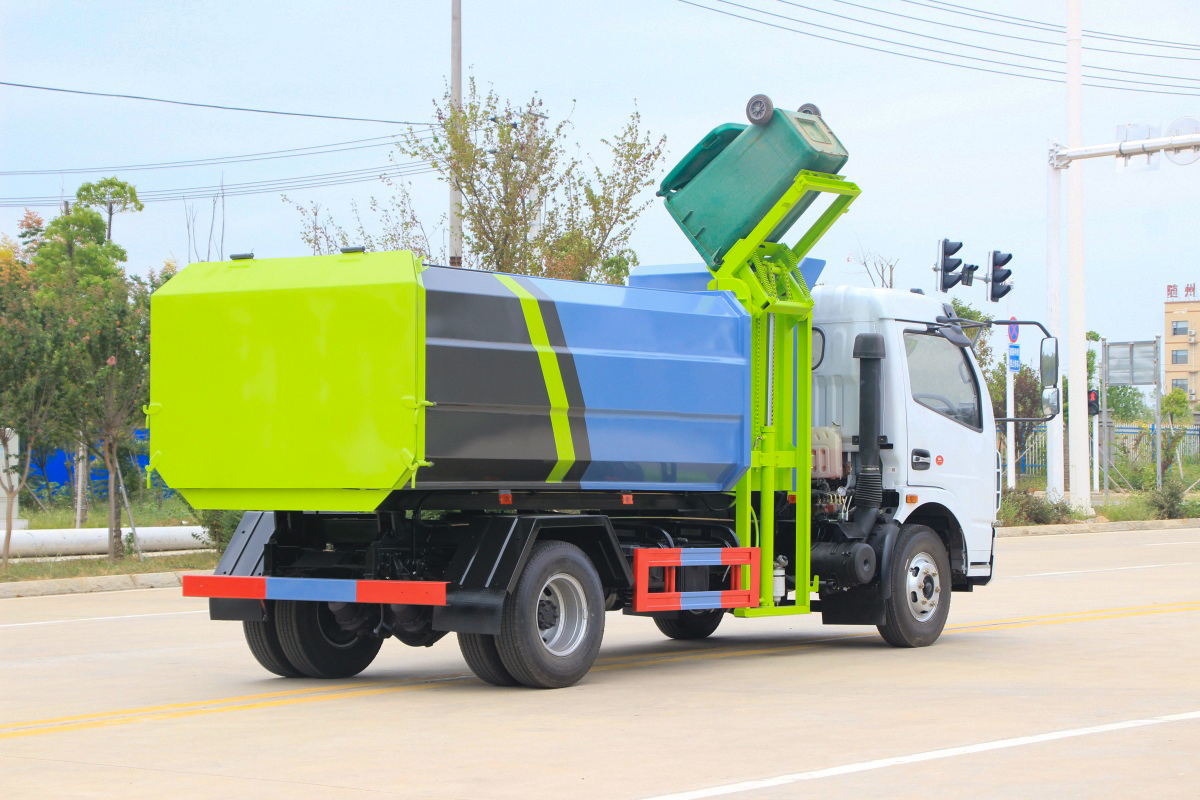
In response to these challenges, many municipalities and waste management companies are adopting side loader garbage trucks with robotic arms. These vehicles use automated lifting systems to collect waste bins directly from the roadside, allowing the driver to control the entire process from inside the cabin. By combining automation with efficient vehicle design, side loader trucks are transforming modern waste collection operations.
This article explores how robotic arm side loader garbage trucks work, their key advantages, and their role within broader municipal waste management systems.
What Is a Side Loader Garbage Truck with a Robotic Arm?
A side loader garbage truck is a type of waste collection vehicle designed to pick up containers positioned along the curb using a lifting mechanism mounted on the side of the truck. When equipped with a robotic arm, the truck can automatically grip, lift, and empty waste containers into the vehicle’s hopper.
Unlike traditional rear-loading trucks that require sanitation workers to manually lift bins, the robotic arm system allows a single operator to control the entire collection process. The driver aligns the truck next to the container, activates the arm, and the system performs the lifting and dumping process automatically.
This automation improves both efficiency and safety while reducing the need for manual handling of heavy waste bins.
How Robotic Arm Collection Systems Work?
Robotic arm systems on side loader garbage trucks are engineered for precise and repetitive movements during waste collection routes. Although designs may vary slightly, the typical process follows a similar sequence.
The truck first approaches the waste container placed along the curb. The driver positions the vehicle so the robotic arm can reach the bin. The arm then extends outward from the side of the truck and grips the container securely. Once locked in place, the arm lifts the bin upward and rotates it above the truck’s hopper. The waste is emptied into the collection body, and the container is then returned gently to the ground. Afterward, the robotic arm retracts back into its resting position, and the truck continues to the next pickup location.
This automated process helps waste collection teams move efficiently through residential neighborhoods and urban areas.
Key Features of Robotic Arm Side Loader Garbage Trucks
Modern side loader garbage trucks are designed with several features that improve efficiency, durability, and operator control during daily operations.
1. Advanced Robotic Arm Mechanism
The robotic arm is the most important component of the system. Built with strong hydraulic systems and durable materials, the arm can lift and empty waste containers repeatedly throughout a collection route.
Automation ensures consistent bin handling and reduces the physical strain typically associated with manual waste collection.
2. Driver-Controlled Operation
Most side loader garbage trucks allow the operator to control the robotic arm directly from inside the cab using a control panel or joystick. Camera systems are often installed to help the driver align the truck with waste containers.
This configuration enables a single operator to safely manage both driving and collection tasks.
3. Waste Compaction System
Many side loader trucks include a compaction mechanism inside the waste body. Similar to the system used in a compactor garbage truck, this mechanism compresses collected waste to maximize storage capacity inside the vehicle.
Compaction reduces the number of trips required to unload waste at disposal facilities and improves route efficiency.
4. Durable Hydraulic Components
Hydraulic systems power both the robotic arm and the waste compaction mechanism. These systems are designed to handle continuous operation throughout long collection routes while maintaining smooth and reliable performance.
Advantages of Using Robotic Arm Side Loader Garbage Trucks
The growing adoption of robotic arm side loader trucks is largely driven by the operational benefits they offer to sanitation departments and waste management companies.
1. Improved Worker Safety
Manual waste collection can expose sanitation workers to lifting injuries, repetitive strain, and traffic hazards. With automated side loader trucks, the operator can remain safely inside the vehicle while the robotic arm performs the lifting tasks.
This significantly reduces workplace risks and improves overall safety conditions for waste collection crews.
2. Higher Collection Efficiency
Automation allows waste containers to be emptied quickly and consistently. The robotic arm performs the same controlled movements for each pickup, reducing delays and improving route productivity.
Faster collection speeds are particularly valuable in densely populated residential areas.
3. Reduced Labor Requirements
Traditional rear-loading garbage trucks often require multiple workers to collect bins manually. In contrast, robotic arm side loader trucks can be operated by a single driver, reducing labor requirements while maintaining efficient service.
4. Cleaner and More Consistent Operations
Robotic arms handle waste containers with controlled precision, reducing the chances of spills or dropped bins. Consistent bin handling also helps keep streets cleaner and improves the overall appearance of collection routes.
Applications in Municipal Waste Collection
Side loader garbage trucks with robotic arms are widely used in municipal sanitation programs because of their efficiency and adaptability.
1. Residential Waste Collection
These trucks are particularly effective in residential neighborhoods where standardized garbage bins are placed along the curb. The robotic arm can easily grab, lift, and empty the bins without requiring workers to leave the vehicle.
2. Recycling Programs
Many cities operate recycling programs alongside regular waste collection. Side loader trucks can be used to collect recyclable materials stored in separate containers, supporting environmentally responsible waste management practices.
3. Integration with Other Waste Collection Vehicles
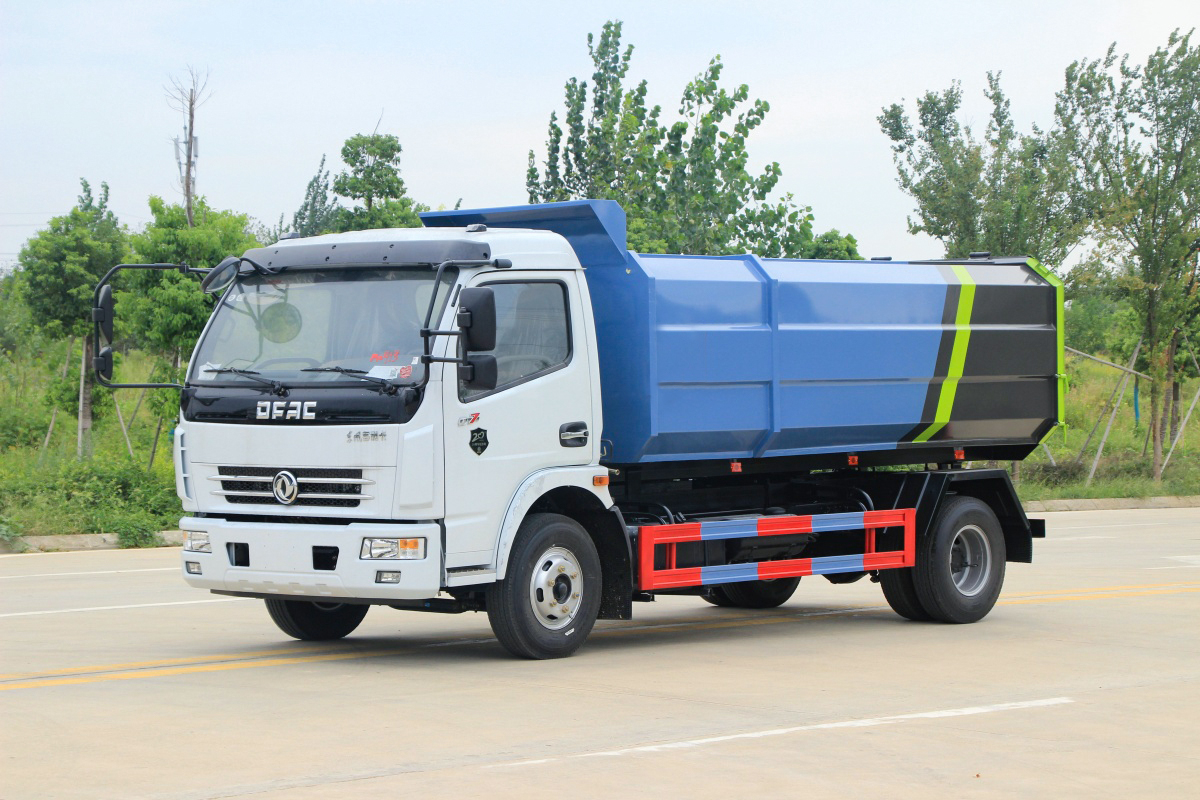
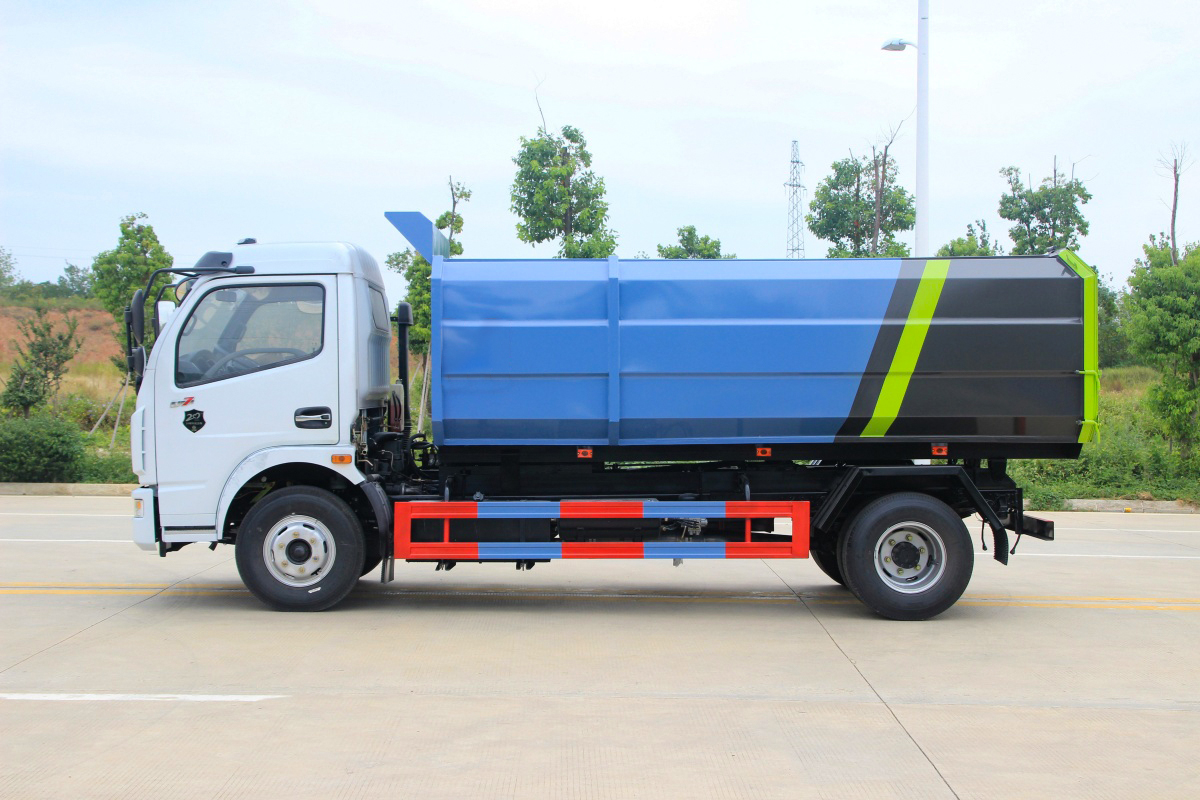
Side loader garbage trucks are often part of a larger fleet of specialized sanitation vehicles. For example, municipalities may also use compactor garbage trucks for high-volume waste routes where strong compression capabilities are required.
In addition, skip loader garbage trucks are commonly used for collecting large waste containers or construction debris from commercial sites. Together, these different types of vehicles allow waste management systems to handle a wide variety of collection tasks efficiently.
Automation and the Future of Waste Management
Automation is becoming an increasingly important factor in modern waste management systems. As cities grow and waste production increases, sanitation departments must adopt technologies that improve efficiency while maintaining high safety standards.
Robotic arm side loader garbage trucks represent a major step forward in this transition. By reducing manual labor and improving collection speed, these vehicles help municipalities optimize their waste collection operations.
Future developments may include improved sensors, automated bin detection systems, and enhanced vehicle control technologies that make robotic waste collection even more efficient.
Challenges and Considerations
While robotic arm side loader trucks provide many advantages, there are some factors that municipalities must consider when implementing this technology.
Successful operation often requires standardized waste containers that can be easily gripped by the robotic arm. Residents may also need to place bins in specific positions along the curb to allow the arm to access them properly.
In addition, drivers must receive proper training to operate the robotic arm system effectively and ensure safe vehicle positioning during collection routes.
Despite these considerations, the long-term operational benefits often make robotic side loader trucks an attractive option for modern waste management fleets.
Conclusion
Side loader garbage trucks with robotic arms are transforming the way cities manage waste collection. By combining automated lifting systems with durable vehicle design, these trucks allow sanitation departments to collect waste more efficiently while improving worker safety.
Their ability to streamline residential waste collection and reduce manual labor makes them an increasingly popular solution for municipalities worldwide. When used alongside other specialized vehicles such as compactor garbage trucks and skip loader garbage trucks, robotic side loader trucks help create a comprehensive and efficient waste management system.
As urban environments continue to grow and evolve, automated waste collection technologies will play a vital role in building cleaner, more sustainable communities.