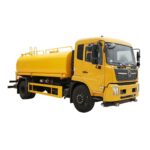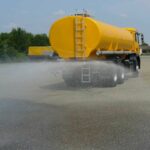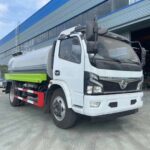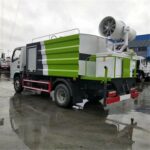

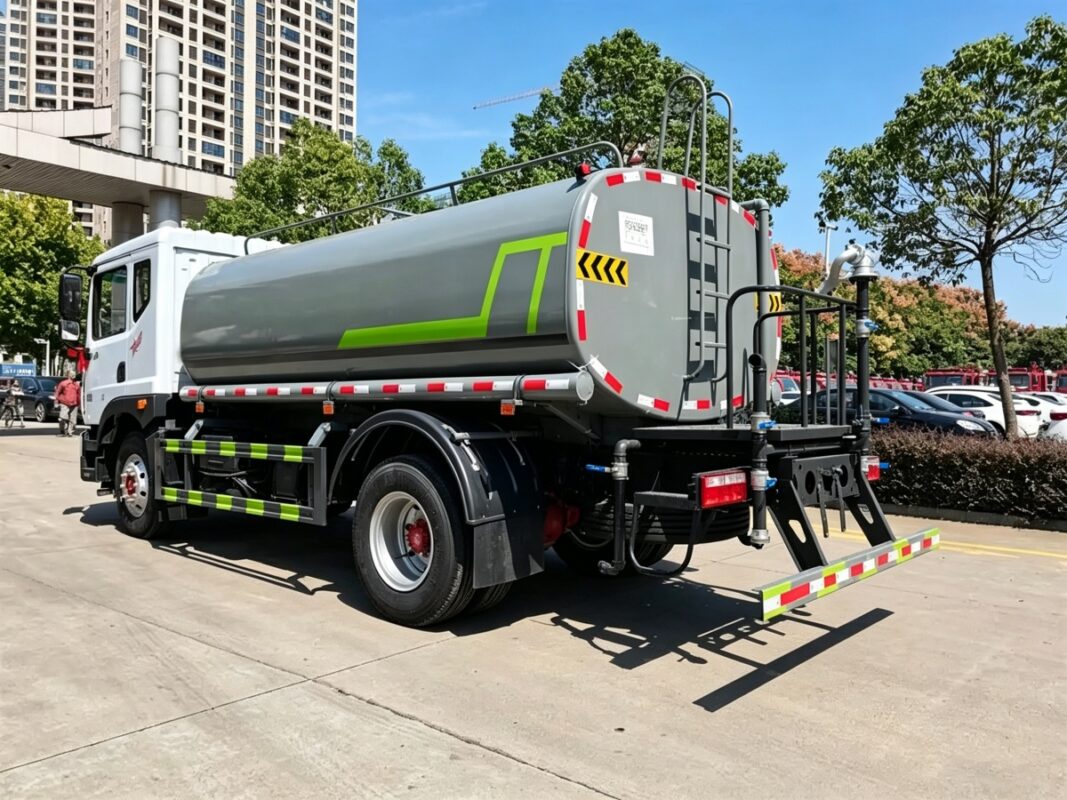
A water spray truck is an essential municipal vehicle used for road cleaning, dust suppression, landscaping, construction projects, mining operations, and emergency firefighting. Whether it is used daily on city streets or industrial sites, regular maintenance is the key to keeping the truck operating safely and efficiently.
Without proper care, critical components such as the water pump, spray nozzles, hoses, and control system can wear out prematurely, leading to poor spraying performance, higher maintenance costs, and unexpected downtime. Fortunately, routine inspections and preventive maintenance can significantly extend the service life of a water spray truck while improving overall productivity.
In this guide, we’ll cover the essential maintenance practices that every operator should follow.
1. Inspect and Clean the Water Tank Regularly
The water tank is the foundation of the entire spraying system. Over time, dirt, algae, rust, and sediment can accumulate inside the tank, reducing water quality and clogging the spray system.
To keep the system working properly:
- Drain and clean the tank regularly.
- Remove sediment and debris from the bottom.
- Check for corrosion, cracks, or leaks.
- Inspect the drain valve and inlet cover.
Using clean water not only improves spraying performance but also helps protect the water pump and spray nozzles from unnecessary wear.
2. Keep Spray Nozzles in Excellent Condition
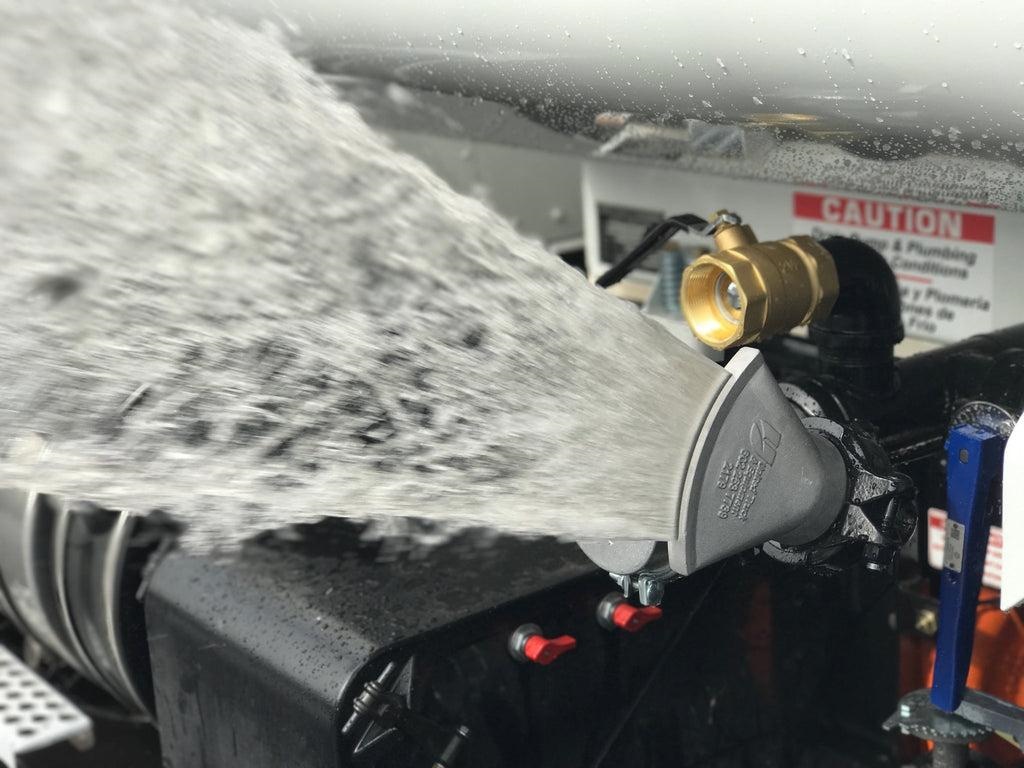
The spray nozzles determine the spray pattern, coverage, and water pressure of the water spray truck. Even small blockages can result in uneven spraying and reduced dust suppression efficiency.
Inspect the nozzles before every shift and clean them whenever mineral deposits or debris are found. If a nozzle becomes worn or damaged, replace it immediately instead of attempting temporary repairs.
Properly maintained nozzles ensure even water distribution, reduce water waste, and improve the effectiveness of road cleaning and dust control operations.
3. Maintain the Water Pump
The water pump is one of the most important components of any water spray truck. It generates the pressure needed to deliver water through the spraying system.
Routine maintenance should include:
- Checking pump pressure
- Inspecting seals for leaks
- Lubricating moving parts
- Replacing worn bearings
- Monitoring abnormal vibration or noise
Never allow the pump to run without water, as dry operation can quickly damage internal components and shorten its lifespan.
4. Check Hoses, Pipes, and Valves
The spraying system relies on a network of hoses, pipes, and valves to deliver water efficiently.
Because these components are exposed to vibration, pressure, sunlight, and harsh working environments, they should be inspected regularly for:
- Water leaks
- Loose fittings
- Cracked hoses
- Damaged valves
- Corrosion around pipe connections
Replacing inexpensive hoses or seals early can prevent much more expensive repairs later.
5. Inspect the Electrical Control System
Modern water spray trucks are often equipped with electronic control systems, remote controllers, and intelligent monitoring functions.
Regularly inspect:
- Wiring harnesses
- Control switches
- Dashboard indicators
- Battery terminals
- Lighting systems
Keeping electrical components clean and dry reduces the risk of unexpected failures during operation.
6. Perform a Daily Inspection Before Operation
A simple daily inspection can prevent many common problems before they affect work efficiency.
Before operating the water spray truck, operators should:
- Check the water tank level.
- Test the water pump pressure.
- Inspect spray nozzles for blockages.
- Examine hoses and pipe connections for leaks.
- Verify that all electrical controls are functioning correctly.
- Check tire pressure and brake performance.
Spending just a few minutes on these checks can greatly improve reliability and reduce downtime.
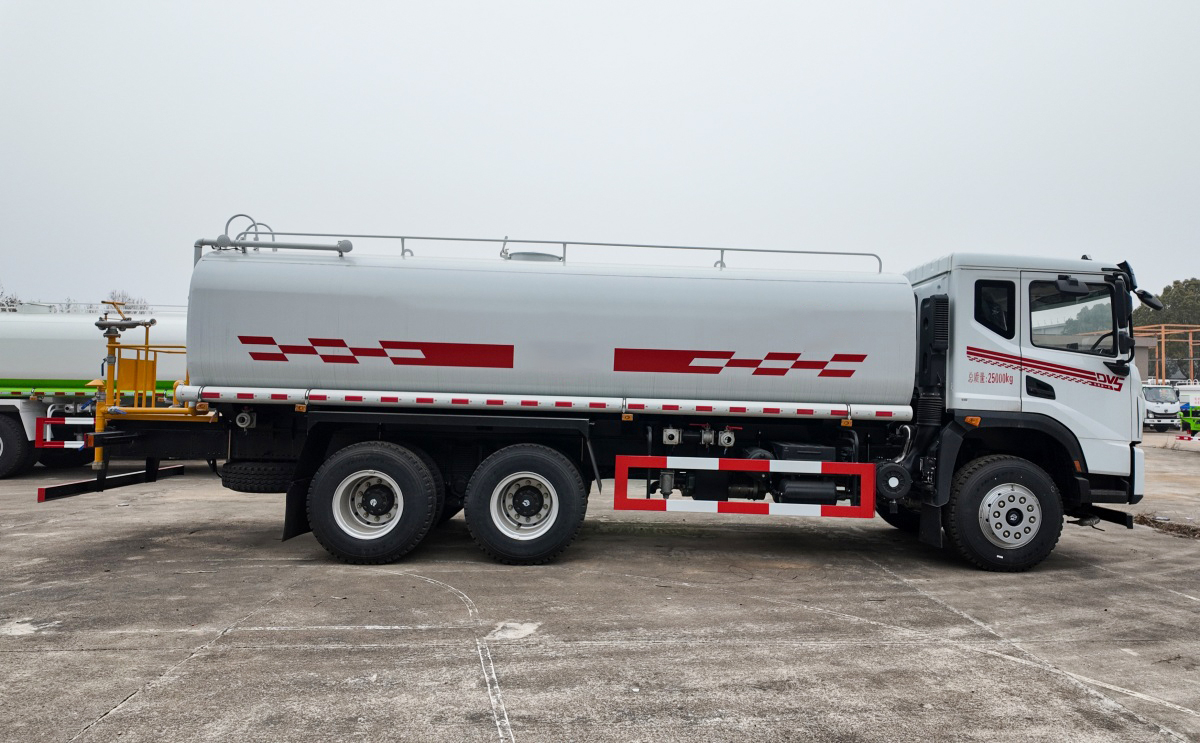
7. Store the Truck Properly
Proper storage is just as important as routine maintenance.
When the water spray truck is not in use:
- Park it in a covered area whenever possible.
- Drain the water tank if it will remain unused for an extended period.
- Protect exposed metal surfaces from corrosion.
- Clean the truck after operating in muddy or dusty environments.
Proper storage helps maintain both the appearance and performance of the vehicle.
8. Common Problems and Simple Solutions
Even a well-maintained water spray truck may occasionally develop minor issues. Recognizing these problems early can help avoid costly repairs.
Low Water Pressure
Low pressure is usually caused by clogged spray nozzles, a blocked filter, worn water pump components, or leaking hoses.
Uneven Spray Pattern
If water is not distributed evenly, inspect the nozzles for wear or mineral buildup. Cleaning or replacing damaged nozzles usually solves the problem.
Water Leaks
Leaks commonly occur around valves, hose connections, or the water tank. Regular inspections help prevent unnecessary water loss and maintain efficient operation.
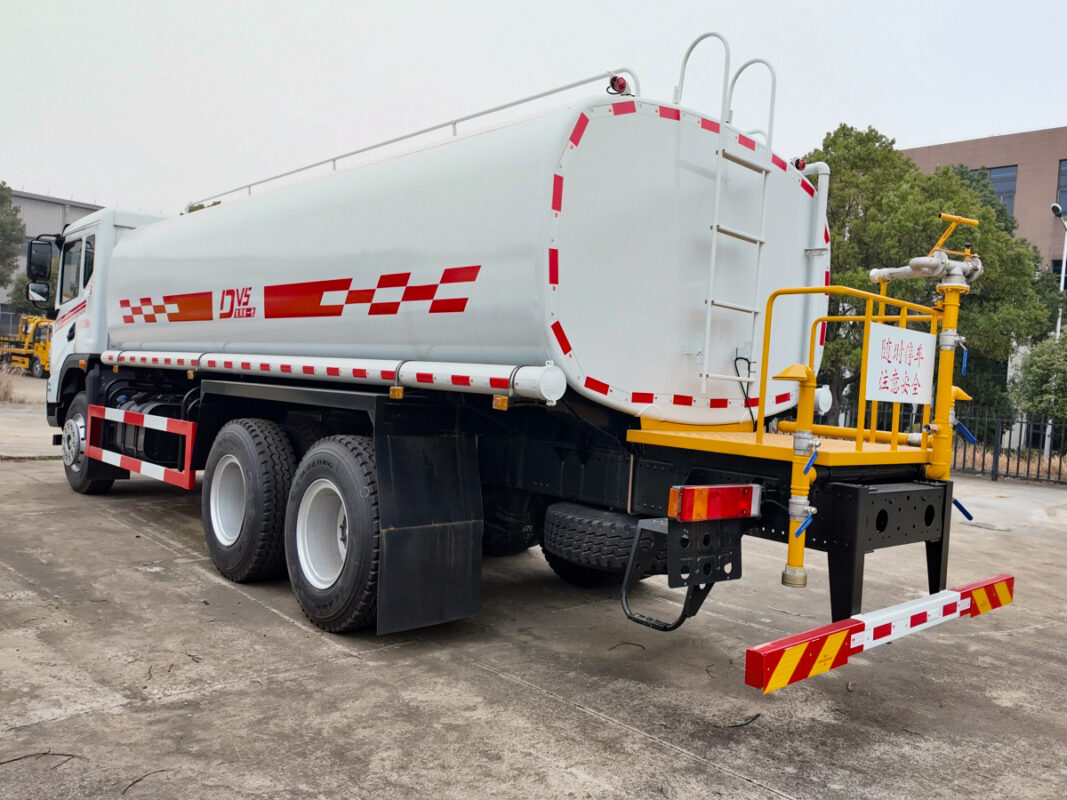
Why Preventive Maintenance Matters
Regular preventive maintenance offers benefits that go far beyond avoiding breakdowns.
A well-maintained water spray truck provides:
- Lower repair costs
- Longer equipment lifespan
- More reliable operation
- Better road cleaning performance
- Improved dust suppression
- Reduced water consumption
- Higher working efficiency
For municipalities, construction companies, and fleet operators, preventive maintenance also increases equipment availability and lowers the overall cost of ownership.
Conclusion
A water spray truck is an indispensable piece of equipment for modern municipal services, construction projects, and environmental management. Keeping it in excellent condition requires more than occasional repairs—it demands regular inspections, proper cleaning, and preventive maintenance.
By routinely maintaining the water tank, water pump, spray nozzles, hoses, and electrical system, operators can improve spraying efficiency, reduce maintenance costs, and maximize the lifespan of their equipment.
With a well-planned maintenance program, a water spray truck will continue to deliver reliable performance, helping cities and contractors complete road cleaning, dust suppression, and other essential operations safely and efficiently.
Need a water spray truck? CSCTRUCK Municipal offers customized vehicles to meet your specific requirements. Contact us for more details.