Built to Last & Fully Tailored: Top-tier garbage, sweeper and sewer trucks crafted for unrivaled durability. A trusted choice for municipal governments across the globe.
How Does the Hook Lift System “Hook, Lift, and Drop”? — Working Principle of Hook Loader Garbage Trucks
When people see a Hook Loader Garbage Truck picking up a waste container, the operation looks simple: the truck hooks the container, lifts it onto the chassis, and drives away. But behind this “hook, lift, and drop” process is a carefully engineered hydraulic system designed for flexibility, efficiency, and heavy-duty waste handling.
Unlike traditional garbage trucks that collect waste directly inside a fixed body, a Hook Lift System allows one truck to handle multiple interchangeable containers. This makes it a popular solution for municipal waste collection, construction debris removal, industrial waste transport, and recycling operations.
So, how exactly does the system work?
What Is a Hook Lift System?
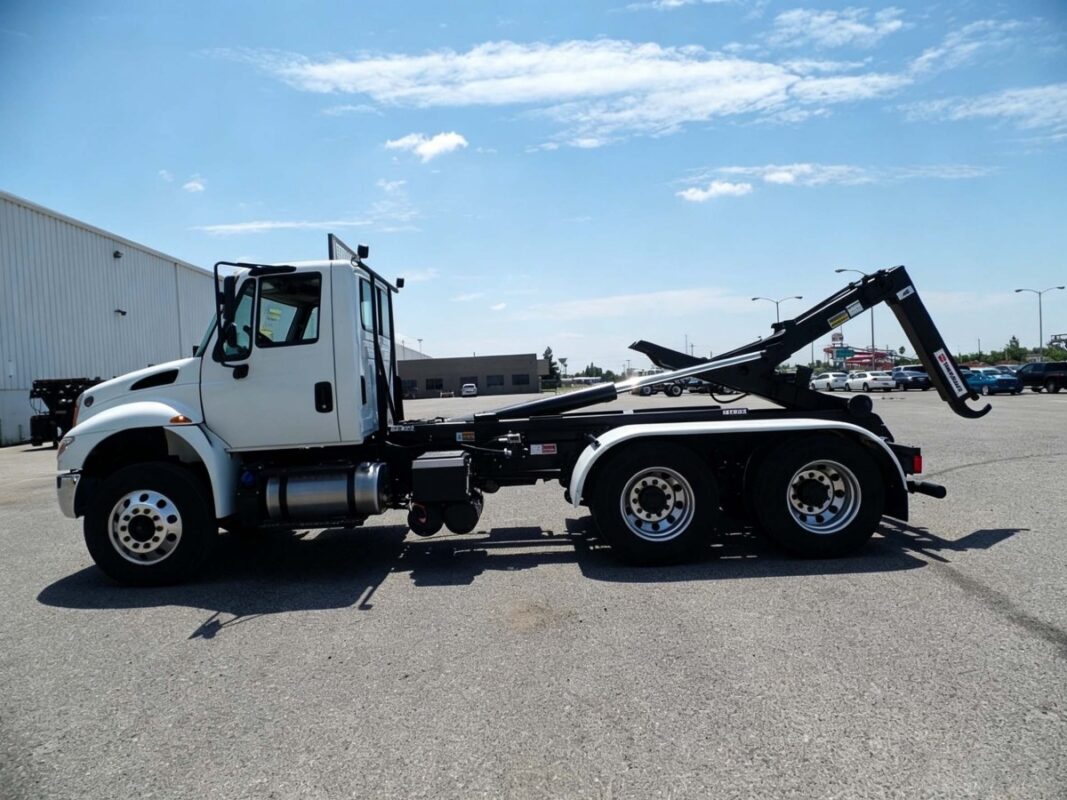
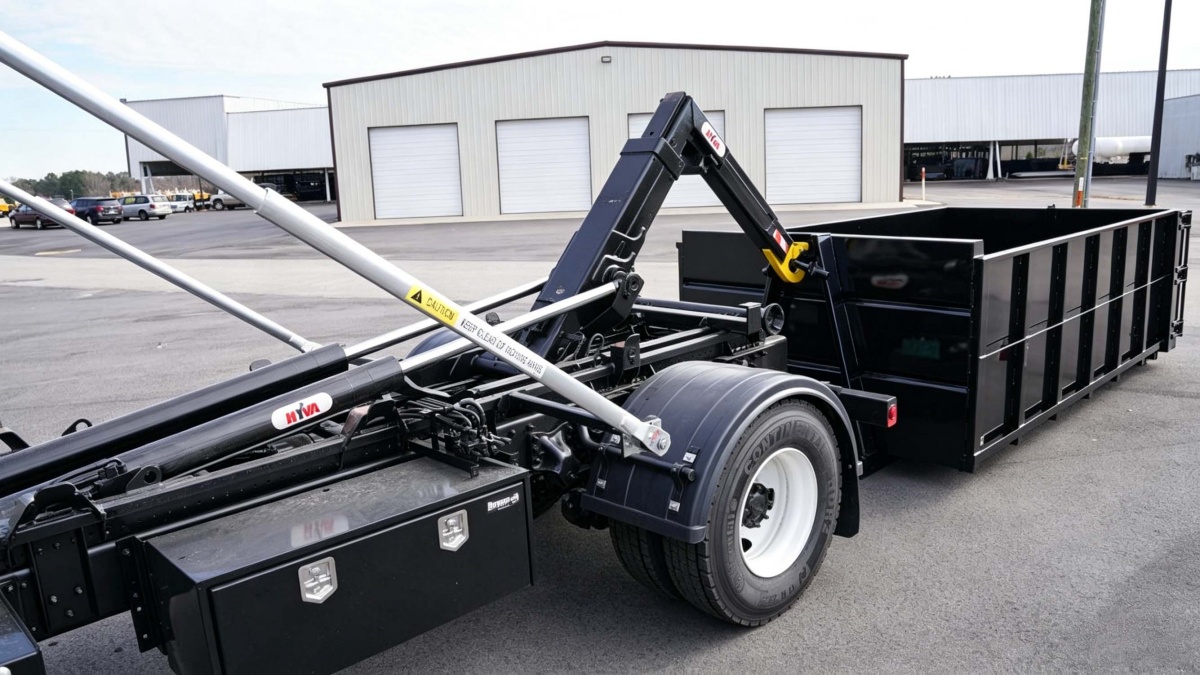
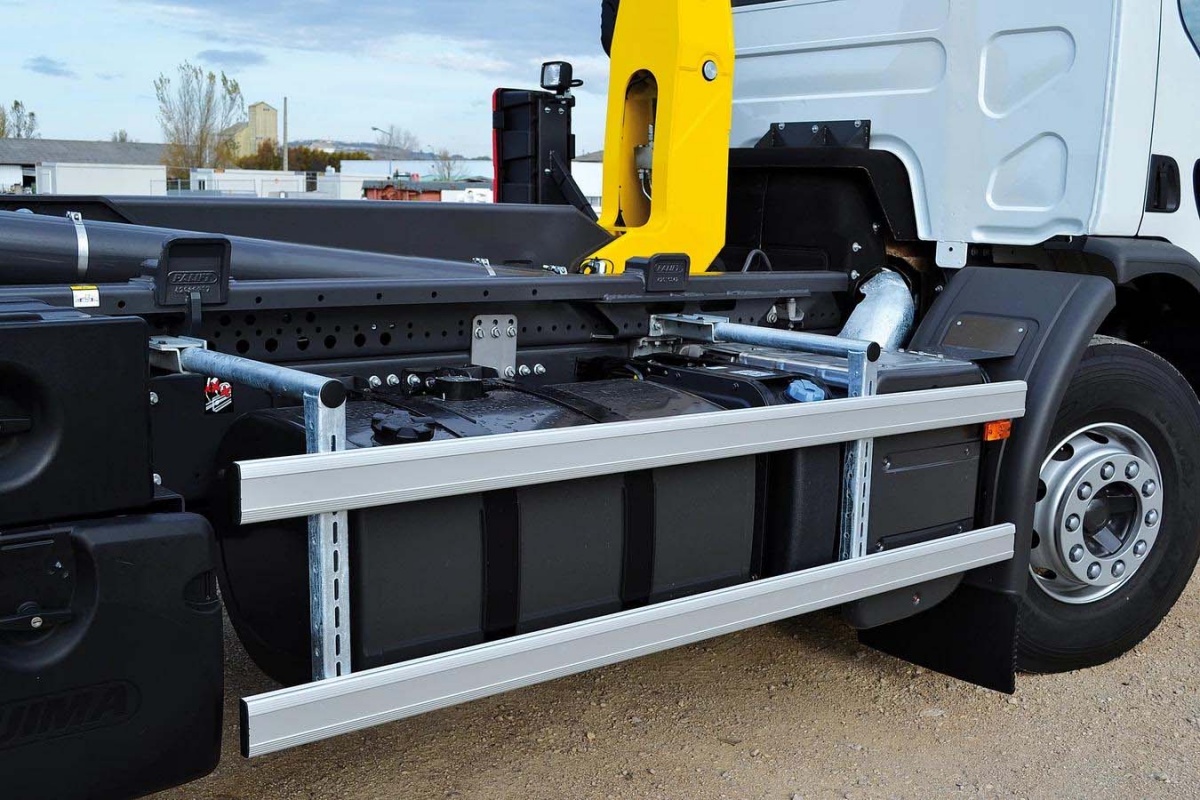
A Hook Lift System is a hydraulic loading mechanism installed on a truck chassis. Its main function is to pick up, transport, and unload detachable containers.
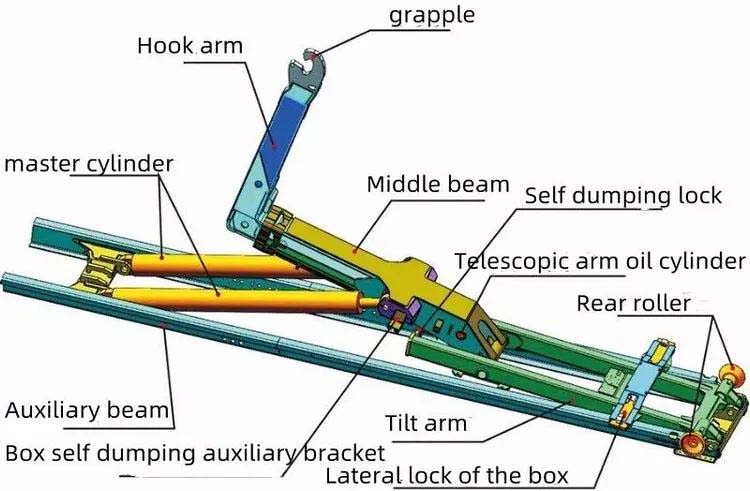
The system mainly includes:
Hydraulic lifting arm
Hook mechanism
Sliding frame
Hydraulic cylinders
Control system
Locking devices
The key advantage is that the truck itself does not need a permanent waste body. Instead, it can quickly switch between different containers depending on the job.
One truck can become:
A garbage collection vehicle
A construction waste carrier
A recycling transport unit
An industrial material hauler
Step 1: Hook — Connecting the Container
The first stage is the Hooking Process.
The driver positions the truck close to the container and activates the hydraulic controls.
The hydraulic hook arm extends backward and lowers toward the container’s lifting bar.
Once aligned, the hook grabs the container securely.
At this stage:
The hook locks onto the container
The hydraulic system prepares for lifting
Safety mechanisms ensure stable connection
The precision of this step is important because the container may carry several tons of material.
Step 2: Lift — Pulling the Container onto the Truck
After the hook is connected, the hydraulic cylinder starts working.
The lifting arm rotates and pulls the container forward onto the truck chassis.
The loading process usually happens in several movements:
The arm lifts the front of the container.
The container slides upward along the rails.
The container moves into the transport position.
The locking system secures it in place.
The entire operation is controlled hydraulically, allowing smooth movement even with heavy loads.
Compared with manual loading methods, the Hook Loader Garbage Truck greatly reduces labor requirements and improves safety.
Step 3: Transport — One Truck, Multiple Applications
Once loaded, the container becomes part of the vehicle.
This is where the flexibility of the Hook Lift Truck becomes obvious.
A single truck can transport different container types:
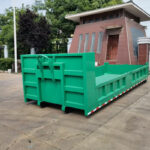
Open-top containers for construction waste
Closed containers for municipal waste
Recycling containers
Specialized industrial tanks
Instead of purchasing multiple dedicated trucks, operators can use one chassis with multiple containers.
This reduces:
Equipment investment
Maintenance costs
Fleet complexity
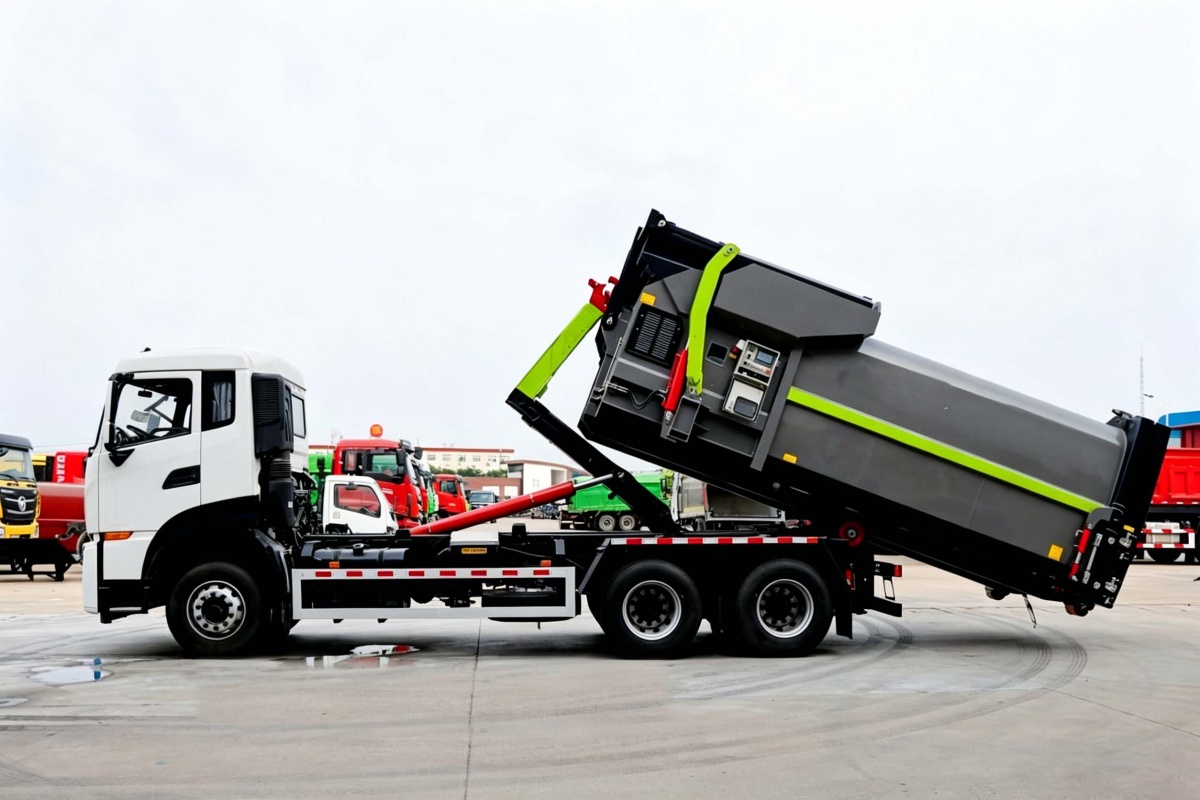
Step 4: Drop — Unloading the Container
The unloading process is the reverse of loading.
When the truck arrives at the destination, the driver activates the hydraulic system again.
The hook arm pushes and slides the container backward until it reaches the ground.
The truck then drives away, leaving the container at the work site.
This allows the container to remain in place while:
Waste is collected over time
Construction materials are loaded
Recycling operations continue
This “drop-and-leave” capability is one of the biggest advantages of hook loader systems.
Why Are Hook Loader Garbage Trucks So Popular?
The popularity of Hook Loader Garbage Trucks comes from their flexibility.
1. Higher Operational Efficiency
One truck can serve multiple locations by switching containers.
This reduces unnecessary trips and improves route efficiency.
Modern Hook Lift Systems are becoming smarter with:
Remote control operation
Improved hydraulic efficiency
Automatic locking systems
Weight monitoring technology
These improvements make the operation safer, faster, and easier for drivers.
Conclusion
The “hook, lift, and drop” process of a Hook Loader Garbage Truck may look simple, but it represents a highly efficient engineering solution.
By combining a powerful hydraulic system with interchangeable containers, the Hook Lift System gives one truck the ability to perform multiple transportation tasks.
From municipal waste collection to construction debris removal, this flexible design has become an essential tool for modern waste management and industrial transport.