Built to Last & Fully Tailored: Top-tier garbage, sweeper and sewer trucks crafted for unrivaled durability. A trusted choice for municipal governments across the globe.
Morocco Deploys Compactor Garbage Trucks for Coastal Cities
How Modern Waste Collection Equipment Supports Cleaner Coastal Environments
Morocco’s coastal cities attract millions of residents and visitors every year, creating increasing demand for efficient and reliable waste management systems. With busy beaches, tourism areas, commercial districts, and rapidly growing urban communities, maintaining clean public spaces has become a major priority.
To improve municipal sanitation efficiency, many cities are adopting compactor garbage trucks—advanced waste collection vehicles designed to increase loading capacity, reduce waste volume, and improve daily collection operations.
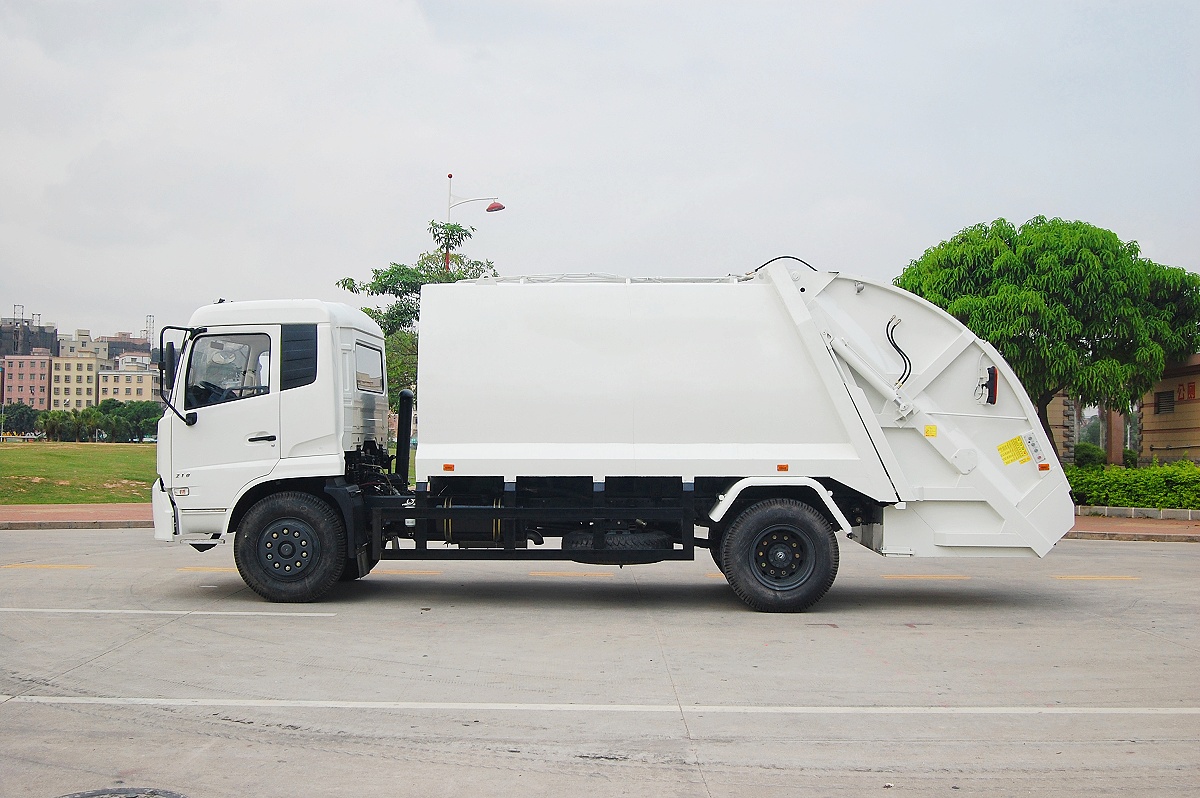
Unlike traditional garbage trucks, compactor garbage trucks use a hydraulic compression system to compress collected waste inside the hopper. This allows the vehicle to transport more waste in each trip while reducing collection frequency and operating costs.
Why Coastal Cities Need Advanced Garbage Collection Solutions
Coastal areas face unique waste management challenges. During peak tourism seasons, the amount of daily waste can increase significantly due to:
Beach activities
Hotels and restaurants
Public events
Residential growth
Commercial development
Without efficient collection systems, waste accumulation can affect city appearance, public health, and marine environments.
Modern waste compactor trucks help municipalities respond faster by providing higher-capacity collection and more efficient transportation.
How a Compactor Garbage Truck Works
A compactor garbage truck combines a collection body, hydraulic system, and compression mechanism to handle large amounts of waste.
The working process includes:
1. Waste Loading
Garbage is collected from roadside bins, residential areas, and commercial locations. Depending on the model, operators can load waste manually or through automatic lifting systems.
2. Hydraulic Compression
After loading, the internal hydraulic compaction plate pushes waste forward and compresses it inside the hopper.
This process reduces waste volume and creates additional storage space, allowing the truck to continue collecting without frequent unloading.
3. Transportation and Disposal
Once the hopper reaches capacity, the truck transports the compressed waste to a landfill, transfer station, or recycling facility.
The rear unloading system allows quick and efficient waste discharge.
Key Advantages for Moroccan Coastal Cities
1. Higher Collection Efficiency
With advanced compression technology, a compactor garbage truck can carry significantly more waste compared with conventional collection vehicles.
This helps reduce:
Number of daily trips
Fuel consumption
Labor requirements
Traffic impact
2. Cleaner Urban Areas
The enclosed garbage body helps prevent waste leakage, unpleasant odors, and scattered debris during transportation.
This is especially important for coastal cities where maintaining a clean environment directly supports tourism and public health.
3. Better Adaptation to High-Density Areas
Coastal cities often include narrow streets, busy neighborhoods, and crowded tourist zones.
Compact and maneuverable garbage trucks can operate efficiently in:
City centers
Residential communities
Beach areas
Commercial streets
4. Improved Environmental Management
Efficient waste collection plays an important role in protecting coastal ecosystems.
By improving collection speed and reducing waste accumulation, compactor garbage trucks help prevent garbage from entering drainage systems, rivers, and marine environments.
Supporting Morocco’s Sustainable Urban Development
As Morocco continues to invest in urban infrastructure and tourism development, modern sanitation equipment is becoming increasingly important.
Compactor garbage trucks provide municipalities with:
Reliable daily waste collection
Higher operational efficiency
Lower maintenance requirements
Improved city cleanliness
For coastal communities, these vehicles are not only waste collection tools—they are part of a broader strategy to build cleaner, healthier, and more sustainable cities.
Conclusion
The deployment of compactor garbage trucks in Morocco’s coastal cities represents a major step toward more efficient urban waste management.
Through powerful hydraulic compression technology, these vehicles allow cities to collect more waste, reduce transportation costs, and maintain cleaner public environments.
As coastal populations and tourism continue to grow, advanced sanitation equipment will play an increasingly important role in protecting city landscapes and coastal ecosystems.