
Clean roads are essential for safe transportation, attractive cities, and healthy communities. Every day, dust, sand, leaves, litter, gravel, and other debris accumulate on roads, highways, industrial parks, airports, and ports. Without regular cleaning, these materials can reduce road safety, block drainage systems, create airborne dust, and negatively impact the environment.
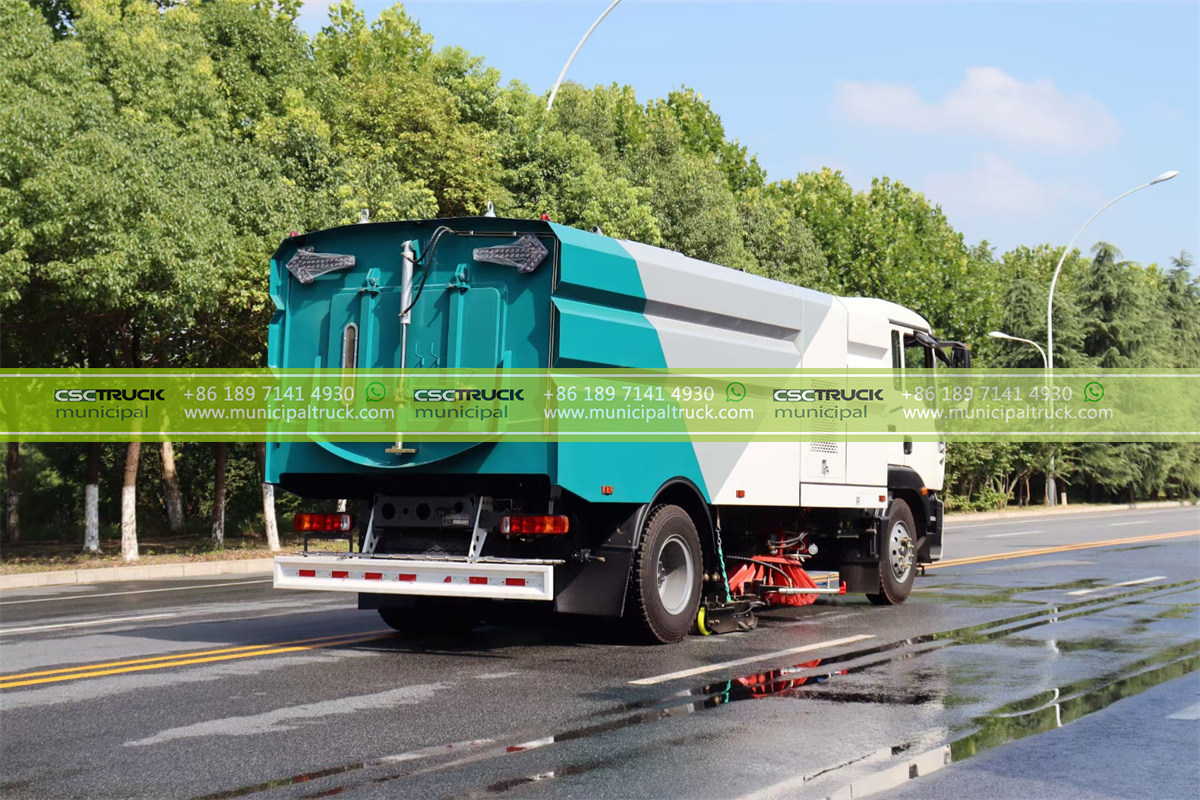
This is where a sweeper truck plays a vital role. Designed specifically for road cleaning, a sweeper truck combines mechanical brushes, vacuum suction, and water spraying systems to remove debris efficiently while minimizing dust emissions. From municipal sanitation departments to construction contractors and airport maintenance teams, these specialized vehicles have become indispensable for keeping paved surfaces clean and safe.
In this guide, we’ll explore what a sweeper truck is, how it works, its main components, different types, common applications, and the key factors to consider when choosing the right machine.
What Is a Sweeper Truck?
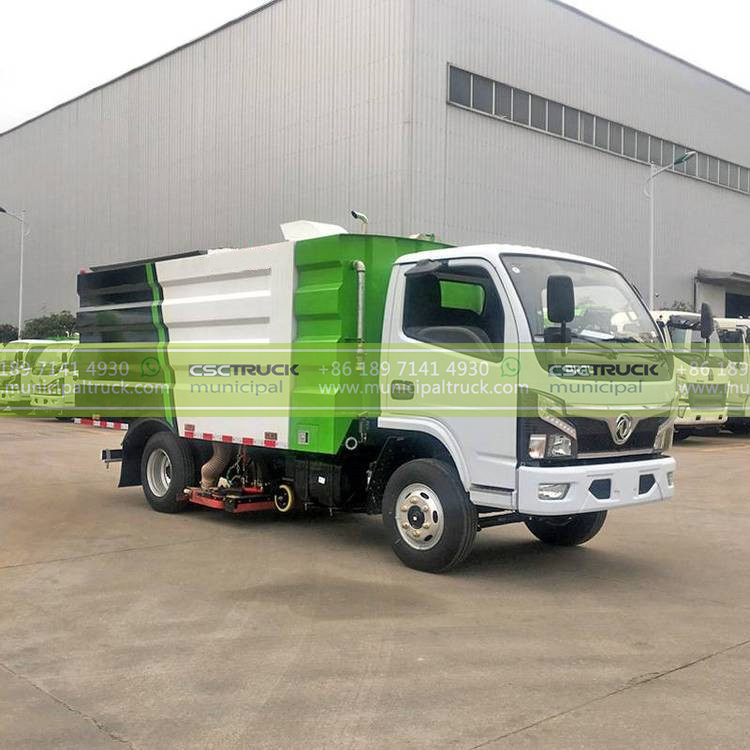
A sweeper truck, also known as a street sweeper, road sweeper truck, is a specialized vehicle designed to clean paved surfaces by collecting dust, dirt, leaves, litter, sand, gravel, and other debris. Unlike manual street cleaning, which is labor-intensive and time-consuming, sweeper trucks can clean large areas quickly and consistently.
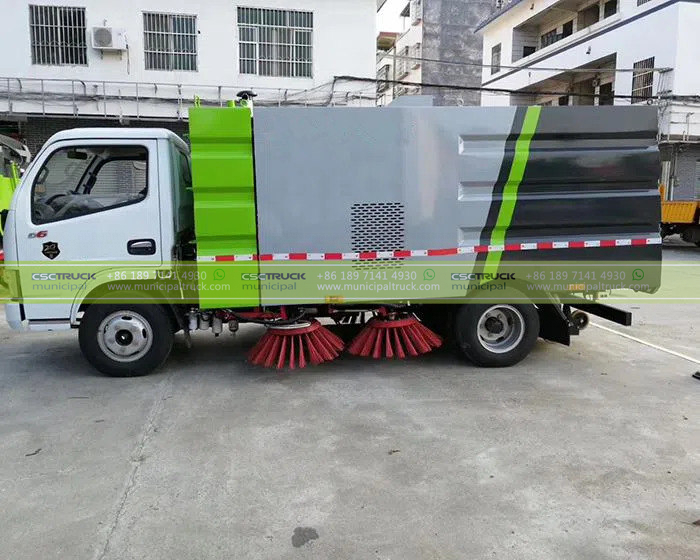
Modern sweeper trucks do much more than simply sweep debris into piles. They use integrated cleaning systems that combine rotating brushes, powerful vacuum suction, water spray systems, and debris collection hoppers to complete the entire cleaning process in one operation.
Today’s road sweepers are available in diesel, compressed natural gas (CNG), and increasingly pure electric versions, allowing municipalities and contractors to reduce emissions while improving operational efficiency.
How Does a Sweeper Truck Work?
Although designs vary among manufacturers, most sweeper trucks follow the same basic cleaning process.
Step 1: Side Brushes Gather Debris
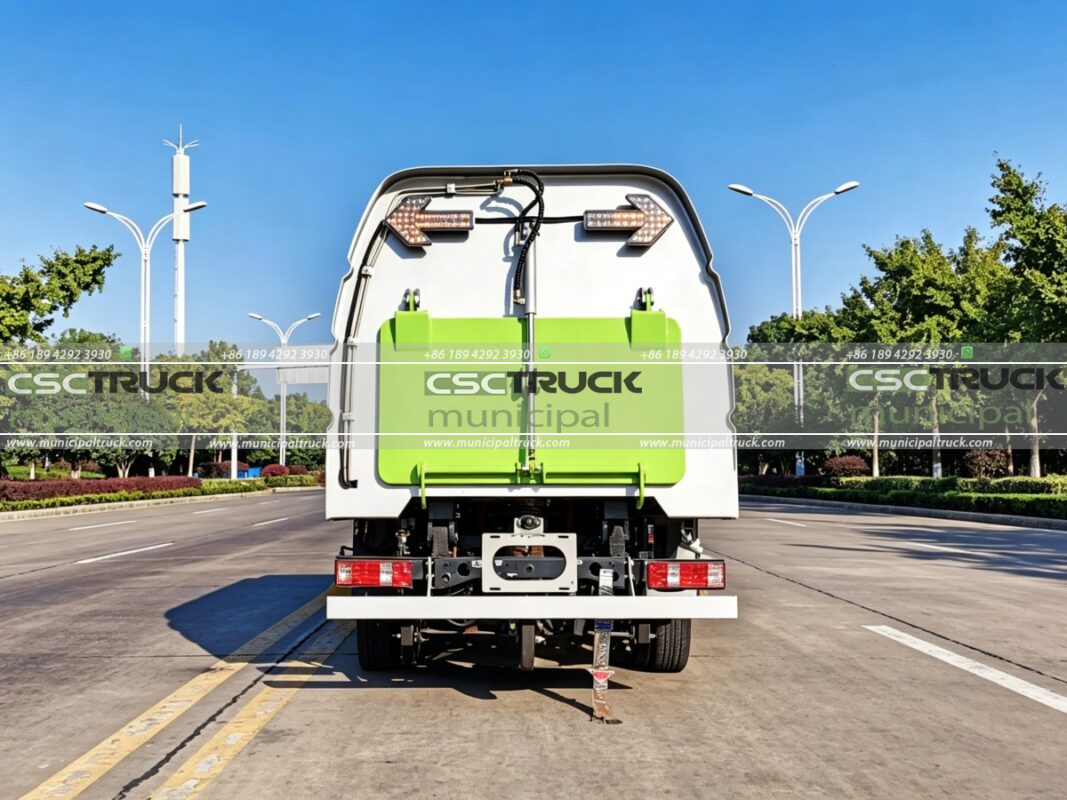
Rotating side brushes extend toward the curb and road edge, sweeping dirt, leaves, and litter toward the center of the vehicle. Depending on the model, one or two side brushes may be used to increase cleaning width.
Step 2: Main Brush or Suction Nozzle Collects Waste
After the debris is concentrated, a center-mounted brush or wide suction nozzle moves it into the collection system. Many modern sweepers combine mechanical sweeping with vacuum suction to maximize cleaning efficiency.
Step 3: Water Spray Controls Dust
High-pressure or low-pressure water spray bars continuously suppress airborne dust during operation. This improves visibility, reduces environmental pollution, and prevents fine particles from becoming airborne.
Step 4: Vacuum System Transfers Debris
A high-capacity fan creates powerful airflow that lifts debris through the suction nozzle into the hopper. Fine dust, sand, leaves, and lightweight waste are collected without spreading contaminants.
Step 5: Debris Is Stored in the Hopper
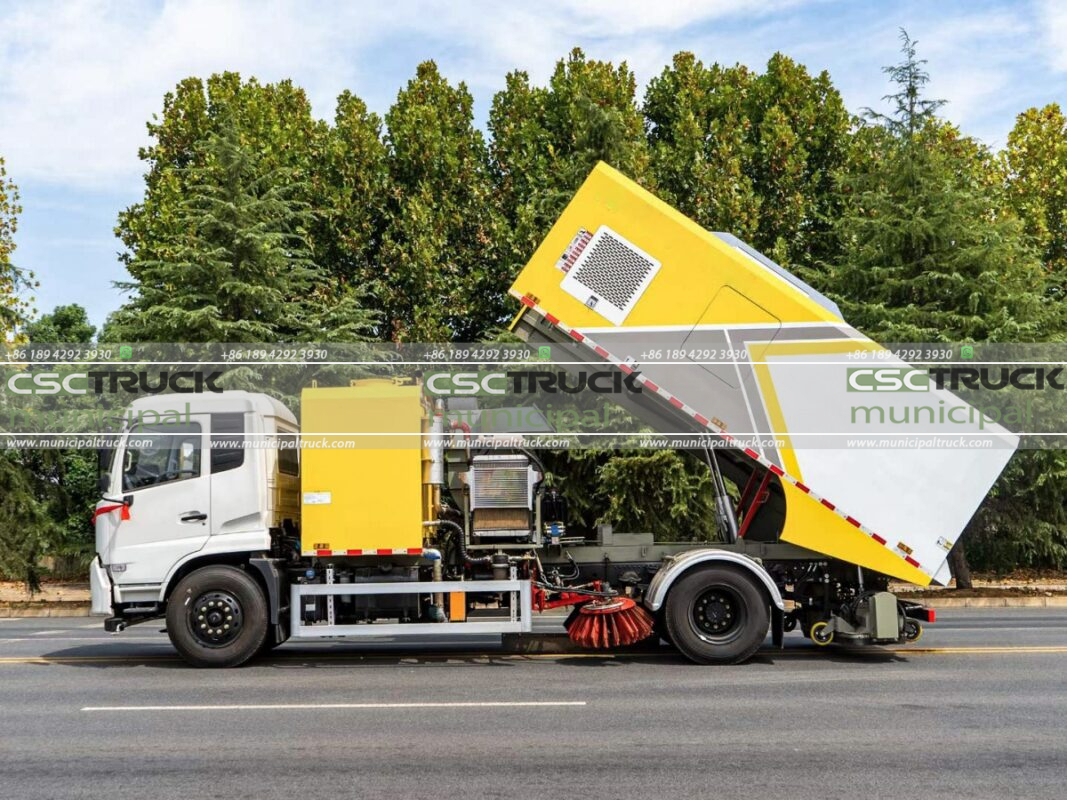
Collected material is stored in a sealed debris hopper until the vehicle reaches a disposal site. Hydraulic tipping systems allow operators to unload quickly and safely.
This integrated workflow allows a sweeper truck to clean continuously while maintaining high productivity.
Main Components of a Sweeper Truck
Understanding the major components helps explain why these vehicles are so effective.
Chassis
The chassis provides the foundation for the sweeping equipment. Depending on the application, manufacturers may use light-duty, medium-duty, heavy-duty, or dedicated electric chassis.
Sweeping Brushes
Disc brushes or cylindrical brushes loosen compacted dirt and move debris toward the suction system. Brush speed can usually be adjusted according to road conditions.
Suction System
A high-performance blower generates vacuum pressure that removes fine particles and transports waste into the hopper.
Water Tank
The onboard clean water tank supplies spray nozzles that suppress dust and improve cleaning performance. Larger tanks allow longer operating periods between refills.
Debris Hopper
The hopper stores collected waste and is typically emptied hydraulically. Hopper capacity directly affects operational efficiency, especially during long shifts.
Hydraulic and Electronic Control Systems
Modern sweepers feature touchscreen controls, automatic brush positioning, intelligent diagnostics, rear-view cameras, and programmable operating modes to improve both safety and productivity.
Types of Sweeper Trucks
Different road conditions require different sweeping technologies. The most common types include:
Mechanical Broom Sweeper
Mechanical broom sweepers use rotating brushes to move debris into the collection area. They are ideal for collecting heavier materials such as gravel, sand, and construction debris.
Typical applications include:
- Construction sites
- Highway maintenance
- Industrial facilities
- Road repair projects
Vacuum Sweeper Truck
Vacuum sweepers rely primarily on powerful suction to collect fine dust, leaves, paper, and lightweight debris. They are commonly used in cities where dust control is especially important.
Typical applications include:
- Urban streets
- Residential communities
- Commercial districts
- Business parks
Regenerative Air Sweeper
Rather than relying solely on vacuum suction, regenerative air sweepers circulate high-speed airflow in a closed-loop system. This technology provides excellent fine dust removal while reducing airborne particulate emissions.
They are commonly used for:
- Airport runways
- High-quality municipal roads
- Environmentally sensitive areas
Common Applications
Sweeper trucks are used in a wide variety of industries beyond municipal sanitation.
Municipal Road Cleaning
City sanitation departments use sweepers to maintain streets, intersections, sidewalks, and public squares, improving urban cleanliness and reducing dust pollution.
Highways and Expressways
Road maintenance agencies deploy heavy-duty sweepers to remove debris that could damage vehicles or create hazardous driving conditions.
Airports
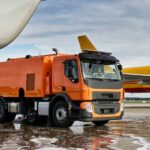
Airport sweepers clean runways, taxiways, and aprons by removing foreign object debris (FOD), helping improve aircraft safety.
Ports and Logistics Centers
Container terminals generate dust, sand, packaging materials, and loose cargo residues. Sweeper trucks maintain clean working environments while protecting equipment.
Industrial Parks
Factories, warehouses, and manufacturing plants use sweepers to reduce dust accumulation and maintain safer workplaces.
Construction Projects
Construction companies rely on sweepers to remove dirt, concrete residue, and loose materials before roads reopen to traffic.
How to Choose the Right Sweeper Truck
Selecting the right machine depends on several operational requirements.
Cleaning Environment
Consider whether the vehicle will operate on city streets, highways, industrial sites, airports, or construction zones. Different environments require different brush configurations and suction capacities.
Cleaning Width
A wider sweeping path increases productivity but may reduce maneuverability in narrow streets.
Tank and Hopper Capacity
Larger water tanks and debris hoppers allow longer operating periods with fewer interruptions for refilling or unloading.
Power Source
Diesel models remain suitable for demanding continuous operations, while electric sweepers are increasingly preferred for urban environments due to their environmental benefits.
Operating Cost
Evaluate not only the purchase price but also fuel or electricity consumption, maintenance requirements, replacement parts, and service availability throughout the vehicle’s life cycle.
Control System
Modern intelligent control systems can improve operator comfort, simplify maintenance, reduce downtime, and optimize cleaning performance.
Electric Sweeper Trucks Are Becoming More Popular
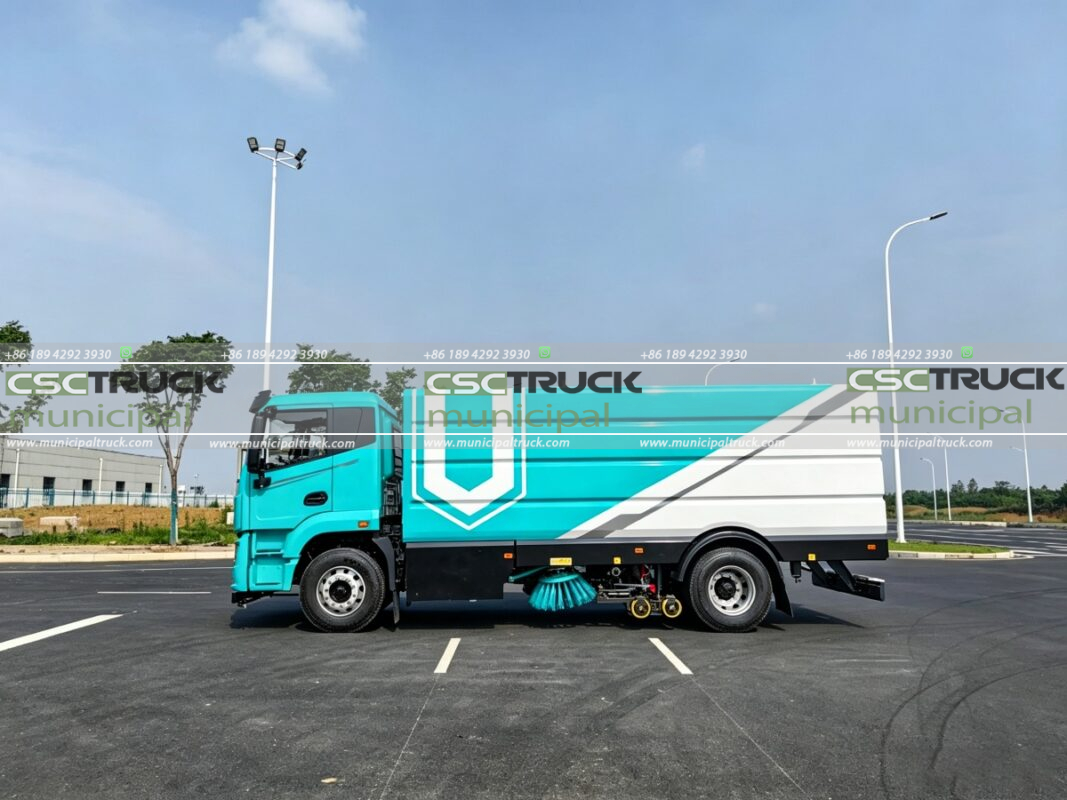
As governments worldwide implement stricter environmental regulations, electric road sweepers are rapidly gaining market share.
Compared with traditional diesel-powered models, electric sweepers offer several important advantages:
- Zero tailpipe emissions
- Lower greenhouse gas emissions
- Reduced noise pollution
- Lower daily operating costs
- Fewer maintenance requirements
- Improved energy efficiency
- Better suitability for low-emission urban zones
Advances in battery technology, fast charging, and intelligent energy management have also extended operating time, making electric sweepers practical for full-day municipal cleaning operations.
Looking for a Reliable Sweeper Truck Solution?
Whether you’re maintaining city streets, highways, airports, industrial parks, or logistics facilities, choosing the right sweeper truck can significantly improve cleaning efficiency while reducing operating costs and environmental impact.
CSCTRUCK Municipal offers a comprehensive range of mechanical, vacuum, combination, and electric sweeper trucks designed for diverse road cleaning applications. With customizable configurations, high-performance sweeping systems, and reliable after-sales support, CSCTRUCK Municipal helps municipalities and contractors build cleaner, safer, and more sustainable environments.
If you’re planning your next sanitation fleet upgrade or looking for a customized road sweeping solution, contact our team to explore the model that best fits your operational needs.