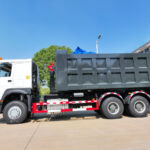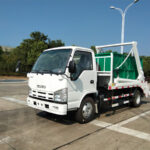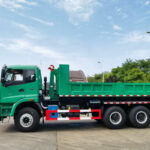
Efficient material transportation is essential for municipal sanitation, construction, recycling, landscaping, and industrial operations. Businesses today need equipment that can quickly adapt to different tasks while minimizing downtime and operating costs. This is where the hook lift truck stands out as one of the most versatile solutions available.
A hook lift truck is designed to transport interchangeable bodies, allowing a single vehicle to perform multiple jobs throughout the day. By simply changing the body, operators can switch from transporting waste containers to carrying flatbeds, water tanks, equipment platforms, or other specialized bodies. This flexibility has made hook lift trucks increasingly popular among municipalities, contractors, and fleet operators worldwide.
In this guide, we’ll explain what a hook lift truck is, how it works, its major components, common applications, and the advantages it offers over conventional transport vehicles.
What Is a Hook Lift Truck?
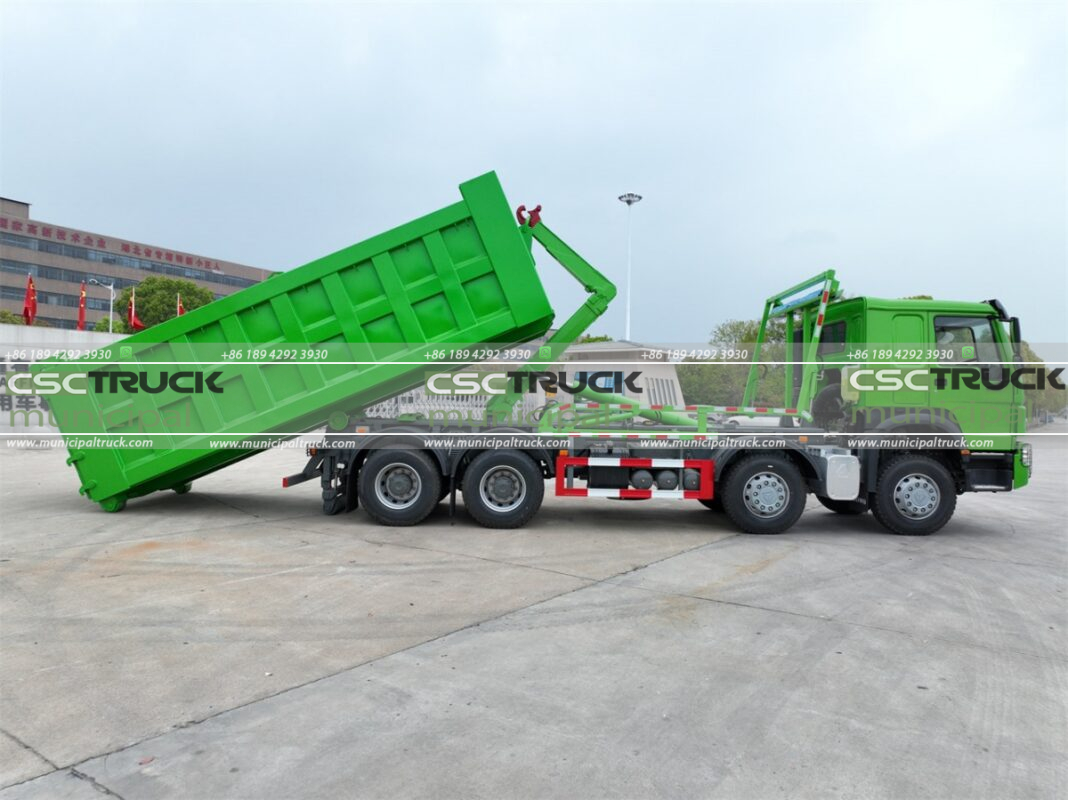
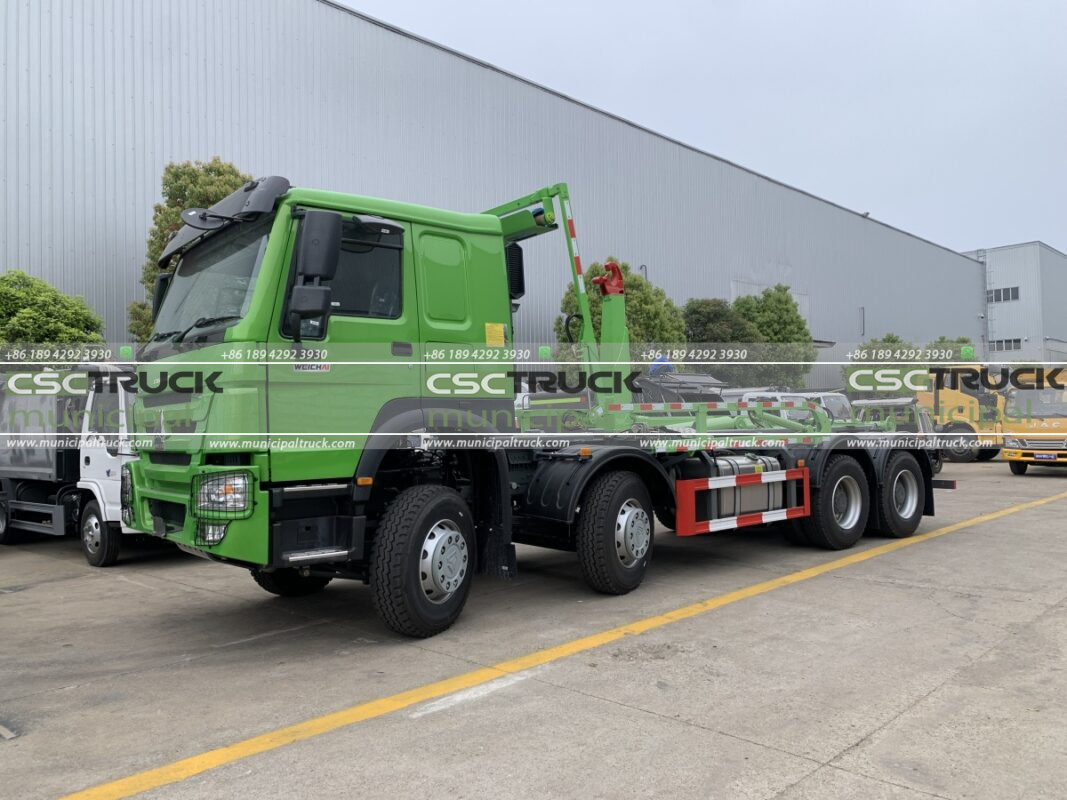
A hook lift truck, also known as a hook loader truck, is a specialized vehicle equipped with a hydraulic hook lifting system that loads, transports, and unloads interchangeable containers or bodies without requiring additional lifting equipment.
Unlike conventional trucks with permanently mounted bodies, a hook lift truck can quickly swap different attachments depending on the job. A single chassis can carry waste containers in the morning, transport construction materials in the afternoon, and deliver equipment using a flatbed later the same day.
In some markets, hook lift trucks are occasionally referred to as roll-on roll-off trucks because they allow containers to roll onto and off the vehicle. However, unlike traditional cable-operated roll-off trucks, hook lift trucks use a hydraulic hook arm rather than a cable winch, providing faster loading and greater versatility.
How Does a Hook Lift Truck Work?
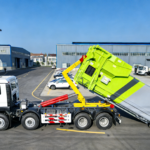
A hook lift truck uses a hydraulic lifting arm fitted with a hook to engage a lifting bar mounted on the front of the container or body.
The operating process typically follows these steps:
Step 1: Positioning the Truck
The operator reverses the truck toward the container, ensuring the hook arm is aligned with the lifting bar.
Step 2: Engaging the Hook
The hydraulic arm extends until the hook securely connects to the container’s lifting bar.
Step 3: Lifting the Container
The hydraulic cylinders raise the front of the container while simultaneously pulling it toward the truck chassis.
Step 4: Sliding onto the Chassis
As the hook arm retracts, the container rolls smoothly along guide rails until it is fully positioned on the truck.
Step 5: Locking for Transport
The hydraulic locking system secures the body firmly to the chassis before transportation.
Step 6: Unloading
At the destination, the process is reversed. The hydraulic arm extends while lowering the container to the ground, allowing the truck to drive away immediately after release.
The entire loading or unloading cycle usually takes only a few minutes and can be completed by a single operator.
Main Components of a Hook Lift Truck
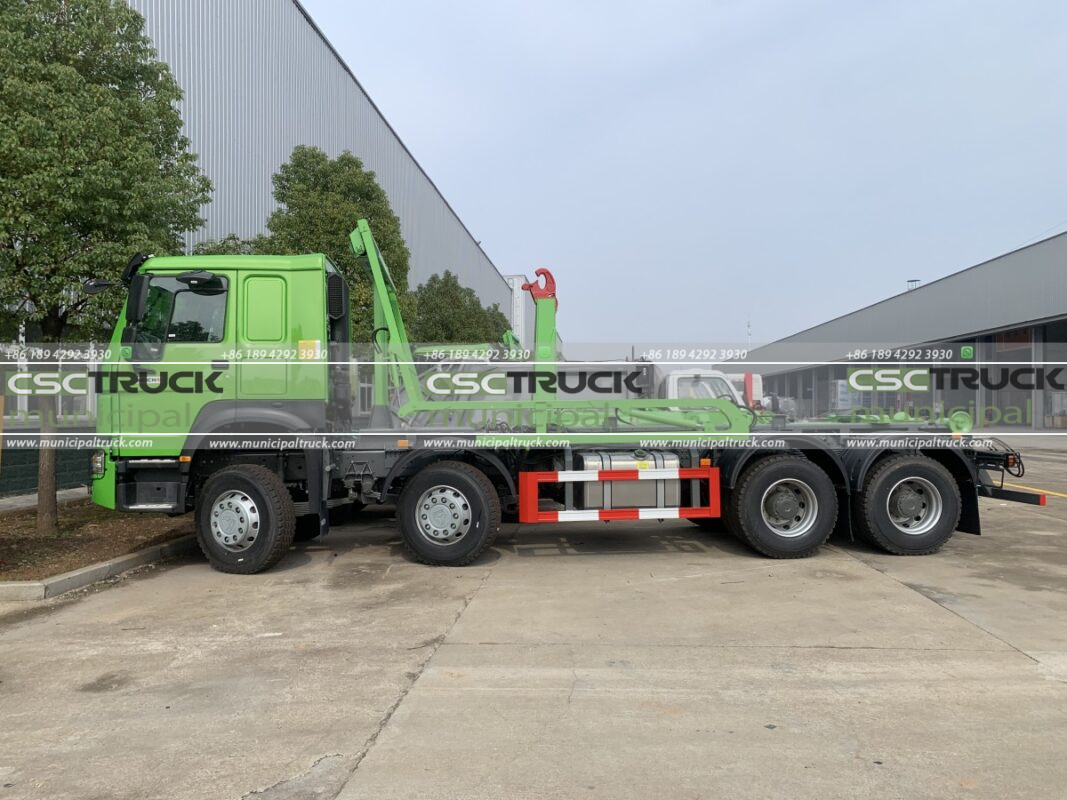
Several key components work together to ensure safe and efficient operation.
Hydraulic Hook Lift System
The hydraulic hook arm is the core component of the truck. It extends, lifts, and retracts to load or unload containers smoothly and efficiently.
Hydraulic Cylinders
Heavy-duty hydraulic cylinders provide the lifting force required to handle fully loaded containers safely.
Guide Rails
High-strength steel rails guide the container during loading and unloading while supporting the body throughout transportation.
Body Locking Mechanism
Mechanical or hydraulic locks secure the container to the chassis, ensuring stability during transport.
Hydraulic Control System
The control system allows operators to perform loading and unloading with precision while maintaining safe operating speeds.
Rear Rollers
Heavy-duty rollers reduce friction between the body and the ground, making loading and unloading smoother while minimizing wear.
Common Applications of Hook Lift Trucks
One of the biggest advantages of a hook lift truck is its ability to use multiple interchangeable bodies.
Common applications include:
- Municipal waste collection
- Construction and demolition debris transport
- Recycling operations
- Scrap metal collection
- Landscaping and green waste removal
- Equipment transportation using flatbeds
- Water tank transport
- Salt spreader or snow removal bodies
- Utility maintenance operations
- Industrial logistics
This versatility allows fleet operators to replace several dedicated vehicles with one multi-purpose truck.
Advantages of a Hook Lift Truck
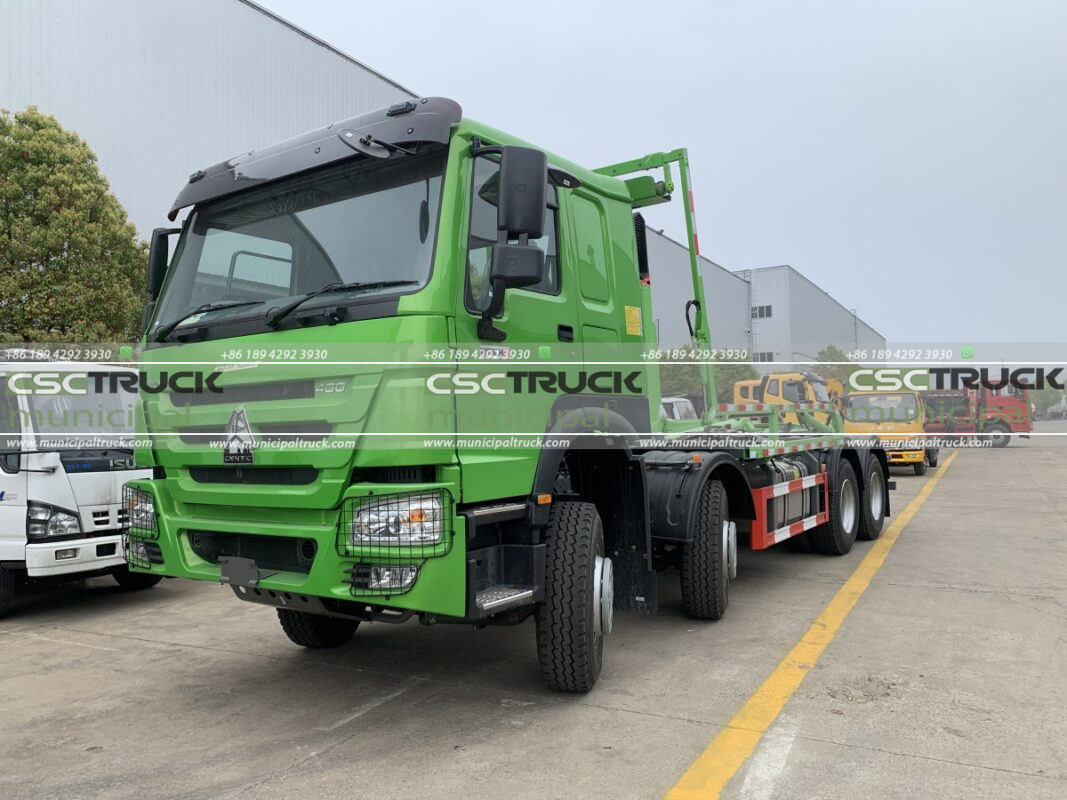
One Truck, Multiple Applications
By changing interchangeable bodies, one truck can perform a wide variety of transportation tasks, reducing fleet size and equipment investment.
Higher Productivity
Containers can be exchanged quickly, allowing operators to complete more jobs each day with minimal downtime.
Lower Operating Costs
Using one chassis for multiple applications reduces maintenance, fuel consumption, insurance costs, and driver training requirements.
Improved Workplace Safety
Hydraulic loading minimizes manual handling while allowing operators to remain at a safe distance during body exchange.
Excellent Operational Flexibility
Hook lift trucks can easily adapt to changing workloads by switching between different body types whenever required.
Long-Term Cost Savings
Because interchangeable bodies can be reused across the same chassis, businesses benefit from greater asset utilization and lower lifecycle costs.
How to Choose the Right Hook Lift Truck
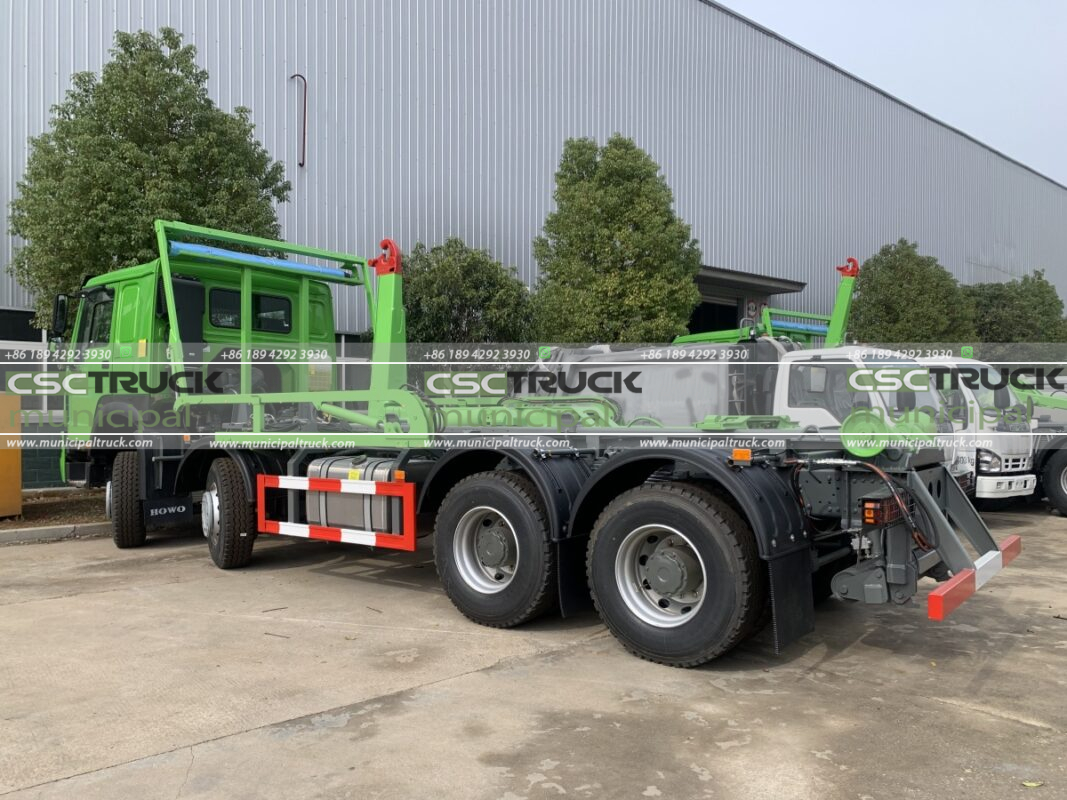
Selecting the right hook lift truck depends on your operational requirements and the types of bodies you intend to use.
When evaluating different models, consider the following factors:
- Hook lift capacity
- Chassis size and payload
- Wheelbase configuration
- Hydraulic system performance
- Compatible body lengths
- Operating environment
- Local road regulations
- Service and spare parts availability
Choosing a truck that matches both your daily workload and future expansion plans will maximize productivity while reducing long-term operating costs.
Looking for a Reliable Hook Lift Truck Solution?
Whether you operate a municipal sanitation fleet, construction company, recycling business, utility contractor, or industrial operation, a hook lift truck can significantly improve transportation efficiency by allowing one vehicle to perform multiple tasks.
CSCTRUCK Municipal offers a comprehensive range of garbage trucks designed for reliable, high-performance operation across a wide variety of industries. Built on proven commercial truck chassis and equipped with advanced hydraulic hook lift systems, our vehicles provide smooth loading, dependable performance, and long service life under demanding working conditions.
From compact urban models to heavy-duty multi-axle configurations, we can customize hook lift capacity, chassis brand, body length, and hydraulic specifications to meet your exact operational needs. Whether you’re expanding your municipal fleet or upgrading your waste management equipment, our engineering team is ready to help you find the right hook lift truck solution for your business.