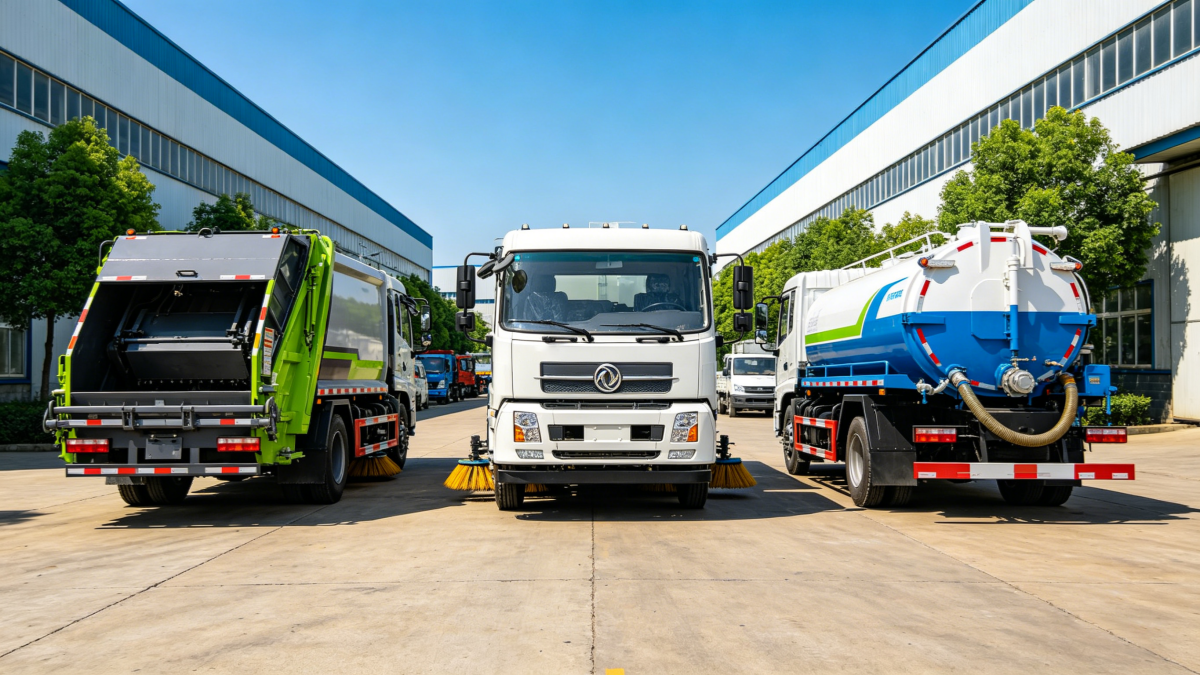
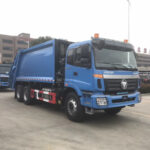
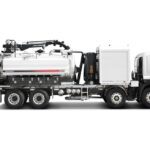
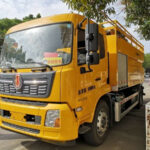
Built to Last & Fully Tailored: Top-tier garbage, sweeper and sewer trucks crafted for unrivaled durability. A trusted choice for municipal governments across the globe.
A Complete Guide to Sanitation Trucks: Types, Functions, and Future Trends
From keeping city streets clean to managing waste behind the scenes, sanitation trucks are the unsung heroes of urban life. But not all sanitation trucks are the same. Depending on the job — collecting garbage, washing roads, cleaning sewers, or even reducing dust — different trucks are designed for different tasks.
In this guide, we’ll break down the main types of sanitation trucks, how they work, and where they are used. We’ll also look at the growing trends of electrification and autonomous driving in the sanitation industry.
1. Waste Collection & Transport Trucks
These trucks handle the collection, compaction, and transport of solid waste — from household garbage to construction debris. They are the backbone of any municipal waste management system.
Truck Type
Core Function
Typical Application
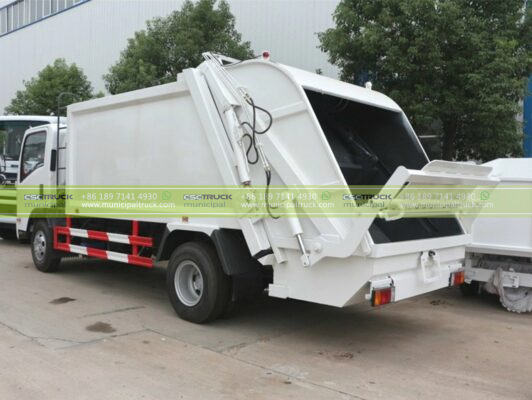
Rear Loader Compactor Truck
Compresses loose waste to increase transport capacity.
Mainstream waste collection in residential areas and main urban roads.
Hook Loader Garbage Truck
Uses a hydraulic arm to load/unload different containers.
One truck serves multiple containers; ideal for parks, factories, and transfer stations.
Self-Tipping Garbage Truck
The hydraulic lift dumps the container.
Construction waste, bulky debris, short-distance hauling.
Side Loader Garbage Truck
Automatic lifting device for standard bins.
Common in neighborhoods and commercial streets; one-person operation.
Skip Loader Garbage Truck
Loads/unloads large pit-style or ground-level containers.
Large transfer stations or bulky waste bins.
2. Street Cleaning & Maintenance Trucks
These vehicles are responsible for sweeping, washing, dust suppression, and beautifying urban roads. They operate mostly during early morning or late night hours to avoid traffic.
Truck Type
Core Function
Typical Application
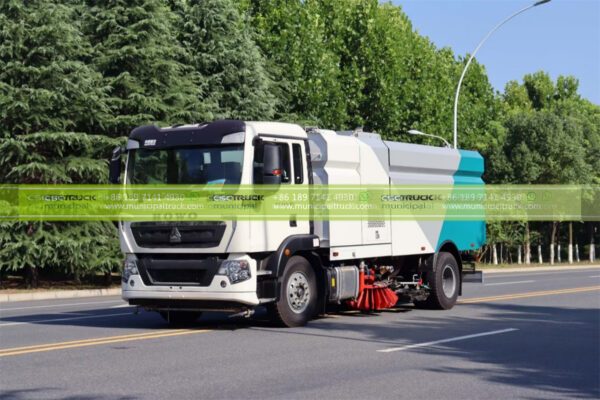
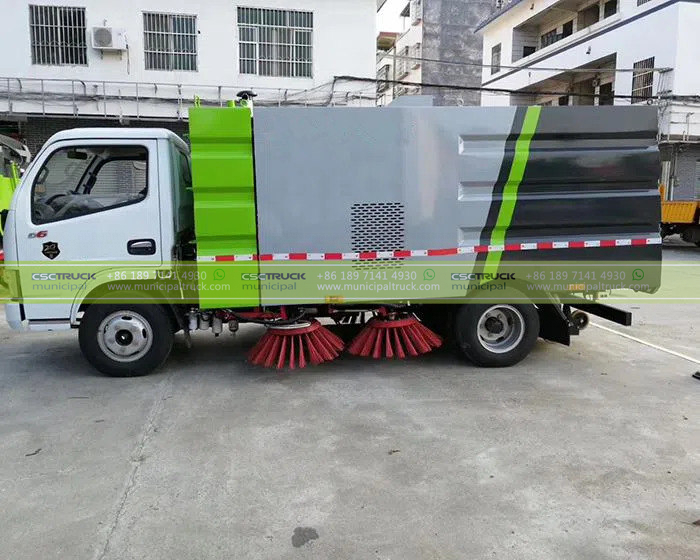
Road Sweeper Truck
Mechanical brushes and suction to collect debris from paved roads.
Urban roads, highways, and industrial zones; dry or wet sweeping.
Street Sweeper Truck
Compact design for narrow streets; brush and vacuum system.
Tight city streets, residential alleys, and bike lanes.
Fence Sweeper Truck
Rotating brush arms to clean guardrails and concrete barriers.
Highway medians, roadside barriers, and tunnel walls.
Airport Sweeper Truck
High-speed, metal-free sweeping to prevent FOD (foreign object debris).
Airport runways, taxiways, and aprons.
Water Sprinkler Truck
Large water tank with rear spray nozzles for dust suppression and cooling.
Road dust control, green belt irrigation, and summer heat reduction.
Water Jetting Truck
High-pressure water jets (typically 150–300 bar) to remove stubborn dirt.
Cleaning road oil stains, removing chewing gum, and preparing surfaces for repaving.
Water Spray Truck
Fine mist spray from front or side nozzles for light dust control.
Construction sites, unpaved roads, and event areas where heavy watering is not needed.
Waterless Sweeper Truck
Pure vacuum suction without water; uses filters and cyclone separation.
Cold regions (where water freezes), water-scarce areas, and indoor warehouses.
Combined Sweeper Jetter Truck
Integrated sweeping and high-pressure washing in a single pass.
High-standard road cleaning removes both loose debris and stubborn stains.
Water Mist Sprayer Truck
Atomized fog cannon to capture airborne dust particles (PM2.5/PM10).
Urban air quality control, demolition sites, and bulk material handling yards.
Snow Plow Truck
Front plow, side wing, or salt spreader for snow and ice removal
Winter road maintenance on highways, city streets, and airport runways
3. Municipal & Sewer Maintenance Trucks
These specialized vehicles keep underground drainage systems and sewer networks functioning properly. They prevent flooding and environmental pollution.
Truck Type
Core Function
Typical Application
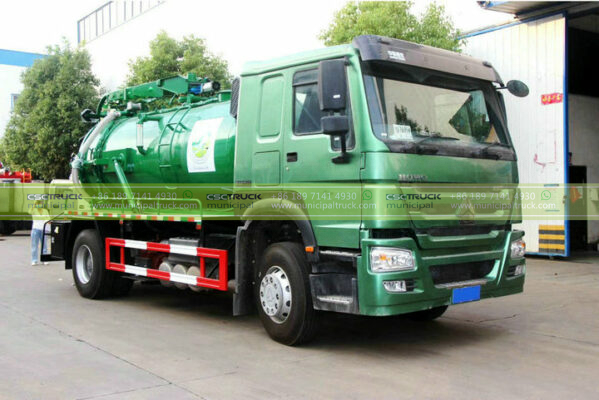
Vacuum Sewer Truck
Powerful vacuum pump to extract sludge and liquid waste from sewer systems.
Septic tank cleaning, sewage pumping stations, and industrial waste collection.
Sewer Cleaner Truck
High-pressure water jetting system to unclog pipes and flush debris.
Routine municipal drain cleaning, removing blockages in residential sewer lines.
Sludge Collector Truck
Specialized suction and tank design for thick, semi-solid sludge.
Wastewater treatment plants, industrial sludge removal, and lagoon cleaning.
Combo Sewer Jetter Truck
Combined high-pressure jetting and vacuum suction in a single unit.
One-pass sewer cleaning and debris removal; highly efficient for deep or long pipe systems.
Trends: Electrification & Autonomy
To meet environmental goals and improve operational efficiency, the sanitation truck industry is rapidly moving toward **new energy** and **intelligent driving** solutions worldwide.
New Energy (Electric & Hydrogen)
Electric sanitation trucks now cover almost all major types: compactors, sweepers, water sprayers, sewer cleaners, and more.
Across the globe, more cities and fleet operators are choosing electric models to reduce carbon emissions, lower noise pollution, and cut long‑term operating costs (electricity vs. diesel).
Hydrogen fuel cell sanitation trucks are also being piloted in some regions, offering a solution for heavy‑duty applications requiring a longer range.
Smart & Autonomous Sanitation
Autonomous driving technology is gradually being deployed in the sanitation sector. Driverless sweepers are already operating in parks, industrial zones, ports, and even on some public roads in commercial pilots or real‑world services.
Smart sanitation vehicles can work 24/7, helping to address labor shortages while improving safety.
With telematics, route optimization, and IoT connectivity, fleet managers can track vehicle status in real time and plan more efficient collection and cleaning routes.
These trends are reshaping how cities around the world manage waste and cleanliness — making sanitation greener, smarter, and more efficient.
Conclusion
Sanitation trucks come in many shapes and sizes, each designed for a specific job — from compacting household garbage to unclogging a sewer line or scrubbing a highway guardrail. Understanding the different types helps municipalities, contractors, and fleet managers choose the right equipment for the job.
As cities grow and environmental standards rise, the demand for specialized, energy-efficient, and intelligent sanitation vehicles will only increase.