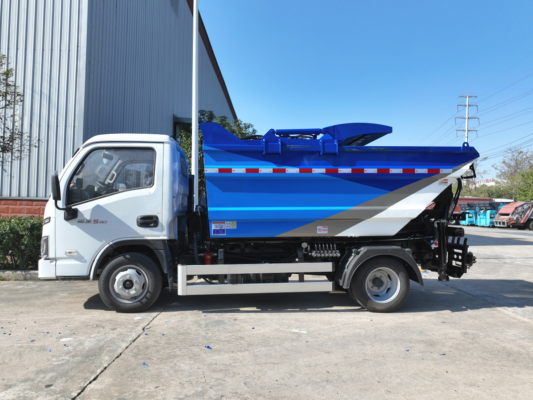
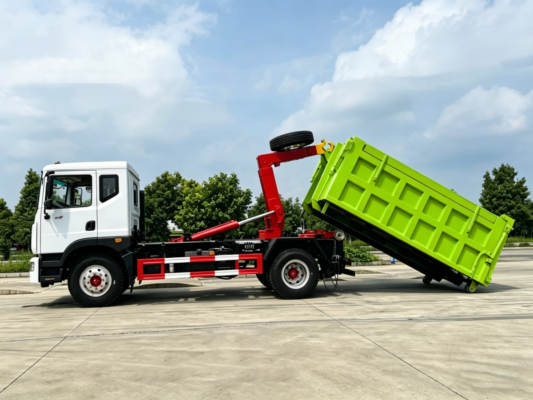
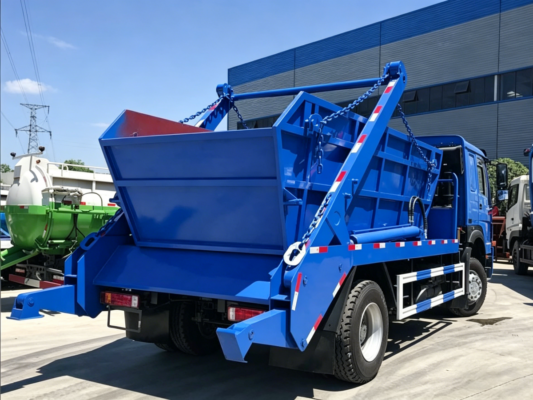
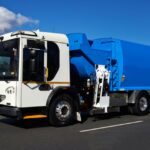
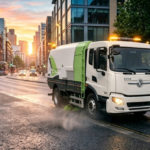
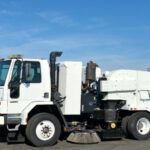
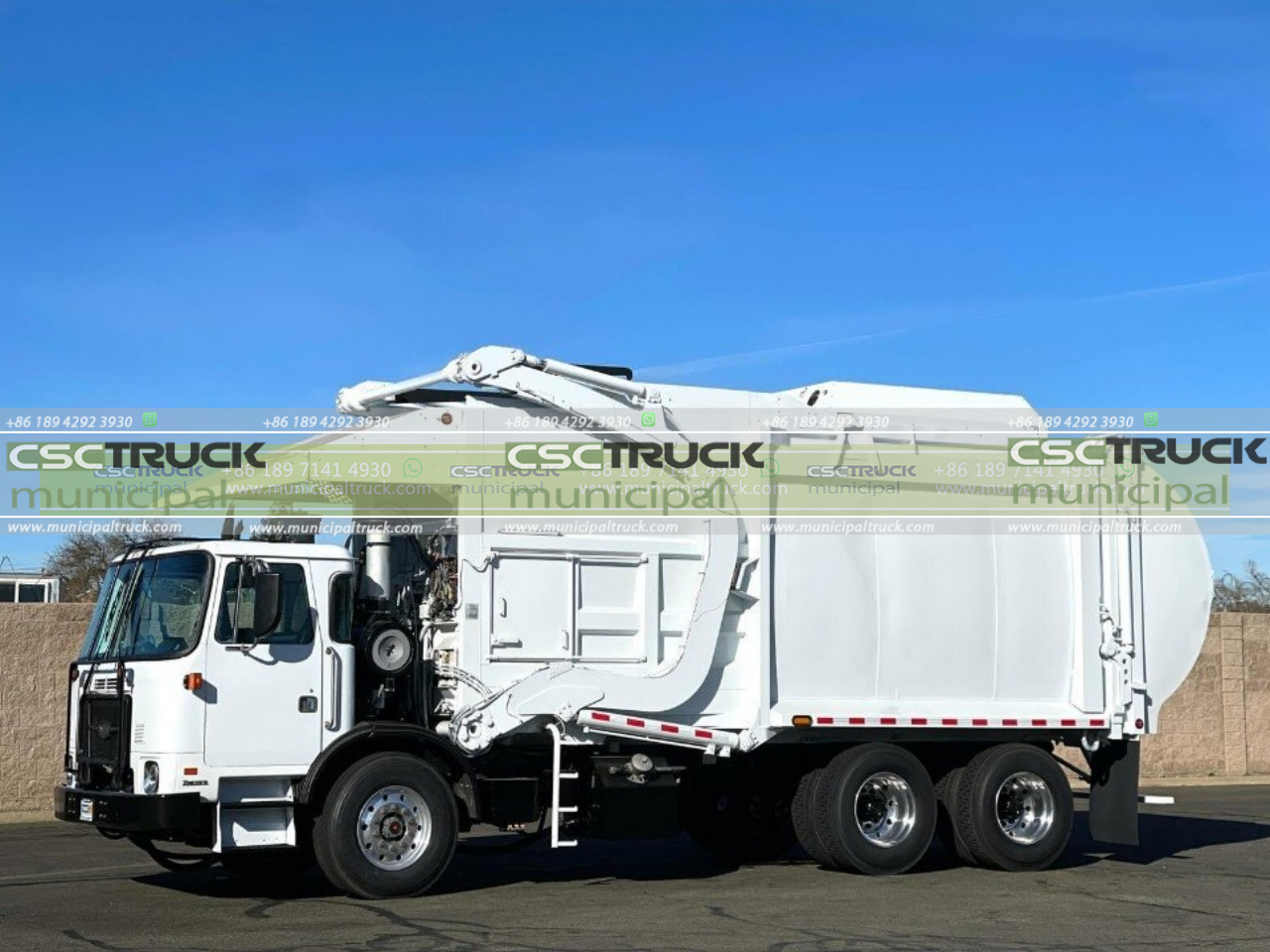
Built to Last & Fully Tailored: Top-tier garbage, sweeper and sewer trucks crafted for unrivaled durability. A trusted choice for municipal governments across the globe.
How to Choose the Right Garbage Truck for Municipal Projects
Municipal waste management is one of the most important components of modern urban infrastructure. As cities grow, the demand for efficient and reliable garbage trucks continues to increase. At the center of this system is the waste collection truck, a key asset that directly impacts cleanliness, public health, and operational efficiency.
Choosing the right garbage truck for municipal projects is not simply a purchasing decision. It is a long-term investment that affects daily operations, fuel consumption, manpower efficiency, and maintenance costs. Different cities require different configurations depending on population density, road conditions, and waste collection systems.
1. Understanding Municipal Waste Collection Requirements
Before selecting any garbage truck, it is essential to understand the waste collection environment.
Cities generate different types of waste:
Residential household waste
Commercial waste
Industrial waste
Public area waste
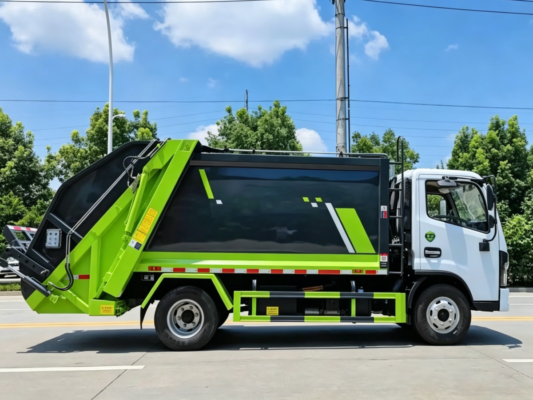
Each type requires different handling systems and collection frequencies. For example, dense urban areas require high-capacity compactor garbage trucks, while suburban areas may rely on smaller rear loader garbage trucks.
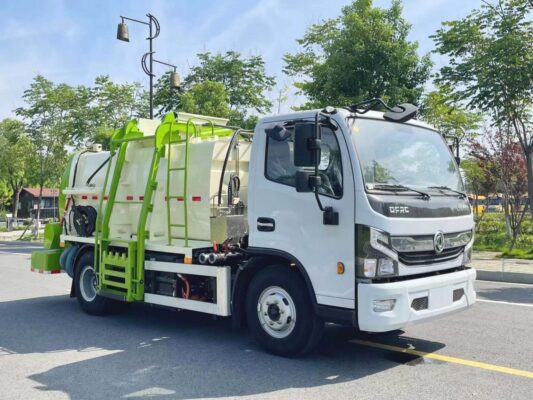
Traffic conditions also play a major role. Narrow streets and congested roads often require compact side loader garbage trucks or maneuverable rear loaders.
2. Main Types of Garbage Trucks Used in Municipal Projects
There are three main types of garbage trucks used in modern waste management systems.
They are common in modern smart city waste management systems.
Key advantages:
High automation
Reduced labor cost
Faster collection cycle
Suitable for standardized bin systems
Self-Tipping Garbage Truck
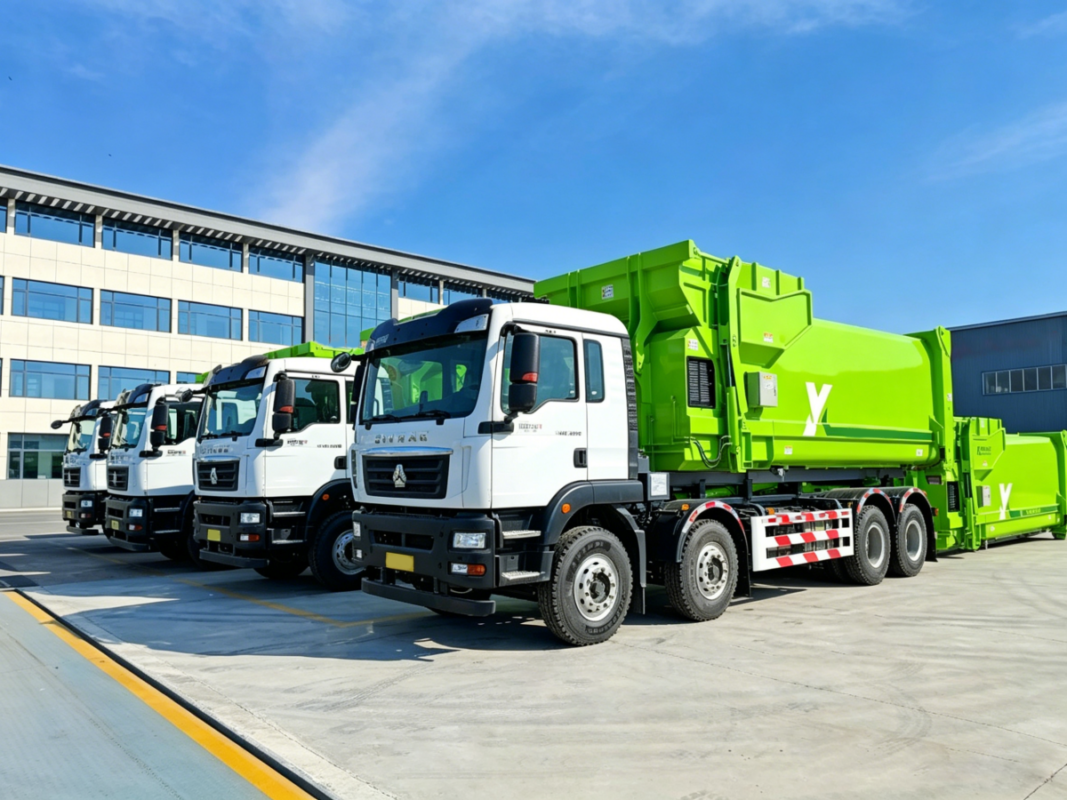
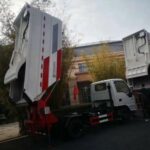
Self-tipping garbage trucks are widely used for bulk waste collection and transfer operations. Instead of compacting waste, these trucks rely on a hydraulic lifting body that allows the cargo box to tilt, enabling quick unloading.
Key advantages:
Fast unloading through the hydraulic tipping system
Suitable for construction waste and bulk municipal waste
Simple structure and easy maintenance
High payload capacity
These self-unloading garbage trucks are especially useful in areas where waste does not require compaction but needs fast transport and discharge.
Narrow roads → rear loader garbage trucks or compact side loaders
Industrial zones → front loader garbage trucks
Developing regions → reinforced chassis waste collection trucks
Ignoring road conditions increases maintenance costs and reduces efficiency.
6. Maintenance and Lifecycle Cost
The real cost of a garbage truck is not the purchase price—it is the total lifecycle cost.
Key factors include:
Hydraulic system durability
Spare parts availability
Fuel efficiency
Maintenance frequency
Service support
A high-quality municipal garbage truck reduces long-term operational costs.
7. Supplier Capability and After-Sales Support
A reliable garbage truck supplier is critical for municipal projects.
A professional supplier should provide:
Technical customization
Spare parts supply
Operator training
After-sales service support
Strong supplier support ensures stable waste collection operations.
Conclusion
Selecting the right garbage truck for municipal projects requires balancing efficiency, cost, capacity, and environment. Different types of garbage trucks serve different roles in a complete urban waste management system.
A well-designed municipal waste collection system improves not only city cleanliness but also long-term sustainability and operational efficiency.