Egypt is undergoing a quiet but important transformation in its water management infrastructure. As urban populations grow and industrial activity increases, wastewater treatment systems are under greater pressure than ever before. In response, Egypt is investing in modern sludge collector trucks to improve the efficiency, safety, and sustainability of its treatment facilities.
Rising Demand for Better Wastewater Management
In cities across Egypt, wastewater treatment plants are facing increasing volumes of sludge—a byproduct of treating sewage and industrial water. Without proper removal and transport, sludge can quickly overwhelm facilities, reduce treatment efficiency, and create environmental hazards.
Traditional sludge handling methods are often labor-intensive, slow, and less hygienic. This has created a strong need for more automated and mobile solutions that can keep up with growing urban demands.
What Are Sludge Collector Trucks?
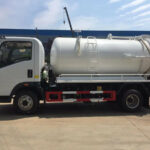
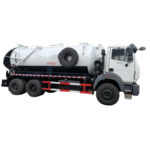
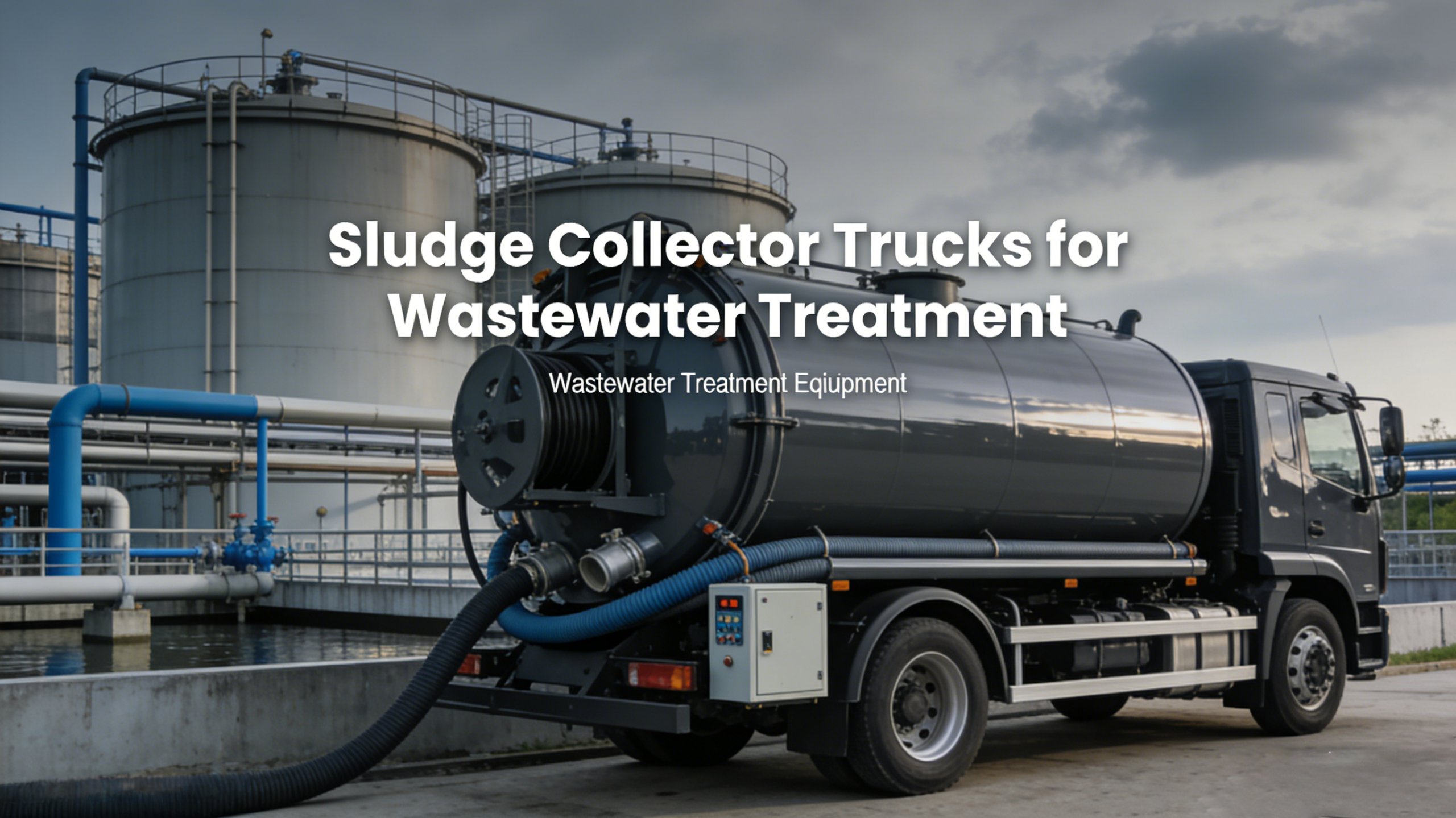
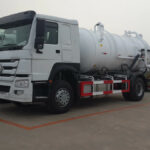
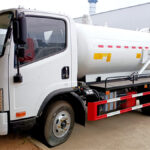
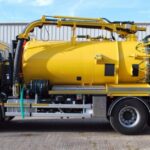
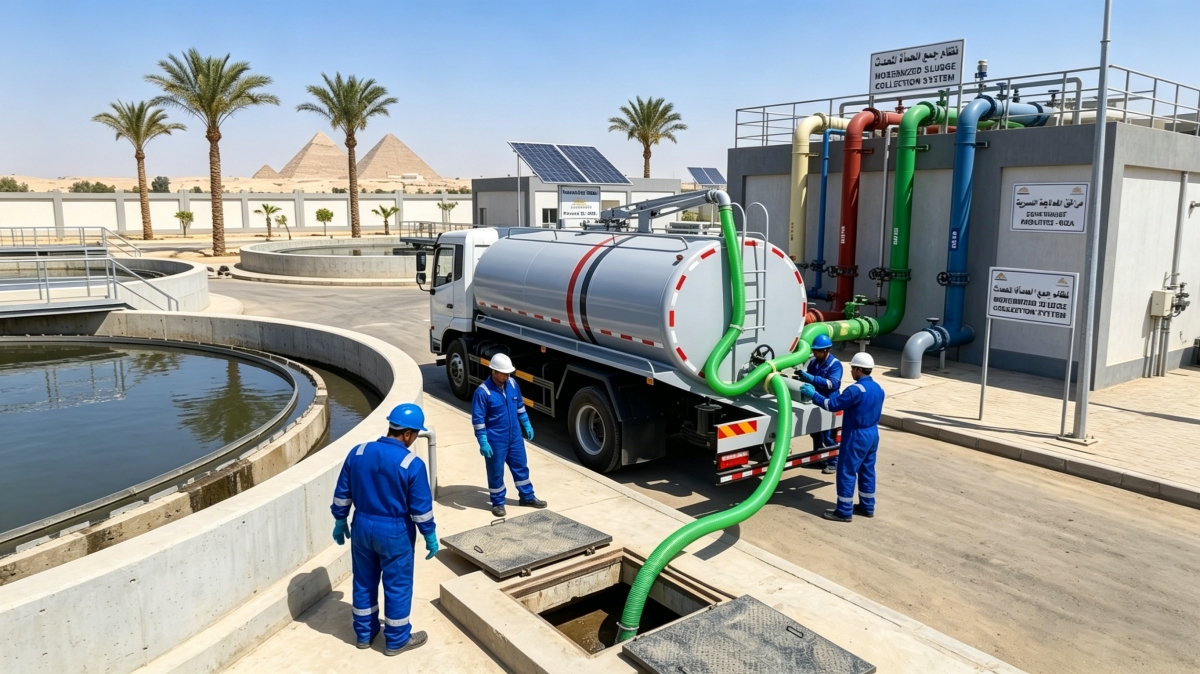
Sludge collector trucks are specialized vehicles designed to vacuum, transport, and safely dispose of sludge from wastewater treatment plants and industrial sites. They are typically equipped with:
- High-capacity vacuum pumping systems
- Sealed storage tanks to prevent leakage and odor
- Hydraulic mechanisms for efficient unloading
- Corrosion-resistant materials for handling waste
These trucks act as mobile extensions of treatment facilities, ensuring that sludge is removed quickly and transported safely to designated processing or disposal sites.
Why Egypt Is Investing in Them
The adoption of sludge collector trucks is part of a broader modernization strategy in Egypt’s water infrastructure sector.
Several key factors are driving this shift:
1. Urban expansion
Cities such as Cairo and Alexandria are experiencing rapid population growth, increasing the load on existing wastewater systems.
2. Environmental protection
Proper sludge handling reduces the risk of groundwater contamination, unpleasant odors, and public health hazards.
3. Operational efficiency
Modern trucks reduce reliance on manual sludge removal, cutting down time and labor costs while improving consistency.
4. Infrastructure modernization
Egypt is investing in upgrading its treatment plants with more integrated, automated systems where mobile sludge collection plays a key role.
Improving Treatment Plant Performance
By integrating sludge collector trucks into daily operations, treatment facilities can maintain more stable performance. Instead of allowing sludge to accumulate and slow down processing systems, operators can now remove waste on a scheduled or demand-based basis.
This leads to:
- More consistent water treatment quality
- Reduced downtime for maintenance
- Lower risk of system overloads
- Better compliance with environmental standards
A Step Toward Sustainable Water Systems
Water scarcity and pollution are long-term challenges in Egypt, making efficient wastewater management a national priority. Sludge collector trucks are not just a logistical upgrade—they represent a shift toward more sustainable and resilient infrastructure.
By improving how waste is handled at treatment facilities, Egypt is indirectly improving water reuse potential, agricultural safety, and overall environmental health.
Conclusion
The modernization of Egypt’s wastewater sector highlights a broader trend: infrastructure improvement is not only about building new plants, but also about optimizing the systems that keep them running.
Sludge collector trucks may seem like a small piece of the puzzle, but they play a critical role in ensuring that treatment facilities operate efficiently, safely, and sustainably in a rapidly growing country.
CSCTRUCK offers a comprehensive range of high-quality sludge collector trucks, vacuum trucks, and combined sewer jetter trucks, fully customizable to meet the unique sludge management and wastewater treatment requirements of municipal and industrial customers across Egypt and the wider Middle East and North Africa region.