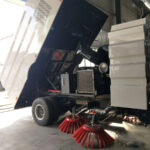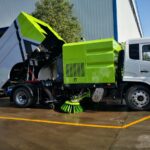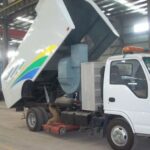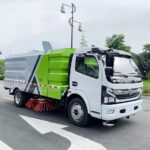
In a continent-wide push to modernize urban infrastructure, multiple African nations have begun deploying state-of-the-art cleaning sweeper vehicles as part of a sweeping initiative to elevate public health standards and environmental sustainability. This pan-African effort, facilitated through strategic partnerships between CSCTRUCK Municipaltruck and leading local corporations across the continent, introduces fleets of intelligent, eco-friendly sweepers equipped with AI-guided navigation, water recycling systems, and solar-assisted operation. The vehicles are being distributed to rapidly growing cities where urbanization has outpaced traditional cleaning methods, offering a technological leap forward in maintaining hygienic public spaces while addressing critical challenges like airborne dust control and stormwater pollution.
The initiative represents one of Africa’s most coordinated responses to the sanitation demands of its booming cities, combining global engineering expertise with localized adaptations for diverse climates and urban landscapes. From the sandy coastal cities of North Africa to the high-density neighborhoods of sub-Saharan metropolises, these cleaning sweeper vehicles are redefining municipal maintenance standards while creating skilled employment opportunities through technology transfer programs embedded in the delivery contracts.
1. A New Standard for Urban Cleanliness Across Africa
The arrival of these advanced cleaning sweeper vehicles marks a turning point in Africa’s approach to municipal hygiene, addressing long-standing gaps with innovative features:
- Smart debris management: Multi-stage filtration captures everything from coarse litter to PM2.5 particulates, improving air quality in high-traffic zones.
- Climate-adaptive operation: Hybrid diesel-electric models alternate power sources based on terrain, while desert variants feature enhanced sand separation systems.
- Data-driven maintenance: Onboard telematics predict mechanical issues before failures occur, maximizing uptime in cities with limited repair infrastructure.
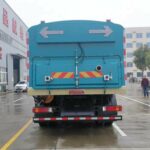
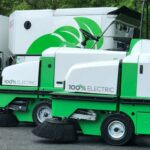
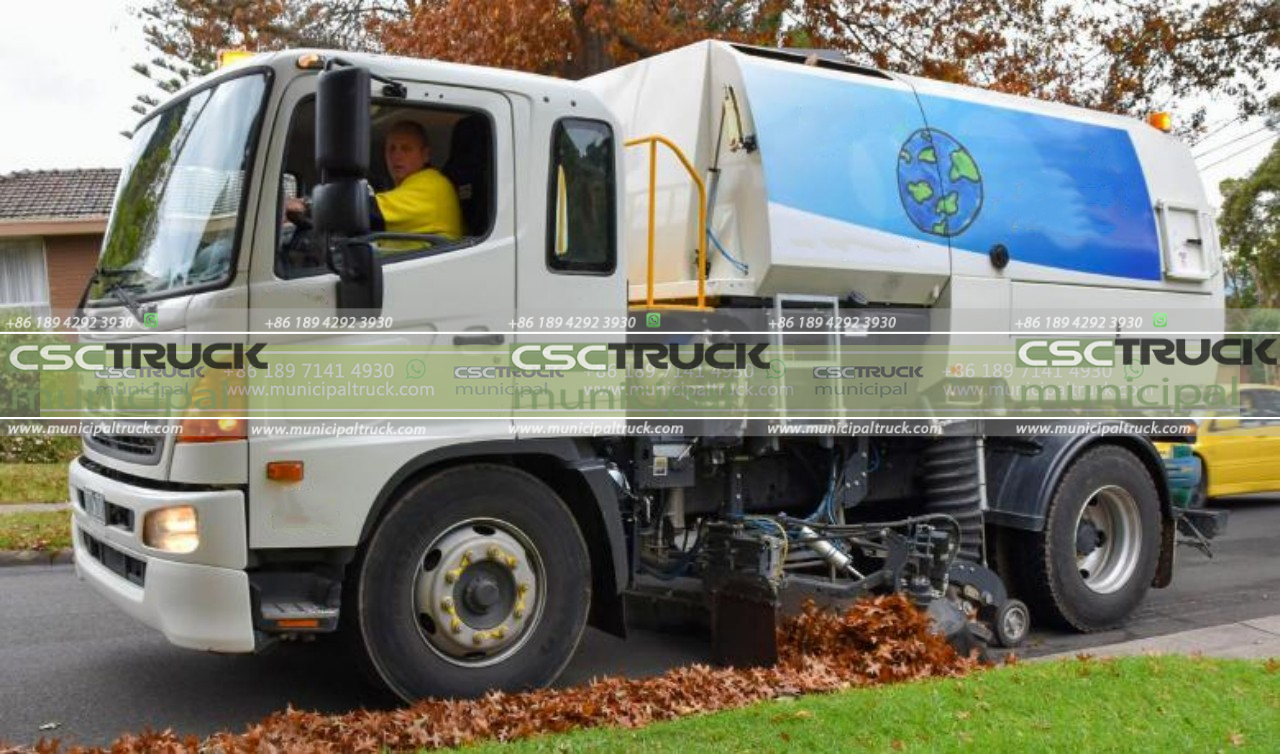
Early deployments in Nairobi, Dakar, and Casablanca have demonstrated remarkable results, with pilot areas showing 45% reductions in street litter and 30% decreases in respiratory complaints linked to road dust. The vehicles’ distinctive blue-and-green livery has become a visible symbol of progress, with citizens reporting increased pride in their cleaner neighborhoods.
2. The Partnership Model Powering Continental Change
This unprecedented rollout stems from a unique cooperative framework between CSCTRUCK Municipaltruck and African industrial leaders, blending international technology with local manufacturing capabilities.
Customized Solutions for African Challenges
- Tropical configurations: Models for equatorial regions feature reinforced cooling systems and mold-resistant interiors.
- Off-road capabilities: Adjustable suspension allows operation on unpaved roads common in peri-urban areas.
- Local content integration: 35% of components, from brushes to control panels, are now sourced from African suppliers.
The partnership extends beyond hardware delivery, establishing:
- Regional training hubs in Johannesburg and Accra certifying 500 technicians annually.
- A continent-wide spare parts network reducing downtime through strategic warehousing.
- Co-development programs adapting sweeping systems for informal settlement geometries.
This model not only delivers immediate sanitation improvements but also builds enduring industrial capacity, with participating countries gaining access to patented technologies through phased localization agreements.
3. Laying the Groundwork for Holistic Sanitation Ecosystems
While the cleaning sweeper vehicles form the most visible component of this initiative, they anchor a broader strategy integrating multiple sanitation technologies:
- Next-phase deployments will introduce AI-assisted garbage trucks with automated waste sorting to reduce landfill loads.
- Underground sewer truck systems are being prototyped for historic districts where fixed infrastructure is impractical.
- Solar-powered compacting stations will create circular economies by converting street waste into alternative fuels.
The sweeping initiative’s true innovation lies in its scalable framework—each participating nation contributes local insights while benefiting from collective advancements. From the medinas of Tunis to the hills of Kigali, these machines do more than clean streets; they demonstrate Africa’s ability to leapfrog legacy systems through smart partnerships. As dawn breaks over the continent’s cities, the quiet hum of these advanced sweepers signals a new era where technological sophistication and environmental stewardship walk hand in hand down spotless avenues.