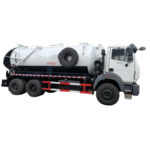
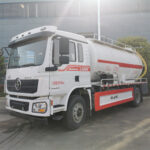
Built to Last & Fully Tailored: Top-tier garbage, sweeper and sewer trucks crafted for unrivaled durability. A trusted choice for municipal governments across the globe.
From Nozzle to Tank: The Complete Workflow of a Sludge Collector Truck
Modern cities rely on underground sewer networks to keep wastewater flowing safely, but these pipelines, septic tanks, and drainage systems gradually accumulate sludge, silt, grease, and other debris. Without regular cleaning, blockages can lead to flooding, unpleasant odors, environmental pollution, and costly repairs. This is where the sludge collector truck becomes an indispensable piece of municipal equipment.
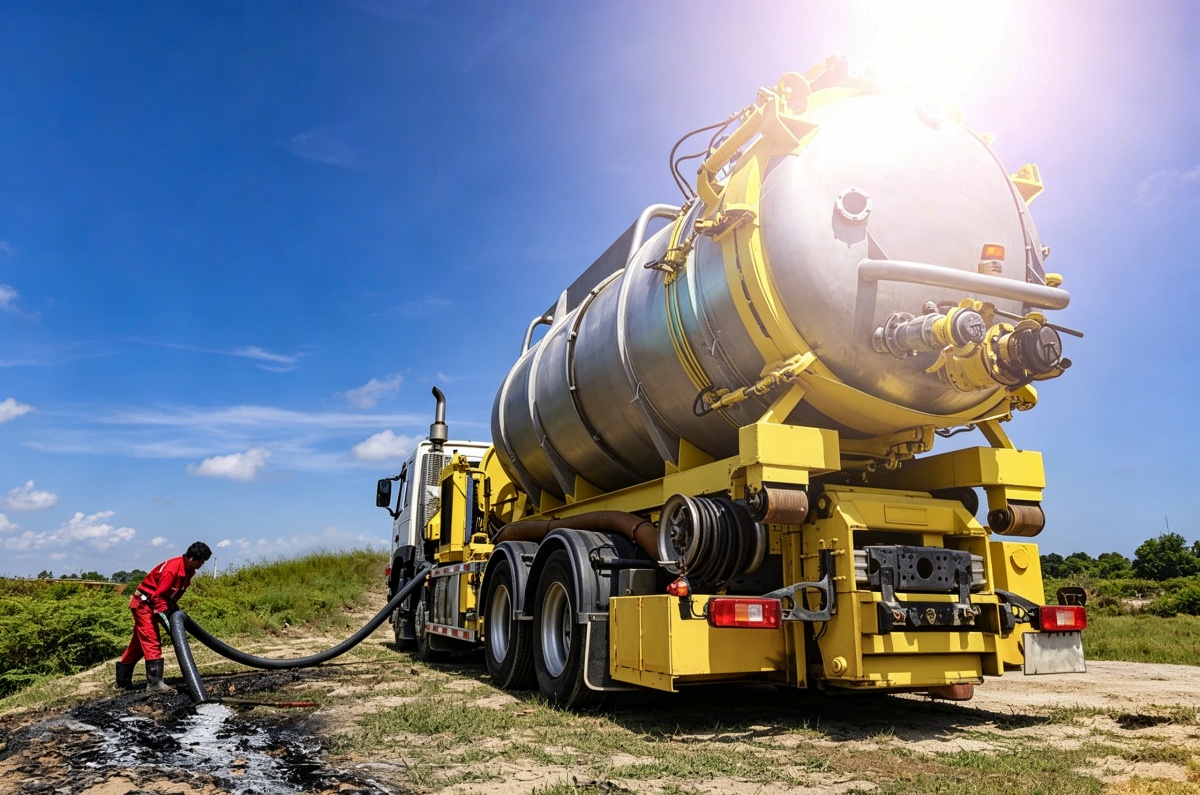
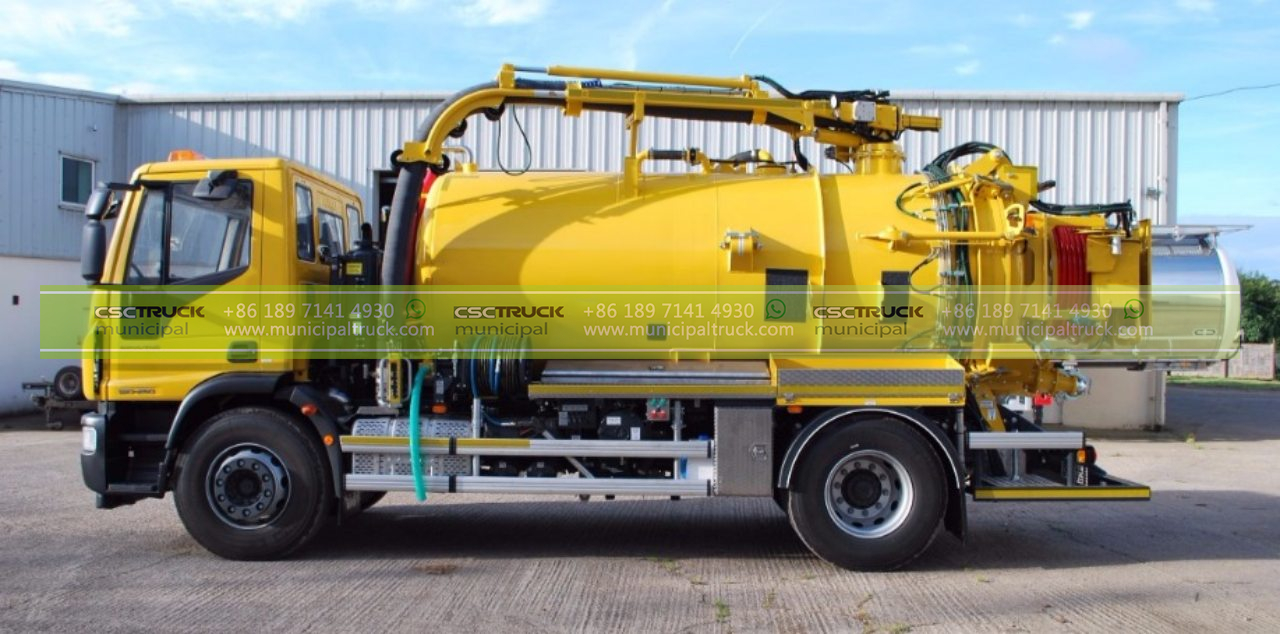
Unlike ordinary water tankers or garbage trucks, a sludge collector truck removes waste using powerful vacuum pressure rather than mechanical excavation. It can quickly collect sludge from underground pipelines, septic tanks, catch basins, and industrial wastewater facilities while minimizing manual labor and reducing environmental contamination.
But how does a sludge collector truck actually work? From engaging the power take-off (PTO) to unloading collected sludge, every stage follows a carefully engineered process. Let’s explore the complete workflow.
Step 1: The Engine Powers the PTO
Every sludge collector truck begins with the truck chassis engine.
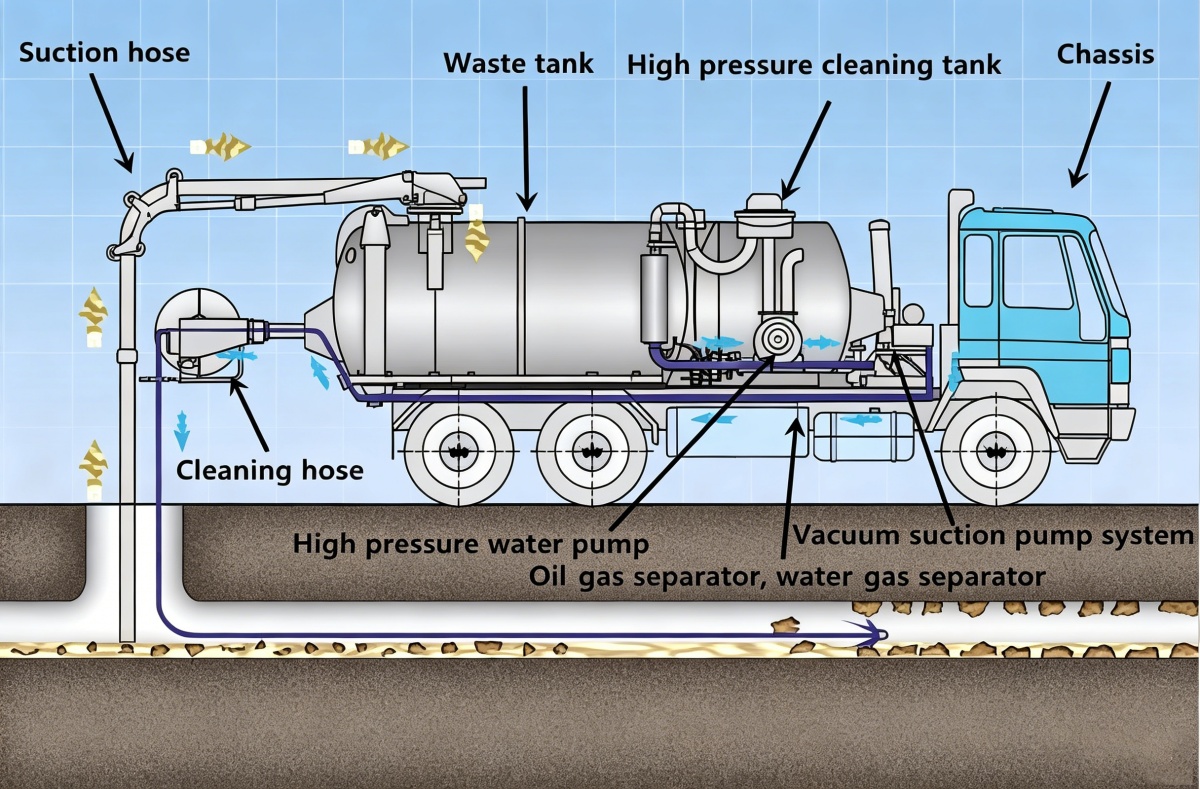
Instead of installing a separate engine for the vacuum system, the truck uses a Power Take-Off (PTO) mounted on the transmission. When the operator engages the PTO, part of the engine’s power is diverted to drive the vacuum pump.
This design offers several advantages:
Lower fuel consumption
Reduced maintenance
Reliable power output
Simplified vehicle structure
The PTO acts as the bridge between the truck’s engine and the vacuum system, ensuring stable operation throughout the cleaning process.
Step 2: The Vacuum Pump Creates Negative Pressure
Once the PTO is engaged, it drives the vacuum pump, the heart of the entire sludge collection system.
The pump continuously removes air from the sealed tank, creating negative pressure (vacuum) inside the tank.
Because atmospheric pressure outside the tank is much higher than the pressure inside, wastewater and sludge are naturally forced through the suction hose into the tank.
The stronger and more stable the vacuum pump, the faster the sludge collection process becomes.
Modern vacuum trucks typically use:
Rotary vane vacuum pumps
Water-ring vacuum pumps
Oil-lubricated vacuum pumps
These pumps are designed for continuous heavy-duty operation while maintaining strong suction performance.
Step 3: Sludge Is Drawn Through the Suction Hose
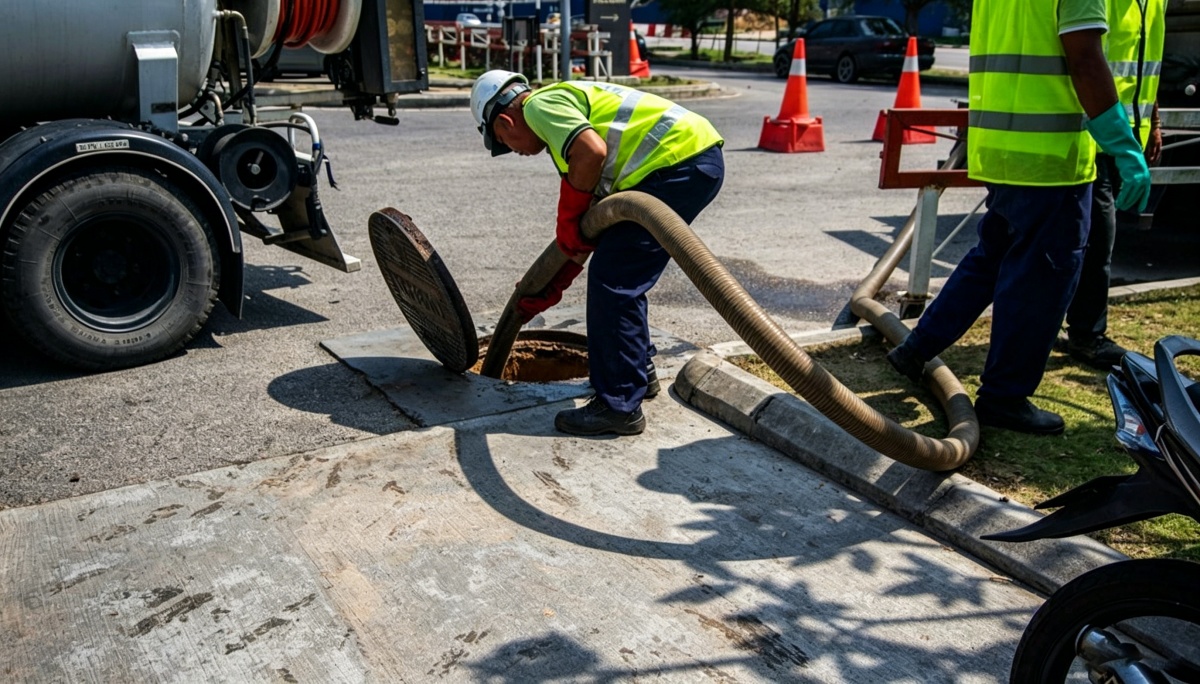
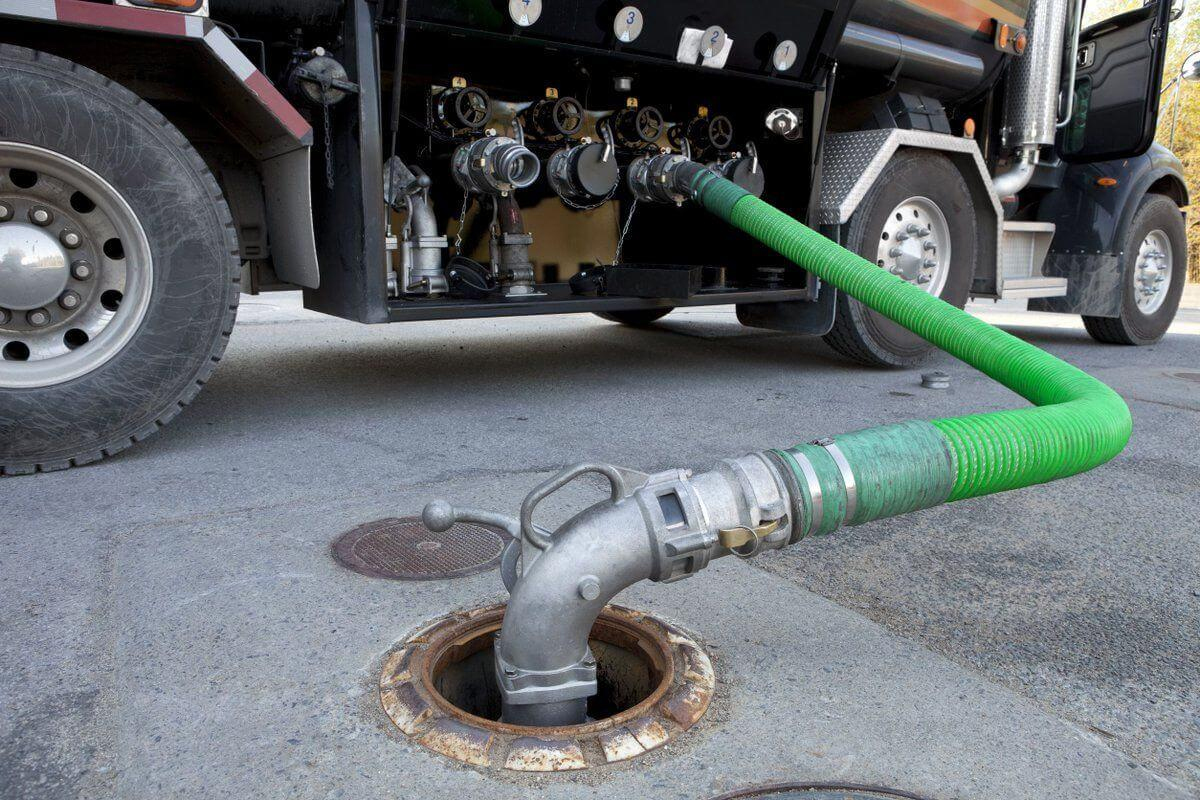
After sufficient vacuum pressure has been created, operators place the suction hose into the sewer, septic tank, or sludge pit.
The pressure difference immediately begins pulling materials through the hose.
A sludge collector truck can efficiently collect:
Sewage
Mud
Sand
Grease
Industrial sludge
Septic waste
Organic sediments
Depending on the pump capacity and hose diameter, thousands of liters of sludge can be collected within a relatively short period.
This vacuum-based operation greatly reduces manual cleaning while improving workplace safety.
Step 4: Waste Is Safely Stored Inside the Tank
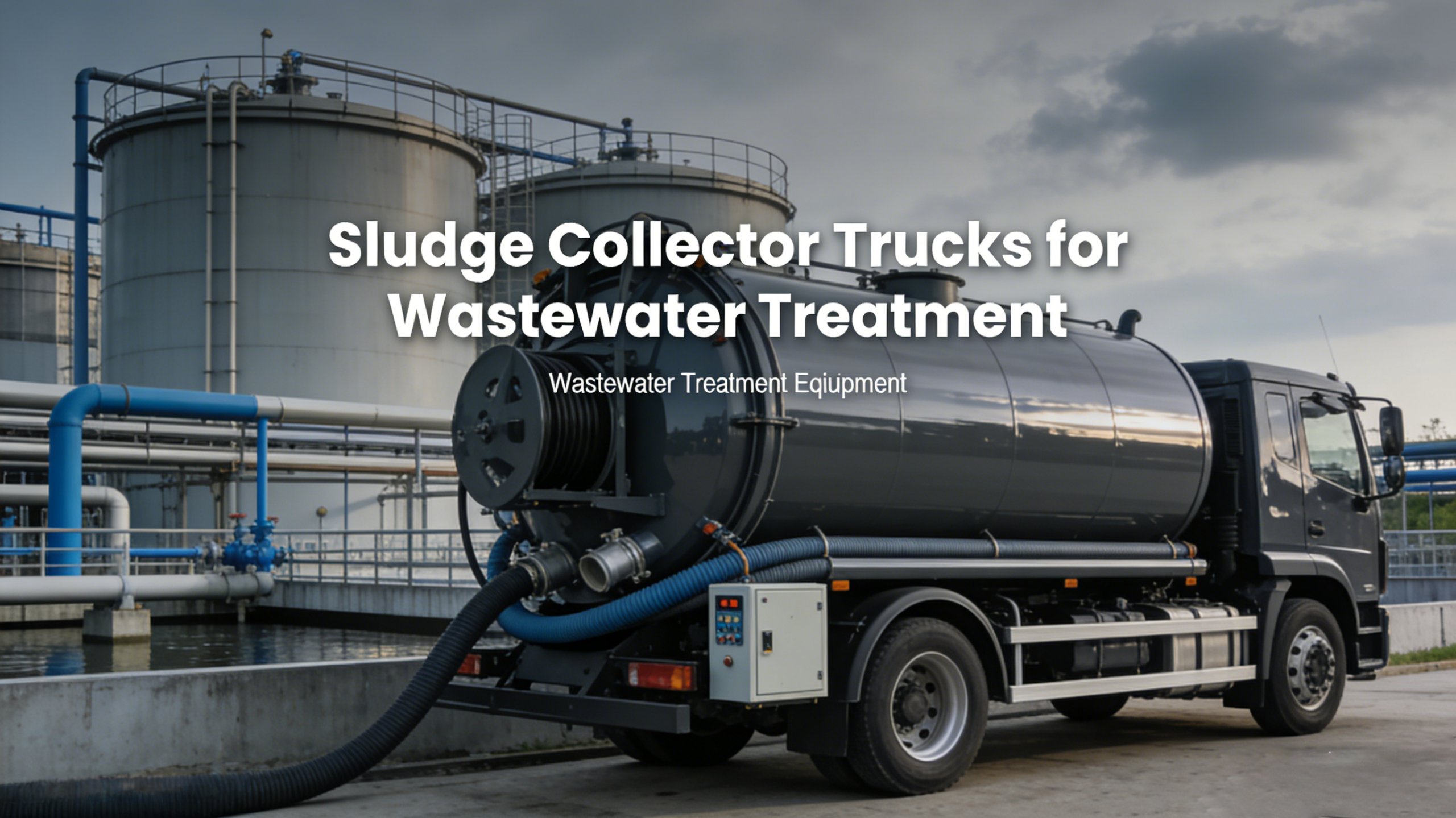
As sludge enters the vehicle, it is stored inside the sealed vacuum tank.
The tank is specially designed to withstand both vacuum pressure during suction and positive pressure during unloading.
Inside the tank, several components improve operational safety and efficiency:
Anti-overflow protection
Air-water separator
Safety relief valve
Level monitoring system
Internal baffles to reduce liquid movement
These features prevent waste from entering the vacuum pump while ensuring stable transportation even on uneven roads.
Large-capacity tanks also allow operators to complete multiple cleaning tasks before returning to the disposal site.
Step 5: Transportation to the Disposal Site
Once the tank reaches its operating capacity, the suction system is stopped and the truck transports the collected sludge to an approved treatment or disposal facility.
The sealed tank prevents:
Leakage
Odors
Secondary pollution
Waste spillage during transport
This makes sludge collector trucks suitable for both urban sanitation work and industrial wastewater management.
Step 6: Fast and Efficient Rear Dumping
After arriving at the disposal site, unloading is simple and efficient.
Most modern sludge collector trucks use a hydraulic rear door and hydraulic lifting system.
The unloading process typically follows these steps:
Release the rear door locking mechanism.
Open the rear door hydraulically.
Raise the front of the tank using the hydraulic cylinder.
Gravity allows the sludge to slide directly out of the tank.
Lower the tank and securely close the rear door.
This direct rear-dumping method significantly shortens unloading time and makes it easier to remove thick sludge and solid waste.
Why Sludge Collector Trucks Are So Efficient
Compared with traditional manual cleaning methods, sludge collector trucks offer significant operational advantages.
Self-Priming and Self-Unloading
The vehicle performs both suction and unloading independently without requiring additional pumping equipment.
High Working Efficiency
Powerful vacuum pumps enable rapid sludge collection, reducing cleaning time and improving daily productivity.
Large Tank Capacity
Modern vacuum trucks are available with tank capacities ranging from a few cubic meters to over 20 m³, allowing longer operation before disposal is required.
Convenient Transportation
Mounted on commercial truck chassis, sludge collector trucks can travel quickly between multiple job sites, improving fleet utilization.
Cleaner and Safer Operation
The fully enclosed system minimizes operator exposure to hazardous waste while reducing environmental contamination.
Typical Applications
Today, sludge collector trucks are widely used across municipal and industrial sectors, including:
Municipal sewer cleaning
Septic tank emptying
Storm drain maintenance
Industrial wastewater collection
Oil sludge removal
Construction site dewatering
Environmental sanitation services
Emergency flood cleanup
Their versatility makes them one of the most valuable vehicles in modern sanitation fleets.
Conclusion
Although a sludge collector truck appears simple from the outside, its operation relies on a highly efficient sequence of engineering systems. By transmitting engine power through the PTO, driving the vacuum pump, creating negative pressure inside the tank, drawing sludge through the suction hose, and finally unloading waste through the hydraulic rear door, the vehicle completes the entire collection cycle quickly and efficiently.
With its self-priming, self-unloading, fast operating speed, large carrying capacity, and easy transportation, the sludge collector truck has become an essential solution for municipalities, utility contractors, and environmental service providers worldwide. As cities continue investing in smarter and more efficient sanitation infrastructure, these vehicles will remain at the forefront of modern wastewater and sludge management.