Built to Last & Fully Tailored: Top-tier garbage, sweeper and sewer trucks crafted for unrivaled durability. A trusted choice for municipal governments across the globe.
In the dynamic, often chaotic environment of a construction site, managing the relentless stream of debris – broken concrete, discarded lumber, packaging materials, and assorted rubble – is not merely a logistical challenge; it’s a fundamental determinant of project efficiency, safety, and cost control. Amidst the cacophony of heavy machinery, one specialized vehicle stands as the undisputed champion of construction and demolition (C&D) waste removal: the skip loader garbage truck. Far more robust and purpose-built than standard residential garbage trucks, these industrial workhorses are engineered to handle the sheer volume, weight, and unpredictability of construction debris with unparalleled efficiency. Their unique design, centered around a powerful hydraulic hook-arm system, transforms the arduous task of waste clearing into a streamlined operation, ensuring sites remain safe, productive, and compliant with environmental regulations. Understanding the mechanics, benefits, and strategic deployment of skip loaders is essential for any construction manager aiming to optimize site operations and minimize the costly burden of waste handling.
The Anatomy of Efficiency: Core Design and Functionality of Skip Loaders
At the heart of a skip loader’s effectiveness lies its specialized design, meticulously crafted for the harsh realities of construction environments. Unlike compactor trucks designed for municipal curbside collection, skip loaders prioritize brute strength, lifting capacity, and rapid container exchange.
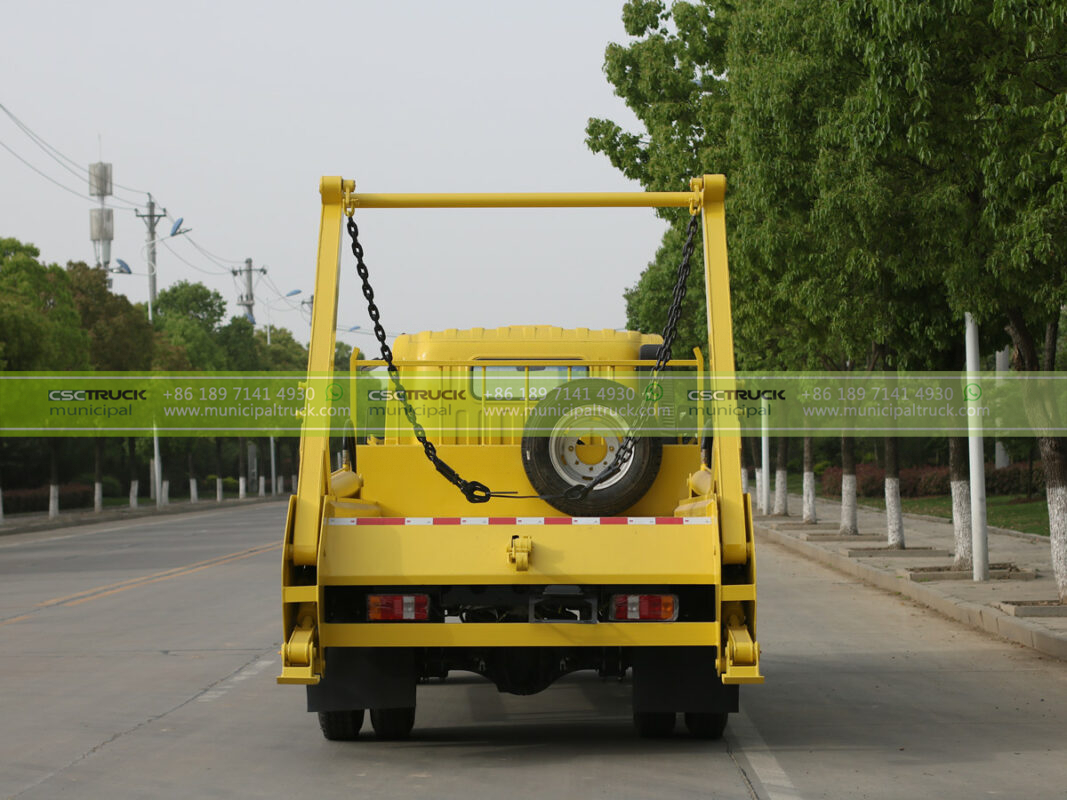
The Hydraulic Hook-Arm System: This is the defining feature. Mounted prominently behind the cab, a powerful, articulated hydraulic hook-arm serves as the truck’s muscle. Operators skillfully maneuver this arm to engage large, open-top waste containers, universally known as roll-off containers or “skips.” The arm’s hooks latch securely onto specially designed lifting points on the container.
Robust Lifting and Transport: Once engaged, the hydraulic system exerts immense force, effortlessly hoisting the loaded container – often weighing several tons – off the ground. The arm pivots, swinging the container smoothly onto the truck’s tilting frame or deck. The truck then transports the entire container, waste and all, directly to a disposal facility, transfer station, or recycling center. This “roll-on/roll-off” (RO) mechanism eliminates the need for on-site compaction or manual waste transfer into the truck body.
Container Versatility: Skip loaders are designed to handle a range of standardized roll-off container sizes, commonly 10, 20, 30, and 40 cubic yards. This standardization allows for flexibility; a single truck can service multiple containers of different sizes placed strategically around a large site or across several smaller projects within a single trip cycle. The open-top design of these containers is crucial, allowing for easy loading of bulky, irregularly shaped construction debris by excavators, loaders, or manual labor.
Durability is Paramount: Every component, from the high-tensile steel frame and reinforced chassis to the heavy-duty hydraulic pumps and cylinders, is built to withstand constant abrasion from concrete, metal shards, and heavy impacts. Tires, suspension systems, and load-bearing structures are significantly reinforced compared to standard garbage trucks, reflecting the demanding nature of construction site terrain and payloads.
Operational Advantages: Why Skip Loaders Dominate Construction Waste Logistics
The operational model of the skip loader offers a constellation of benefits that directly address the core challenges of construction waste management, translating into tangible project savings and enhanced workflow.
Unmatched Handling of Bulky and Heavy Debris: The fundamental advantage is the ability to efficiently manage materials that would cripple or be impossible for traditional compactor trucks. Broken concrete slabs, soil, roofing materials, scrap metal, and large quantities of dimensional lumber are handled with ease. The roll-off container itself acts as the primary collection and transport vessel, requiring no processing by the truck during loading.
Maximized On-Site Productivity: By placing appropriately sized containers directly where the waste is generated (e.g., near demolition zones, framing areas, finishing sections), workers can dispose of debris immediately. This minimizes double-handling, reduces the distance waste needs to be moved manually or with smaller equipment, and keeps work areas significantly clearer and safer. Workers aren’t waiting for a truck to arrive for disposal; the container is always present until full.
Rapid Container Exchange and Reduced Truck Downtime: The hook-arm system enables incredibly fast container swaps. A skilled operator can drop an empty container and pick up a full one in a matter of minutes. This minimizes the time the expensive truck asset spends stationary on the busy (and often congested) job site, maximizing its utilization for transport. The truck spends its time moving waste, not slowly compacting it on-site.
Scalability and Flexibility for Project Phases: Construction projects evolve. Early demolition generates vast amounts of heavy debris, while finishing stages produce lighter but voluminous packaging and off-cuts. Skip loader services can adapt container size and placement frequency accordingly. Multiple containers can be staged simultaneously for large sites, and the same truck fleet services projects of all scales.
Reduced Site Damage and Enhanced Safety: Concentrating waste disposal into specific container locations reduces the need for smaller hauling vehicles (like pickups or small dump trucks) to constantly traverse the site carrying smaller loads. This minimizes internal site traffic, lowering the risk of vehicle-pedestrian accidents and reducing wear and tear on temporary site roads. Keeping debris contained also minimizes trip hazards and airborne dust.
Navigating the Regulatory and Environmental Landscape
Effective C&D waste management isn’t just about efficiency; it’s increasingly governed by stringent regulations and driven by sustainability goals. Skip loaders play a pivotal role in facilitating compliance and environmentally responsible practices.
Enabling Source Separation and Recycling: The use of multiple roll-off containers is key to successful C&D recycling. Different containers can be designated for specific waste streams: clean wood, metals, concrete/brick, cardboard, and mixed debris. The skip loader efficiently collects these segregated streams without cross-contamination during transport, delivering them directly to specialized recycling processors. This segregation at the source significantly increases the recovery rate of valuable materials and diverts tons from landfills.
Accurate Waste Tracking and Reporting: Roll-off containers provide a discrete, measurable unit of waste. Weigh tickets generated at disposal or recycling facilities when the container is processed provide precise data on the weight and type of material removed. This is crucial for projects requiring LEED certification or compliance with local diversion mandates, allowing for accurate documentation of recycling rates and disposal tonnages.
Containment and Mitigation of Environmental Hazards: Open-top containers, while accessible, can be covered with tarps during transport to prevent windblown debris, especially important for lighter materials like insulation or packaging. Properly managed containers also help contain potential contaminants like dust or asbestos-containing materials (following strict abatement protocols) during transport, minimizing environmental release compared to open hauling.
Compliance with Weight and Transportation Regulations: Professional skip loader operators possess the expertise to select the appropriate container size and manage loading to ensure transported loads comply with road weight limits. They handle the necessary permits for overweight loads when unavoidable, ensuring legal and safe transport on public roadways.
Innovations and Trends: The Evolving Skip Loader
The technology underpinning skip loader operations continues to advance, driven by demands for greater efficiency, reduced environmental impact, enhanced safety, and improved data management.
Alternative Fuel Adoption: Mirroring trends in other heavy-duty sectors, manufacturers are developing CNG (Compressed Natural Gas) and battery-electric skip loaders. Electric models, in particular, offer significant advantages for noise reduction – a critical factor for urban infill construction sites with strict noise ordinances – and zero tailpipe emissions, improving air quality for workers and surrounding communities. While range and charging infrastructure for the high energy demands of heavy lifting and long hauls remain challenges, pilot programs and technological advancements are accelerating adoption.
Advanced Hydraulic Systems and Controls: Innovations focus on increasing lifting power and efficiency while reducing hydraulic system noise and potential leak points. Sophisticated electro-hydraulic controls provide operators with smoother, more precise manipulation of the hook-arm, enhancing safety during container placement and pickup, especially in tight quarters.
Integrated Weighing Systems: On-board scales integrated into the hook-arm or chassis provide real-time weight data as the container is lifted. This allows operators to immediately identify overloaded containers before leaving the site, preventing costly fines, road damage, and safety hazards associated with overweight vehicles. This data also feeds seamlessly into billing and waste tracking systems.
Telematics and Fleet Management: GPS tracking, engine diagnostics, hydraulic system monitoring, and container tracking are becoming standard. This data allows fleet managers to optimize routing, schedule maintenance proactively based on actual usage, monitor driver behavior (like harsh braking or idling), and provide customers with precise data on container service times and locations.
Enhanced Safety Features: Modern skip loaders incorporate improved visibility systems (360-degree cameras), proximity sensors to detect obstacles or personnel near the truck during operation, and advanced stability control systems to prevent tipping during lifting operations, especially on uneven ground common to construction sites.
The Indispensable Role in Modern Construction Management
The skip loader garbage truck is far more than just a waste hauler; it is an integral component of efficient, safe, and sustainable construction project execution. Its unique capability to swiftly deploy, exchange, and transport large volumes of heavy, bulky, and diverse construction debris directly addresses the core waste challenges faced on active job sites. By enabling immediate on-site disposal, facilitating source separation for recycling, reducing manual handling, and minimizing internal site traffic, skip loaders contribute significantly to maintaining clear work zones, enhancing worker safety, and keeping projects firmly on schedule. The operational efficiency gained through rapid container swaps and optimized transport logistics translates directly into tangible cost savings, while the ability to accurately track and segregate waste streams is critical for meeting increasingly stringent environmental regulations and sustainability certifications like LEED.
As the construction industry continues to emphasize lean practices, safety, and environmental responsibility, the strategic utilization of skip loader services becomes ever more crucial. Just as the sweeper truck is vital for maintaining dust control and final site cleanliness, the garbage truck in its most robust form – the skip loader – provides the foundational muscle for managing the inevitable byproduct of building: waste. For construction firms and project managers seeking to optimize their waste logistics, partnering with experienced providers and selecting the right equipment is paramount. Platforms like Municipaltruck.com offer valuable resources, providing access to detailed specifications, the latest models featuring advanced hydraulic systems and alternative fuel options from leading manufacturers, and insights into best practices for container management and waste stream segregation, empowering the industry to manage its debris streams as effectively as it builds structures.