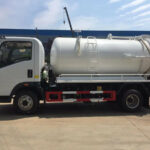
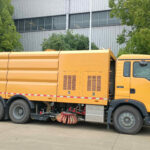
Built to Last & Fully Tailored: Top-tier garbage, sweeper and sewer trucks crafted for unrivaled durability. A trusted choice for municipal governments across the globe.
Compactor Garbage Trucks for Efficient Waste Management
In the intricate ballet of urban living, where millions perform their daily routines, one essential player operates largely unseen and underappreciated: the compactor garbage truck. These robust vehicles are the linchpin of modern waste management systems, transforming chaotic refuse into manageable loads and ensuring our cities remain clean, hygienic, and functional. Far more than simple haulers, compactor trucks embody sophisticated engineering designed to maximize efficiency, reduce environmental impact, and tackle the ever-growing challenge of municipal solid waste. Their relentless operation, often before dawn, represents a critical investment in public health and urban sustainability that merits deeper understanding and appreciation.
The Core Mechanism: Understanding Compaction Technology
At the heart of a compactor garbage truck lies its defining feature: the compaction system. This is not merely a container for holding waste; it’s an active processing unit. Understanding how it functions reveals why these trucks are so vital to efficient waste collection.
The Loading Phase: Waste enters the truck’s hopper, usually via an automated side loader arm operated by the driver or through manual dumping by collection crews into a rear hopper. Initially, this waste sits loosely, occupying significant volume relative to its actual weight.
The Hydraulic Crush: Once a sufficient initial load is present, powerful hydraulic systems engage. Massive rams or compacting blades exert tremendous pressure on the waste material. This force breaks down bulky items, collapses voids, and compresses materials like cardboard, plastics, and textiles. The compaction ratio – the volume reduction achieved – is a critical metric, often ranging from 3:1 to 8:1 depending on the waste stream and compactor design. This means what initially filled 8 cubic yards could be compressed down to just 1 cubic yard.
Density and Payload: The result is a significant increase in density. By packing more waste into less space, the truck can carry vastly more material per trip than a non-compacting vehicle. This directly translates into fewer trips to the landfill or transfer station, yielding substantial savings in fuel, labor hours, and vehicle wear and tear. Achieving high payloads without exceeding legal weight limits is the cornerstone of operational cost-effectiveness.
Diverse Designs for Diverse Needs: Types of Compactor Trucks
The demands of waste collection vary greatly – from navigating narrow alleyways in dense historic districts to servicing sprawling suburban neighborhoods or commercial complexes. Manufacturers have developed specialized compactor truck body types to meet these specific challenges:
Front Loaders (FL): Characterized by their large, rectangular containers accessed from the front. These trucks are the workhorses of commercial waste collection. Equipped with powerful forks, they lift and empty large dumpsters (roll-offs or front-load containers) directly into the hopper. The compaction mechanism then processes the waste within the main body. FLs excel in high-volume settings like shopping centers, apartment complexes, and industrial parks.
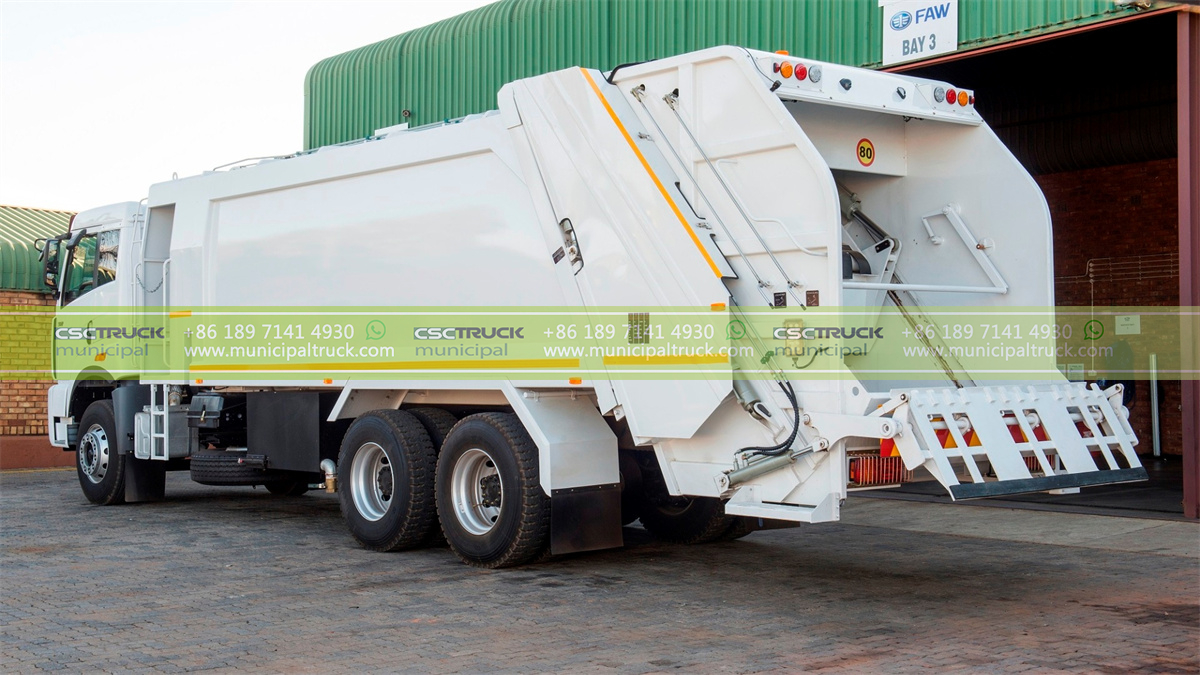
Rear Loaders (RL): Featuring a hopper at the back, these trucks are versatile and commonly used for residential collection. Waste can be loaded manually by collection crews (often using carts) or via automated lift systems that tip standardized carts. The waste falls into the hopper, and a hydraulic ram or paddle system compresses it forward into the main body cavity. Rear loaders offer flexibility for various street layouts.
Automated Side Loaders (ASL): Designed primarily for curbside residential pickup. An automated mechanical arm, controlled from the cab, reaches out, grasps a standardized wheeled cart, lifts it over the truck, and empties its contents into the hopper. The onboard compactor then processes the waste. ASLs maximize efficiency by requiring only a single driver (no additional crew needed), enhance safety by reducing manual handling, and minimize litter compared to manual loading.
Roll-Offs (with Compaction): While traditional roll-offs are simply transported, some specialized units incorporate compaction mechanisms within the container itself. These are often used at temporary sites (construction, large events) or locations generating significant waste where frequent haul-away of uncompacted material would be prohibitively expensive. The compactor inside the container increases its effective capacity before needing transport.
Operational Efficiency: The Engine of Cost-Effective Waste Management
The efficiency gains provided by compaction technology are profound and multi-layered, directly impacting the bottom line for municipalities and waste management companies:
Maximized Hauling Capacity: As discussed, compaction dramatically increases payload per trip. A single compactor truck can collect the equivalent waste that would require multiple trips by a non-compacting vehicle. This reduces the total fleet size required for a given service area.
Reduced Fuel Consumption: Fewer trips to disposal sites directly correlate to significant fuel savings. Given that fuel costs represent a major operational expense and contribute heavily to the carbon footprint of collection activities, this is a crucial environmental and economic benefit.
Labor Optimization: Especially with Automated Side Loaders (ASLs), compaction technology enables efficient operation with smaller crews. A single driver can manage the entire collection process for a route, reducing labor costs – often the largest expense in waste management budgets. Even for manual rear loaders, compaction allows crews to service more stops before the truck is full.
Extended Vehicle Lifespan: While compactor trucks involve complex hydraulics, the overall reduction in the number of trips required per ton of waste collected means less wear and tear on the chassis, engine, and drivetrain over the vehicle’s lifetime compared to a scenario where non-compacting trucks made more frequent journeys.
Lower Landfill Trips: Reducing the frequency of long hauls to distant landfills saves not only fuel and time but also reduces associated traffic congestion and road maintenance costs borne by the community.
Environmental Impact and Sustainability: Beyond Simple Collection
The role of compactor garbage trucks extends significantly into the realm of sustainability, contributing to greener waste management practices:
Reduced Greenhouse Gas Emissions: The significant fuel savings per ton of waste collected directly translate to lower emissions of CO2 and other pollutants from the collection fleet. This is a tangible contribution to climate change mitigation efforts at the municipal level.
Conserving Landfill Space: By compacting waste before it reaches the landfill, these trucks maximize the utilization of existing airspace within the landfill. This extends the operational life of current landfill sites, delaying the need to open new ones – a process fraught with environmental challenges and community opposition. Landfill diversion is further enhanced when compacted waste is efficiently transported to transfer stations for further processing (recycling, energy recovery).
Odor and Leachate Management: Compaction can help minimize immediate issues at the collection point. A tightly packed load is less prone to wind-blown litter during transit. Furthermore, compression can reduce the immediate surface area exposed, potentially slowing the initial stages of decomposition and leachate generation within the truck, though proper landfill capping remains essential for long-term containment.
Enabling Recycling Logistics: Efficient compaction of residual waste (non-recyclables) frees up logistical resources and collection capacity that can be redirected towards establishing and expanding separate collection streams for recyclables like paper, plastics, glass, and organics. Efficient residual waste collection is a prerequisite for successful recycling programs.
Innovation and the Future: Smarter, Cleaner, More Efficient Operations
The evolution of the compactor garbage truck is far from static. Continuous innovation is driven by the demands for greater efficiency, reduced environmental impact, enhanced safety, and integration with smart city technologies:
Alternative Fuel Adoption: Leading manufacturers are rapidly developing and deploying trucks powered by compressed natural gas (CNG), liquefied natural gas (LNG), battery-electric systems, and even hydrogen fuel cells. Electric compactors, in particular, offer the potential for near-silent operation (reducing noise pollution) and zero tailpipe emissions, significantly improving air quality in urban environments, though range and charging infrastructure remain challenges for heavy-duty applications.
Advanced Telematics and Routing: Sophisticated onboard systems provide real-time data on truck location, fuel consumption, compaction cycles, payload weights, and engine performance. This data, integrated with route optimization software, allows for dynamic routing adjustments, proactive maintenance scheduling, accurate service verification, and comprehensive performance analysis, leading to further efficiency gains.
Material Recognition and Sorting: Emerging technologies involve sensors mounted on trucks capable of identifying the composition of waste as it’s loaded. This data can provide valuable insights for waste characterization studies, help identify contamination in recycling streams, and inform future planning for waste processing facilities. Integration with AI is an active area of development.
Enhanced Safety Features: Innovations include improved camera systems providing 360-degree visibility around the truck, proximity sensors to prevent collisions with objects or people during maneuvering, and automated systems that reduce the need for crew members to be on foot near moving vehicles or traffic.
Integration with Smart Waste Bins: In some forward-thinking cities, compactor trucks are part of an ecosystem that includes sensor-equipped bins communicating their fill level. This data feeds into route optimization systems, enabling “just-in-time” collection – sending trucks only when bins are nearing capacity, rather than on fixed schedules, leading to even greater operational efficiency.
The Essential Role in Urban Fabric and Looking Ahead
Compactor garbage trucks are indispensable infrastructure. Their daily operation is a testament to the complex, often invisible, systems required to maintain public health, environmental quality, and economic vitality in our densely populated areas. The engineering invested in their compaction systems translates directly into tangible benefits: cleaner streets, lower collection costs, reduced traffic, conserved landfill space, and a smaller carbon footprint for waste transport. As urban populations continue to grow and the imperative for sustainable practices intensifies, the ongoing refinement of these vehicles – through electrification, smarter routing, and advanced materials handling – will be crucial. Just as the humble sweeper truck maintains the aesthetic and functional quality of our pavements, the mighty garbage truck, equipped with its essential compaction technology, tackles the monumental task of waste removal. For municipalities and waste professionals seeking the optimal solutions for their specific needs, exploring the range of compactor technologies and reliable equipment sources is key. Platforms like Municipaltruck.com serve as valuable resources, offering insights into the latest models, specifications, and innovations from leading manufacturers, helping to ensure communities are equipped with the most efficient and effective tools for managing their waste streams well into the future.