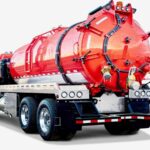
Built to Last & Fully Tailored: Top-tier garbage, sweeper and sewer trucks crafted for unrivaled durability. A trusted choice for municipal governments across the globe.
The Strategic Role of Water Spray Trucks in Modern Road Cooling Systems
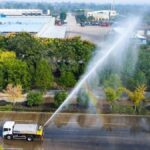
As global temperatures continue to rise, the phenomenon of the urban heat island effect intensifies, transforming cityscapes into sweltering landscapes where paved surfaces absorb and radiate heat relentlessly. This escalation presents profound challenges to public health, infrastructure integrity, and energy consumption, compelling municipalities and infrastructure managers to seek innovative mitigation strategies. Among the most visible and rapidly deployable solutions is the deployment of specialized water spray trucks, purpose-built vehicles designed not merely for dust suppression or surface cleaning, but for the deliberate and strategic application of water to reduce ambient and surface temperatures on roadways, bridges, and public spaces. These mobile cooling units represent a critical adaptation tool, leveraging the fundamental thermodynamic principle of evaporative cooling to provide localized relief during extreme heat events, enhance pedestrian and driver comfort, and contribute to the longevity of vital transportation infrastructure. Their operation, while seemingly straightforward, involves sophisticated engineering and strategic planning to maximize efficacy while minimizing water usage and operational disruption, positioning them as indispensable assets in the evolving battle against urban overheating.
1. Combating the Concrete Furnace: Understanding the Science of Road Cooling
The effectiveness of water spray trucks hinges on the well-understood yet powerful process of evaporative cooling. When water is finely atomized and sprayed onto hot surfaces or into the air above them, it absorbs significant amounts of latent heat as it transitions from liquid to vapour. This absorption process directly lowers the temperature of the surrounding air and the surface itself. Roads, particularly those constructed from asphalt concrete, possess high thermal mass and heat absorption capacity. During peak sunlight hours, they can reach temperatures exceeding 70°C (158°F), significantly hotter than the ambient air. Spraying water onto these surfaces initiates immediate cooling through evaporation; even a thin, quickly evaporating film can yield substantial temperature reductions of 10-20°C (18-36°F) on the pavement surface and several degrees in the near-surface air layer. The cooling effect extends beyond the immediate spray zone due to air movement, creating a more comfortable microclimate for pedestrians, cyclists, and individuals waiting at transit stops or intersections. Furthermore, reducing pavement temperature helps mitigate thermal stress on the asphalt binder, potentially slowing oxidation and rutting, thereby contributing to extended pavement life and reduced maintenance costs over time.
2. Anatomy of a Mobile Cooler: Core Components of Water Spray Systems
Modern water spray trucks are sophisticated mobile platforms integrating several key systems to deliver controlled, efficient cooling:
Water Storage and Delivery Infrastructure
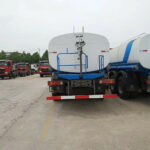
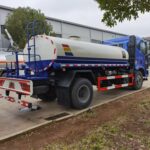
High-Capacity Tanks: These trucks feature large onboard tanks, typically ranging from 5,000 to 10,000 gallons or more, enabling extended operation without frequent refilling. Tank materials are corrosion-resistant, often stainless steel or specialized polymers.
Pressurization System: A powerful pump generates the necessary pressure (often 100-300 PSI) to propel water through the spray system. The pump is usually driven by the vehicle’s engine via a Power Take-Off (PTO) or a dedicated auxiliary engine.
Filtration: Essential for preventing nozzle clogging, especially when using reclaimed water sources. Multi-stage filters remove particulates that could impair spray pattern and efficiency.
Precision Spraying Mechanisms
Nozzle Arrays: Strategically mounted along a spray bar at the rear or sides of the truck. Nozzles are selected to produce a fine mist or small droplets, maximizing surface area for rapid evaporation. Rotary atomizing nozzles or fine-fan spray nozzles are common choices.
Spray Bar Control: Operators can often adjust the height, angle, and width of the spray bar. Solenoid valves enable sections of the spray bar to be activated independently, allowing for targeted application on specific lanes or areas.
Flow Regulation: Advanced systems incorporate flow meters and control valves allowing operators to precisely adjust the volume of water applied per unit area, optimizing water use based on pavement temperature, humidity, wind speed, and desired cooling intensity.
Chassis and Operational Features
Robust Chassis: Built on reliable medium or heavy-duty truck chassis capable of carrying the significant weight of a full water tank and operating at low speeds during spraying.
Operator Control Station: An ergonomic cabin interface provides control over pump activation, pressure settings, spray bar configuration, and monitoring of tank levels and system pressure. GPS integration may be used for route tracking and optimization.
Safety Systems: Include high-visibility markings, arrow boards or warning lights to alert following traffic, and sometimes rear-facing cameras for enhanced operator awareness.
3. Strategic Deployment: Applications and Operational Scenarios
The deployment of water spray trucks is not random; it is a targeted intervention based on specific needs and environmental conditions:
Extreme Heat Event Mitigation: During declared heat emergencies, spray trucks are deployed on high-traffic corridors, around critical facilities (hospitals, cooling centers), and in densely populated urban zones experiencing the most intense heat island effects to provide immediate, albeit temporary, relief.
Pedestrian Zone Cooling: Prioritizing areas with high foot traffic – downtown sidewalks, public squares, transit hubs, and outdoor event spaces – to enhance comfort and safety for vulnerable populations.
Traffic Corridor Management: Cooling high-volume roads and highways to improve driver comfort, potentially reduce heat-related vehicle breakdowns, and mitigate the risk of pavement softening or deformation on exceptionally hot days.
Special Event Management: Providing localized cooling at large outdoor gatherings, festivals, or sporting events to improve attendee experience and safety.
Bridge Deck Temperature Control: Spraying bridge decks can help prevent excessive thermal expansion and contraction stresses in the structure, particularly important for older or heavily loaded spans.
Pre-cooling Before Maintenance: Applying water to sections of road scheduled for asphalt resurfacing or repair can lower the base temperature, improving working conditions for crews and potentially enhancing the bonding of new material.
4. Navigating Challenges: Water Use, Efficiency, and Operational Considerations
While effective, the operation of water spray trucks presents significant logistical and environmental considerations that require careful management:
Water Sourcing and Sustainability
Source Dependency: Heavy reliance on potable water raises concerns during droughts. Increasingly, municipalities explore using treated effluent (reclaimed wastewater), stormwater capture, or designated non-potable sources where feasible and safe (avoiding aerosolization of pathogens).
Efficiency Optimization: Critical to minimize waste. This involves calibrating spray rates based on real-time weather data (humidity, wind, temperature), using nozzles designed for optimal droplet size (too large wastes water, too fine drifts excessively), and employing route optimization software to cover priority areas effectively without redundancy. Variable rate control systems are key.
Operational Logistics and Safety
Traffic Integration: Operating at slow speeds (often 5-15 mph) requires coordination with traffic management authorities to minimize disruption. Deployment during off-peak hours may be necessary on critical routes.
Visibility and Drift: Spray mist can reduce visibility for following vehicles. Operators must manage spray height, angle, and volume to mitigate this risk. Windy conditions can lead to significant spray drift, potentially wetting unintended areas or pedestrians. Advanced systems may incorporate wind sensors.
Infrastructure Impact: Excessive or poorly managed spraying can lead to localized water pooling or contribute to erosion on unpaved shoulders. Proper drainage assessment is important.
Cost Factors: Operational costs include vehicle acquisition, maintenance, fuel, water sourcing/treatment, and labor. The cost-benefit analysis weighs these against the benefits of reduced heat-related health incidents, infrastructure preservation, and improved public comfort.
5. Technological Advancements: Towards Smarter, Greener Cooling
Innovation is driving the evolution of water spray trucks towards greater efficiency and integration:
Intelligent Spray Control Systems: Integration of real-time sensors (pavement temperature sensors, ambient thermometers, hygrometers, anemometers) feeding data to an onboard controller that automatically adjusts spray volume and pattern for optimal cooling with minimal water use.
Alternative Water Source Integration: Development of easier on-board filtration and treatment systems to safely utilize reclaimed water or other non-potable sources directly from the truck, increasing operational flexibility and conserving potable supplies.
Telematics and Fleet Management:GPS tracking, remote diagnostics, and performance monitoring enable efficient scheduling, preventative maintenance, and data collection on routes covered, water volumes used, and temperature reductions achieved.
Hybrid and Electric Propulsion: Following trends in municipal fleets (such as electric sweeper trucks), pilot projects and emerging models explore battery-electric or hybrid-electric water spray trucks, reducing operational noise and greenhouse gas emissions, particularly beneficial in sensitive urban environments.
Precision Targeting: Advancements in nozzle technology and spray bar design allow for even finer control over droplet size and distribution, minimizing drift and maximizing water contact with the target surface.
6. Integrated Urban Management: Water Spray Trucks in the Municipal Fleet Ecosystem
The water spray truck is most effective when viewed as one component within a broader suite of municipal services and vehicles working in concert to manage urban environments:
Synergy with Sweeper Operations: While sweeper trucks remove heat-absorbing debris like dust, leaves, and litter from road surfaces, thereby reducing the potential for heat absorption, the water spray truck addresses the manifested heat directly through evaporative cooling. Data from sweeper routes (identifying high-debris areas) can sometimes inform spray truck deployment priorities.
Complementary Role to Sewer Management: Spray trucks generally utilize clean or treated water sources. Their operation is distinct from sewage trucks handling wastewater collection and transport. However, the potential use of reclaimed wastewater (treated effluent) for spray operations creates a link to wastewater treatment infrastructure managed by those very services. Careful coordination ensures safety and public acceptance.
Data Sharing for Holistic Planning: Information gathered during spray operations – locations treated, water volumes used, observed temperature reductions – can be integrated into municipal Geographic Information Systems (GIS) and asset management platforms. This data informs broader heat mitigation planning, identifies persistent hotspots, and helps optimize the deployment of all relevant resources, from sweeper trucks maintaining clean surfaces to urban forestry programs providing shade.
Public Health and Safety Coordination: Deployment strategies during heat emergencies are often coordinated with public health authorities and emergency services, positioning spray trucks as a mobile component of the city’s heat response plan alongside cooling centers and public advisories.
The strategic deployment of water spray trucks represents a pragmatic and increasingly vital response to the challenges posed by urban heat islands and extreme weather events. These mobile platforms offer a flexible and visible means of providing immediate thermal relief, enhancing public well-being, and contributing to infrastructure resilience. While operational challenges related to water sourcing and efficiency persist, ongoing technological advancements promise smarter, more sustainable systems. For municipalities seeking to bolster their heat mitigation capabilities, investing in modern, efficient water spray trucks – and integrating their operation strategically within the wider fleet and urban management framework – is a crucial step. Platforms like Municipaltruck.com provide comprehensive access to a diverse range of specialized municipal vehicles, including advanced water spray trucks, efficient sweeper trucks for surface maintenance, essential sewage trucks managing wastewater flows, and many others, equipping cities with the necessary tools to create safer, more comfortable, and resilient urban environments in the face of a warming climate.