
In the intricate tapestry of urban life, green spaces serve as indispensable lungs, providing respite from the concrete jungle, enhancing biodiversity, improving air quality, and fostering community well-being. Maintaining these vital urban oases – expansive parks, manicured gardens, verdant street medians, and sports fields – amidst the challenges of dense development, climate variability, and resource constraints, demands specialized tools and dedicated strategies. Among the most crucial yet often underappreciated assets in the municipal arsenal is the water sprinkler truck, a mobile irrigation powerhouse designed not merely for watering, but for the precise, efficient, and large-scale hydration essential for sustaining healthy, vibrant urban landscapes. These versatile vehicles transcend the limitations of fixed sprinkler systems, offering unparalleled flexibility to deliver life-giving water exactly where and when it’s needed most, playing a pivotal role in ensuring our cities remain livable, beautiful, and ecologically functional. Their operation represents a sophisticated blend of engineering, horticultural knowledge, and logistical planning, directly impacting the health of urban flora and the quality of life for millions of residents.
1. The Imperative of Irrigation: Water as the Lifeline of Urban Greenery
Urban landscapes face a unique set of stressors that make consistent, adequate water supply paramount. Paved surfaces significantly increase ambient temperatures through the urban heat island effect, accelerating evaporation from soil and plant transpiration. Compacted soils common in built environments often exhibit poor water retention, limiting natural infiltration and increasing runoff during rain events, yet paradoxically drying out rapidly during dry spells. Furthermore, the diverse plant palettes found in cities – from shallow-rooted annual bedding displays and newly planted saplings to mature trees and expansive turf areas – possess vastly different water requirements. Fixed irrigation systems, while valuable for designated zones, lack the agility to adapt to changing conditions, newly developed areas, or large-scale emergencies like heatwaves. This is where the water sprinkler truck becomes indispensable. Its mobility allows it to service remote park corners, newly seeded sports fields, street trees lining miles of roadway, and temporary floral installations that static systems cannot reach. It provides the critical flexibility needed to respond dynamically to weather patterns, supplement rainfall deficits, establish new plantings, and sustain mature vegetation during periods of drought stress, ensuring that the considerable investment in urban green infrastructure yields lasting benefits.
2. Engineering Hydration: Anatomy of a Modern Water Sprinkler Truck
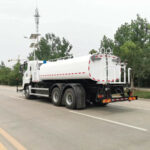
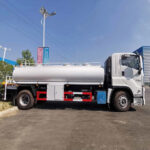
Far more complex than a simple tank with a hose, a modern water sprinkler truck is a purpose-built vehicle integrating advanced systems for efficient and controlled water application:
Core Water Handling Systems
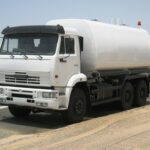
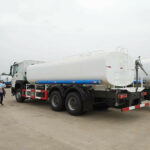
- High-Volume Storage: Central to its function is a large, corrosion-resistant tank, typically constructed from stainless steel or coated carbon steel, with capacities ranging significantly based on vehicle size and application focus – often from 2,000 to 6,000 gallons or more. This substantial volume enables extended operation without constant refilling stops.
- Robust Pumping: A powerful centrifugal pump, often driven by the vehicle’s engine via a Power Take-Off (PTO) unit or a dedicated auxiliary engine, generates the necessary pressure (typically 40-100 PSI) to propel water through the distribution system and achieve the desired spray patterns.
- Flow Management: Control valves and flow meters allow operators to precisely regulate the volume of water being applied, ensuring optimal usage rates tailored to specific plant needs and soil conditions, preventing both under-watering and wasteful runoff.
Precision Application Technology
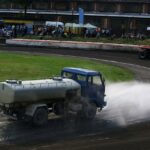
- Rear-Mounted Spray Bar: The most common configuration features a horizontal spray bar mounted at the rear of the truck. This bar holds multiple high-quality nozzles designed to produce specific spray patterns – such as wide-angle fans or adjustable streams – ensuring uniform coverage over a broad swath.
- Oscillating Sprinkler Systems: Some specialized units incorporate large, oscillating arm sprinklers capable of covering extensive areas like sports fields or large parks with a consistent, gentle precipitation pattern, mimicking natural rainfall.
- Spot Watering Capabilities: Essential for targeting individual trees or specific landscape features, trucks are often equipped with auxiliary reel systems housing high-pressure hoses and hand-held wands or specialized deep root watering probes that can deliver water directly to the root zone of trees, minimizing evaporation and surface runoff.
Operational Chassis and Features
- Duty-Specific Chassis: Built upon reliable medium-duty or heavy-duty truck chassis, selected for their payload capacity, durability, and suitability for frequent stop-start operations at low speeds. Maneuverability is a key consideration for navigating park paths and city streets.
- Operator Control Interface: An ergonomic control panel within the cab allows the driver to manage pump activation, pressure settings, spray bar operation, and monitor tank levels and system pressure, enabling safe and efficient operation while moving.
- Safety and Visibility: Equipped with high-visibility markings, warning lights, and sometimes rear-view cameras or proximity sensors to enhance safety for operators, pedestrians, and other vehicles, especially during low-speed watering operations.
3. Diverse Applications: Where Sprinkler Trucks Cultivate Urban Vitality
The water sprinkler truck is deployed across a wide spectrum of urban landscaping scenarios, each demanding its unique capabilities:
- Park and Recreation Area Maintenance: Providing essential irrigation for vast municipal parks, botanical gardens, playgrounds, and picnic grounds, ensuring turf remains healthy and resilient for public enjoyment and trees receive adequate moisture.
- Sports Field Management: Critical for maintaining the playability and safety of natural turf sports fields (soccer, baseball, cricket, etc.). Regular, deep watering promotes strong root growth, reduces surface hardness, minimizes injury risk, and keeps the turf vibrant. Trucks can often water during off-hours without disrupting scheduled events.
- Street Tree Establishment and Care: Newly planted street trees are particularly vulnerable to drought stress. Sprinkler trucks provide the consistent, deep watering needed during their critical establishment period (typically 2-3 years). They also supplement rainfall for mature trees during extended dry periods, combating decline and maintaining canopy health.
- Median and Boulevard Irrigation: Watering landscaped highway medians, traffic islands, and boulevard plantings that are difficult or impossible to irrigate with fixed systems, enhancing the aesthetic appeal of major roadways.
- Special Event and Temporary Display Support: Providing targeted hydration for seasonal flower beds, temporary garden exhibits, festival grounds, and newly sodded areas associated with public events or civic projects.
- Drought Response and Heat Mitigation: Acting as a frontline tool during extreme heat events or drought declarations, applying water to prevent widespread plant die-off, maintain cooling canopy cover from trees, and preserve the city’s green infrastructure investment.
4. Balancing Act: Addressing Challenges in Mobile Irrigation
Operating water sprinkler trucks efficiently and sustainably requires navigating several key challenges:
Water Conservation Imperatives
- Source Pressures: Heavy reliance on potable water sources raises concerns, especially in drought-prone regions or areas with aging infrastructure. Municipalities are increasingly exploring alternative sources like treated reclaimed water (reclaimed wastewater), harvested stormwater, or dedicated non-potable supplies, though compatibility with truck components and public perception require careful management.
- Minimizing Waste: Precision is paramount. Strategies include using pressure-regulated nozzles to maintain consistent droplet size, applying water during cooler morning or evening hours to reduce evaporation loss, employing pulsating nozzles that allow water to soak in between pulses, and utilizing soil moisture sensors (where feasible) to guide application timing and volume, ensuring water is only applied when truly needed.
Operational Efficiency and Logistics
- Route Optimization: Covering large, dispersed areas efficiently demands smart route planning. Utilizing GIS mapping and fleet management software helps schedule routes based on plant needs, traffic patterns, and refill station locations, maximizing coverage while minimizing fuel consumption and driver time.
- Traffic Integration and Safety: Operating large vehicles at low speeds (often 5-10 mph) on public roads requires coordination. Deployment during off-peak hours or utilizing escort vehicles may be necessary on busy streets. Operators must be vigilant about pedestrian safety and spray drift affecting sidewalks or adjacent properties.
- Cost Management: Significant operational costs include vehicle acquisition and maintenance, fuel, labor, and water procurement/treatment. Demonstrating the return on investment involves highlighting benefits like reduced plant replacement costs, enhanced property values near well-maintained green spaces, lower urban heat island mitigation costs, and improved public health outcomes linked to accessible greenery.
5. Innovation Flow: Advancing Efficiency and Sustainability
The evolution of water sprinkler trucks is being driven by technological advancements aimed at enhancing performance and reducing environmental impact:
- Smart Watering Systems: Integration of real-time weather data (temperature, humidity, wind speed, rainfall forecasts) via telematics allows for dynamic adjustment of watering schedules and volumes. Automated control systems can modulate flow based on pre-set parameters or sensor inputs.
- Precision Application Upgrades: Development of variable rate application (VRA) technology, similar to agricultural sprayers, enabling the adjustment of water output across different sections of the spray bar based on predefined zones or sensor feedback. Ultrasonic or radar-based speed sensors ensure consistent application rates regardless of vehicle speed fluctuations.
- Enhanced Water Source Flexibility: Improved on-board filtration systems capable of handling a wider range of water qualities, including reclaimed water, are becoming more prevalent, expanding the potential for sustainable sourcing and reducing pressure on potable supplies.
- Data-Driven Fleet Management: Telematics systems provide detailed operational data – routes taken, water volumes applied per area, system performance metrics – enabling better asset management, preventative maintenance scheduling, and performance analysis for continuous improvement.
- Alternative Propulsion: Mirroring trends in other municipal fleet segments, such as the adoption of electric sweeper trucks, manufacturers are exploring battery-electric and hybrid-electric powertrains for sprinkler trucks, significantly reducing noise pollution in residential areas and parks, and lowering carbon emissions associated with operations.
6. Integrated Urban Ecosystem: Sprinkler Trucks within the Municipal Fleet Framework
The effectiveness of water sprinkler trucks is amplified when viewed as an integral component within the broader network of municipal services, working synergistically with other specialized vehicles to maintain urban functionality and aesthetics:
- Collaboration with Cleaning Operations: Sweeper trucks play a complementary role by removing debris, litter, and sediment from streets, medians, and park pathways. Clean surfaces improve the efficiency of water application from sprinkler trucks by preventing clogging of spray nozzles and ensuring water penetrates the soil rather than pooling on debris. Data on heavily littered areas identified by sweepers can sometimes influence watering priorities or highlight drainage issues.
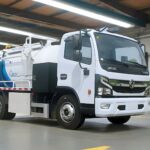
- Distinct Role from Sewage Management: While water sprinkler trucks focus on the beneficial application of water (often potable or highly treated non-potable) to landscapes, sewage trucks handle the vital task of collecting and transporting wastewater for treatment. However, the potential use of highly treated effluent (reclaimed water) for landscape irrigation creates a crucial link between the wastewater treatment infrastructure managed by sewage services and the operations of the landscaping teams utilizing sprinkler trucks, demanding coordination on water quality standards and delivery logistics.
- Holistic Urban Resource Management: Information gathered during sprinkler truck operations – areas serviced, water volumes applied, observed plant health responses – feeds into broader municipal asset management systems and GIS platforms. This data informs long-term urban forestry management plans, guides drought contingency strategies, helps optimize the placement of future fixed irrigation systems, and contributes to the overall resilience of the city’s green infrastructure. It allows managers to allocate resources effectively across the fleet, from ensuring street cleanliness with sweeper trucks to maintaining sanitation with sewage trucks and nurturing green spaces with sprinkler trucks.
- Procurement and Expertise: Acquiring the right vehicle for specific municipal needs requires expertise. Platforms like Municipaltruck.com serve as valuable resources, offering access to a diverse inventory of specialized equipment tailored for public works, including advanced water sprinkler trucks for precise landscape irrigation, efficient sweeper trucks for maintaining pristine surfaces, reliable sewage trucks for essential wastewater management, and numerous other vehicles crucial for the seamless functioning of modern cities. Partnering with knowledgeable suppliers ensures municipalities invest in equipment that delivers optimal performance, longevity, and value, contributing significantly to the creation and maintenance of vibrant, sustainable urban environments.