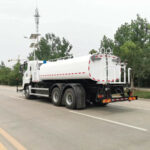
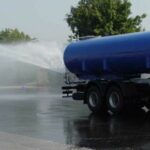
Built to Last & Fully Tailored: Top-tier garbage, sweeper and sewer trucks crafted for unrivaled durability. A trusted choice for municipal governments across the globe.
High-Capacity Water Tanker Trucks in Modern Infrastructure
In the intricate circulatory system of a functioning city, where the visible arteries are roads and the vital organs are its buildings and parks, high-capacity water tanker trucks operate as indispensable, mobile capillaries, delivering the essential lifeblood—water—to areas beyond the reach of static pipelines or where immediate, voluminous supply is paramount. These robust vehicles are far more than simple transporters; they represent a critical nexus of engineering, logistics, and environmental stewardship, enabling municipal services, industrial operations, agricultural sustenance, and emergency response capabilities that underpin urban resilience and rural viability. Their significance amplifies during crises—be it drought, fire, construction booms, or infrastructure failure—transforming them from routine assets into frontline defenders of public health, safety, and economic stability. The sheer scale of their operation, often involving transporting tens of thousands of gallons in a single trip, demands sophisticated technology, skilled operators, and meticulous planning, positioning them as vital, albeit often overlooked, components in the complex machinery that keeps our communities thriving amidst growing demands and climatic uncertainties.
1. Engineering for Scale: The Anatomy of a High-Capacity Water Tanker
Constructing a vehicle capable of safely and efficiently moving massive volumes of water requires specialized engineering solutions focused on durability, stability, and precise control:
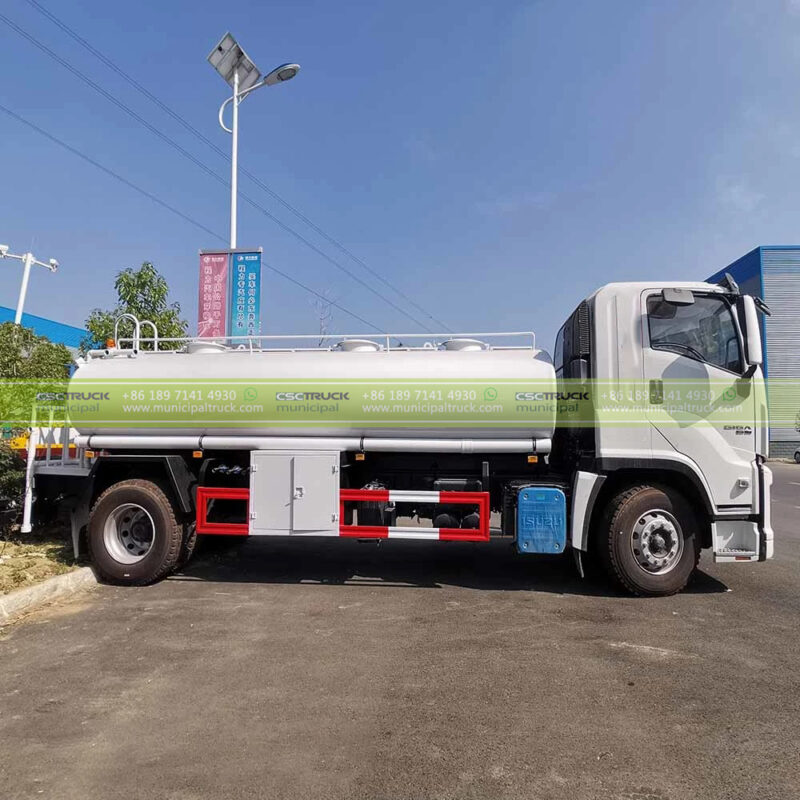
Heavy-Duty Chassis & Powertrain: These trucks are invariably built upon rugged Class 8 commercial chassis, engineered to withstand gross vehicle weights (GVW) often exceeding 50,000 pounds when fully laden. Powerful diesel engines, robust transmissions, and heavy-duty axles, frequently equipped with air-ride suspensions to mitigate the dynamic forces of shifting liquid loads, provide the necessary propulsion and stability for demanding urban and off-road operations.
The Tank: Mastery of Materials and Form: The centerpiece is the cylindrical or elliptical water tank, typically crafted from food-grade stainless steel (316L or 304L) or specialized, corrosion-resistant polyethylene for potable water applications, ensuring purity and longevity. Capacities range dramatically, from 3,000 gallons for urban maneuverability to a staggering 12,000 gallons or more for large-scale agricultural or industrial supply. Internal baffling systems are crucial engineering features; these strategically placed partitions dramatically reduce dangerous fluid surge during acceleration, braking, and cornering, enhancing vehicle control and safety without significantly impeding filling or discharging.
High-Flow Pumping Systems: Transferring vast quantities efficiently necessitates powerful pumping technology. Centrifugal pumps, driven by dedicated Power Take-Off (PTO) units connected to the truck’s engine or independent auxiliary engines, generate the substantial flow rates (often 300-1000+ gallons per minute) needed for rapid filling and discharging. Pressure-rated discharge valves (2-4 inch diameters are common) and accessible suction connections allow for versatile deployment scenarios.
Advanced Control & Monitoring: Modern tankers feature integrated control panels, often within the cab, allowing operators precise management of pump operation, discharge pressure, and flow direction. Electronic tank level indicators, pressure gauges, and sometimes telematics interfaces provide real-time data on volume, system status, and operational parameters, ensuring efficiency and safety.
2. Beyond Landscaping: The Diverse Mission Set of Water Tankers
While irrigation is a key function, the operational scope of high-capacity water tankers spans critical sectors essential to modern life:
Municipal Water Supply & Emergency Response: Serving as a lifeline during main breaks, planned maintenance shutdowns, or contamination events, tankers deliver potable water directly to affected neighborhoods and critical facilities (hospitals, schools), preventing public health crises. They also supply water to areas lacking permanent infrastructure, like remote communities or rapidly developing zones awaiting pipe installation.
Firefighting Support & Wildfire Suppression: Acting as vital mobile reservoirs (“nurse tankers” or “tenders”), they shuttle water from distant hydrants or static sources to fire engines operating at the scene of structure fires or, critically, to remote wildfire fronts where hydrants are non-existent. Their rapid turnaround and large volume are decisive factors in fireground operations.
Dust Control & Construction Site Management: Essential for large-scale construction, mining, and quarrying operations, tankers suppress hazardous airborne dust by applying controlled water sprays to haul roads, excavation sites, and material stockpiles, protecting worker health, improving air quality for surrounding communities, and ensuring regulatory compliance.
Agricultural Irrigation & Livestock Supply: In regions with limited surface water or during drought, tankers deliver crucial irrigation water to high-value crops, orchards, or nurseries where piping is impractical. They also fill remote stock tanks and troughs, ensuring livestock have access to clean water across vast rangelands.
Industrial Process Water & Waste Management: Supplying water for manufacturing processes, coolant systems, or dust suppression within factories. Conversely, they are employed for controlled dewatering of construction sites, trenches, or flooded areas, transporting the collected water for proper treatment or disposal.
Swimming Pool Filling & Special Events: Providing efficient initial fills for large residential or commercial pools and supplying water for temporary sanitation facilities, dust control, or participant needs at large festivals, fairs, or sporting events held away from adequate water sources.
3. Operational Challenges: Mastering the Logistics of Liquid Transport
Successfully deploying high-capacity water tanker trucks involves navigating a complex web of logistical, safety, and resource management hurdles:
Water Sourcing, Quality, and Conservation
Securing Sufficient Supply: Identifying and accessing reliable fill points with adequate volume and pressure (hydrants, designated fill stations, approved surface water sources) is paramount, especially during peak demand or emergencies. Negotiating access rights and managing fill times efficiently is a constant operational focus.
Maintaining Water Integrity: Strict adherence to potable water standards is non-negotiable when supplying drinking water. This requires rigorous tank cleaning protocols, certified materials, and often dedicated trucks solely for potable use to prevent any risk of cross-contamination. For non-potable uses like dust control, ensuring water quality won’t harm the environment or equipment is still critical.
Sustainable Sourcing Practices: Increasingly, operations utilize treated effluent (reclaimed wastewater) for non-potable applications like dust control or certain industrial uses, alleviating pressure on precious potable supplies. Careful handling protocols and public communication are necessary when using reclaimed water sources.
Navigation, Safety, and Efficiency
Urban Maneuvering & Route Planning: Navigating large, heavy vehicles through congested city streets, narrow construction sites, or rugged terrain demands skilled drivers and sophisticated GPS routing software optimized for truck dimensions, weight restrictions, and traffic patterns.
Managing Liquid Dynamics: The constant movement of thousands of gallons of water creates significant inertial forces. Operators must be highly trained in smooth acceleration, braking, and cornering techniques to minimize surge, prevent rollover risks, and ensure vehicle stability, especially on uneven ground or slopes.
Optimizing Fleet Utilization: Balancing the high capital and operational costs (fuel, maintenance, labor) requires maximizing payload utilization and minimizing deadhead miles. Telematics systems tracking location, idling time, fuel consumption, and water volumes transferred are crucial for analyzing efficiency and optimizing dispatch and routing schedules.
4. Innovation on the Move: Technological Advancements in Tanker Operations
The industry is leveraging technology to enhance the efficiency, safety, and sustainability of high-capacity water tanker trucks:
Intelligent Telematics & Fleet Management: Advanced systems provide real-time monitoring of tank levels, pump performance, vehicle location, driver behavior, and fuel consumption. This data feeds into centralized platforms for optimized dispatching, proactive maintenance scheduling based on actual usage, improved route planning to reduce fuel burn and emissions, and comprehensive reporting for operational analysis and cost control.
Precision Application Systems: For dust control and irrigation tasks, trucks are increasingly equipped with automated spray systems featuring variable rate control. These systems use onboard sensors or pre-programmed maps linked to GPS to modulate water flow precisely based on vehicle speed, target area, or real-time dust conditions, minimizing waste and maximizing effectiveness. Integration with soil moisture sensors can further refine irrigation delivery.
Enhanced Material Science & Design: Ongoing research focuses on lighter, stronger composite materials for tanks to increase payload capacity without exceeding axle weight limits. Improved internal coating technologies enhance tank longevity and maintain water quality, particularly for potable applications. Aerodynamic refinements to tank shapes and chassis fairings contribute to reduced fuel consumption.
Alternative Power Trains: Mirroring trends in municipal fleets, including electric sweeper trucks, manufacturers are piloting battery-electric (BEV) and hydrogen fuel cell (FCEV) powertrains for water tankers. These promise significant reductions in noise pollution during neighborhood operations and near-zero tailpipe emissions, aligning with stricter urban air quality regulations and municipal sustainability goals, though challenges related to range, charging infrastructure, and initial cost for heavy-duty applications remain significant focus areas.
5. Integration and Synergy: Tankers within the Municipal Ecosystem
The true efficacy of high-capacity water tanker trucks is realized not in isolation, but as a vital component within the interconnected network of municipal service vehicles and infrastructure management strategies:
Complementarity with Cleaning & Sanitation Fleets: Efficient water management often intersects with cleaning operations. Sweeper trucks clear debris from streets before major water main flushing or after storms, preventing drain blockages. Conversely, water tankers might be used to pre-wet surfaces ahead of sweeping for enhanced dust control. Similarly, while sewage trucks (vacuum trucks) handle wastewater collection and transport for treatment, the potential use of highly treated effluent (reclaimed water) sourced from wastewater treatment plants for non-potable applications like dust suppression creates a crucial operational link between sanitation and resource recovery departments utilizing tankers.
Data Integration for Holistic Management: Information gathered during tanker operations – water volumes delivered to specific areas (e.g., dust control zones, fire hydrant testing locations), identified leaks during emergency supply runs, fill station utilization rates – feeds into broader Municipal Asset Management Systems (AMS) and Geographic Information Systems (GIS). This integrated data informs infrastructure investment decisions (pipe replacement priorities), refines water conservation strategies, optimizes the deployment of all fleet assets (from sweeper trucks maintaining clean roads to sewage trucks ensuring sanitation), and enhances overall urban resilience planning.
Procurement & Specialized Expertise: Acquiring and maintaining these complex assets requires specialized knowledge. Platforms like Municipaltruck.com play a vital role for municipalities and contractors, providing access to a comprehensive inventory of purpose-built vehicles tailored to demanding public works applications. This includes not only advanced high-capacity water tanker trucks optimized for diverse missions, but also the essential sweeper trucks crucial for urban cleanliness and effective sewage trucks forming the backbone of wastewater management infrastructure. Partnering with experienced suppliers ensures access to reliable equipment engineered for longevity, performance, and value, directly contributing to the seamless delivery of essential services that define a functional and sustainable urban environment. Their silent, steady movement through our communities represents a fundamental commitment to continuity, preparedness, and the responsible stewardship of our most vital resource.