Built to Last & Fully Tailored: Top-tier garbage, sweeper and sewer trucks crafted for unrivaled durability. A trusted choice for municipal governments across the globe.
Water Mist Sprayer vs. Traditional Sprinkler Truck: Why Fog Beats Flooding
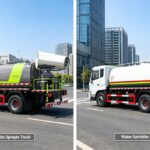
Urban air pollution and construction dust have become major challenges for modern cities. To control airborne particles and improve air quality, municipalities traditionally rely on Traditional Sprinkler Trucks. However, in recent years, a more advanced solution—the Water Mist Sprayer (also known as fog cannon or mist cannon truck)—has been rapidly replacing conventional methods.
This article compares both technologies across dust suppression efficiency, water consumption, and traffic impact, explaining why environmental agencies are increasingly shifting toward mist-based systems.
Traditional Sprinkler Truck: The “Flooding” Approach
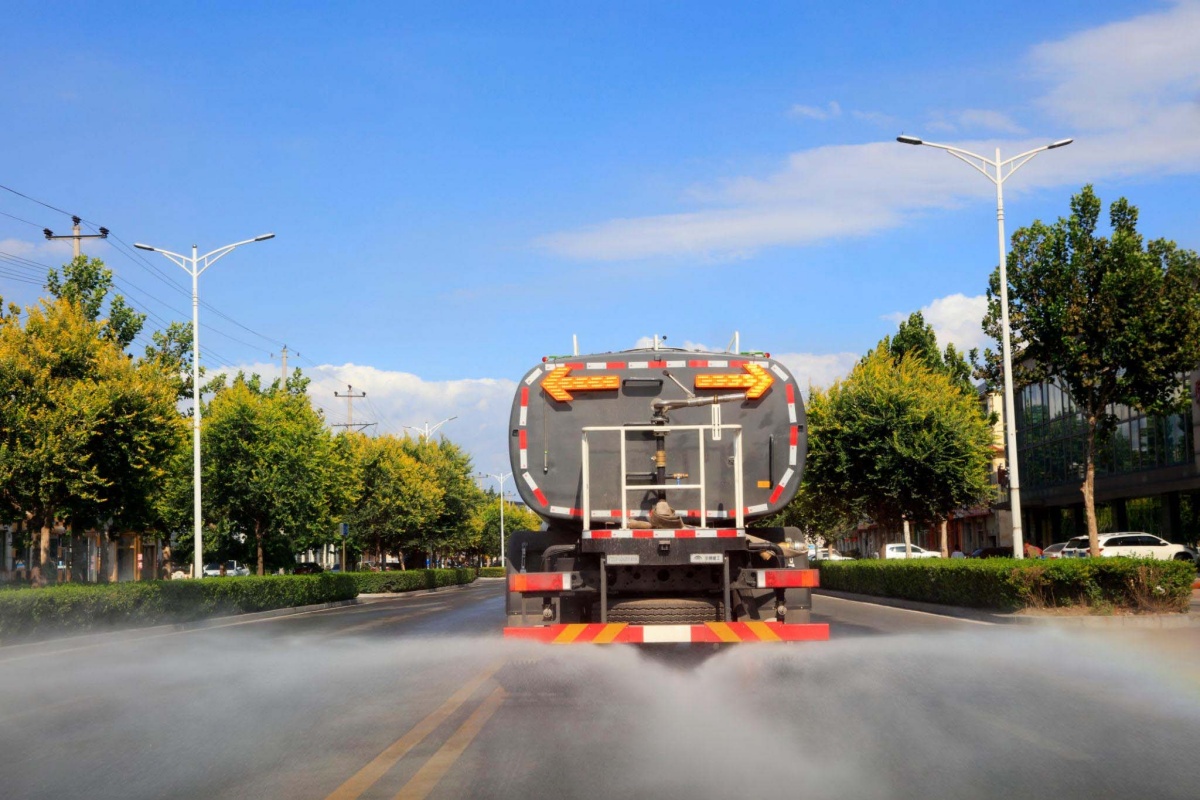
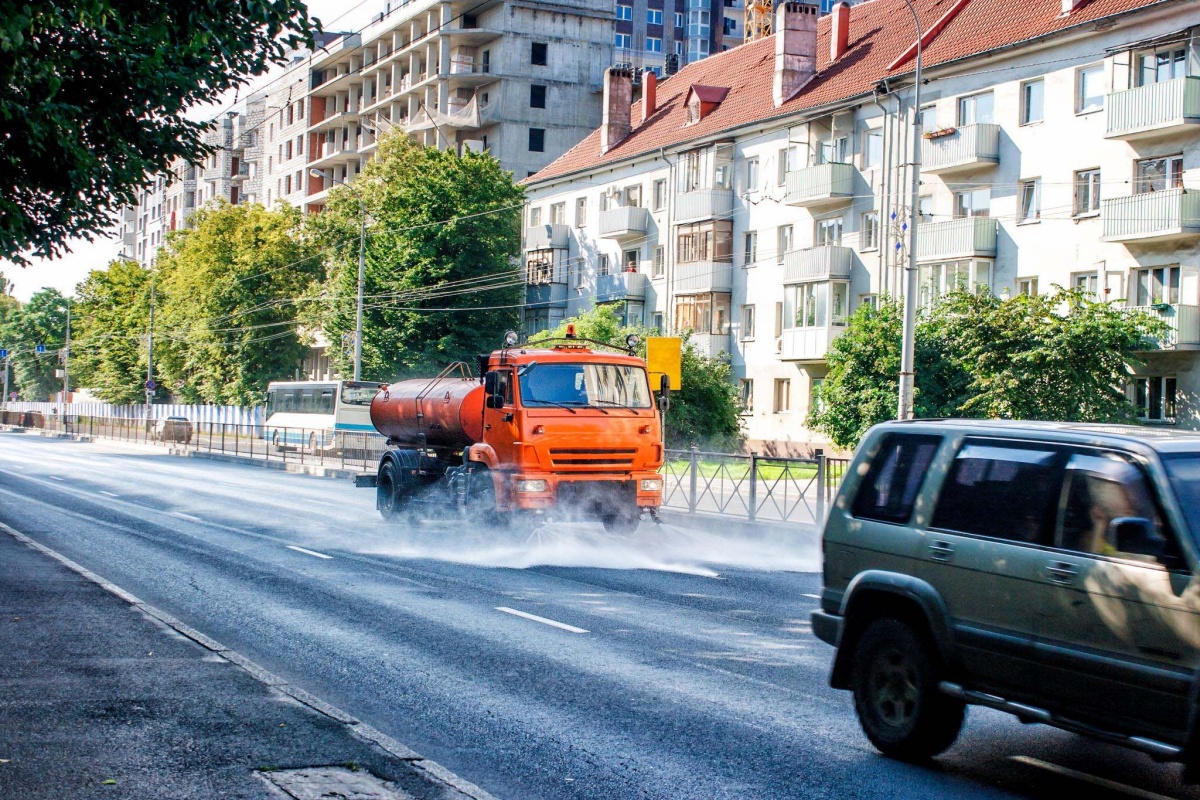
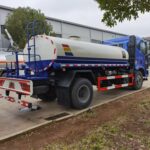
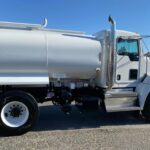
The Traditional Sprinkler Truck operates by releasing large volumes of water directly onto roads, construction sites, or exposed soil. The idea is simple: heavier particles settle when wet.
However, this method has several limitations:
High Water Consumption
Traditional systems rely on direct flooding of surfaces, consuming massive amounts of water. In many cases, a single operation requires several tons of water per hour. This leads to inefficiency, especially in regions facing water scarcity.
Short-lived Dust Suppression
While water temporarily binds dust particles to the ground, the effect is short-lived. As the water evaporates, dust is easily re-suspended by wind or traffic movement.
Surface Runoff and Puddling
Excess water often accumulates on roads, creating puddles and muddy conditions. This can reduce road safety and lead to slippery surfaces.
Traffic Disruption
Wet roads may cause splashing, reduced visibility, and slower traffic flow. In busy urban environments, this becomes a significant operational drawback.
In short, the Traditional Sprinkler Truck is a blunt instrument—effective in the short term, but inefficient and resource-intensive.
Water Mist Sprayer: Turning Water into Airborne Defense
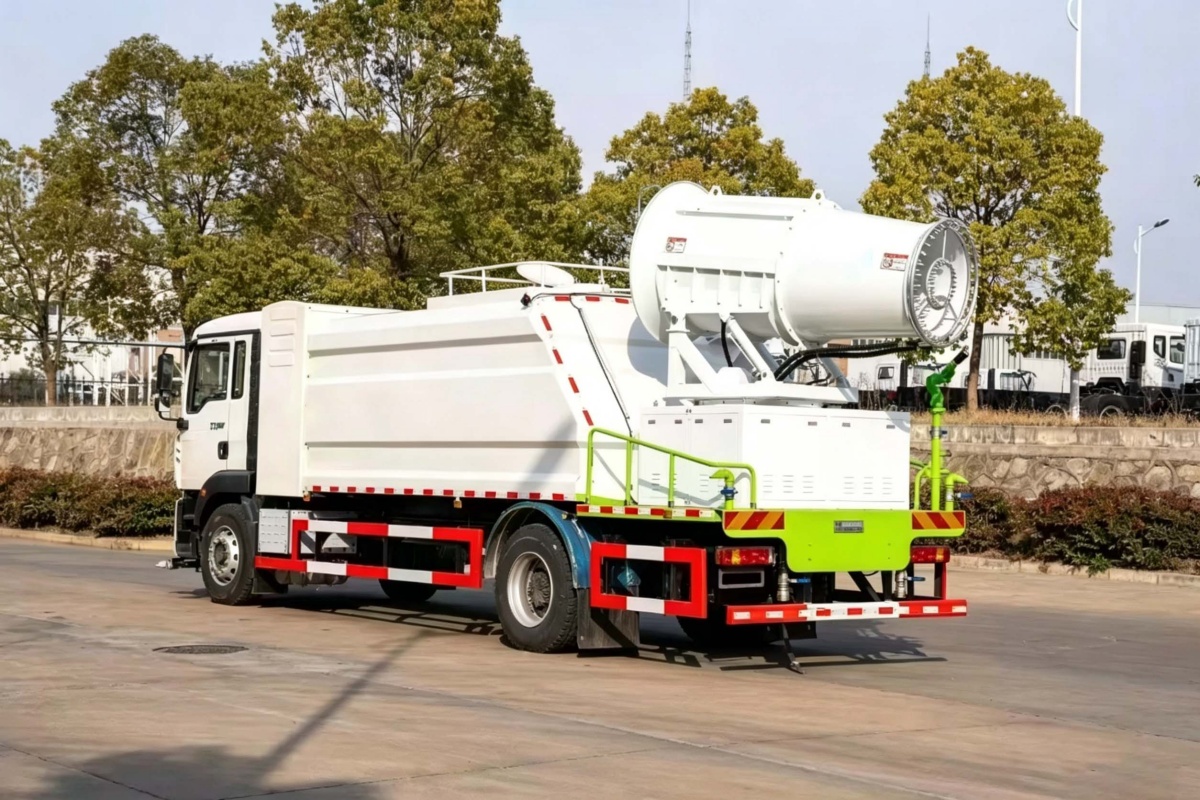
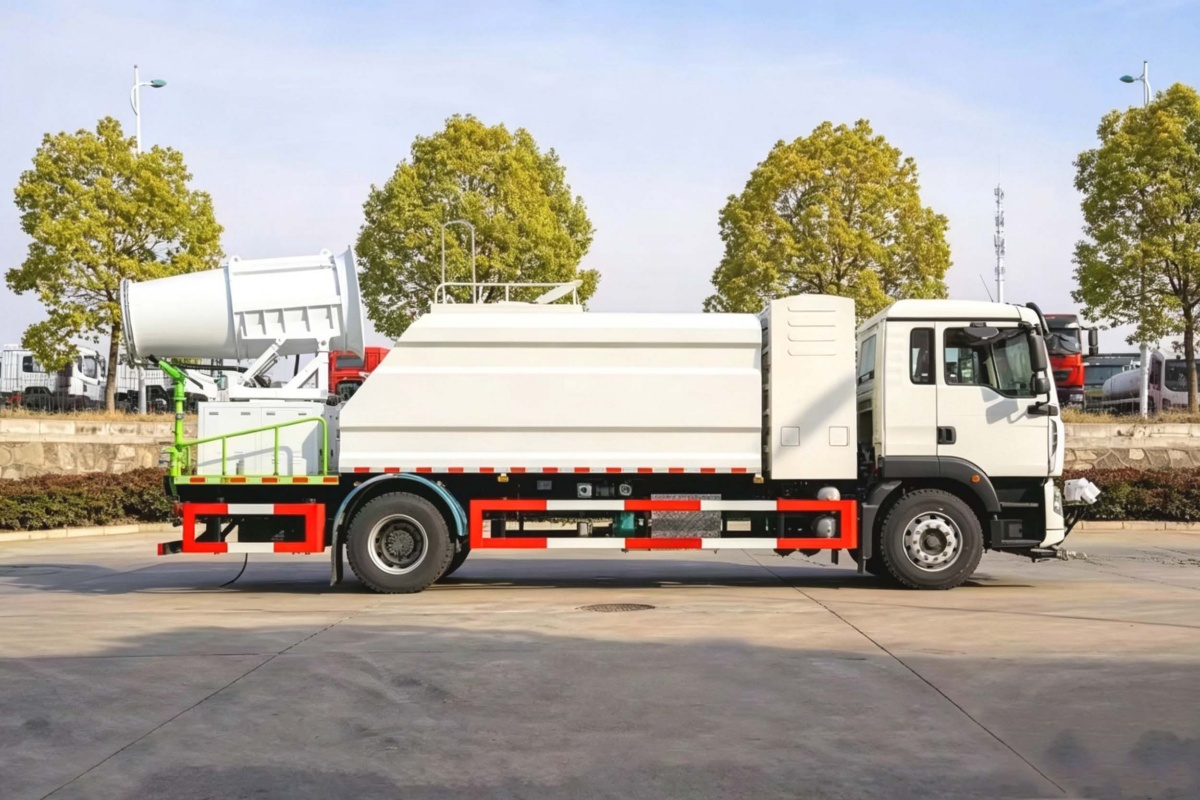
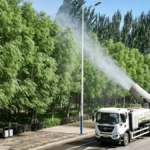
The Water Mist Sprayer takes a fundamentally different approach. Instead of drenching the ground, it atomizes water into ultra-fine droplets—often in the range of 10–50 microns.
These microscopic droplets remain suspended in the air, where they interact directly with airborne dust particles.
How It Works
The mechanism relies on three key processes:
Fine mist droplets increase surface area dramatically
Dust particles collide with mist and become heavier
Combined particles fall gently to the ground
This airborne interaction makes dust suppression far more efficient compared to ground-level washing.
Efficiency Comparison: Fog vs Flood
Water Usage
One of the most striking differences is water efficiency:
Traditional Sprinkler Truck: high-volume water discharge
Water Mist Sprayer: only 10–20% of the water consumption
This drastic reduction is achieved because mist targets the air, not just the surface.
Dust Suppression Performance
Traditional system: works after the dust settles
Mist system: captures dust before it spreads
This means the Water Mist Sprayer addresses pollution at the source rather than reacting after the fact.
Evaporation and Coverage
Fine droplets increase evaporation efficiency, allowing mist to spread further with less water. This creates a wider coverage zone compared to localized wet patches created by sprinklers.
Side-by-Side Comparison
Feature
Traditional Sprinkler Truck
Water Mist Sprayer
Water usage
Very high
Low (10–20%)
Dust control method
Ground wetting
Airborne capture
Efficiency duration
Short-term
Longer-lasting
Road conditions
Wet, puddles
Dryer, safer surfaces
Traffic impact
Often disruptive
Minimal disruption
Environmental impact
High runoff
Eco-friendly reduction
This comparison highlights why cities are reevaluating older infrastructure in favor of more advanced systems.
Why Cities Are Switching to Mist Technology
Urban environmental departments are increasingly adopting Water Mist Sprayers for several reasons:
1. Water Scarcity Concerns
Many regions face growing water stress. Reducing water usage by up to 80–90% makes mist systems a practical necessity rather than just an upgrade.
2. Air Quality Regulations
As standards for airborne particulates become stricter, governments need solutions that actively remove fine PM2.5 and PM10 particles from the air, not just settle visible dust.
3. Construction Boom in Cities
Rapid urban development generates continuous dust pollution. Mist systems provide flexible, mobile suppression that can operate across multiple sites.
4. Reduced Traffic Disruption
Unlike wet roads created by sprinklers, mist systems keep surfaces relatively dry, improving traffic safety and reducing congestion.
5. Smart Environmental Integration
Modern mist trucks can be integrated with sensors, enabling targeted spraying only when dust levels rise, further improving water efficiency and operational precision.
Environmental and Operational Impact
Beyond dust control, the shift toward Water Mist Sprayers reflects a broader transformation in urban management philosophy.
Instead of relying on brute-force cleaning, cities are moving toward:
Precision environmental control
Resource optimization
Real-time pollution response
The result is not only cleaner air but also more sustainable infrastructure management.
Conclusion: Fog Is the Future of Dust Control
The comparison between Water Mist Sprayers and Traditional Sprinkler Trucks reveals a clear evolution in environmental technology.
While sprinkler trucks represent an older, high-consumption model of urban cleaning, mist systems offer a smarter alternative that is:
More efficient
More environmentally friendly
Less disruptive to city life
Far more effective in airborne dust suppression
As cities continue to grow and environmental pressures intensify, the shift from flooding streets to creating intelligent fog barriers is not just an upgrade—it is a necessity.
In the battle against urban dust, fog beats flooding.