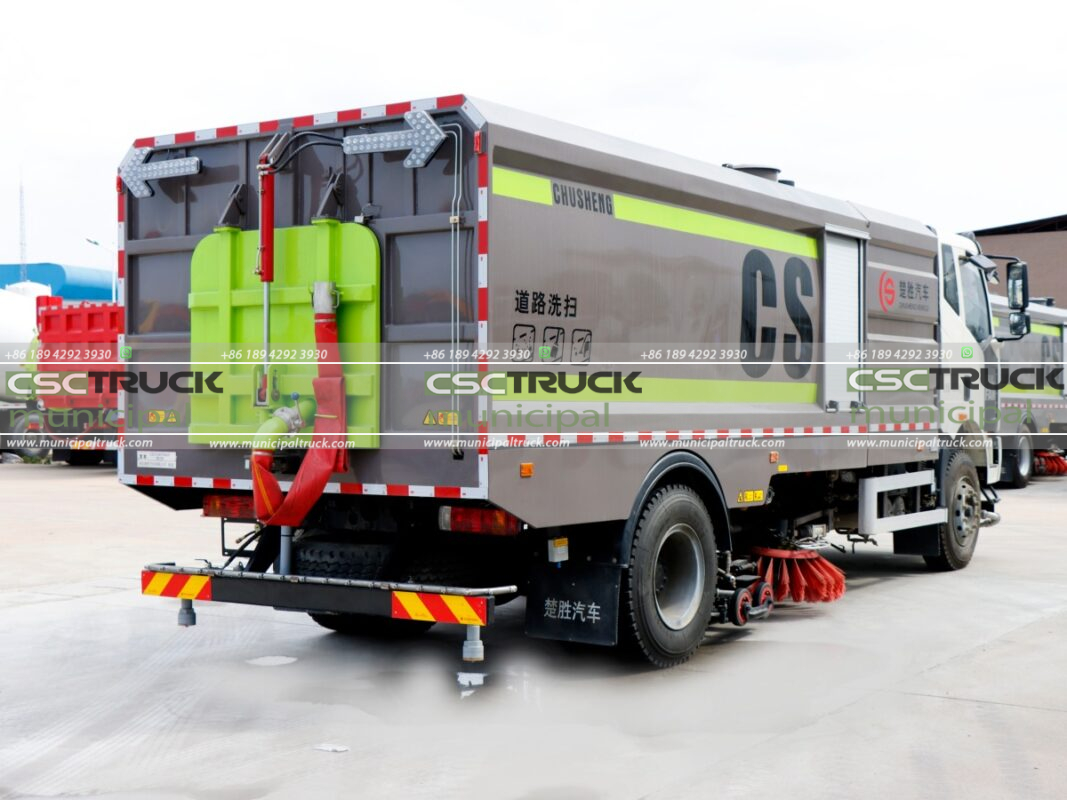
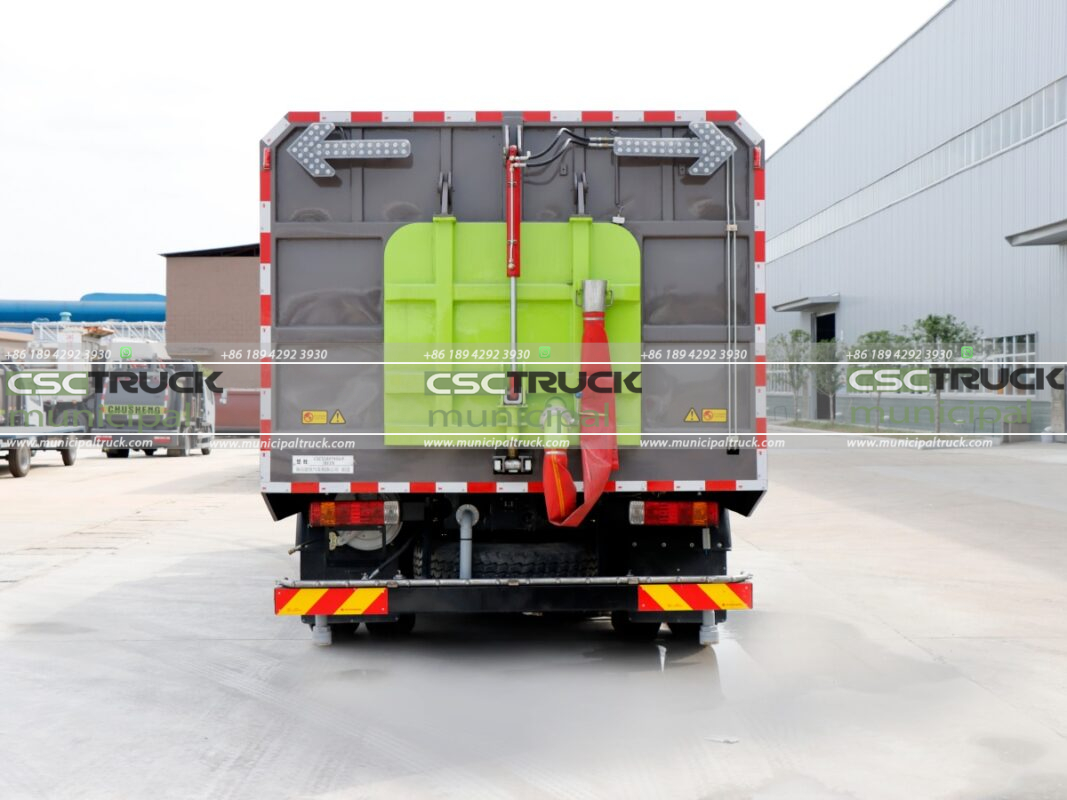
Built to Last & Fully Tailored: Top-tier garbage, sweeper and sewer trucks crafted for unrivaled durability. A trusted choice for municipal governments across the globe.
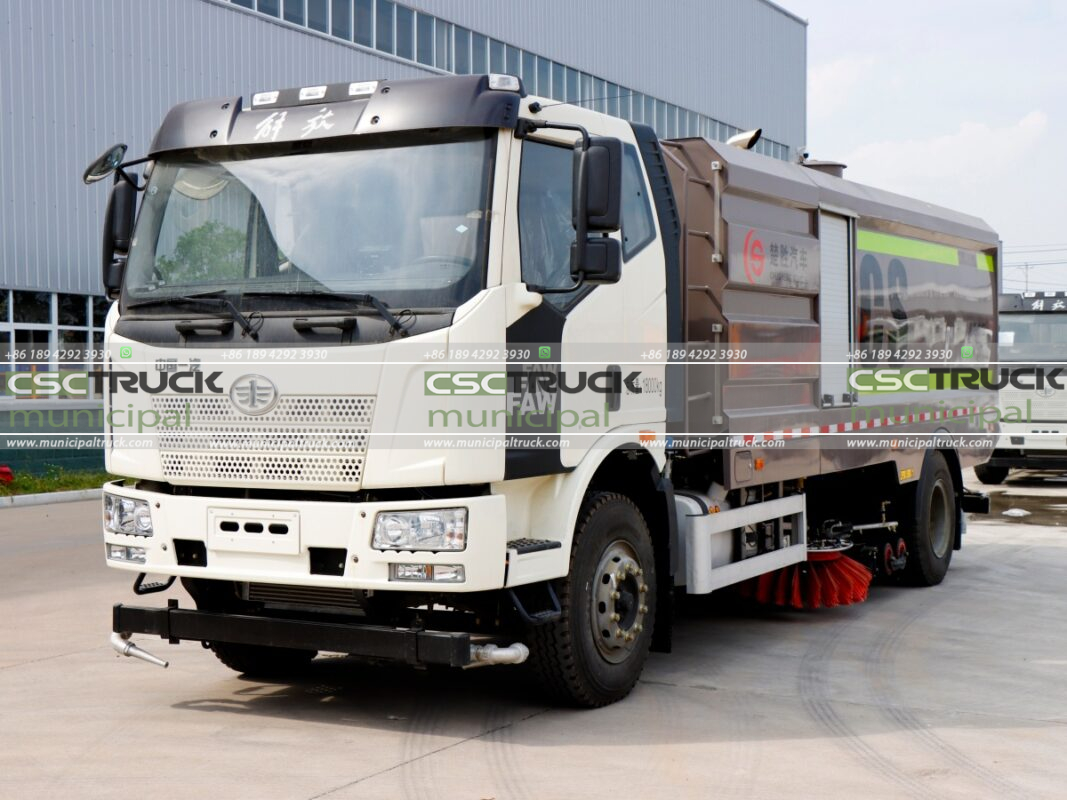
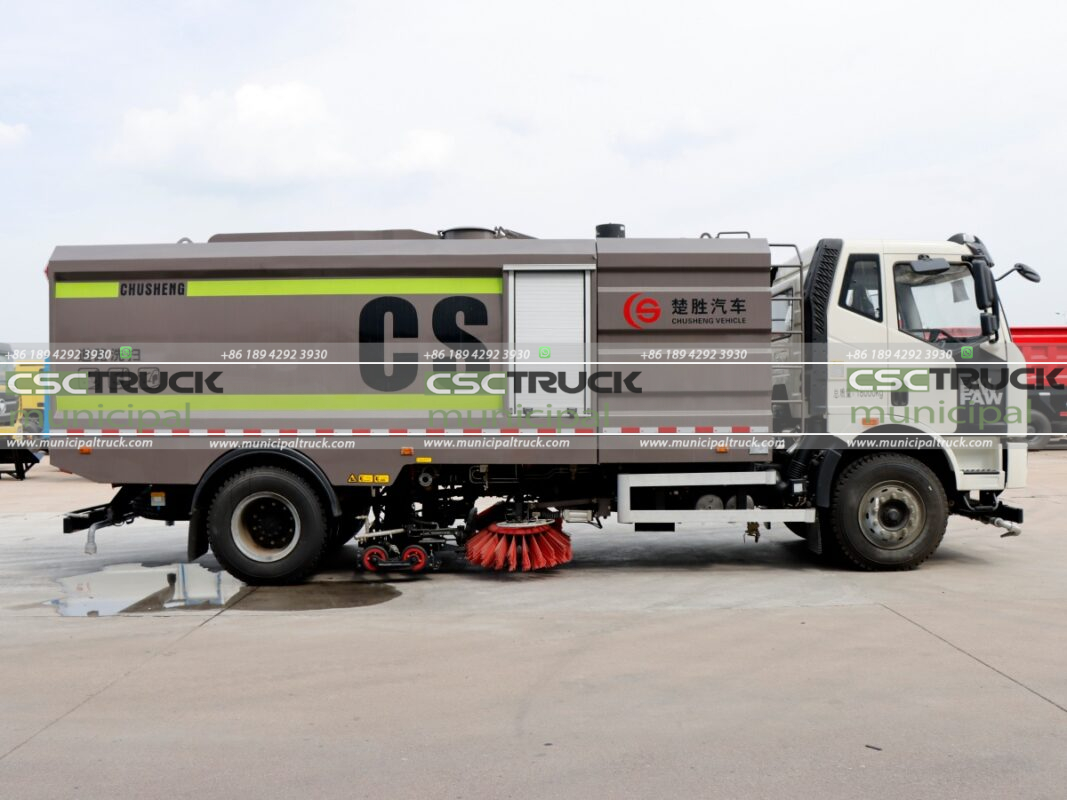
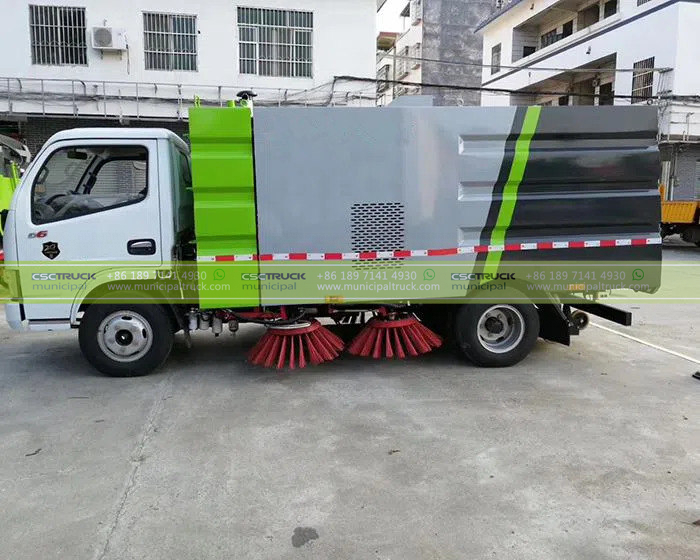
Street sweepers are essential vehicles for maintaining clean roads, improving public health, and enhancing the appearance of cities. Municipalities, airports, industrial parks, and commercial facilities rely on these machines to remove dust, litter, leaves, and other debris efficiently. Compared with manual cleaning, street sweeper trucks significantly improve productivity while reducing labor costs.
However, like any specialized equipment, street sweepers have their limitations. Understanding these challenges can help fleet managers choose the right machine, improve maintenance practices, and maximize operational efficiency. In this article, we’ll explore the most common problems with street sweepers and how modern technology is helping overcome them.
1. Limited Ability to Handle Large Debris
Street sweepers are primarily designed to collect fine dust, sand, leaves, paper, and small roadside litter. While they perform exceptionally well in routine road maintenance, they are not intended to remove large or heavy objects.
Items such as tree branches, construction materials, broken pallets, rocks, or bulky waste can block the suction inlet or damage the sweeping system. In these situations, manual removal or additional equipment such as loaders or grab trucks is often required before sweeping begins.
Choosing a street sweeper with an appropriate hopper size and a powerful suction system can improve performance, but operators should still avoid collecting oversized debris whenever possible.
2. Brush Wear and Regular Replacement
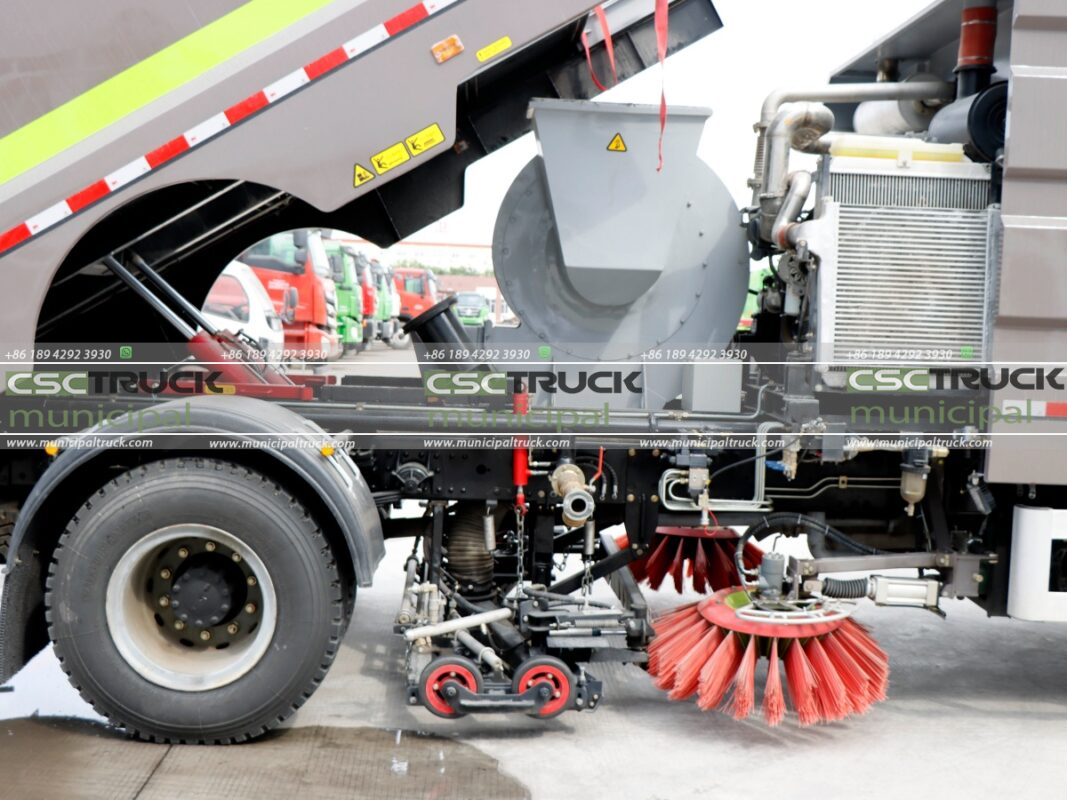
The sweeping brushes are among the most frequently replaced components on a street sweeper. Continuous contact with asphalt, concrete, curbs, and rough road surfaces gradually wears down the bristles.
Excessive brush pressure or improper adjustment can accelerate wear, resulting in:
Reduced sweeping efficiency
Higher replacement costs
Increased maintenance downtime
Routine inspections and proper brush adjustment help extend service life while maintaining consistent cleaning performance.
3. Dust Control Can Be Challenging
Although modern vacuum sweepers include water spraying systems, dust control can still become difficult in extremely dry environments.
If the water tank runs empty or the spray nozzles become clogged, fine dust may become airborne during sweeping operations. This not only reduces cleaning effectiveness but may also affect surrounding traffic and pedestrians.
Regular maintenance of the water spraying system and filters helps ensure effective dust suppression throughout daily operations.
4. High Maintenance Requirements
Street sweepers combine hydraulic, mechanical, electrical, and pneumatic systems into a single vehicle. As a result, they require more routine maintenance than conventional trucks.
Key components that require regular servicing include:
Hydraulic pumps and hoses
Side brushes and center broom
Vacuum fan
Water pump and spray nozzles
Dust filters
Waste hopper and suction duct
Following a preventive maintenance schedule can greatly reduce unexpected breakdowns and extend the vehicle’s service life.
5. Reduced Cleaning Efficiency in Wet Conditions
Heavy rain or muddy road conditions can affect sweeping performance. Wet leaves, sticky mud, and saturated debris are much more difficult to collect than dry materials.
Instead of being lifted into the hopper, wet debris may adhere to the road surface or clog the suction system. Operators often need to reduce vehicle speed or perform multiple passes to achieve satisfactory cleaning results.
For this reason, street sweepers generally deliver their best performance during dry weather or after roads have partially dried.
6. Fuel Consumption and Operating Costs
Most conventional street sweepers are powered by diesel engines that operate both the vehicle and the sweeping equipment. During cleaning operations, the engine continuously drives the hydraulic system, vacuum fan, and water pump, increasing fuel consumption compared with normal road driving.
In addition to fuel costs, operators must also consider expenses related to brush replacement, hydraulic oil, filters, tires, and routine servicing.
Many municipalities are now adopting electric or hybrid street sweepers to reduce fuel consumption, lower emissions, and decrease long-term operating costs.
7. Noise During Operation
Street sweepers generate noise from several sources, including the diesel engine, hydraulic system, and vacuum fan. While modern equipment is quieter than older models, noise can still be a concern during nighttime operations in residential neighborhoods.
Manufacturers continue to improve insulation, fan design, and hydraulic efficiency to reduce operating noise while maintaining strong cleaning performance.
8. Operator Training Is Essential
Even the most advanced street sweeper requires a skilled operator to achieve the best results. Incorrect brush pressure, excessive driving speed, or improper use of the water spraying system can reduce cleaning quality and accelerate component wear.
Proper operator training helps improve productivity, reduce maintenance costs, and ensure safe operation in busy urban environments.
How Modern Street Sweepers Solve These Problems
Street sweeper technology has advanced significantly over the past decade. Today’s machines offer more efficient and reliable performance through features such as:
High-efficiency vacuum suction systems
Intelligent hydraulic controls
Adjustable brush pressure
Automatic dust suppression systems
Large-capacity debris hoppers
Ergonomic operator cabins
Low-noise operation
Electric and hybrid power options
These innovations improve cleaning efficiency while reducing operating costs and environmental impact.
Looking for Reliable Sweeper Truck Solutions?
Whether you need a truck-mounted sweeper for urban roads or a heavy-duty road sweeper for highways, airports, ports, and industrial facilities, CSCTRUCK Municipal offers a complete range of customized street sweeper trucks to meet different operational requirements. With durable construction, efficient sweeping systems, and dependable after-sales support, we help municipalities and contractors keep roads cleaner, safer, and more sustainable.