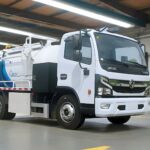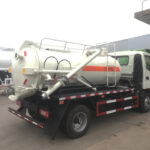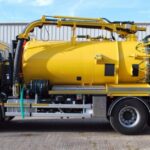
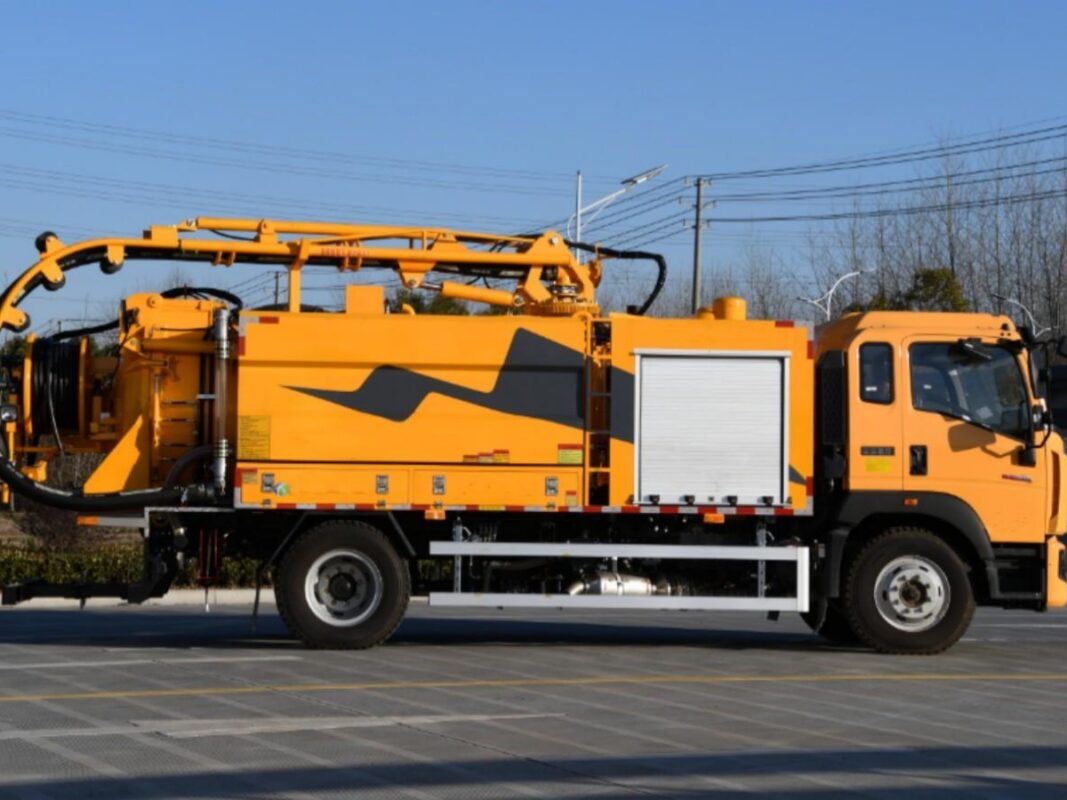
Sewer cleaning trucks play a critical role in maintaining municipal drainage systems, industrial pipelines, and commercial sewer networks. Among all components, the jetting unit is the heart of the machine, delivering high-pressure water flow to remove grease, sludge, sand, roots, and stubborn blockages.
But one of the most common questions buyers ask is: What pressure can a sewer cleaner truck jetting unit handle?
Understanding Sewer Jetting Pressure
The pressure capacity of a sewer cleaner truck jetting unit depends on the truck design, pump system, hose specifications, and cleaning application. Most modern jetting systems operate within the following ranges:
- Light-duty cleaning: 1,500–2,500 PSI
- Medium-duty municipal cleaning: 3,000–5,000 PSI
- Heavy-duty industrial jetting: 6,000–10,000+ PSI
Some advanced high-pressure sewer jetting trucks can even exceed 15,000 PSI for specialized industrial applications.
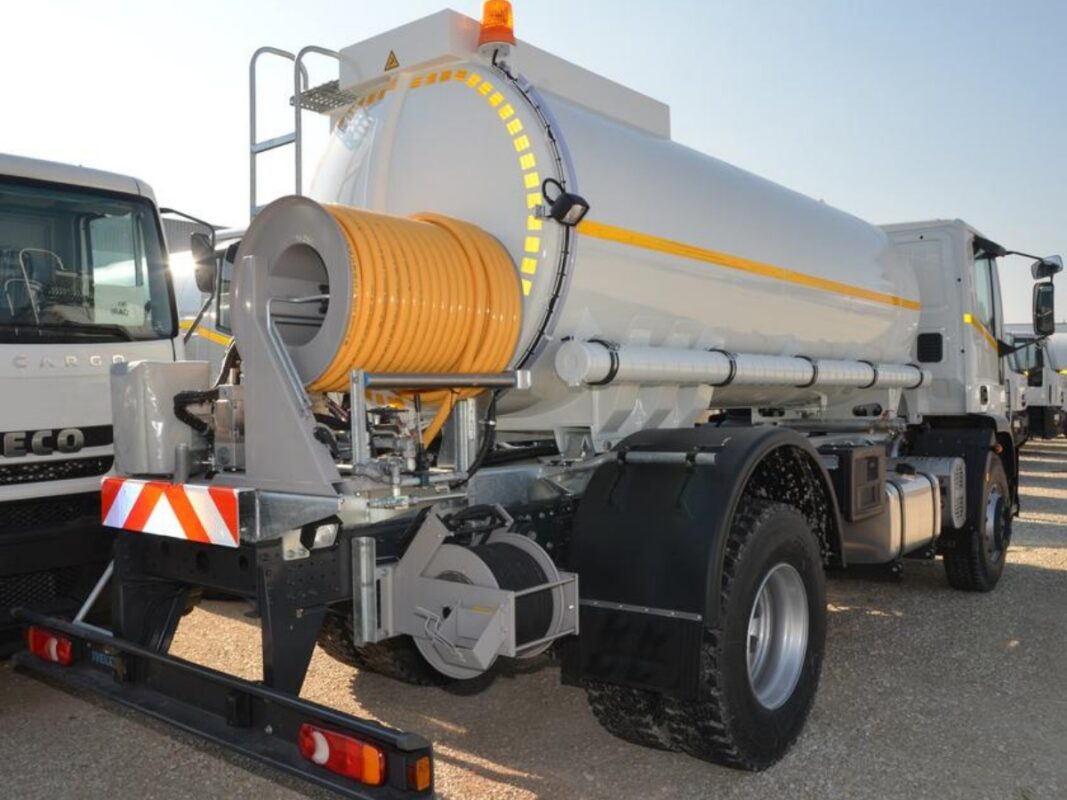
Factors That Affect Jetting Pressure Capacity
1. Pump Performance
The pump is the core component of every sewer cleaning truck. High-quality triplex plunger pumps are commonly used because they can withstand extreme pressure while maintaining stable water flow.
A stronger pump allows the jetting unit to:
- Break through hardened debris
- Remove tree roots
- Clean long-distance pipelines
- Improve cleaning efficiency
2. Hose and Nozzle Design
Even if a system generates high PSI, the hose and nozzle must also tolerate the same pressure safely. Professional sewer jetting hoses are reinforced with multiple steel layers to handle extreme operating conditions.
Different nozzles also influence cleaning power:
- Penetrator nozzles for blockages
- Flushing nozzles for sediment
- Rotating nozzles for grease removal
3. Water Flow Rate
Pressure alone is not enough. The effectiveness of a high-pressure jetting system also depends on water flow rate (GPM — gallons per minute).
For example:
- High PSI + low flow = cutting power
- Moderate PSI + high flow = flushing capacity
Municipal sewer cleaning often requires a balance between pressure and flow to avoid damaging old pipelines.
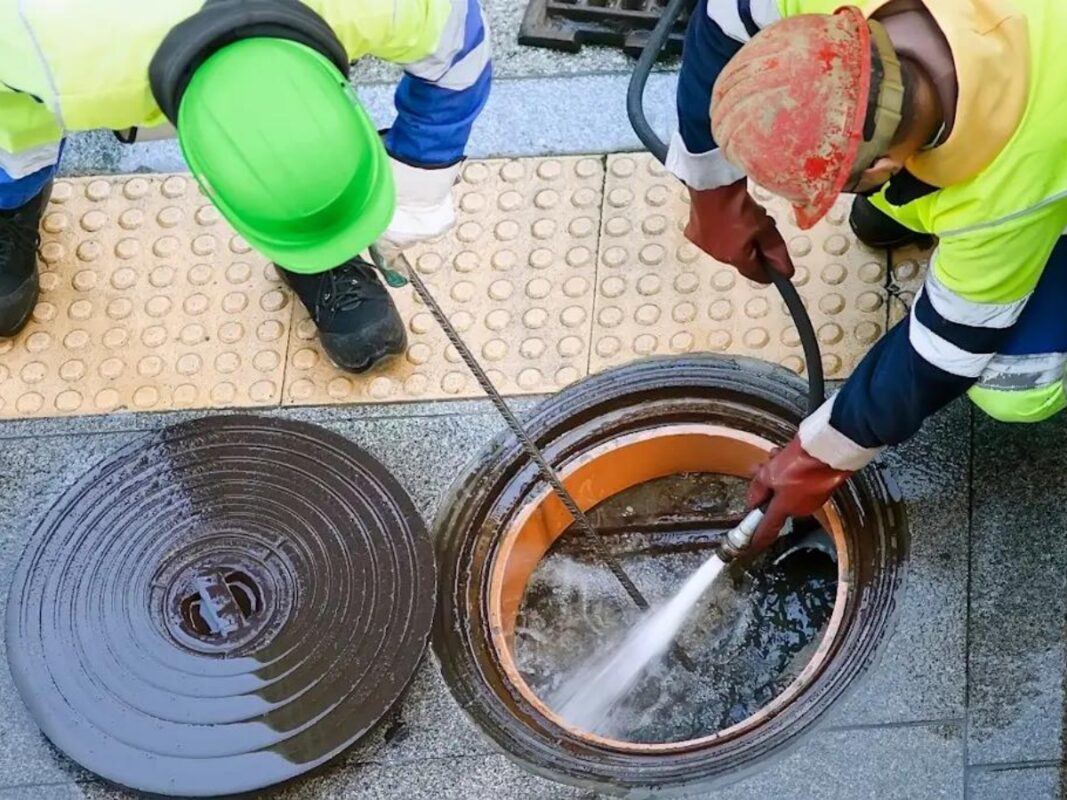
Typical Pressure Requirements by Application
| Application | Recommended Pressure |
|---|---|
| Residential drain cleaning | 1,500–3,000 PSI |
| Municipal sewer maintenance | 3,000–5,000 PSI |
| Industrial pipeline cleaning | 5,000–10,000 PSI |
| Heavy grease removal | 4,000–6,000 PSI |
| Root cutting applications | 6,000+ PSI |
Can Higher Pressure Damage Pipes?
Yes. Excessive pressure may damage aging or fragile pipelines. That is why professional operators carefully adjust the sewer jetting pressure according to pipe material and blockage conditions.
PVC pipes, clay pipes, and corroded sewer lines usually require lower pressure settings compared to modern steel or reinforced concrete pipelines.
Using the correct nozzle and pressure combination helps maximize cleaning efficiency while protecting the pipe structure.
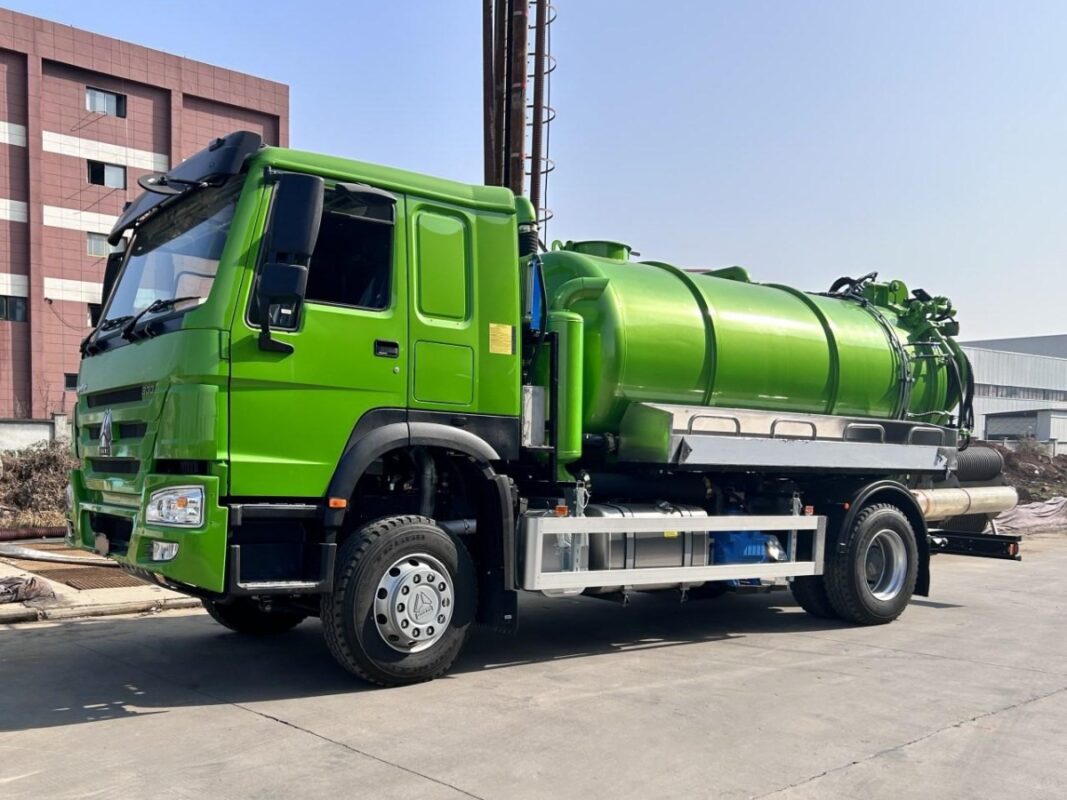
Advantages of High-Pressure Sewer Jetting Units
Modern sewer cleaner truck jetting units provide several benefits:
- Faster blockage removal
- Reduced manual labor
- Environmentally friendly cleaning
- Improved pipeline maintenance
- Long-distance cleaning capability
- Effective grease and sludge removal
Compared with traditional mechanical cleaning methods, high-pressure sewer jetting trucks offer more efficient and comprehensive pipe cleaning results.
Choosing the Right Sewer Jetting Truck
When selecting a sewer cleaning truck, buyers should consider:
-
- Maximum operating pressure
- Water flow capacity
- Tank size
- Hose reel length
- Pump brand and durability
- Application requirements
Municipal contractors often prefer medium-pressure systems for daily maintenance, while industrial facilities may require ultra-high-pressure units for demanding cleaning tasks.
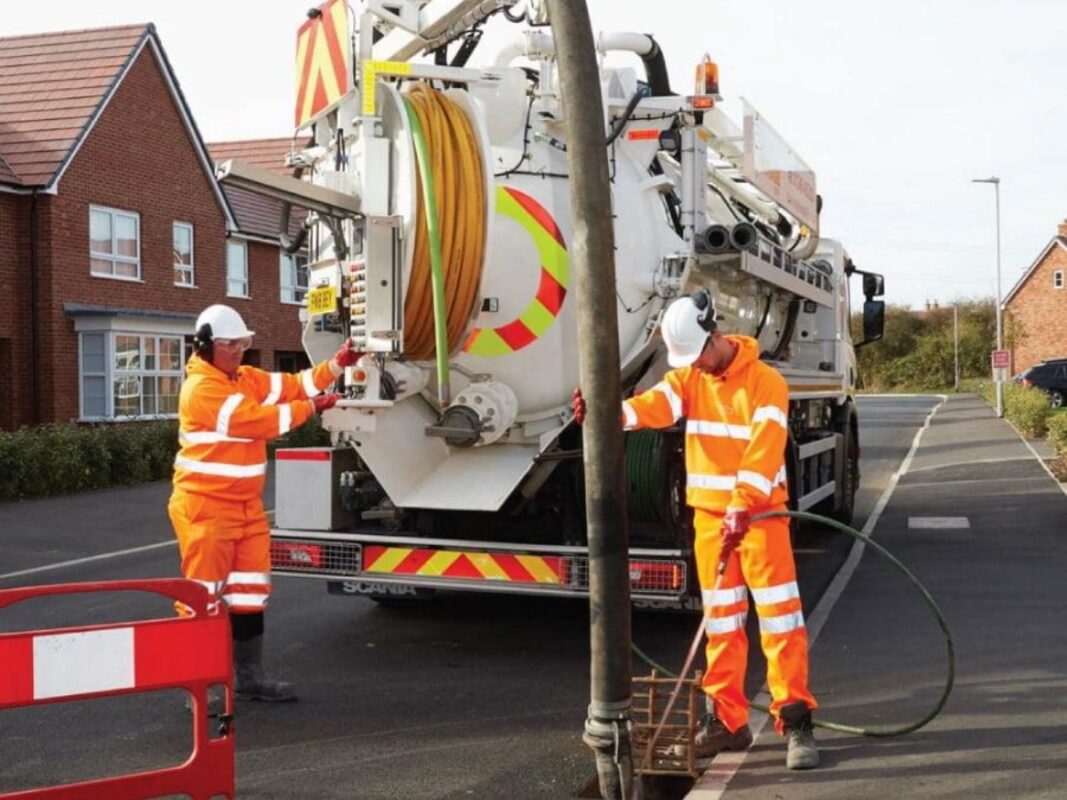
Final Thoughts
The pressure capacity of a sewer cleaner truck jetting unit can range from 1,500 PSI to over 10,000 PSI, depending on the application and equipment configuration. Choosing the right pressure level is essential for achieving efficient cleaning while protecting pipeline integrity.
As sewer infrastructure maintenance becomes increasingly important, advanced high-pressure sewer jetting systems continue to play a vital role in keeping pipelines clean, safe, and operational.
Looking for Reliable Sewer Cleaning Truck Solutions?
Modern sewer maintenance operations rely on advanced high-pressure sewer jetting trucks, intelligent pipeline cleaning systems, and durable vacuum suction technologies to improve drainage efficiency and reduce maintenance costs. These integrated solutions help municipalities and industrial operators maintain cleaner pipelines, minimize blockages, and support more reliable underground infrastructure management.
CSCTRUCK Municipal provides advanced sewer cleaner trucks and customized high-pressure jetting unit solutions, designed for powerful cleaning performance, stable water pressure output, and long-distance pipeline maintenance applications. These vehicles are widely used in municipal sewer cleaning, industrial pipeline maintenance, drainage system flushing, and emergency blockage removal operations.
Stronger jetting power. Cleaner pipelines. More efficient sewer maintenance—supporting the future of smarter and more sustainable urban infrastructure.