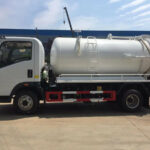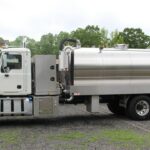
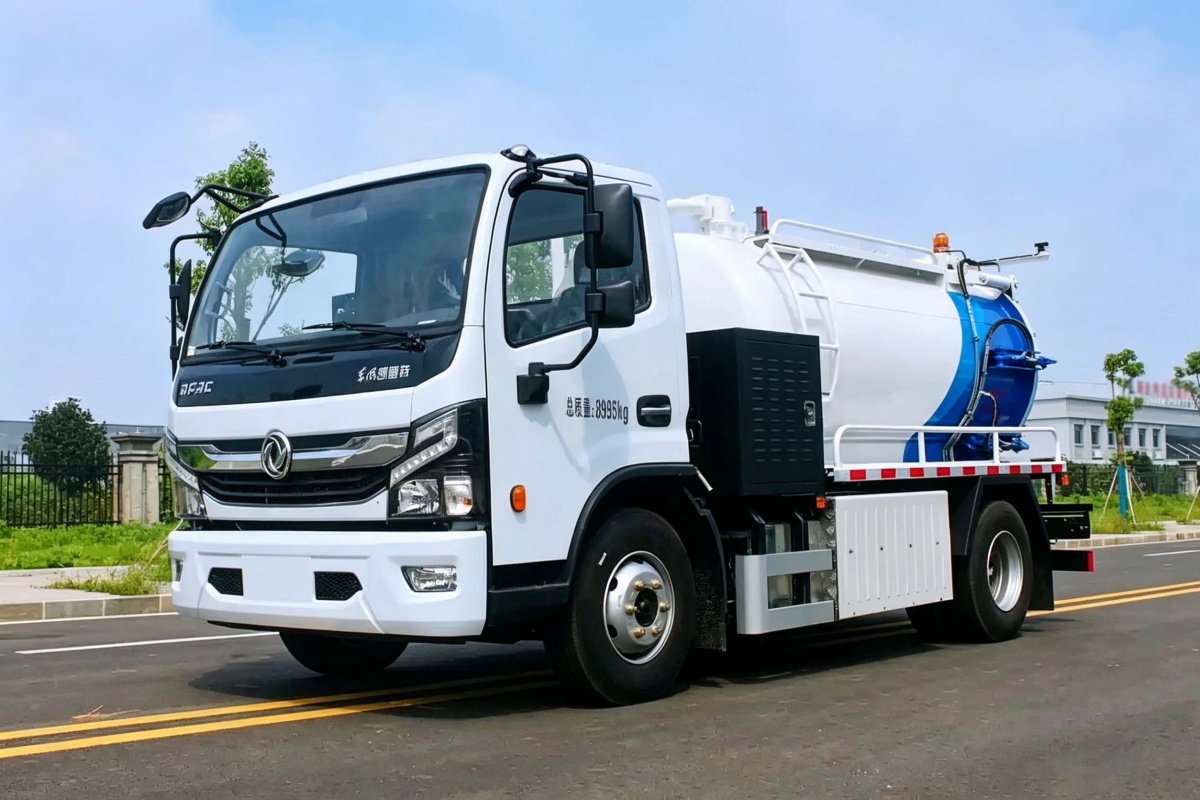
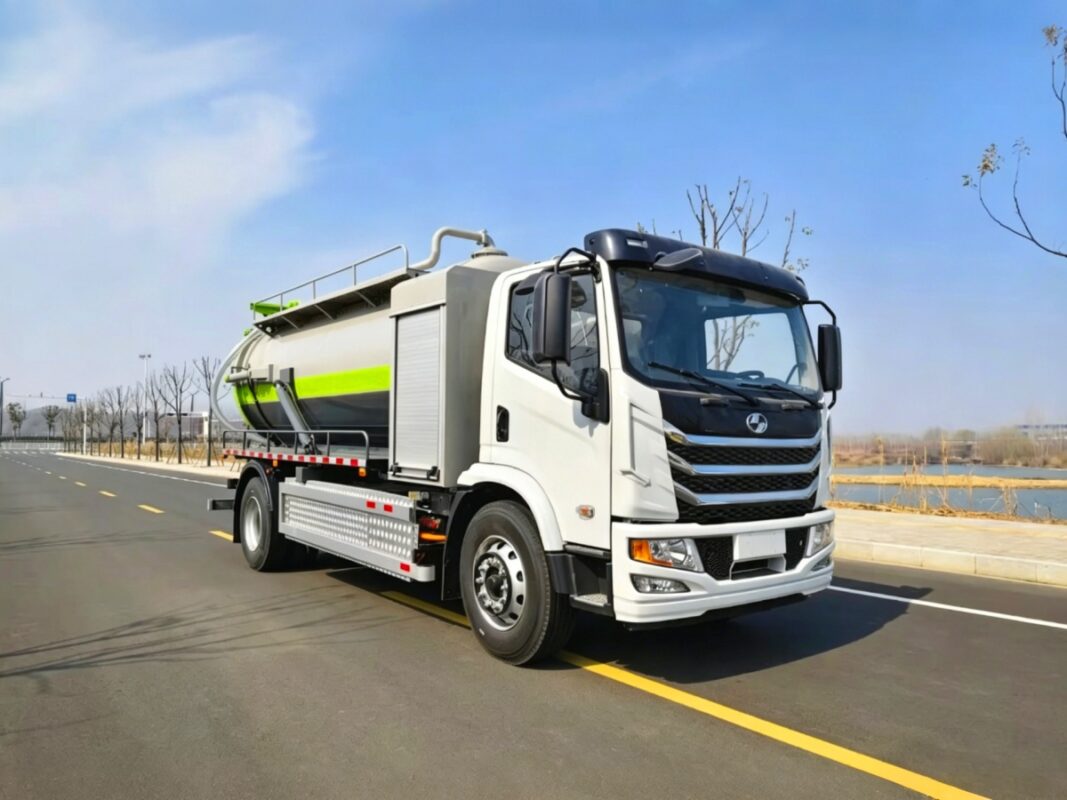
The wastewater industry is undergoing a significant transformation as sustainability goals, stricter emissions regulations, and advances in battery technology drive the adoption of electric vacuum sewer trucks. Traditionally powered by diesel engines, vacuum sewer trucks have long been essential for sewer cleaning, septic maintenance, industrial waste collection, and emergency spill response. However, the rise of electrification raises an important question: are electric vacuum sewer trucks truly ready for the demanding realities of wastewater operations?
While the technology shows tremendous promise, operators and fleet managers must carefully evaluate whether current electric solutions can meet the performance, range, and reliability requirements of real-world applications.
Why the Industry Is Exploring Electric Vacuum Sewer Trucks
Growing environmental concerns and carbon reduction targets are encouraging municipalities and contractors to seek cleaner alternatives to conventional equipment. Electric vacuum sewer trucks offer several potential advantages:
- Zero tailpipe emissions during operation
- Reduced noise levels in residential and urban environments
- Lower fuel costs
- Fewer moving parts and potentially lower maintenance requirements
- Improved compliance with increasingly strict environmental regulations
For cities aiming to achieve sustainability targets, replacing diesel-powered vehicles with electric wastewater trucks can significantly reduce fleet emissions.
Performance Expectations in Wastewater Operations
Wastewater applications are among the most demanding tasks for any vehicle platform. vacuum sewer trucks often operate under challenging conditions, including:
- Long work shifts
- Frequent stop-and-go driving
- Continuous operation of vacuum pumps
- Heavy payloads
- Remote job sites with limited charging infrastructure
To succeed in these environments, electric vacuum sewer trucks must deliver sufficient battery capacity not only for transportation but also for powering auxiliary equipment such as vacuum systems, water pumps, and hydraulic components.
Recent advancements in high-capacity battery packs and energy management systems have improved operational capabilities. However, fleet managers still need to assess whether available models can consistently support full-day workloads without excessive downtime for charging.
The Range Challenge
One of the primary concerns surrounding electric vacuum sewer trucks is operational range.
Unlike standard delivery vehicles, vacuum sewer trucks consume substantial energy while stationary because their pumps and support systems remain active throughout the job. This means battery consumption depends not only on mileage but also on equipment usage.
Factors affecting range include:
- Vacuum pump operating time
- Tank loading levels
- Terrain and road conditions
- Ambient temperature
- Charging availability
For urban sewer maintenance routes, current electric platforms may already provide adequate performance. However, rural and industrial operations often require longer travel distances that can challenge existing battery technology.
Charging Infrastructure Remains a Key Factor
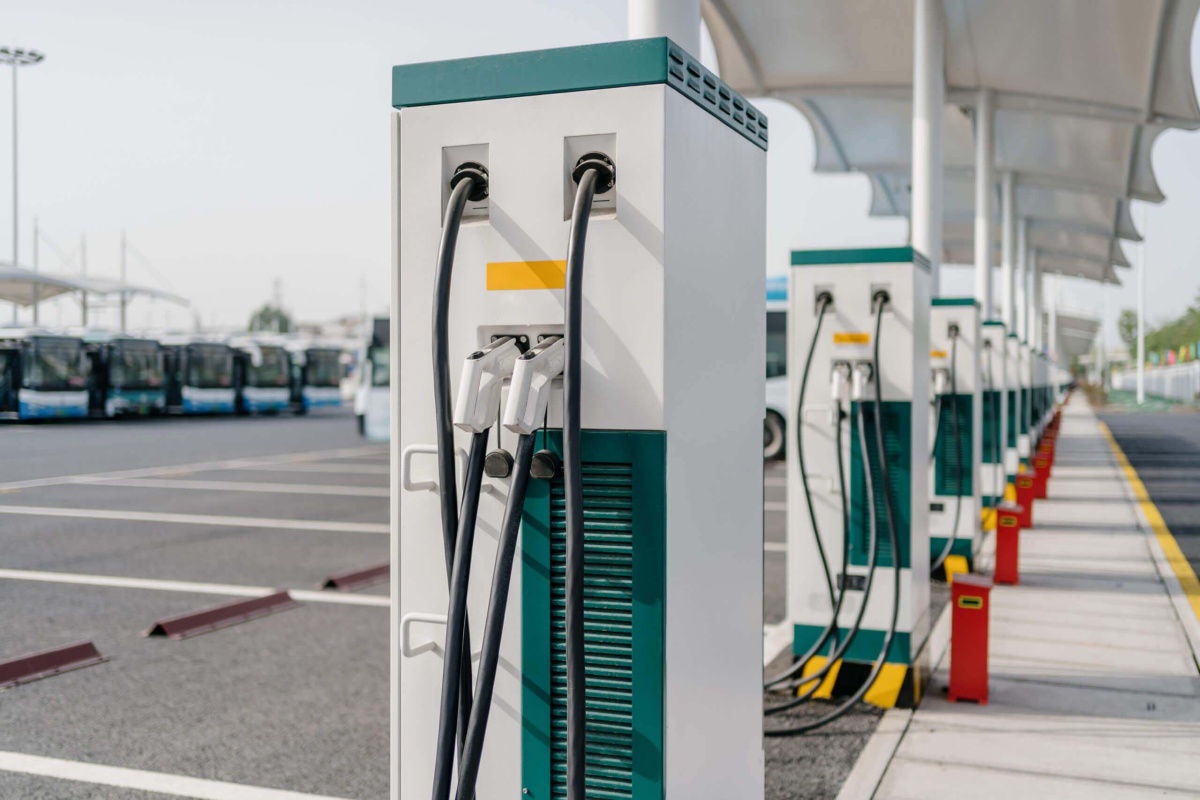
The success of electric wastewater fleets depends heavily on charging infrastructure.
Fleet operators must consider:
- Depot charging capacity
- Fast-charging availability
- Grid power requirements
- Vehicle turnaround schedules
- Emergency deployment readiness
Municipalities with centralized maintenance yards may find implementation relatively straightforward. Private contractors serving large geographic regions may face greater logistical challenges until public and commercial charging networks continue to expand.
Cost Considerations
Initial acquisition costs for electric vacuum sewer trucks are generally higher than those of diesel alternatives. However, the total cost of ownership can improve over time through:
- Lower energy costs
- Reduced maintenance expenses
- Government incentives
- Potential carbon compliance benefits
Organizations evaluating fleet upgrades should analyze long-term operational costs rather than focusing solely on purchase price.
Reliability in Real-World Conditions
Reliability remains one of the most important decision factors.
Wastewater operations often involve:
- Extreme weather conditions
- Continuous equipment operation
- Emergency response situations
- Heavy-duty pumping requirements
Manufacturers are investing heavily in battery durability, thermal management, and electric powertrain reliability. Early pilot programs have demonstrated encouraging results, but many fleet operators continue to monitor long-term performance data before committing to large-scale transitions.
Where Electric Vacuum Sewer Trucks Make the Most Sense Today
Currently, electric vacuum sewer trucks are particularly well-suited for:
- Urban sewer cleaning
- Municipal maintenance fleets
- University and campus infrastructure services
- Airport utility operations
- Industrial facilities with predictable routes
These environments often feature shorter travel distances and access to centralized charging infrastructure, making electrification more practical.
The Road Ahead
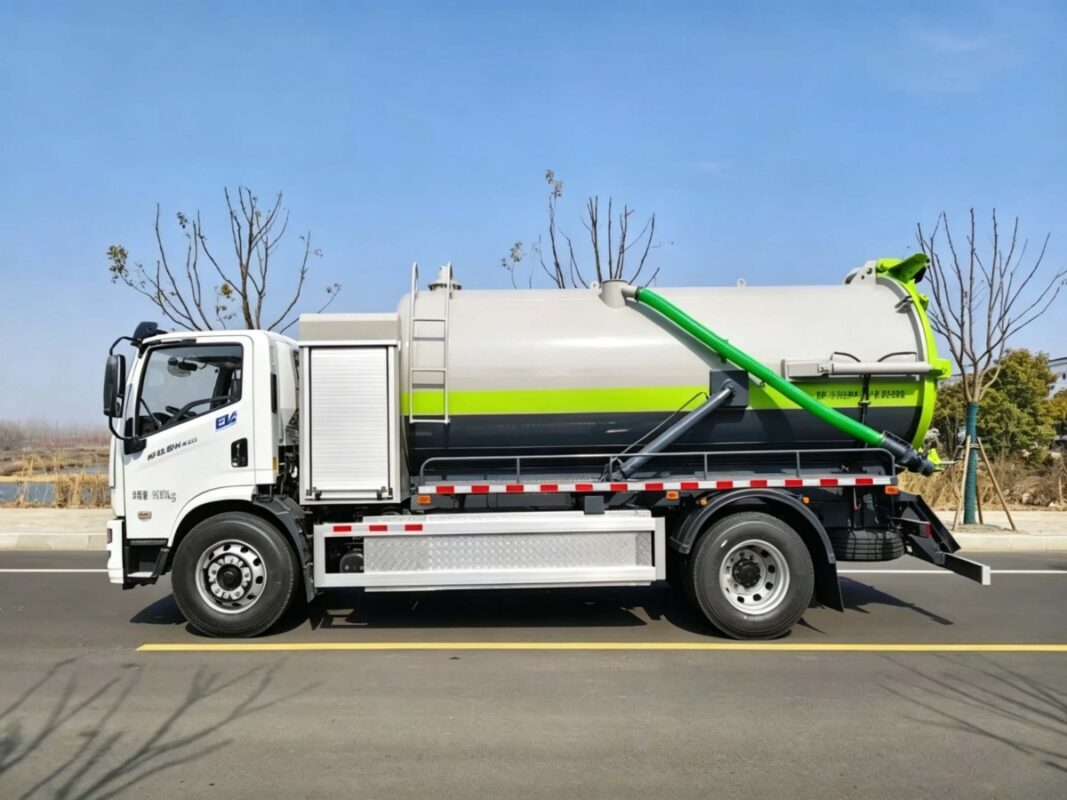
The future of electric vacuum sewer trucks appears promising. Improvements in battery density, charging speed, and energy-efficient vacuum systems are rapidly addressing many of today’s limitations.
As technology matures, more wastewater operators are likely to adopt electric solutions, especially in regions with aggressive sustainability initiatives and emissions reduction mandates.
While diesel-powered units will remain essential for some heavy-duty and long-range applications in the near term, the industry is clearly moving toward a more electrified future.
Conclusion
Electric vacuum sewer trucks Are Coming: Are They Ready for Real-World Wastewater Operations? The answer is increasingly yes—but with important caveats. For many urban and municipal wastewater applications, today’s electric vacuum sewer trucks already offer a viable and environmentally responsible alternative to diesel-powered equipment. However, challenges related to range, charging infrastructure, and extended-duty performance still require careful consideration.
As battery technology continues to evolve, the gap between electric and conventional vacuum sewer trucks will likely narrow, positioning electrification as a major force in the future of wastewater operations, sewer maintenance, and industrial waste management.