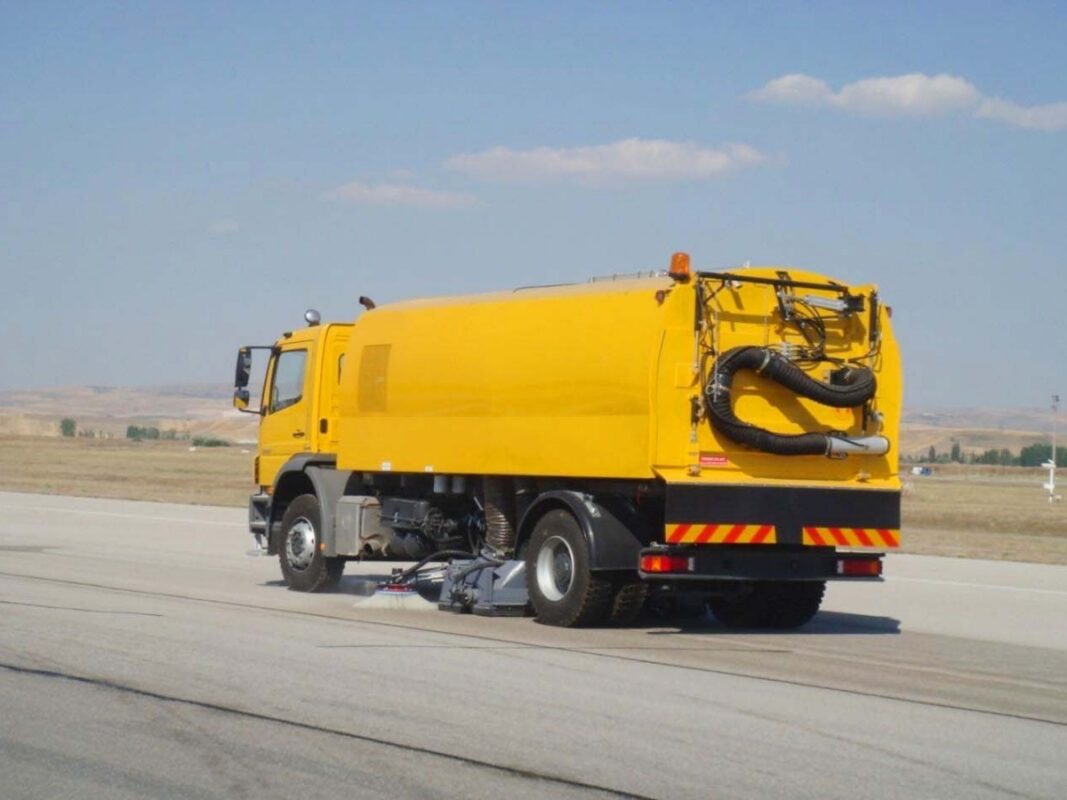
Nigeria’s capital city, Abuja, has officially launched a new airport sweeper truck program designed to improve airport cleanliness, operational safety, and environmental management. The initiative represents another important step in the modernization of Nigeria’s aviation infrastructure and highlights the country’s commitment to creating safer and more efficient transportation facilities.
As air travel continues to grow across Africa, airports are facing increasing pressure to maintain high international standards. Clean and well-maintained airport environments are essential not only for passenger comfort but also for aviation safety. Runways, taxiways, parking areas, and access roads must remain free from dust, debris, and foreign objects that could potentially damage aircraft or interfere with airport operations.
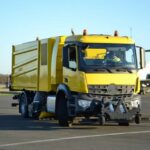
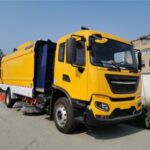
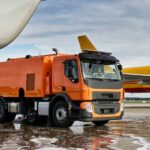
To address these challenges, Abuja’s airport authorities have introduced advanced sweeper trucks equipped with powerful vacuum systems, rotating brushes, and dust-control technologies. These specialized vehicles are capable of cleaning large surface areas quickly and efficiently while minimizing disruption to airport traffic and daily activities. The trucks are expected to operate regularly across key airport zones, including runways, service roads, cargo areas, and terminal surroundings.
One of the key advantages of the new sweeper truck program is its contribution to aviation safety standards. Even small debris left on airport surfaces can create serious risks for aircraft engines and ground operations. International aviation organizations have long emphasized the importance of runway cleanliness as part of overall airport safety management. By deploying modern sweeping equipment, Abuja Airport aims to strengthen preventive maintenance efforts and reduce operational hazards.
The initiative also supports environmental sustainability goals. Traditional cleaning methods often consume large amounts of water and may not effectively control airborne dust particles. Many of the newly introduced sweeper trucks use advanced filtration systems that help improve air quality while reducing water usage and fuel consumption. Some models are designed with energy-efficient technologies that lower emissions and operating costs over time.
Airport officials believe the program will improve the overall travel experience for passengers arriving in and departing from Abuja. A cleaner airport environment creates a stronger first impression for tourists, investors, and international airlines. As Nigeria continues positioning itself as a major business and travel hub in West Africa, maintaining modern and professional airport facilities has become increasingly important.
The sweeper truck program is particularly valuable during periods of heavy rainfall and seasonal dust conditions, which can make airport maintenance more challenging. Efficient cleaning operations help prevent mud accumulation, drainage blockages, and surface contamination that could disrupt airport activities or increase maintenance expenses.
Industry analysts view Abuja’s investment as part of a broader trend of aviation modernization across the African continent. Airports in several African countries are now investing in upgraded maintenance vehicles, digital monitoring systems, and environmentally friendly infrastructure solutions to meet growing passenger demand and global operational standards.
In addition to improving cleanliness and safety, the new program may also create opportunities for technical training and employment in airport maintenance services. Skilled operators and maintenance teams will play an important role in ensuring the equipment functions effectively and delivers long-term value.
Nigeria’s Abuja Launches Airport Sweeper Truck Program is more than a simple maintenance upgrade. It reflects a wider vision of smarter infrastructure, safer aviation operations, and sustainable urban development. As the country continues expanding its transportation network and strengthening its aviation sector, initiatives like this demonstrate how modern technology can improve both operational efficiency and public service quality.
With cleaner facilities, improved safety standards, and stronger environmental performance, Abuja Airport is taking meaningful steps toward becoming a more modern and internationally competitive aviation hub for the future.