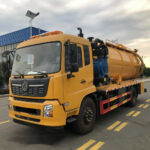
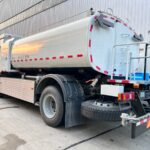
Built to Last & Fully Tailored: Top-tier garbage, sweeper and sewer trucks crafted for unrivaled durability. A trusted choice for municipal governments across the globe.
Why Cities Need Mobile Sewage Vacuum Trucks First After Heavy Rainstorms
When severe rainstorms hit a city, most people focus on flooded streets, stranded vehicles, and damaged buildings. But beneath the visible flooding lies another urgent problem: contaminated wastewater.
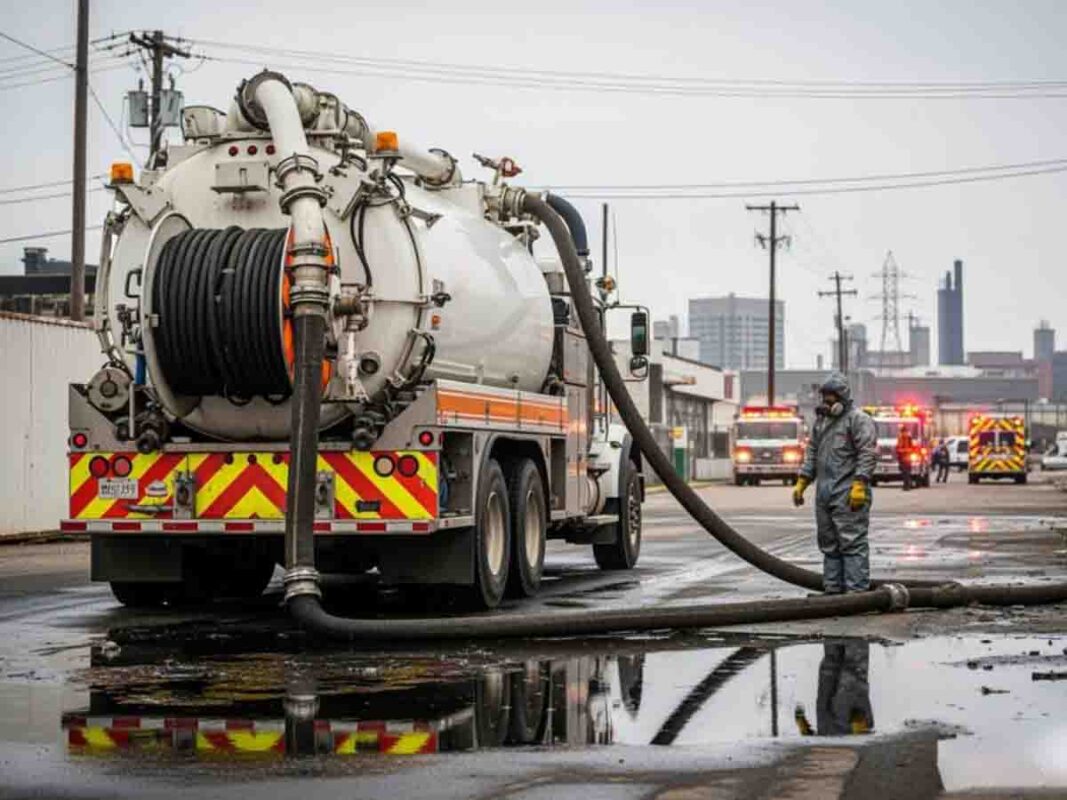
As stormwater overwhelms drainage systems, sewage networks can quickly fail. Overflowing manholes, blocked storm drains, flooded basements, and contaminated standing water create major public health and environmental risks within hours. This is why mobile sewage vacuum trucks are often among the first emergency-response vehicles deployed after heavy rainfall.
These specialized trucks play a critical role in restoring sanitation, protecting infrastructure, and helping cities recover faster after floods.
What Happens to Urban Sewage Systems During Heavy Rain?
Modern drainage systems are designed to handle normal rainfall conditions. However, during extreme storms, several problems can occur simultaneously:
Storm drains become clogged with debris
Sewer pipelines exceed capacity
Wastewater backs up into streets and buildings
Pumping stations become overloaded
Contaminated water mixes with floodwater
In many older cities, stormwater and sewage share parts of the same pipeline network. During intense rainfall, untreated sewage can overflow directly into public areas, creating dangerous sanitary conditions.
The longer contaminated water remains in place, the greater the risks:
Spread of bacteria and viruses
Damage to roads and underground infrastructure
Foul odors and hazardous gases
Business interruption
Increased cleanup costs
This is where mobile sewage vacuum trucks become essential.
Why Mobile Sewage Vacuum Trucks Are Deployed First
Unlike fixed pumping stations or permanent drainage infrastructure, mobile vacuum trucks can be deployed immediately to problem areas across the city.
Their flexibility makes them one of the fastest and most effective emergency sanitation tools available.
1. Rapid Removal of Contaminated Water
Vacuum trucks can quickly suction sewage, sludge, and contaminated floodwater from:
Underground parking garages
Streets and intersections
Sewer overflow zones
Industrial facilities
Residential basements
Fast wastewater removal helps reduce both structural damage and public health risks.
2. Clearing Blocked Drainage Systems
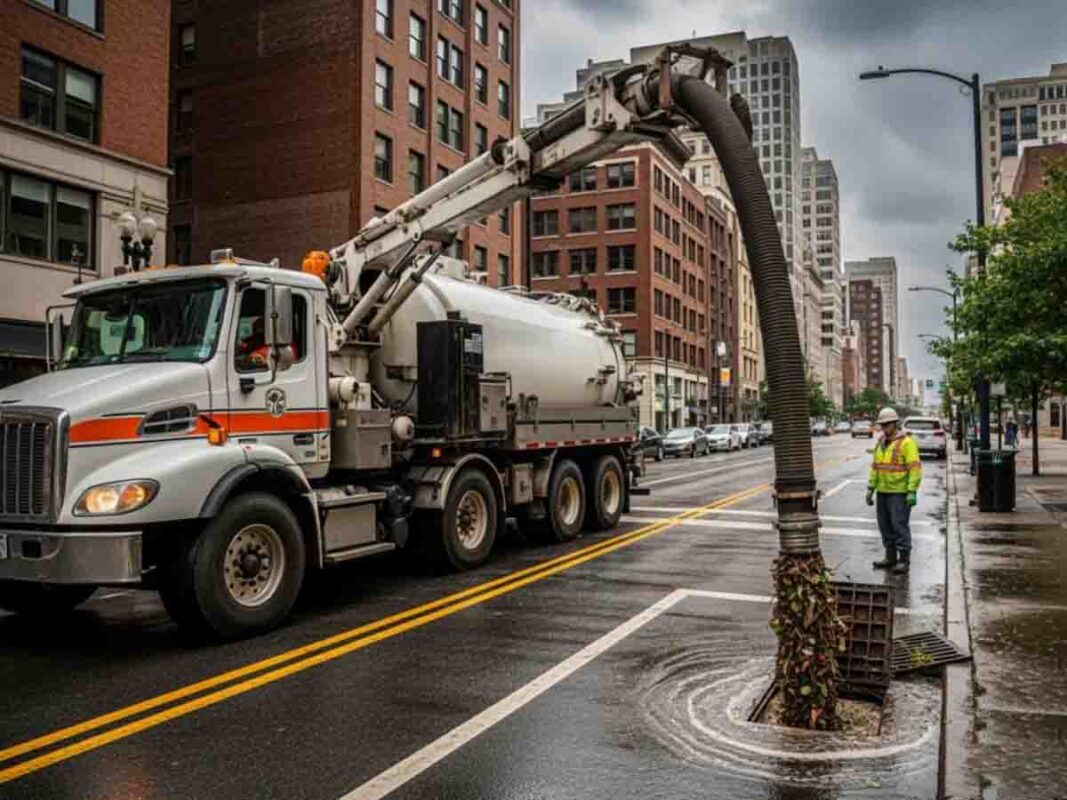
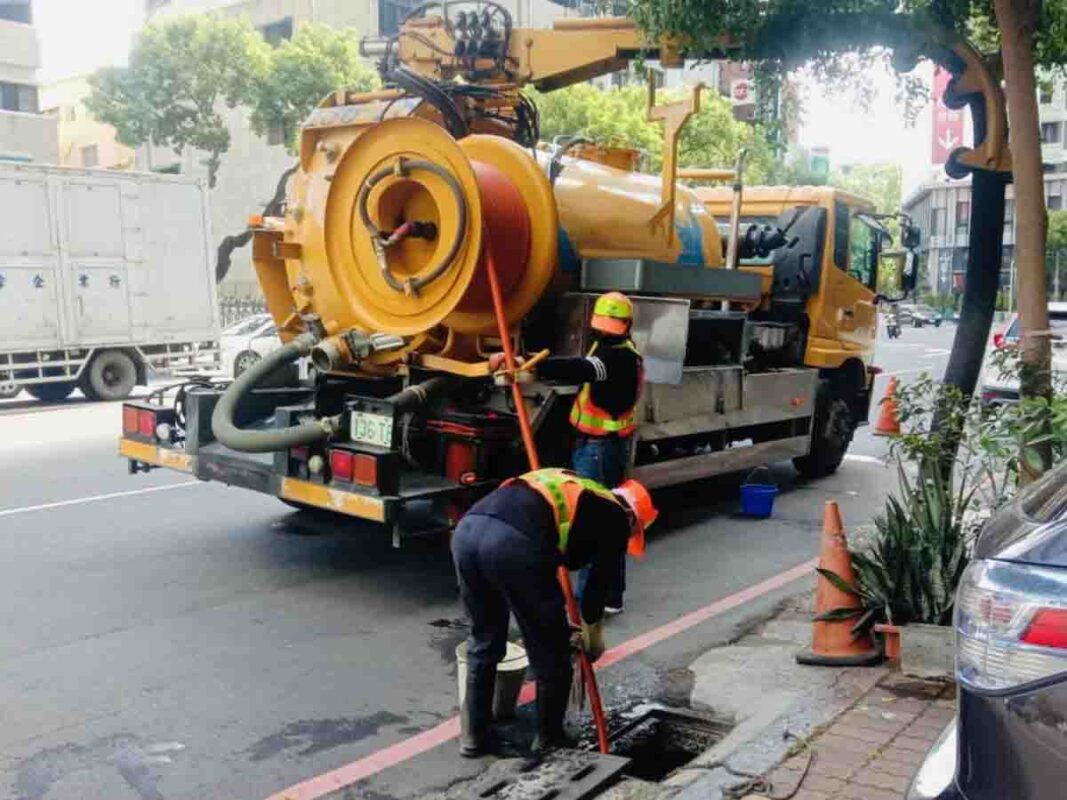
Heavy rain often pushes leaves, mud, trash, and sediment into drainage systems. Blocked drains prevent water from flowing away efficiently, making flooding worse.
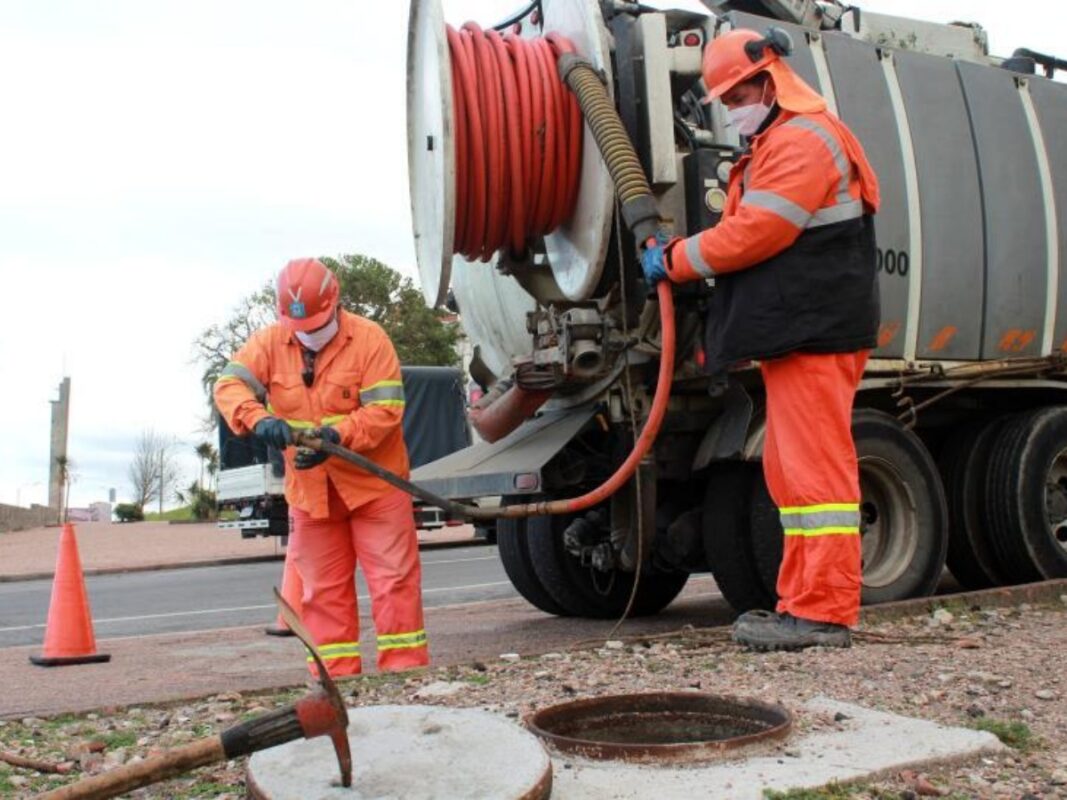
Many mobile vacuum trucks are equipped with:
High-capacity vacuum pumps
Hydro jetting systems
Long-reach suction hoses
These features allow crews to clear clogged drains and restore flow quickly.
3. Supporting Emergency Response Teams
After major storms, cities often face multiple sanitation emergencies at once. Mobile sewage vacuum trucks support:
Municipal utility departments
Disaster recovery teams
Environmental cleanup contractors
Fire and rescue operations
Public health agencies
Because the trucks are self-contained and highly mobile, they can operate even when local infrastructure is partially disabled.
4. Preventing Secondary Flooding
Standing wastewater can continue flowing back into streets and buildings if sewer systems remain overloaded.
Vacuum trucks help stabilize affected areas by:
Removing excess sewage
Reducing pressure inside pipelines
Transporting wastewater to treatment facilities
Assisting temporary bypass operations
This helps prevent recurring flooding during ongoing storms.
Key Features That Make Vacuum Trucks Effective in Emergencies
Not all sewage trucks are designed for disaster response. Emergency cleanup operations typically require:
High-Vacuum Power
Strong suction capability allows fast removal of heavy sludge, debris, and wastewater.
Large Tank Capacity
Larger tanks reduce downtime by minimizing trips to disposal facilities.
Long Hose Reach
Extended hose systems allow operators to access underground structures and confined areas safely.
Durable Chassis for Flood Conditions
Storm response often requires operating on damaged or waterlogged roads.
Combined Jetting and Vacuum Systems
Combination units can both clean blocked pipes and remove wastewater simultaneously.
Industries and Facilities That Depend on Emergency Vacuum Trucks
While cities are the primary users, many sectors rely on mobile sewage vacuum trucks during storms:
Airports
Ports and shipping terminals
Oil & gas facilities
Manufacturing plants
Hospitals
Shopping centers
Construction sites
Critical facilities cannot afford extended sanitation failures during severe weather events.
Climate Change Is Increasing Demand for Mobile Emergency Cleanup Equipment
Extreme weather events are becoming more frequent in many regions. Urban flooding, aging sewer infrastructure, and population density are increasing pressure on municipal sanitation systems.
As a result, more cities are investing in:
Larger emergency response fleets
Smart drainage monitoring
Mobile wastewater management systems
Rapid deployment vacuum trucks
Emergency preparedness is no longer optional infrastructure planning — it is becoming a core requirement for resilient cities.
Final Thoughts
Heavy rainstorms create more than surface flooding. They can rapidly trigger sewage overflows, sanitation hazards, and infrastructure failures across an entire city.
Mobile sewage vacuum trucks provide the speed, mobility, and operational flexibility needed to control these situations before they escalate further. From removing contaminated floodwater to restoring blocked drainage systems, these vehicles are a critical part of modern urban emergency response.
As climate-related flooding becomes more common, the role of mobile sewage vacuum trucks in disaster recovery and public sanitation will only continue to grow.